



Silver Leaf Fireplace Mirror
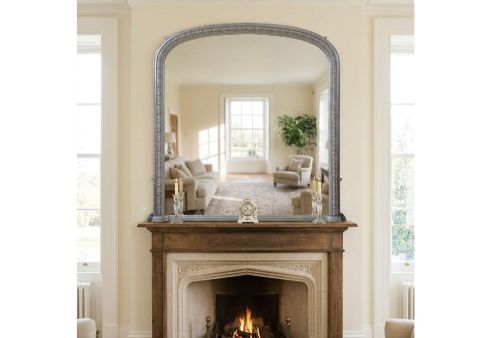
A silver leaf fireplace mirror brings dramatic reflection and historical depth to a room, catching the light above a hearth precisely as intended.
Silver Leaf Fireplace Mirror
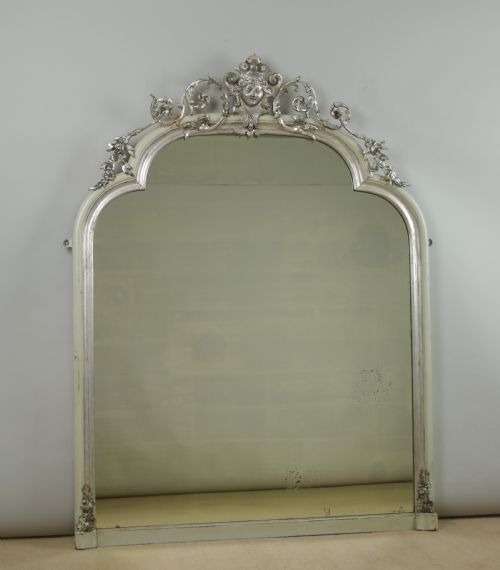
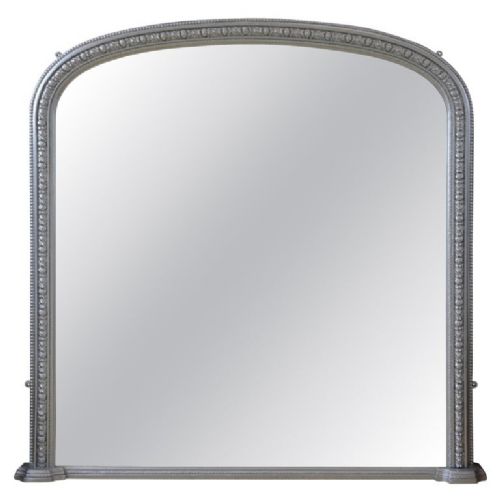
A silver leaf fireplace mirror is designed specifically to sit upon the mantelpiece, anchored in periods such as the nineteenth century and the nineteen thirties. These overmantel mirrors and wall mirrors serve as monumental focal points within a room, dominating the chimney breast with generous proportions. Most examples encountered here hail from Victorian England or draw upon French Louis Philippe and chateau styles.
The dominant forms are grand overmantel mirrors alongside broader wall mirrors, built to reflect the hearth fire and amplify natural daylight across the interior. Makers of these pieces utilised substantial wooden foundations to support the heavy glass plates required for such scale. Buyers select them to anchor a formal reception room or to introduce period character into a period fireplace setting.
Materials and construction methods
Makers constructed the carcases of pine and robust wood, shaping mouldings to support large sheets of mirror glass. Upon this wooden foundation, artisans applied layers of gesso to smooth the surface before laying fine sheets of silver leaf or silvered composition. This meticulous layering provided the characteristic reflective brilliance associated with nineteenth century overmantels.
The decorative surfaces frequently combined silver leaf with touches of gilt, creating a nuanced metallic sheen across the moulded frames. Joinery remained traditional, ensuring the heavy structures could withstand the rigours of mounting above a working fireplace. Every material was chosen to balance structural integrity with decorative splendour.
Silver Leaf Fireplace Mirror Retail Price Guide 2026
Typical asking prices for silver leaf fireplace mirror among the pieces listed under this phrase on Sellingantiques today, from the lower quarter to the upper quarter. They describe what is for sale here now, not the wider market.
The inventory spans the nineteenth century, eighteen eighty, eighteen seventy, nineteen thirty, and eighteen ninety periods.
Distinctions in quality
Quality rests in the crispness of the moulded gesso and the depth of the silver leaf application across the wooden frame. Superior examples demonstrate harmonious proportions and uncompromised structural joinery within the pine carcase, maintaining stability despite significant size. Simpler designs rely on clean architectural lines rather than excessive ornamentation to achieve distinction.
The preservation of the original silvered surface and the character of the mirror glass itself distinguish finer pieces from simpler iterations. Age imparts a desirable softness to the reflection and the metallic finish, whereas inferior later interventions often lack this organic integration of material and time.
The Silver Leaf Fireplace Mirror Glossary
- Overmantel mirror
- A large mirror specifically proportioned to hang or stand upon the mantelpiece above a fireplace. These pieces were central to nineteenth century interior design schemes.
- Gesso
- A plaster-like mixture applied to wood frames to create a smooth surface for gilding or silvering. It allows artisans to carve intricate relief details before applying metal leaf.
- Composition
- A moulded material made from whiting, linseed oil and resin pressed into decorative ornaments. It was widely used in Victorian framing to achieve ornate relief work economically.
- Silver leaf
- Extremely thin sheets of beaten silver applied to a prepared surface to simulate solid silver. It tarnishes gracefully over decades, developing a characteristic antique patina.
- Louis Philippe
- A French stylistic period spanning the mid nineteenth century characterised by restrained curves and classical elegance. It heavily influences the simpler architectural lines found in many overmantels.
Silver Leaf Fireplace Mirror: Frequently Asked Questions
How do I hang a heavy overmantel mirror safely?
These substantial pieces require secure anchoring directly into masonry or robust wall studs using appropriate heavy duty brackets. Weight distribution must be calculated carefully to protect both the wooden frame and the wall structure.
Professional installation is strongly advised given the considerable mass of large nineteenth century timber and glass assemblies. Ensure the mantelpiece itself or the wall fixings bear the load adequately.
Were these mirrors always meant to sit on a mantel?
Overmantel mirrors were specifically engineered in dimensions and weight distribution to rest securely upon the mantel shelf while anchored to the wall. Their low centre of gravity helped them balance safely above the hearth.
While some function equally well as standard wall mirrors, their primary historical purpose dictated a direct relationship with the fireplace below.
How do I identify a Victorian overmantel?
Victorian examples typically feature substantial pine carcases covered in gesso and silvered composition, often displaying architectural moulding influenced by classical or French tastes. The materials and construction methods reflect nineteenth century joinery standards.
Examining the reverse reveals period timber ageing and traditional fixings that distinguish nineteenth century production from later reproductions.