
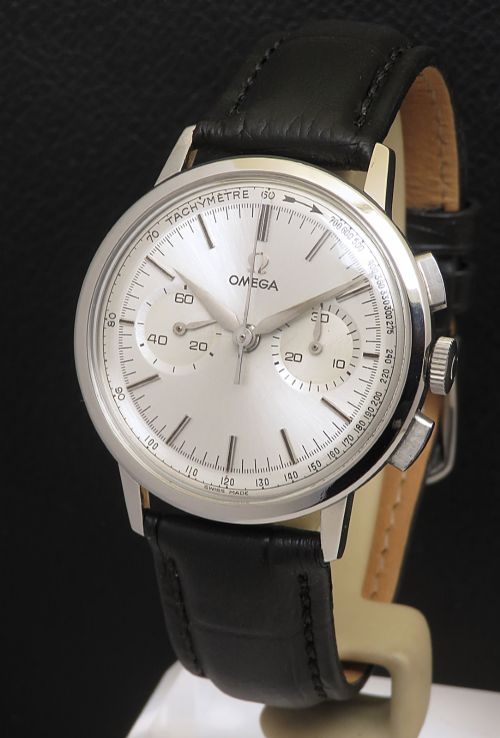
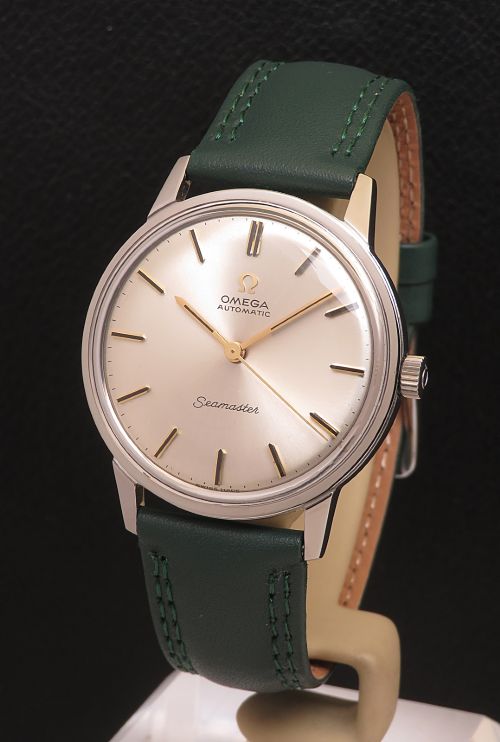
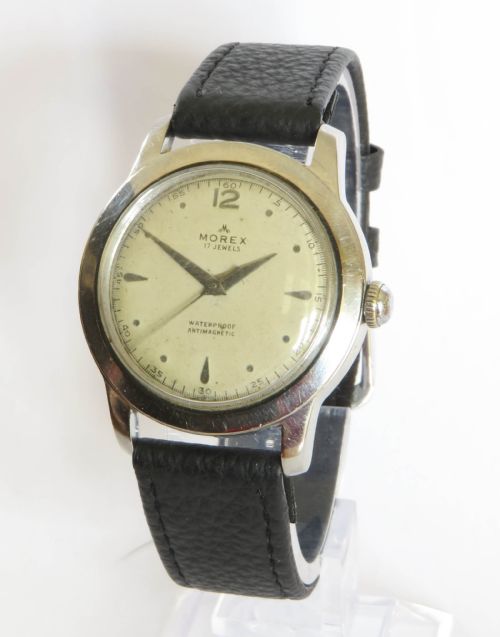
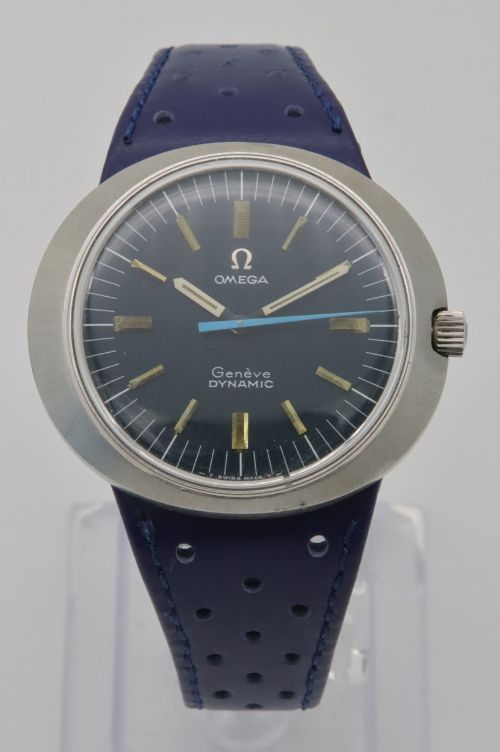
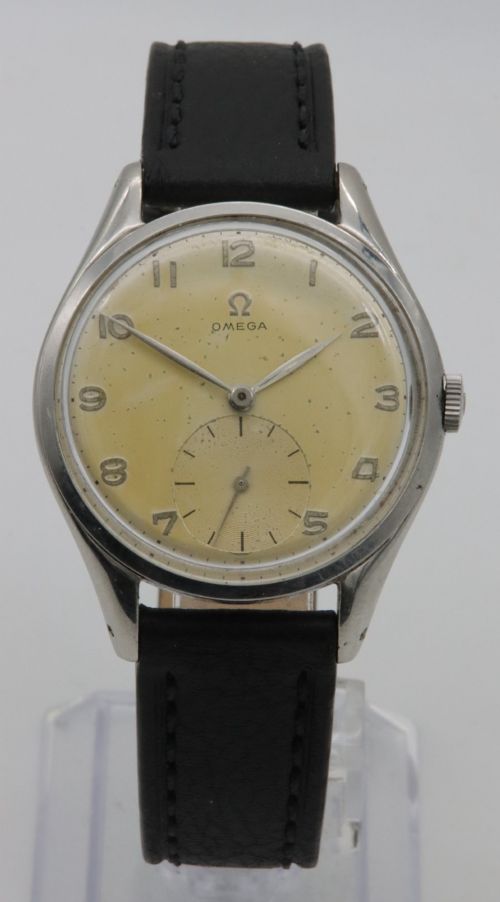
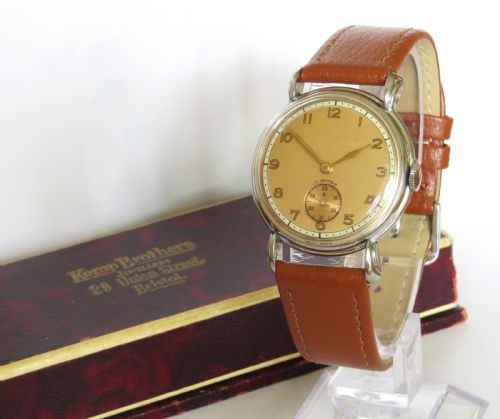
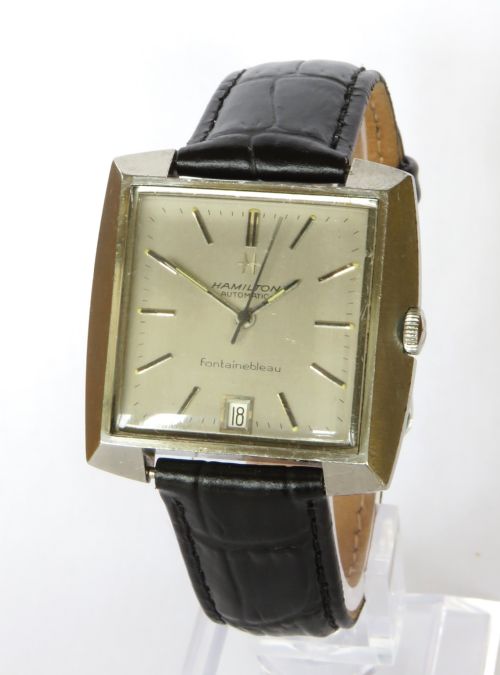
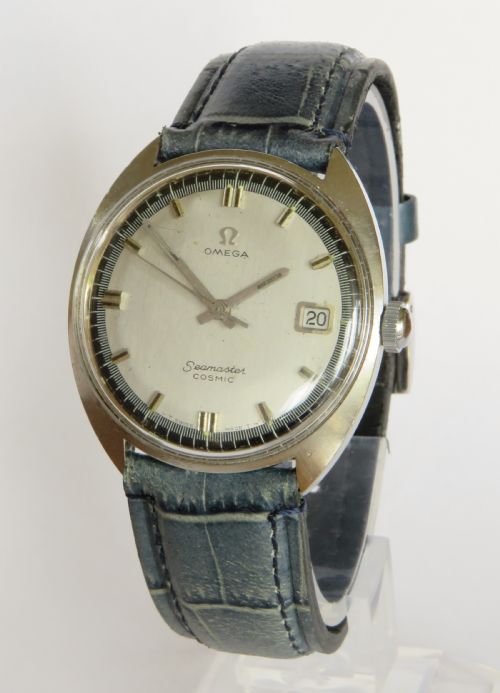
Silver Vintage Wristwatch
You want a silver vintage wristwatch for the crisp proportions of mid-century dials and the mechanical honesty of a proper manual wind or automatic movement.
Silver Vintage Wristwatch
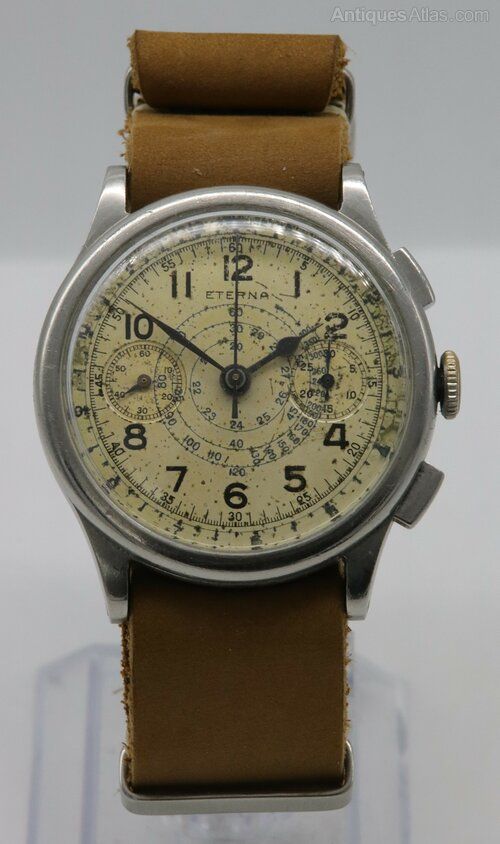
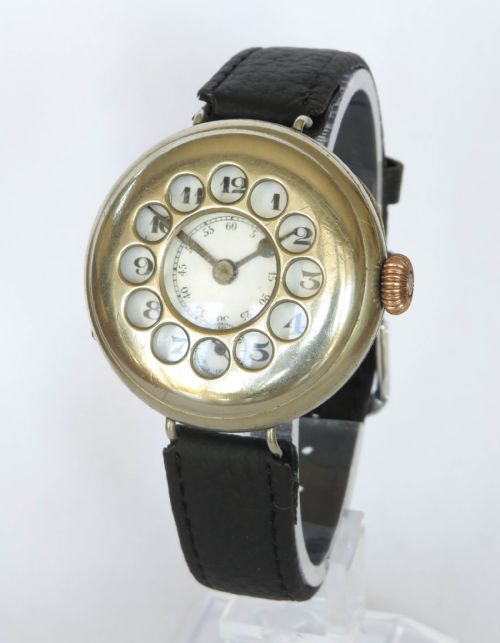
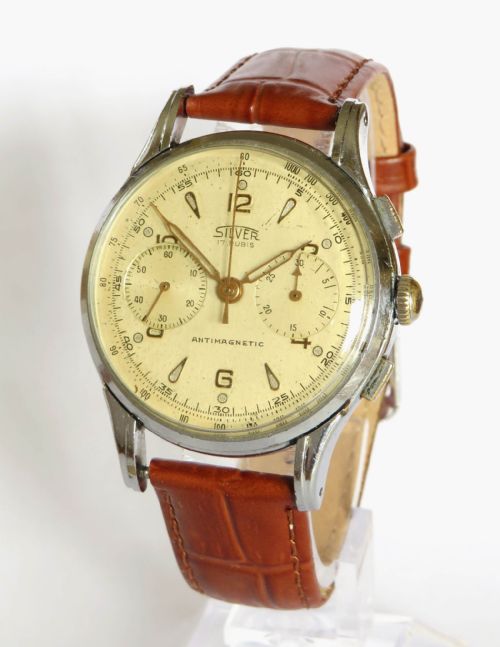
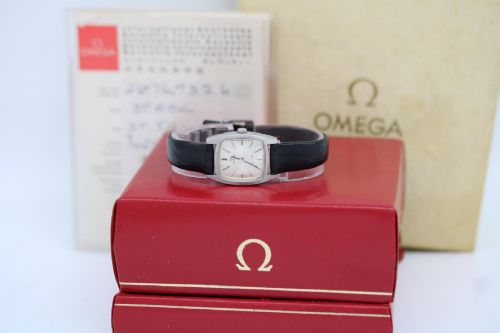
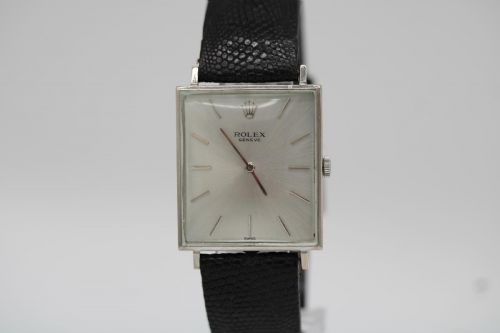
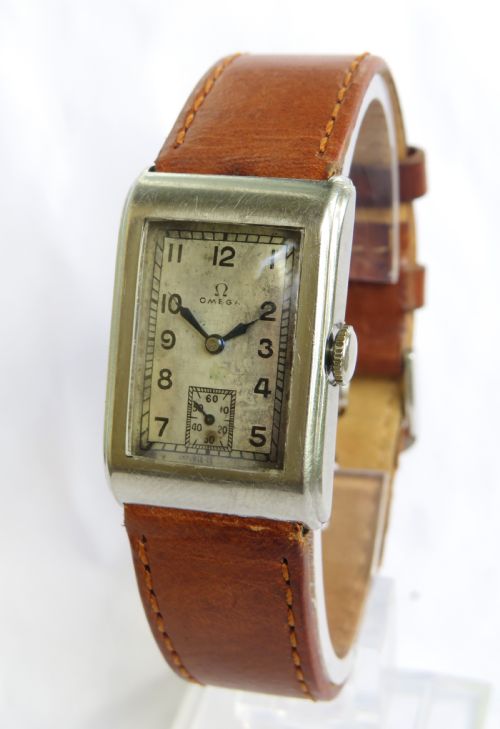
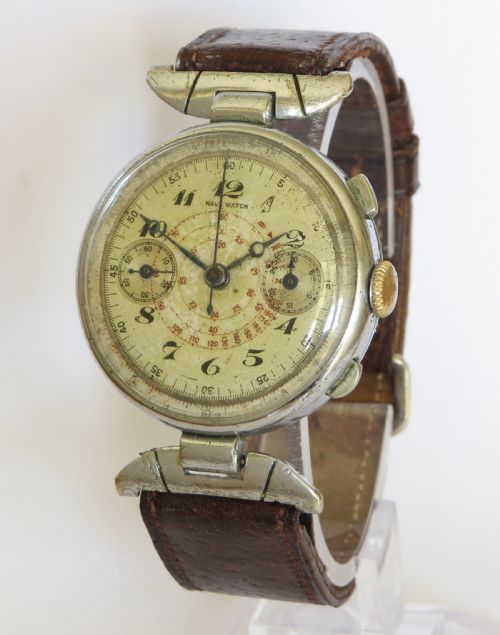
A silver vintage wristwatch is a portable mechanical timekeeper housed in a case of silver or stainless steel, spanning decades of horological design from early trench watches to sleek modern styles. When you search for this phrase, you meet horological output spanning the 1910s to the 1970s, encompassing military issues, aviator chronographs, and elegant dress pieces.
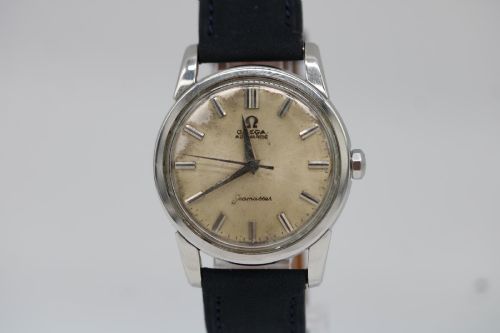
The versions most common on this page date predominantly from the mid-century decades, particularly the 1950s and 1960s, featuring round or tank-shaped steel cases. These pieces capture shifts in design from robust wartime utility to the clean lines of Mid-Century Modern and Art Deco aesthetics.
Makers ranged from Swiss powerhouses to English workshops, utilising durable metals and fitted with leather straps, acrylic crystals, and occasionally precious metals like 18ct white gold. Each piece represents a specific period of mechanical manufacturing, carrying the dial patination and case wear accumulated over decades of daily use.
How they were made
Cases were forged from stainless steel, silver, chrome, or 18ct white gold, designed to protect intricate mechanical movements from dust and moisture. Manufacturers stamped or machined metal housings into distinct forms, ranging from utilitarian trench watch guards to refined dress case profiles.
Dials incorporated printed or applied markers behind acrylic or glass crystals, paired with supple leather straps secured by metal buckles. Movements relied on manual wind or automatic mechanisms comprising dozens of tiny brass and steel gears, springs, and jewels assembled by hand.
Silver Vintage Wristwatch Retail Price Guide 2026
Typical asking prices for silver vintage wristwatch among the pieces listed under this phrase on Sellingantiques today, from the lower quarter to the upper quarter. They describe what is for sale here now, not the wider market.
Listings feature pieces spanning from the 1910s to the 1970s, utilising stainless steel, silver, chrome, 18ct white gold, and leather.
What varies in quality
Quality separates mass-produced commercial models from precision chronometers, depending heavily on the sophistication and adjustment of the internal calibre. Better grade movements feature higher jewel counts and specialised shock protection, ensuring superior timekeeping stability over prolonged periods.
The integrity of the case and dial condition dictates desirability, with original untouched dials and sharp case edges commanding greater respect than polished or repainted examples. Retaining original factory components, signed crowns, and matching hardware preserves the historical authenticity of the watch.
Omega·Longines·Rolex·Seiko·Bulova·Cartier·Smiths·Eterna·Breitling·Tudor
The Silver Vintage Wristwatch Glossary
- Calibre
- The specific internal mechanical movement manufactured by a watchmaker. This identifier denotes the exact design and architecture of the gears and springs inside the case.
- Chronograph
- A watch equipped with a stopwatch function alongside standard timekeeping. Independent sweep hands allow the measurement of elapsed intervals.
- Trench watch
- An early wristwatch adapted from pocket watch designs for military use during the First World War. These robust pieces frequently featured wire lugs and protective metal shrapnel guards.
- Automatic
- A self-winding mechanical movement that uses a weighted rotor driven by the natural motion of the wearer's wrist. This system keeps the mainspring tensioned without manual winding.
- Acrylic
- A lightweight, shatter-resistant plastic material utilised for watch crystals before the widespread adoption of synthetic sapphire. It can be easily polished to remove minor surface scratches.
Silver Vintage Wristwatch: Frequently Asked Questions
How do I wind a manual watch?
Gently rotate the crown clockwise between your thumb and forefinger until you feel firm resistance. Stop immediately at that point to avoid over-tensioning the mainspring.
Perform this action at roughly the same time each day to maintain steady power delivery to the movement.
Are vintage watches waterproof?
Vintage timepieces lack modern rubber gasket seals and screw-down systems, meaning historical water resistance degrades significantly over decades. Even models marked waterproof should be kept well away from moisture, rain, and swimming pools.
Condensation can form rapidly behind the crystal if water enters through the crown or case back, damaging delicate steel components.
How do I read a serial number?
Manufacturers stamped unique sequence numbers onto the outer case back, inner case, or movement plate to track production dates. Cross-referencing these numbers with maker-specific archives reveals the exact year the watch left the workshop.
Some military issues also bear specific government acceptance marks or broad arrow symbols stamped directly into the metal.
Can I wear mine every day?
These mechanical instruments function reliably with regular wear, provided you respect their age and vulnerability to heavy impacts. Avoid wearing them during strenuous physical activities, gardening, or contact sports.
Routine servicing by a qualified horologist every few years ensures the internal oils remain clean and functional for daily use.