
Vintage Automatic Wrist Watch
When you look for a vintage automatic wrist watch, you seek a self-winding mechanical timepiece from the mid-twentieth century.
Vintage Automatic Wrist Watch
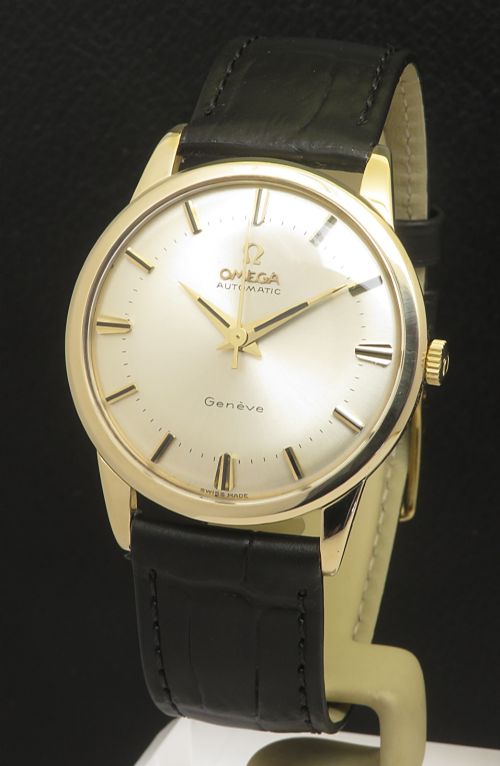
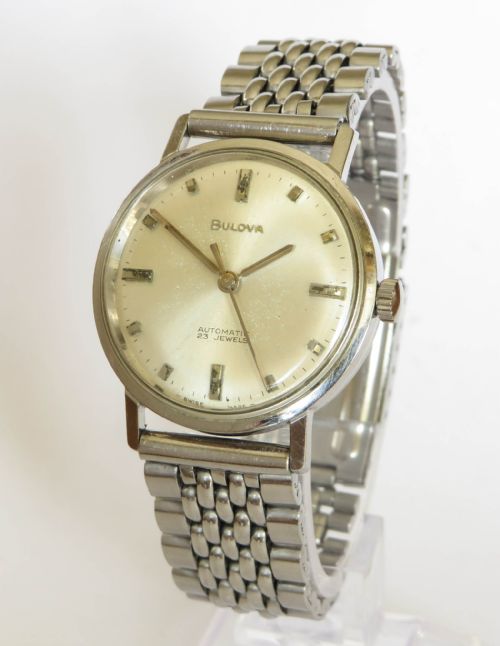
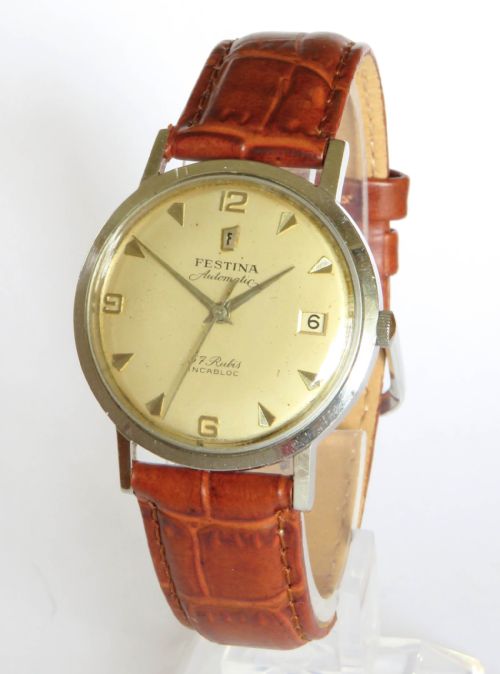
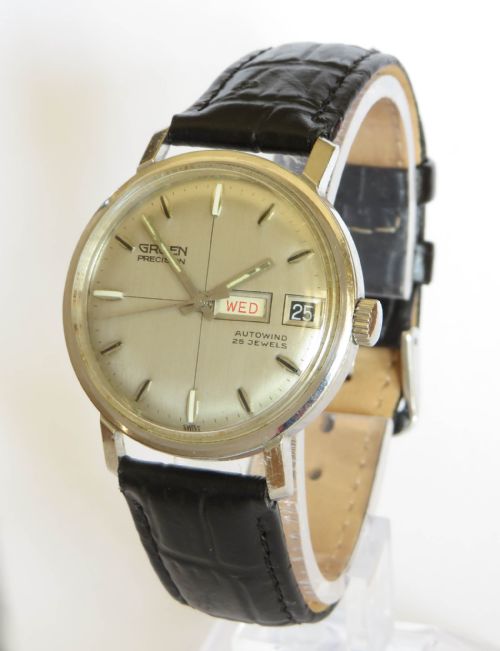
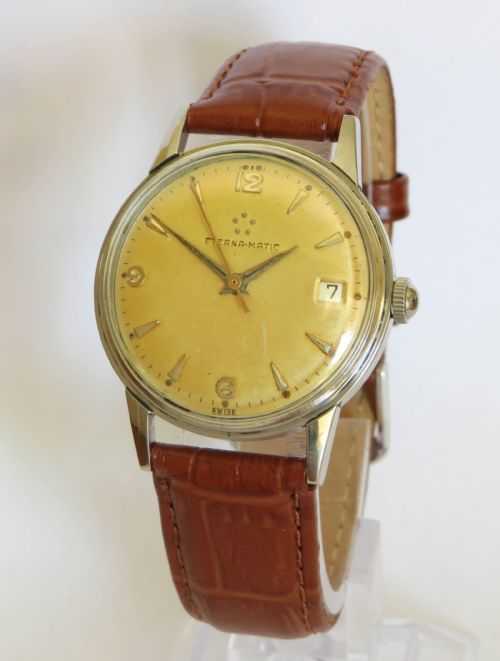
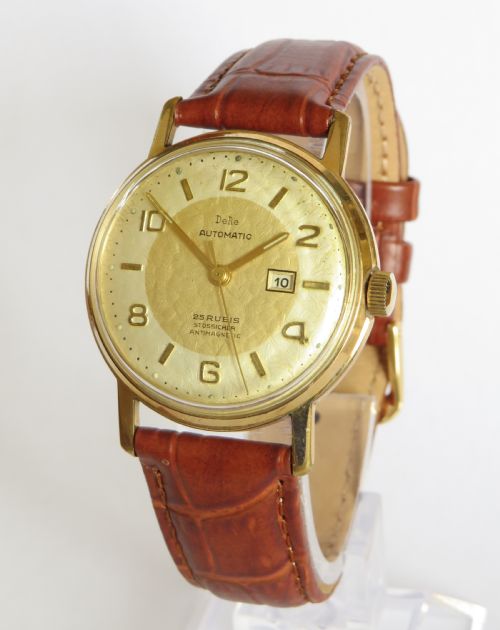
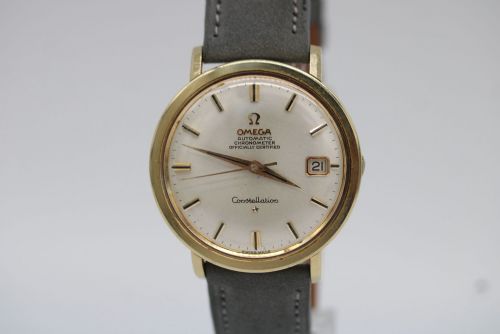
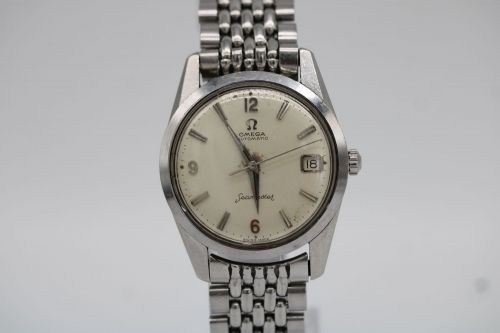
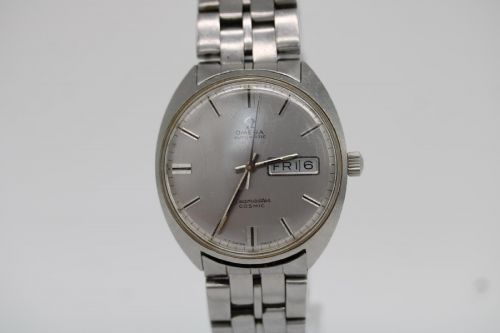
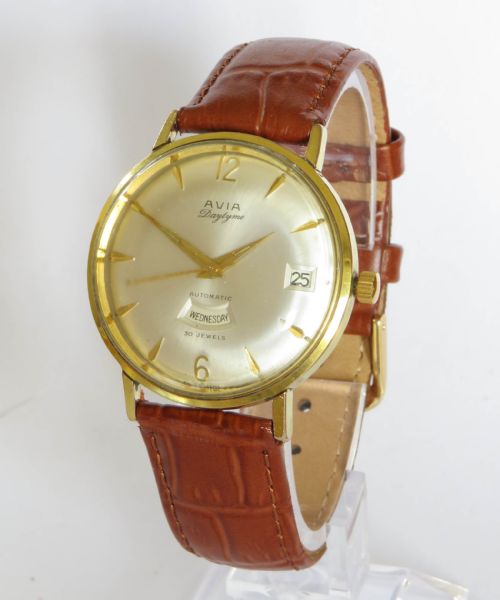
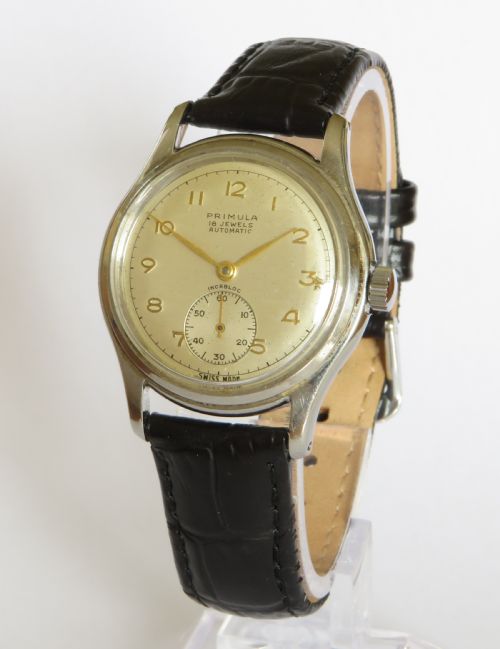
A vintage automatic wrist watch represents self-winding horology from the 1950s and 1960s, driven by the natural movement of the wearer's wrist rather than manual winding. The listings on this page span styles from Mid-Century Modern to Mid-Century Luxury, dominated by gents wristwatches originating from this fertile two-decade period.
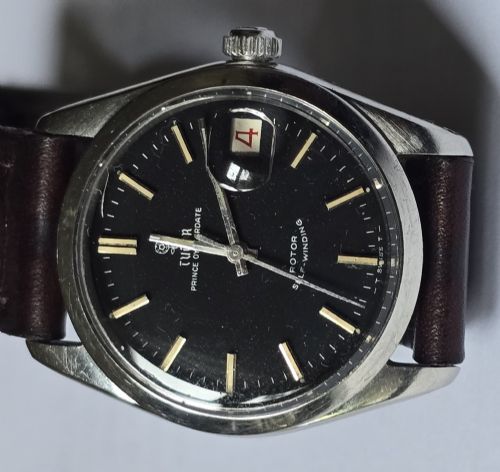
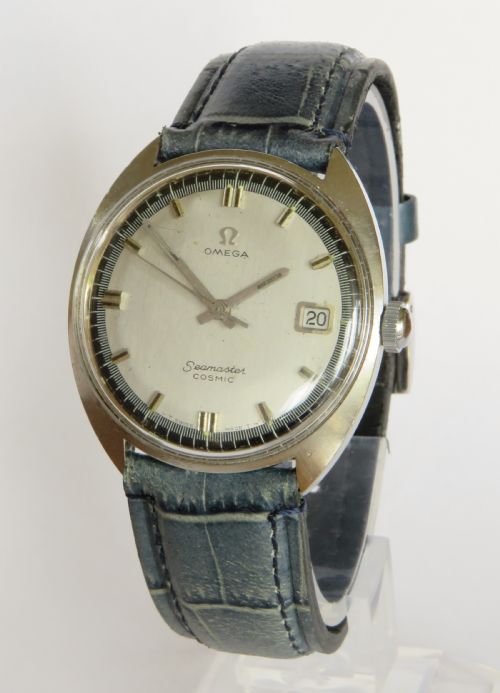
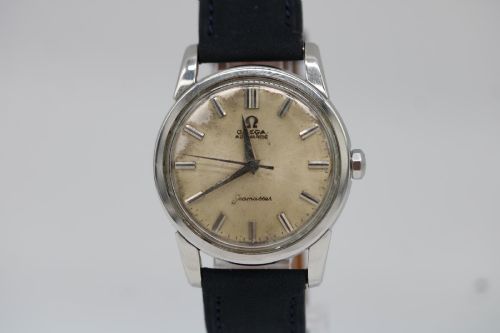
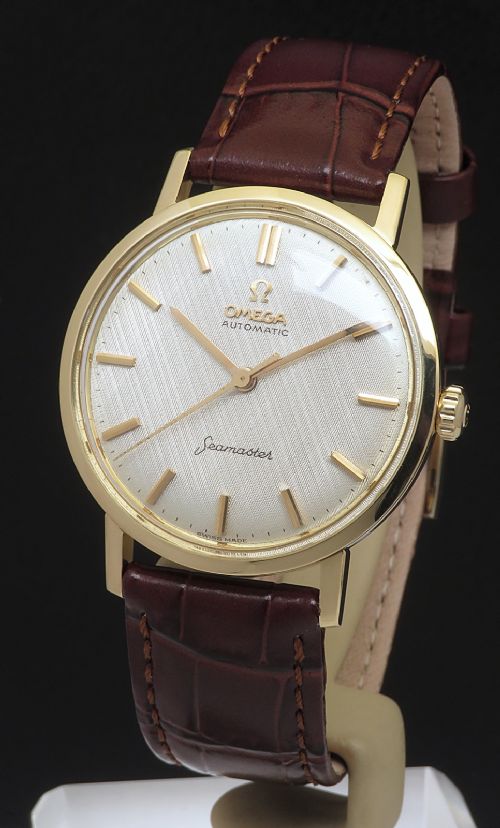
The most common form you will meet here is the dress or utility watch from houses such as Omega and Tudor, often categorised under lines like Seamaster or Oyster Prince. These pieces showcase the post-war shift toward automatic calibres, housing mechanical movements inside stainless steel or gold cases.
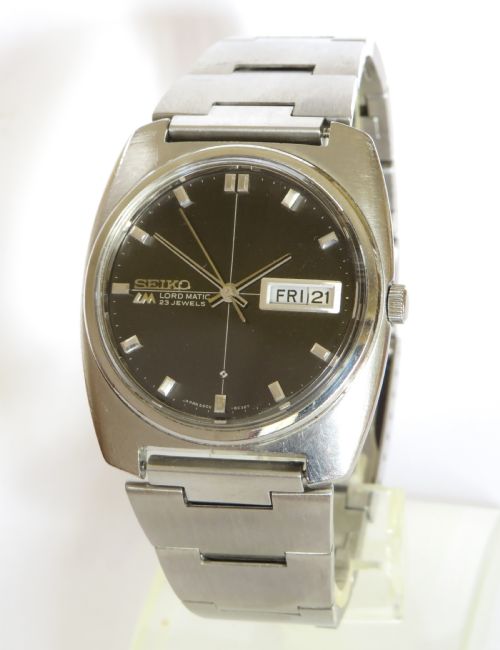
Originating in an era of robust industrial design, these wristwatches combine practical date complications and sweep seconds hands with classic mid-century aesthetics. Whether styled as a utilitarian waterproof piece or a refined gold dress watch, each item reflects the mechanical ingenuity of its decade.
Materials and Construction
Cases combine metals such as stainless steel, gold-plate, and solid 9ct or 18ct gold, paired with protective acrylic or glass crystals. Dials frequently feature applied metal markers and distinctive textures, ranging from honeycomb patterns to patinated finishes.
Movements rely on mechanical self-winding technology, including early bumper automatic mechanisms and rotor systems driven by internal weighting. Leather straps complete the assembly, fastened alongside branded or metal-plated buckles.
Railroad workers relied on sturdy Timex automatics to keep trains running on time across the tracks.
Distinctions in Quality
Quality separates along the grade of the movement and the preciousness of the housing, moving from standard stainless steel utility calibres up to chronometer-certified or heavy solid gold luxury casings. Originality of components, from signed crowns to untouched dials with distinct patination, elevates a piece significantly.
The degree of preservation in the case lines, dial printing, and accompanying original boxes and papers marks the upper tier of the selection. Pieces retaining their factory finishes and factory-issued elements command greater attention from those studying horological integrity.
Omega·Tudor·Seiko·Bulova·Festina·Gruen·Eterna·DeRe·Avia·Primula·Tissot·Wittnauer·Baume·Prisma·Rolex·Consul·Timex·Juvenia·Daichi·Longines·Oebra
The Vintage Automatic Wrist Watch Glossary
- Automatic
- A self-winding mechanical watch movement that uses a weighted rotor to wind the mainspring using the natural motion of the wearer's wrist.
- Bumper automatic
- An early type of self-winding movement where the rotor swings back and forth within an arc, hitting springs that gently bump it back in the opposite direction.
- Calibre
- The specific manufacturer's designation for a particular watch movement model.
- Chronometer
- A high-precision mechanical watch that has been tested and certified to meet strict accuracy standards over various temperatures and positions.
- New old stock
- Unused vintage merchandise that has remained unsold in its original packaging since the period of its manufacture.
- Oyster case
- A pioneering waterproof and dustproof watch case design featuring a screw-down crown and case back.
Vintage Automatic Wrist Watch: Frequently Asked Questions
How do automatic watches wind themselves?
Automatic watches contain an internal weighted metal rotor that pivots freely on its axis as your arm moves throughout the day. This rotational energy is transferred through a series of gears to wind the mainspring.
Unlike manual-wind watches, you do not need to twist the crown daily unless the watch has been left stationary long enough for its power reserve to deplete entirely.
What is a bumper automatic movement?
A bumper automatic is an earlier generation of self-winding movement developed before full 360-degree rotor systems became standard. The weight swings through a limited arc of about 120 degrees, rebounding off internal bumper springs.
Wearers can distinctly feel and hear a gentle tap on the wrist when the internal weight strikes the spring buffers.
How should I care for a vintage watch daily?
Keep your vintage timepiece away from strong magnetic fields, excessive moisture, and sharp physical impacts, as historical seals and delicate gear trains lack modern shock resistance. Manual setting and winding should be done with care to preserve the longevity of the crown stem.
Routine servicing by a qualified horologist every few years ensures the internal oils remain fluid and the mechanical parts function accurately.
How can I tell the production decade?
The production decade is often identified through movement serial numbers, case reference codes, dial typography, and stylistic hallmarks characteristic of 1950 and 1960 design.
Matching the movement serial against manufacturer production ledgers provides the most accurate dating for pieces from this era.