
Mens Classic Wrist Watch
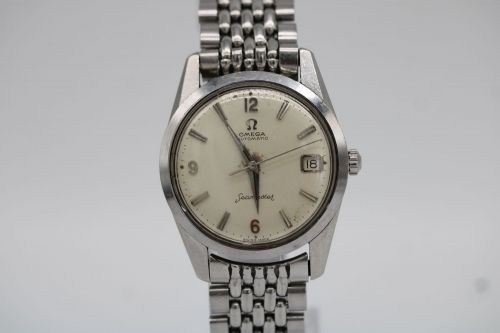
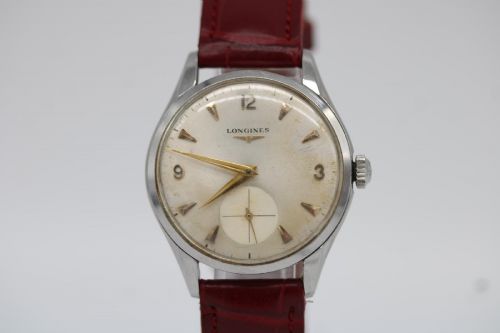
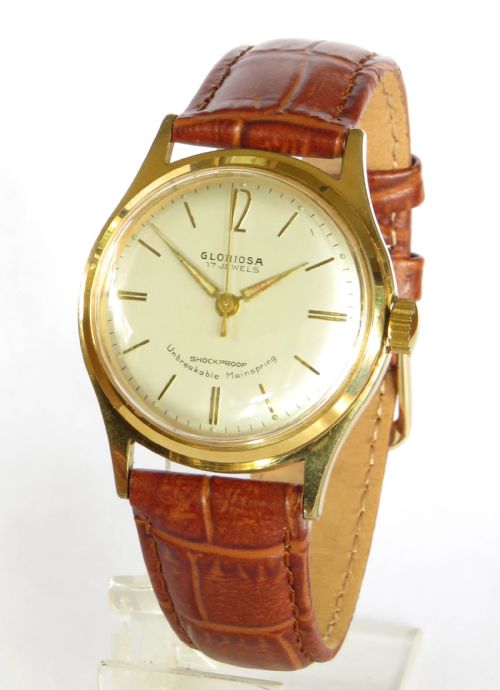
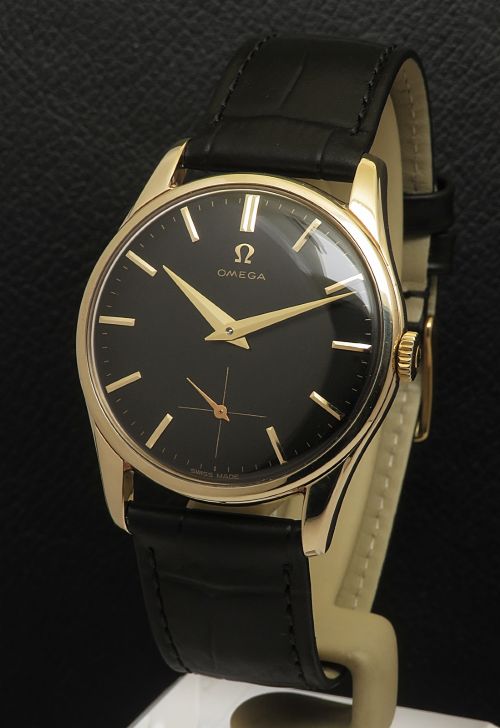
When you search for a mens classic wrist watch, you are looking at mid-century horology spanning the 1930s through to the 1970s.
Mens Classic Wrist Watch
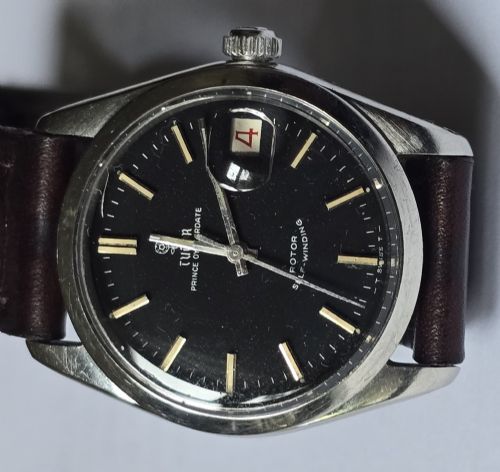
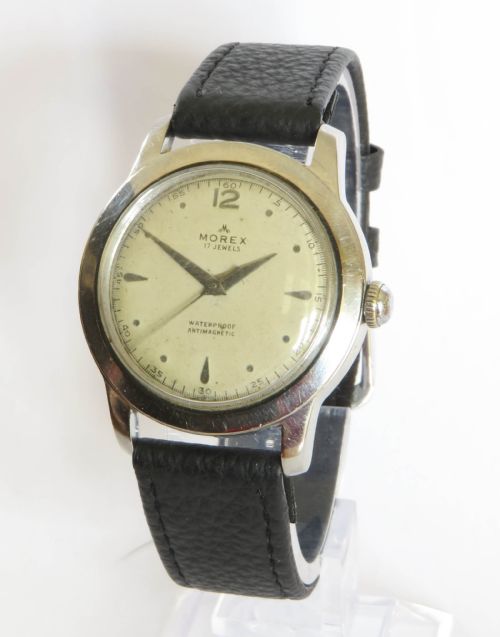
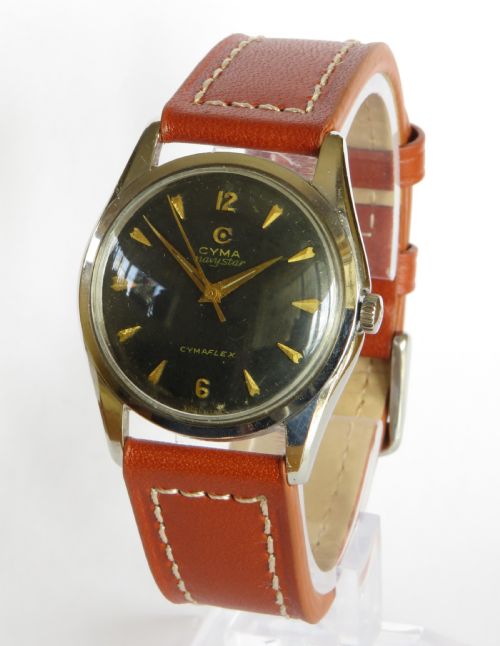
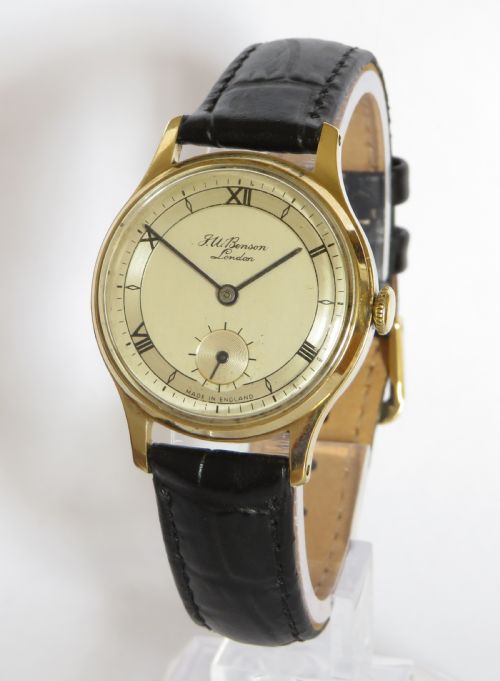
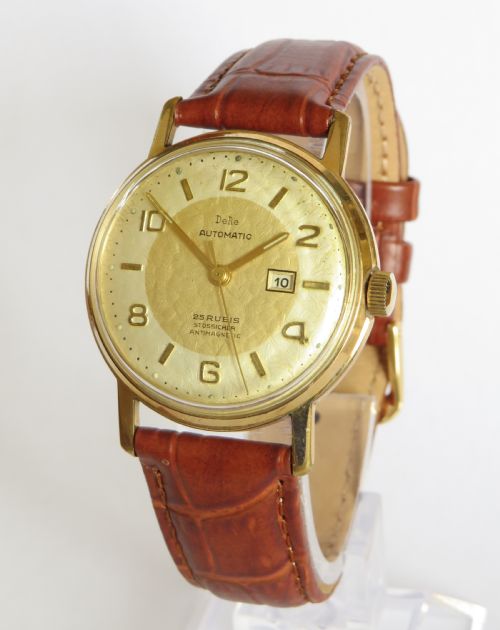
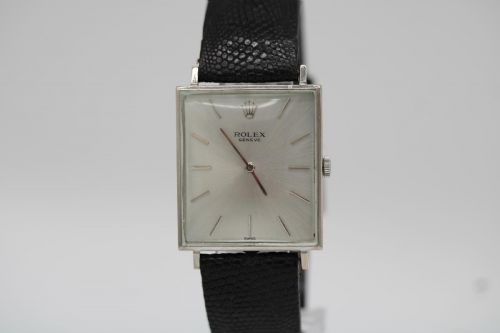
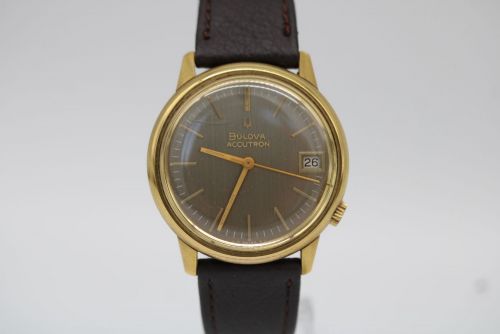
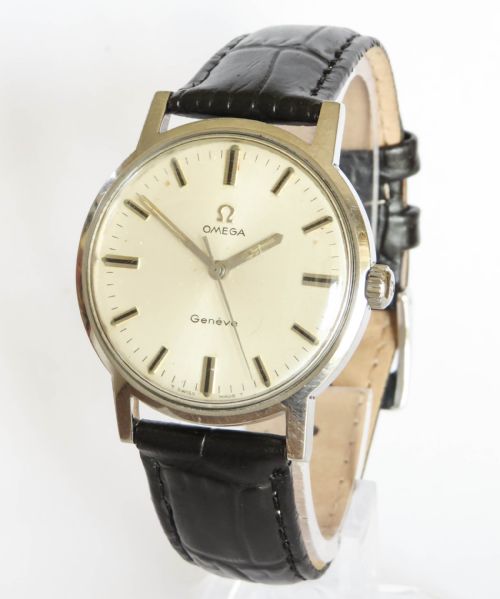
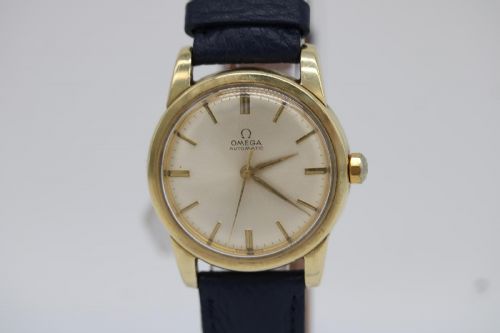
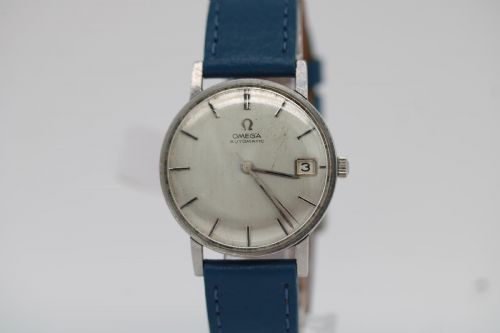
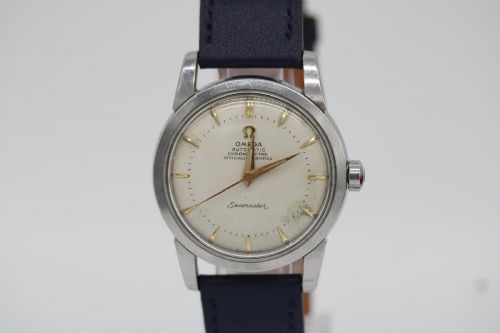
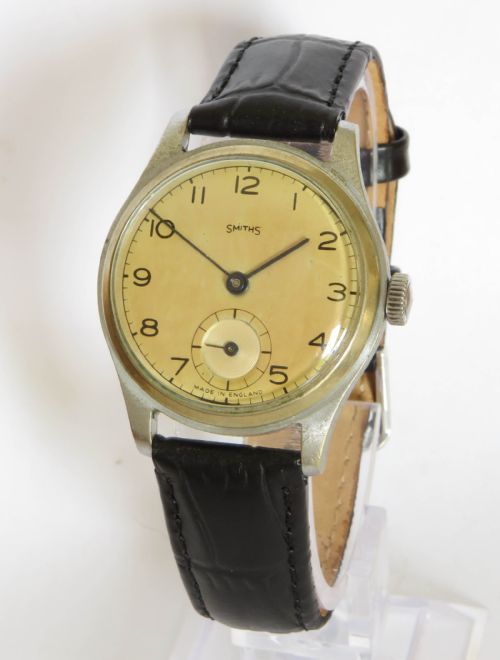
A mens classic wrist watch represents decades of mechanical timekeeping, mostly originating from the 1930s, 1940s, 1950s, and 1960s. The versions most commonly met on this page are gent's wristwatches produced by Swiss and British makers during the mid-century period, adhering to traditional dress watch proportions.
The styles seen among these pieces range from Art Deco and Mid-Century British to Mid-Century Modern and Mid-Century Luxury. Formats vary from manual wind movements to early automatics housed in round or shaped cases.
How they were made
Cases utilise metals such as stainless steel, chrome, gold plate, and solid 9ct gold or 18ct white gold. Dials are protected by glass, acrylic, or acrylic glass, paired with leather straps.
Movements are mechanical, relying on manual winding or automatic self-winding mechanisms containing numerous jewelled pivots. These internal movements drive analogue time displays housed within constructed metal cases.
Listings feature items from the 1930s, 1940s, 1950s, and 1960s, constructed in gold plate, stainless steel, and solid gold.
What varies in quality
The grade of a mens classic wrist watch depends on the execution and preservation of its movement and exterior components. Solid gold cases and precision automatic calibres sit at the higher end of the range, while chrome plating and basic manual movements represent more utilitarian production.
Originality of components also dictates standing. Pieces retaining their original signed dials, crowns, straps, and factory boxes hold greater fidelity to their period of manufacture than those altered by later replacement parts.
Tudor·Montilier·Cyma·J W Benson·Rolex·Bulova·Omega·Longines·Gloriosa·Smiths·Certina·Avia·Rotary·Baume Bimatic·Lanco·Eterna·Marvin·Girard Perregaux·Garrard
The Mens Classic Wrist Watch Glossary
- Calibre
- The specific manufacturer's designation for a particular watch movement design. It helps identify the internal mechanics and era of production.
- Manual wind
- A mechanical movement that requires the wearer to manually turn the crown to tension the mainspring. This is common in mid-century dress pieces.
- Automatic
- A self-winding mechanical movement that uses a weighted rotor driven by the natural motion of the wearer's wrist. It removes the need for daily manual winding.
- Acrylic glass
- A lightweight, shatter-resistant synthetic material used for watch crystals during the mid-century period. It can be polished to remove surface scratches.
- Gold plate
- A layer of gold applied to a base metal core such as brass or steel. It provides the appearance of solid gold at a different tier of production.
Mens Classic Wrist Watch: Frequently Asked Questions
How do I wind a manual watch?
Rotate the crown clockwise between your thumb and forefinger until you feel gentle resistance. Stop immediately to avoid over-tensioning the mainspring.
Wind the piece at approximately the same time each day to maintain consistent tension and accurate timekeeping.
Are these watches water resistant?
Vintage timepieces lack modern rubber gaskets and screw-down sealing technology. Exposure to moisture can rust internal steel components and ruin dials.
Keep these items away from swimming, showers, and heavy rain to preserve their mechanical integrity.
What is a patinated dial?
Patination refers to the natural ageing process of the watch face over decades. Exposure to light, air, and microscopic moisture causes subtle colour shifts and texture.
Collectors often appreciate this ageing as proof of authenticity and historical endurance.
Can I wear a vintage watch daily?
These pieces function well for regular wear provided they receive proper care and routine mechanical servicing. Avoid high-impact activities like sports or manual labour while wearing them.
Store the watch in a dry environment when not in use to protect the case and strap.