
1960s Automatic Wristwatch
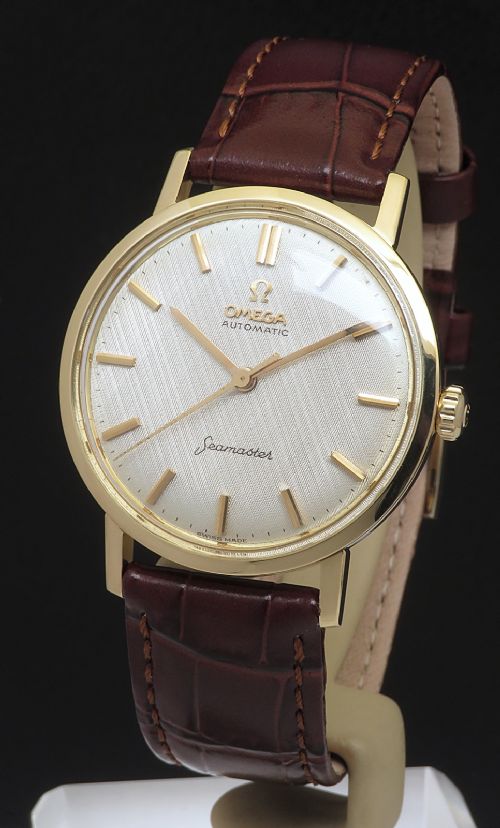
A 1960s automatic wristwatch brings mid-century mechanical engineering to the wrist, offering dependable self-winding movement wrapped in classic stainless steel or solid gold.
1960s Automatic Wristwatch
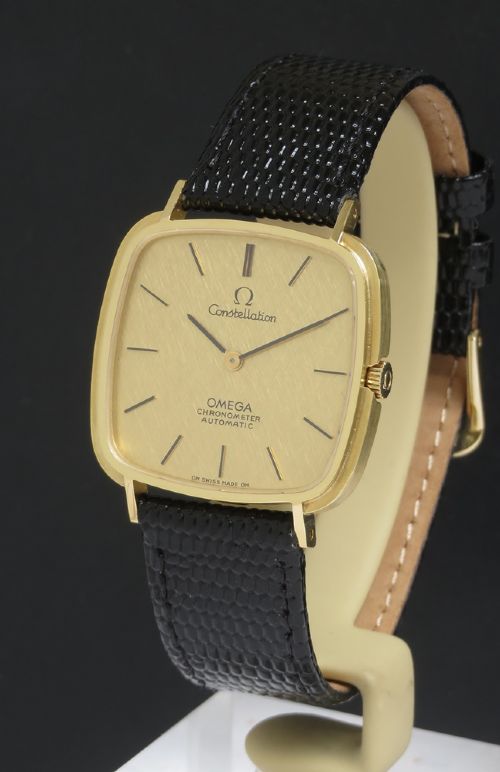
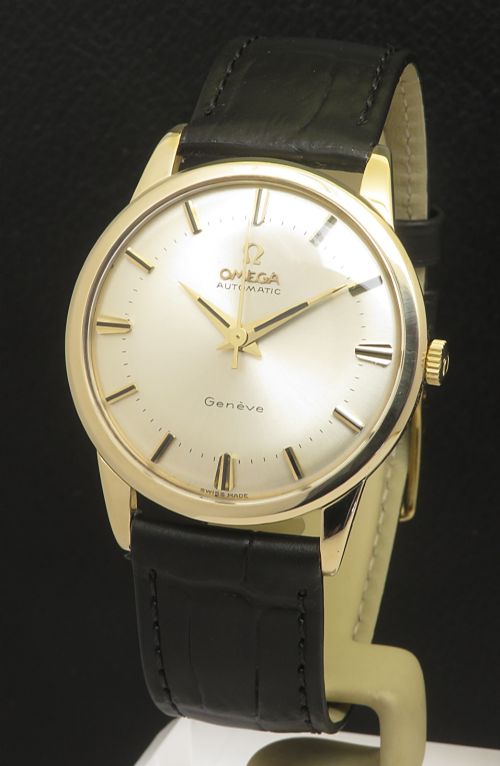
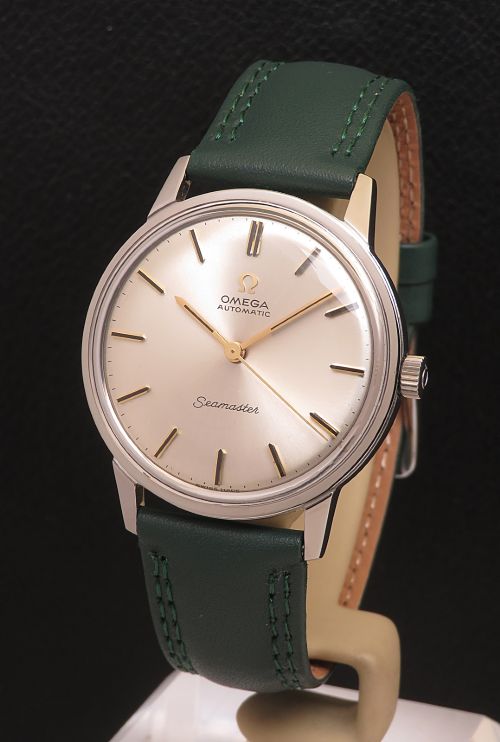
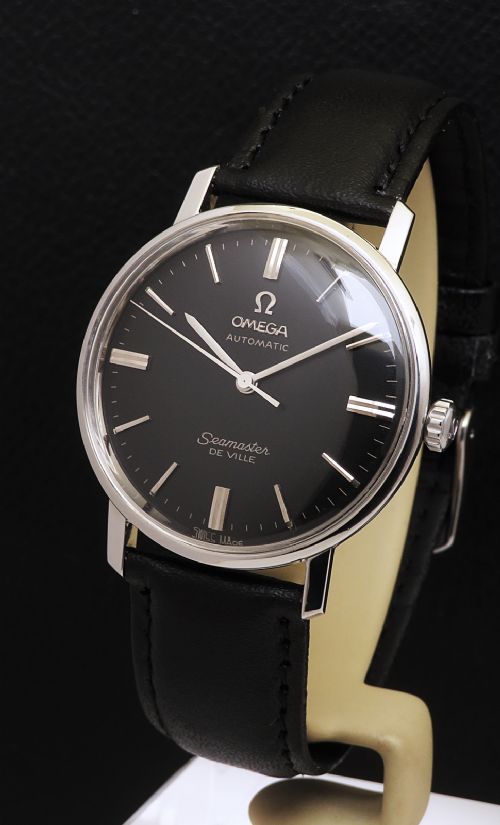
A 1960s automatic wristwatch represents a period of profound technical refinement in watchmaking, where self-winding calibres superseded manual winders as the everyday standard. These pieces span mid-century modern and 1960s modern design idioms, showcasing clean dial layouts and balanced case proportions.
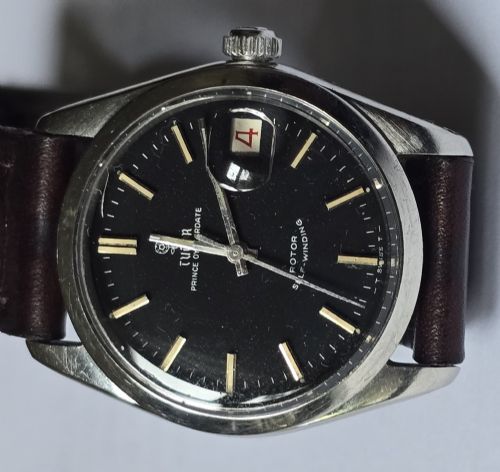
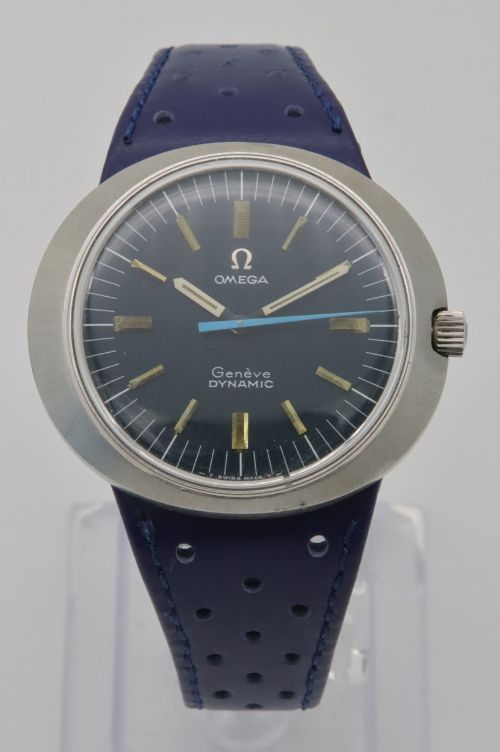
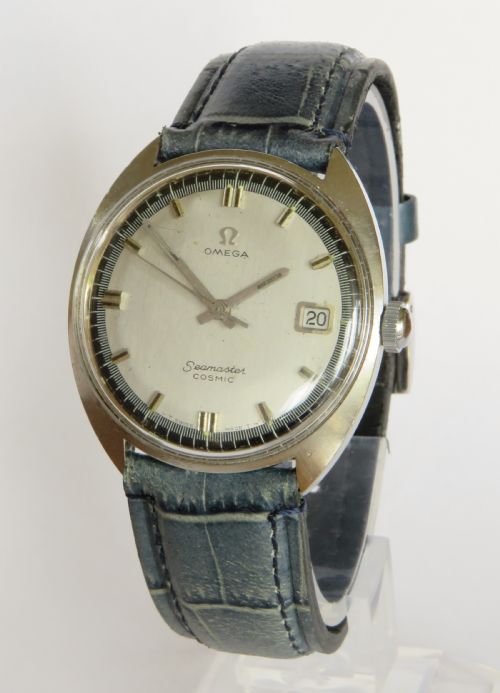
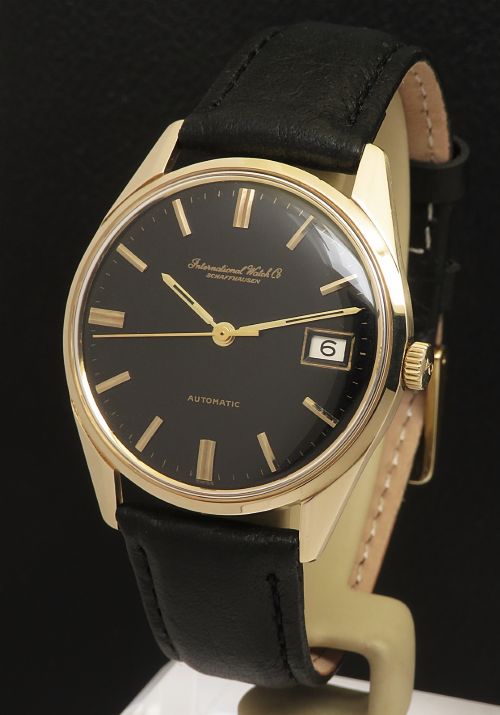
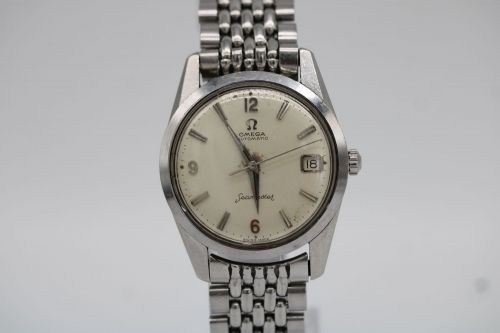
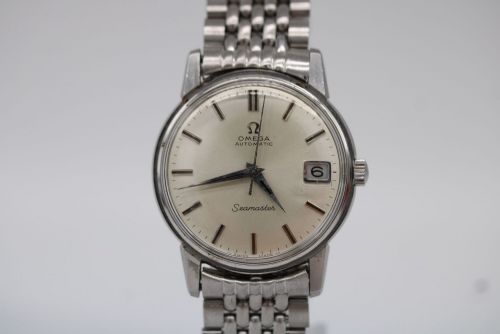
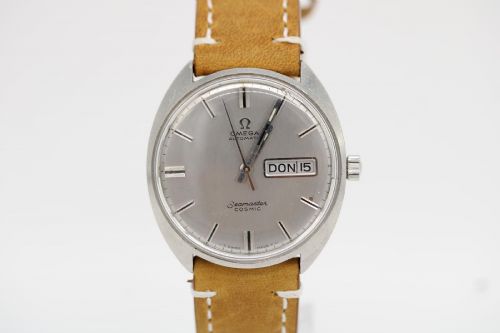
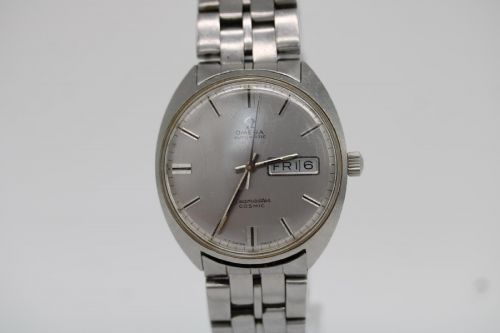
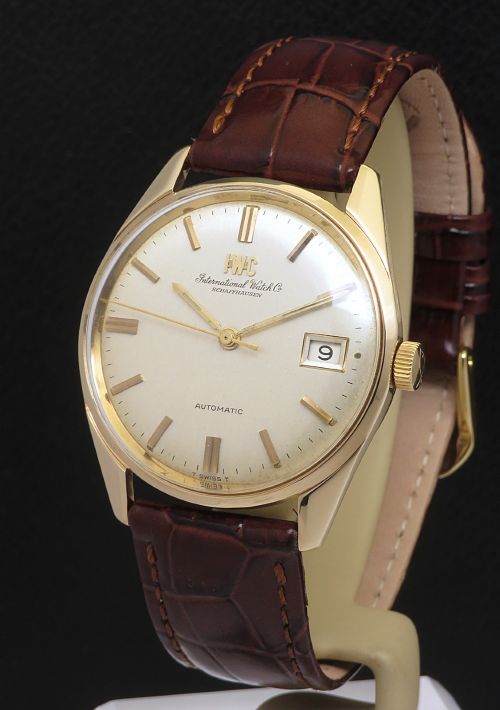
The dominant form on this page is the gents wristwatch, often featuring a round or tonneau case in stainless steel or 9ct gold. Prominent lines like the Omega Seamaster and Geneve dominate the selection, alongside robust pieces from makers such as IWC, Eterna-matic, and Rolex.
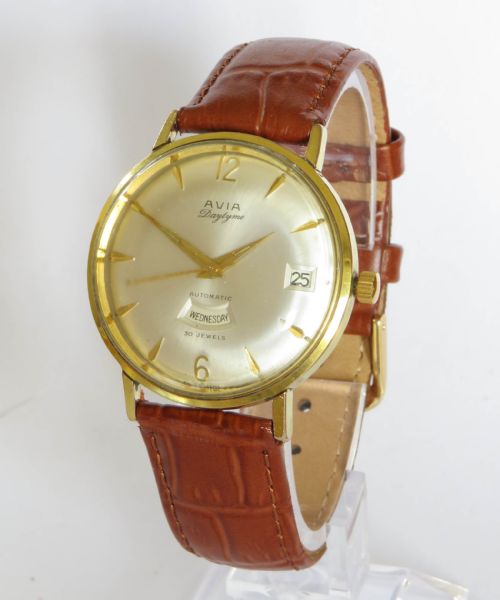
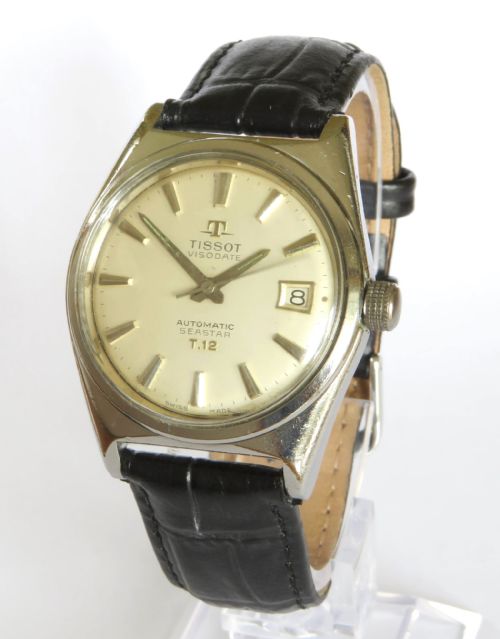
Collectors encounter everything from time-only dress watches to date and day-date complications housed beneath acrylic glass. These items capture the aesthetic transitions of the decade, moving from traditional dress forms toward sportier waterproof constructions.
How they were made
Watchmakers utilised durable stainless steel or precious metals like 9ct and 18ct gold to house complex mechanical movements. Cases were paired with acrylic glass crystals over dials finished with applied markers, minute tracks, and date apertures.
Internal mechanisms relied on oscillating weights or rotors to wind the mainspring automatically through the natural motion of the wearer's arm. These self-winding movements were protected by fitted casebacks, occasionally offering water resistance for sports models.
Some dials carry a subtle curved 'smiley' text layout that brings an unexpected grin to the wearer.
What varies in quality
The grade of a piece rests heavily on the originality of its components, from signed crowns and correct dials to matching movement serial numbers. Cases retaining their original factory finishes and sharp bevels command greater regard than those subjected to heavy polishing.
Movement execution also dictates standing, with chronometer-certified calibres representing the pinnacle of mechanical precision for the era. The presence of original documentation, presentation boxes, and branded buckles elevates complete sets above bare watches.
Omega·Tudor·IWC·Tissot·Longines·Eterna·Rolex·Avia·Consul·Jaeger Le-Coultre·Ulysse Nardin·Rotary·Daichi
The 1960s Automatic Wristwatch Glossary
- Automatic
- A self-winding mechanical movement that uses a rotating weight to tension the mainspring during wear. This system eliminates the need for daily manual winding.
- Calibre
- The proprietary designation used by a manufacturer to identify a specific mechanical movement design. Collectors reference these numbers to determine the exact generation and capability of the mechanism.
- Chronometer
- A high-precision watch that has passed rigorous accuracy tests conducted by an official testing body. These movements are adjusted for temperature and various positions to ensure consistent timekeeping.
- Acrylic glass
- A lightweight, shatter-resistant polymer utilised for watch crystals during the period. It can be easily buffed to remove minor surface scratches.
- Oysterdate
- A trademarked waterproof case design paired with a date complication. This construction utilises a screw-down crown and caseback to protect the movement from moisture.
1960s Automatic Wristwatch: Frequently Asked Questions
How do I wind an automatic watch from the 1960s?
These watches wind themselves using the movement of your arm throughout the day via an internal rotor.
If the watch has stopped entirely, give the crown a few gentle manual turns to jumpstart the movement before wearing it.
Are these watches waterproof?
Vintage pieces should generally be kept away from water regardless of their original specifications.
Rubber seals and gaskets degrade over decades, meaning historical water resistance ratings no longer apply.
What is a chronometer?
A chronometer is a mechanical watch certified for high precision under strict laboratory testing conditions.
These movements feature specialised adjustments to maintain accuracy across different temperatures and positions.
How do I tell the production year?
Makers stamped serial numbers onto the movement or inside the caseback which correspond to factory production ledgers.
Matching these numbers to manufacturer archives provides an accurate dating of the piece.