
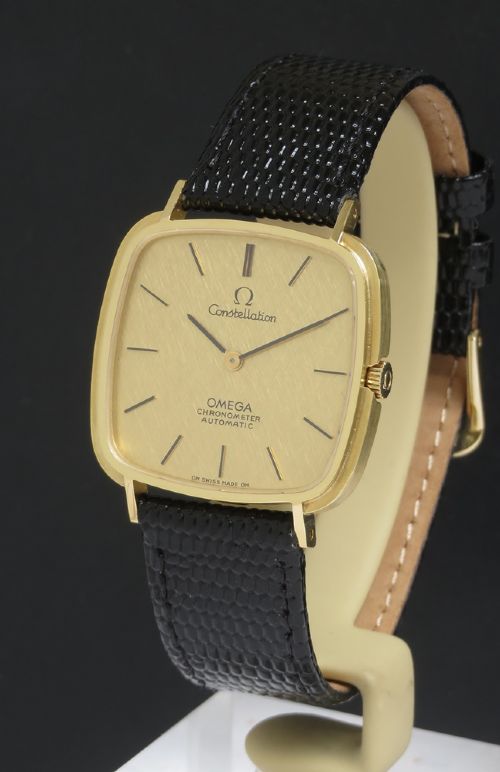
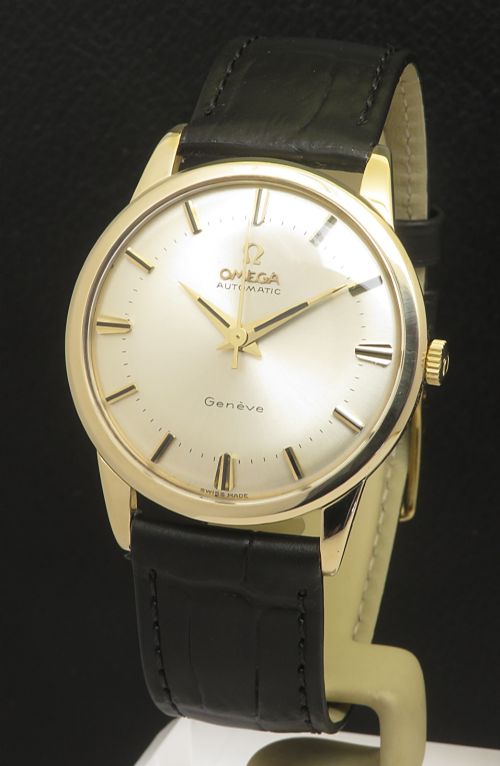
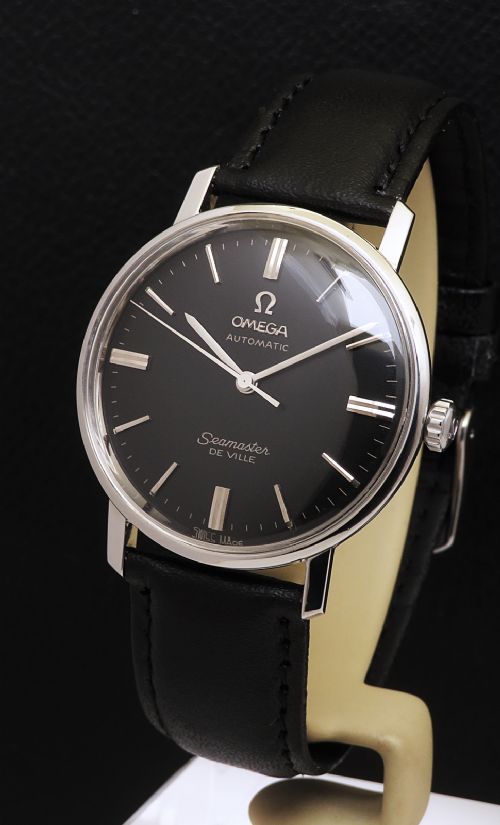
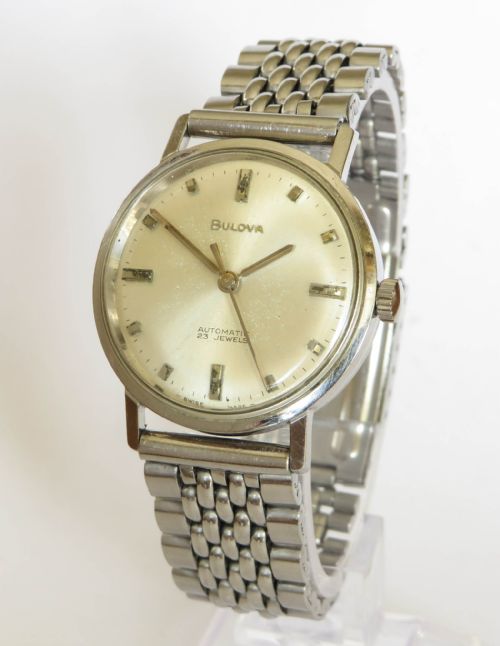
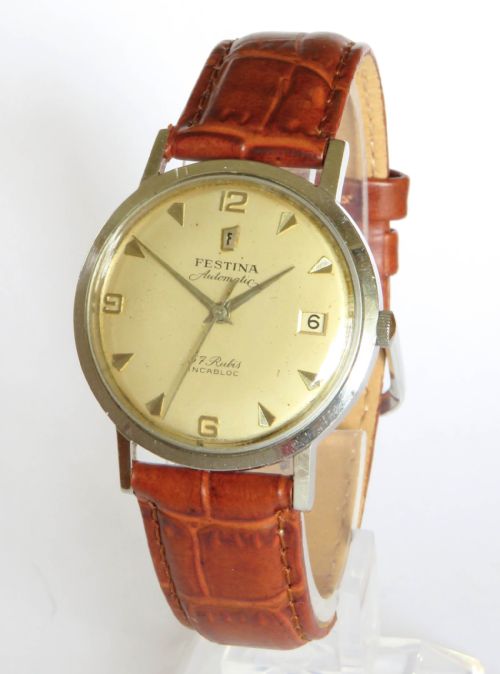
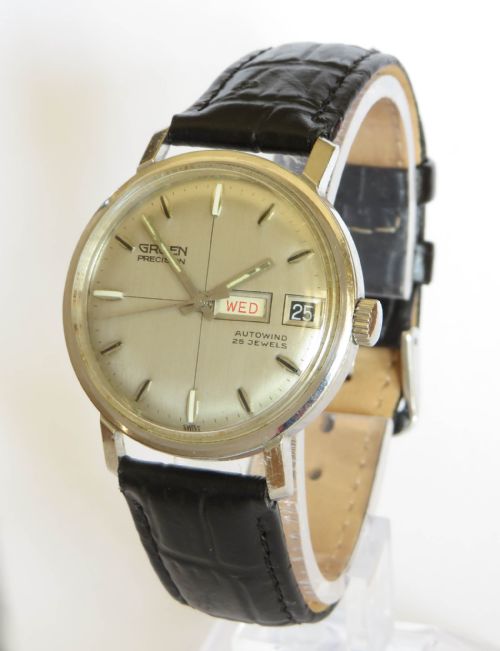
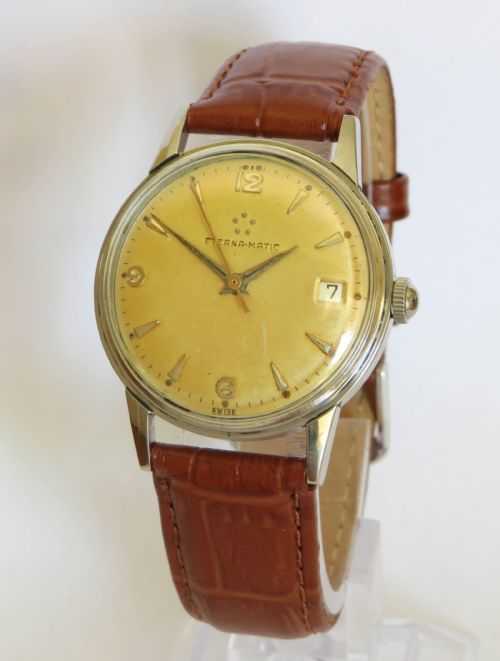
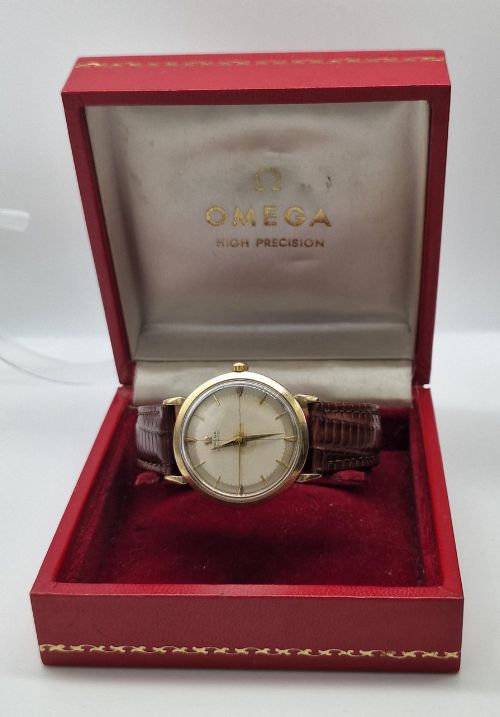
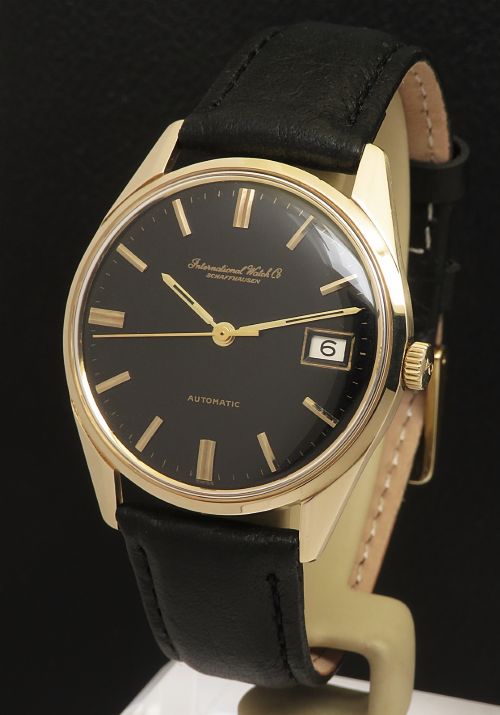
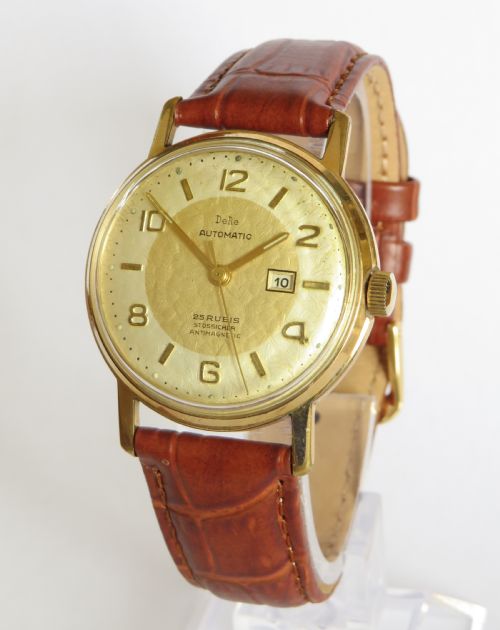
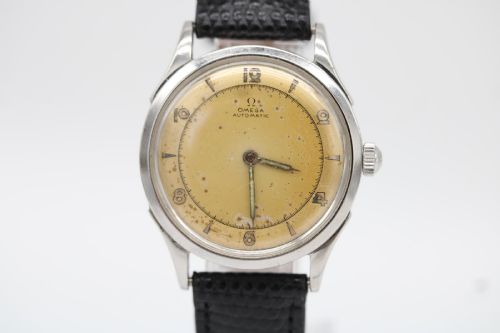
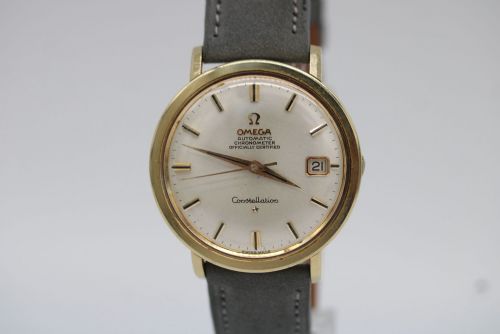
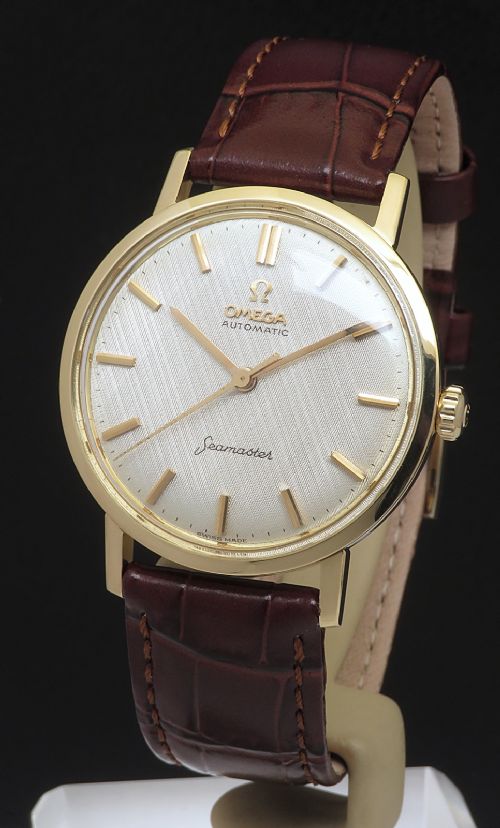
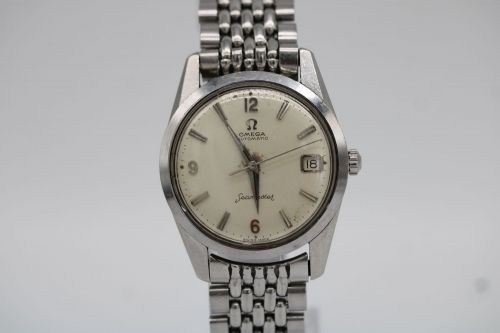
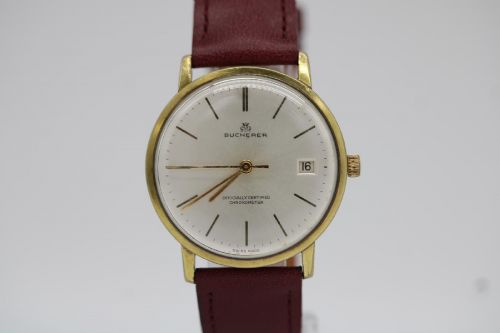
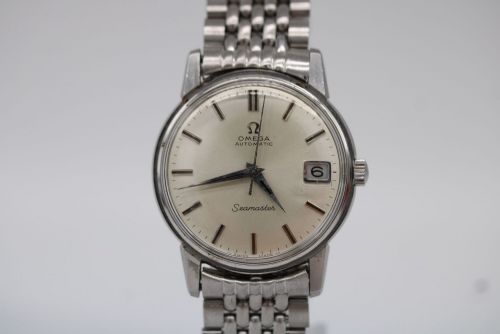
Automatic Dress Watch
An automatic dress watch delivers mid-century horology with self-winding movements housed in refined cases.
Automatic Dress Watch
An automatic dress watch combines self-winding mechanical movements with the restrained elegance required for formal wear during the mid-century period. These wristwatches are typically found from the 1940s, 1950s, and 1960s, reflecting styles such as Mid-Century Modern and Mid-Century Luxury.
Materials and construction
Cases are formed from stainless steel, gold-plated metals, and solid 9ct or 18ct gold, protecting the delicate internal mechanics. Dials are frequently paired with acrylic or acrylic glass to cover the face.
Movements rely on mechanical automatic calibre designs, including early bumper automatic systems that use a weighted rotor to wind the mainspring through wrist movement.
Materials across the selection range from everyday stainless steel and leather to solid 9ct and 18ct gold.
Assessing quality and preservation
Quality separates mass production from high-grade chronometer certification and precious metal construction like heavy 18ct gold cases. The presence of original boxes, papers, and factory components elevates the standard.
Preservation of the dial, whether patinated or pristine, alongside the mechanical integrity of the calibre determines the standing of an individual piece within its period.
Omega·Bulova·Gruen·Eterna·IWC·Bucherer·Avia·Tissot·Longines·Baume·Prisma·Wittnauer·Consul·Festina·Tudor
The Automatic Dress Watch Glossary
- Automatic
- A self-winding mechanical movement that uses the motion of the wearer's wrist to power the watch.
- Bumper automatic
- An early type of self-winding movement where the rotor swings back and forth against springs rather than rotating fully.
- Chronometer
- A high-precision watch that has been tested and certified to meet strict accuracy standards.
- Calibre
- The specific internal movement design and model number created by a watch manufacturer.
Automatic Dress Watch: Frequently Asked Questions
How do automatic watches work?
Automatic watches contain a weighted internal rotor that spins as the wearer moves their arm. This kinetic energy winds the mainspring, keeping the watch powered without manual winding.
Most pieces from this era require regular wear or a watch winder to maintain their power reserve and continue keeping accurate time.
What is a bumper automatic movement?
A bumper automatic is an earlier style of self-winding movement developed before full-rotor systems became standard. The weight inside bounces back and forth against small springs to wind the mainspring.
Wearers can often feel or hear a gentle tap on their wrist as the bumper weight moves inside the case.
How should I care for a vintage dress watch?
Vintage dress watches require gentle handling, protection from strong magnetic fields, and avoidance of moisture unless the case has been professionally sealed and tested. Leather straps should be kept dry and replaced as they age.
Routine servicing by a qualified horologist ensures the internal metal gears and automatic mechanisms remain lubricated and accurate.
How can I tell the period of a watch?
The period can often be identified through case styles, dial typography, hallmark stamps on gold cases, and movement serial numbers. Mid-century designs lean towards clean lines, minimalist markers, and distinct lugs.
Matching the movement calibre and case reference numbers helps confirm the exact decade of manufacture.