
Silver Tableware Accessories
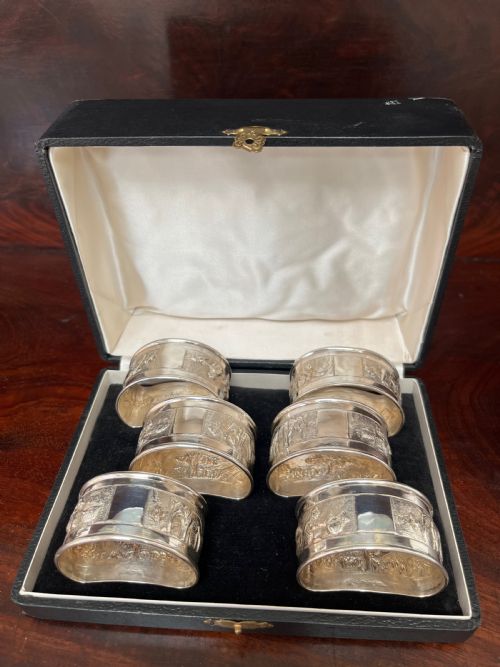
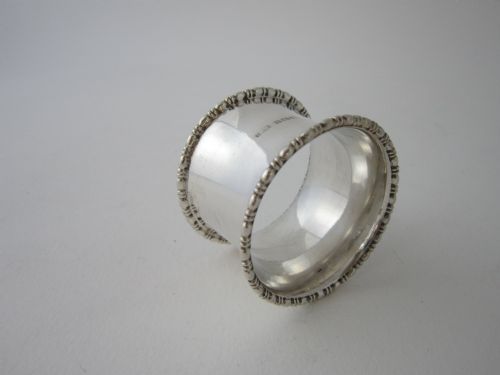
Silver tableware accessories bring domestic ritual to life, offering everything from cased napkin rings to novelty menu holders.

Silver Tableware Accessories
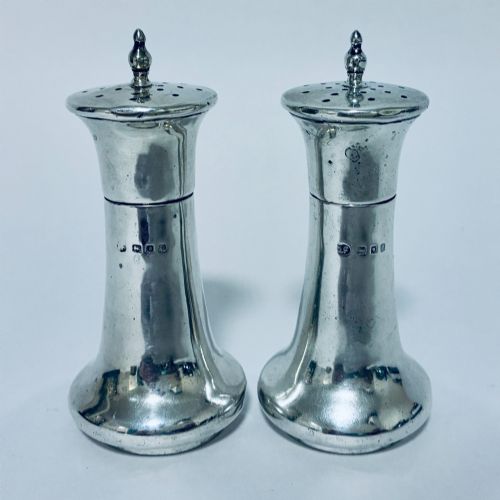
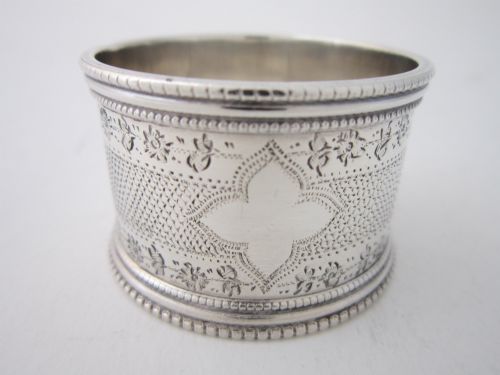
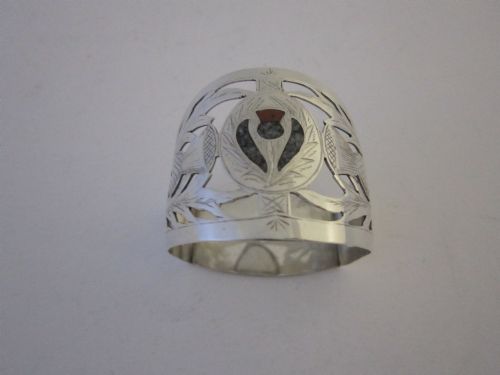
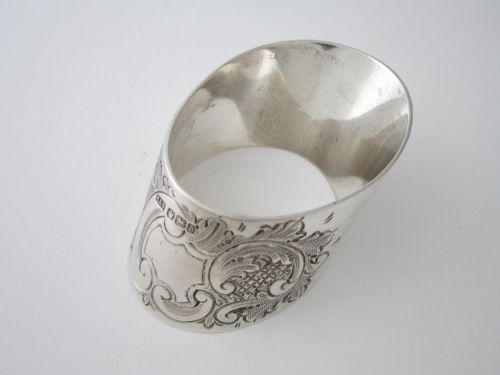
Silver tableware accessories include small functional and decorative items designed for dining tables, spanning centuries of British and continental craft. When exploring silver tableware accessories, buyers frequently encounter napkin rings, cruet sets, knife rests, and menu holders.
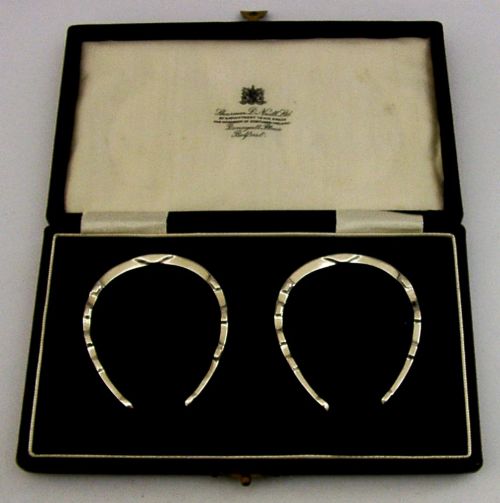
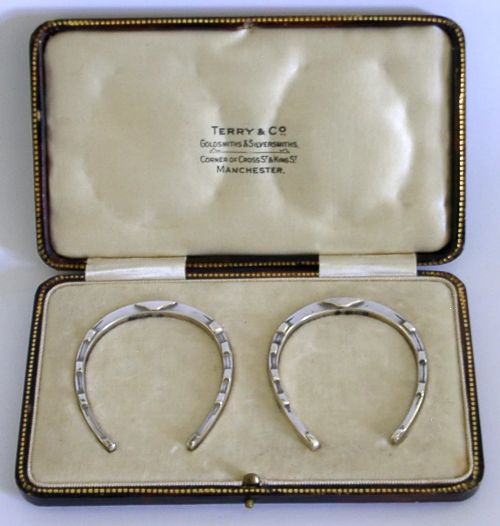
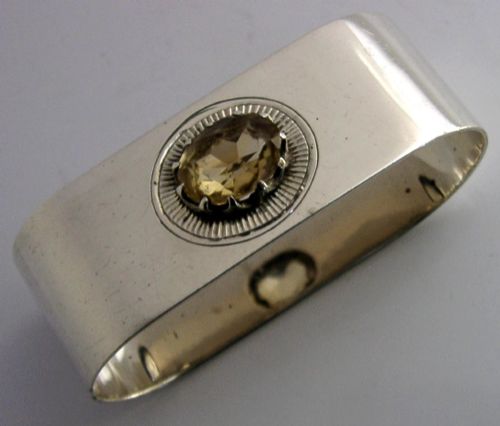
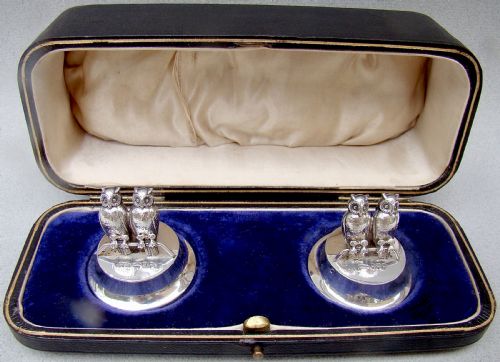
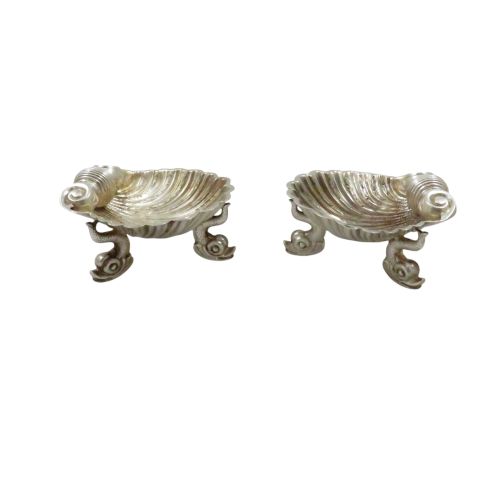
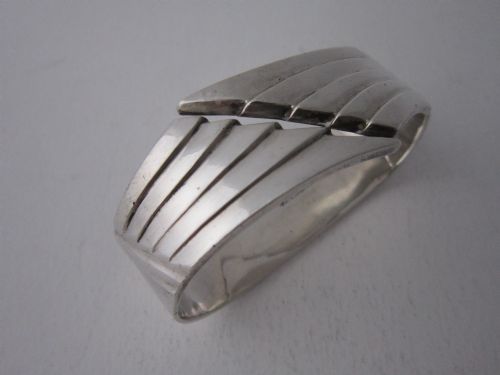
The selection ranges from Victorian salt cellars and Edwardian owl menu holders to mid-century sterling silver napkin rings and silver plate sauce boats. Pieces often arrive in original presentation cases lined with velvet, silk, or leatherette.
Originating largely from Victorian, Edwardian, and mid-century workshops, these objects served specific domestic purposes during formal meals and afternoon gatherings. Today, they furnish contemporary dining spaces with tangible history and functional elegance.
How they were made
Silversmiths utilised sterling silver and silver plate, often combining metalwork with organic materials such as glass, agate, wood, and leather. Casting, chasing, and engraving formed the structural basis for items like mustard pots, toast racks, and sugar tongs.
Specialised components incorporated contrasting textures, pairing polished silver with velvet linings in fitted presentation boxes or glass liners inside silver-plated butter dishes. Makers applied hallmarks to sterling pieces to designate metal purity, assay office, and year of production.
Silver Tableware Accessories Retail Price Guide 2026
Typical asking prices for silver tableware accessories among the pieces listed under this phrase on Sellingantiques today, from the lower quarter to the upper quarter. They describe what is for sale here now, not the wider market.
Dinners gained character through whimsical accessories like monkey sugar tongs, harlequin figures, and silver ham bone holders.
What varies in quality
Quality rests upon the crispness of chased details, such as the feathers on an owl menu holder or the links on a belt buckle napkin ring. Heavier gauge sterling silver yields a substantive feel in the hand, distinguishing superior domestic items from lighter productions.
The presence of original fitted cases, complete with intact interior fabrics and working clasps, elevates the desirability of cased sets. Maker attribution to notable silversmiths or firms adds another layer of distinction to individual items.
Levi & Salaman·Mappin and Webb·Sampson Mordan·Georg Jensen·Goldsmiths & Silversmiths Co
The Silver Tableware Accessories Glossary
- Cruet set
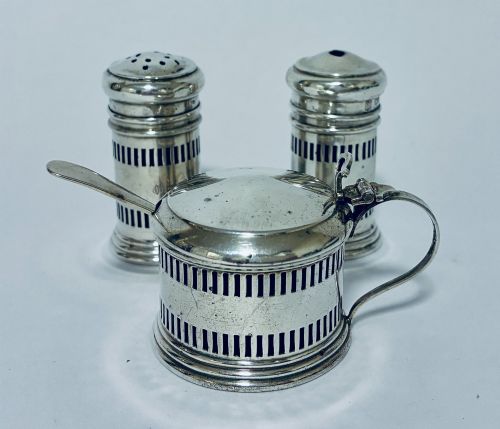
- A matched group of small containers holding condiments such as salt, pepper, mustard, and vinegar for table service. These sets sit upon small stands or trays.
- Hallmark
- An official stamp or series of marks applied to precious metals indicating standard of purity, place of assay, and date of manufacture. British sterling silver traditionally bears a lion passant.
- Knife rest
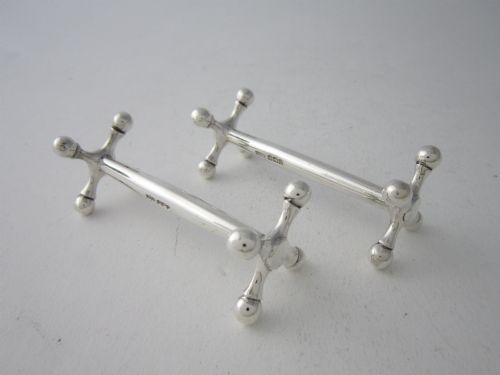
- A small horizontal support designed to keep carving or dining knives elevated above the tablecloth between courses. They prevent sauces from soiling table linens.
- Menu holder
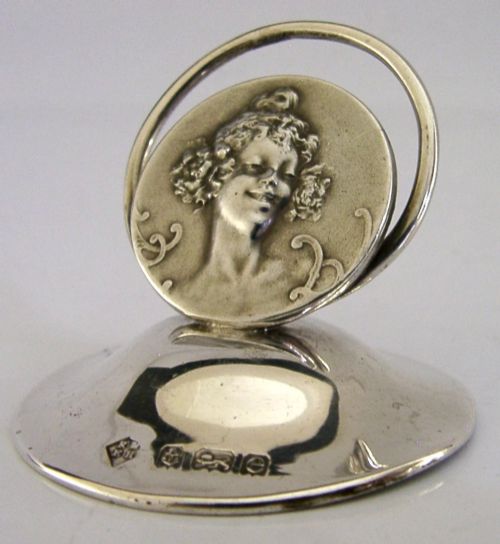
- A small upright display stand used on formal dining tables to present the menu to guests. Edwardian examples often incorporated novelty figures like animals or hearts.
- Sauce boat
- A ceramic or metal vessel shaped like a small boat with a handle and lip, used for serving gravies or sauces. They frequently include an attached or separate matching undertag.
Silver Tableware Accessories: Frequently Asked Questions
What is a silver tableware accessory?
Silver tableware accessories comprise small decorative and functional items used during dining, including napkin rings, menu holders, knife rests, and cruet sets.
These pieces enhance table settings and reflect the domestic customs of periods ranging from the Georgian era to the mid-twentieth century.
How do I care for silver accessories?
Silver accessories require gentle cleaning with appropriate silver polish to maintain their surface shine without removing fine chasing or engravings.
Storing pieces in dry environments or anti-tarnish cloths helps preserve sterling silver and silver plate finishes over time.
Are cased sets original?
Many Victorian, Edwardian, and mid-century items survive in their original fitted presentation cases lined with velvet, silk, or leatherette.
These boxes were specifically tailored to hold items like napkin rings or condiment sets securely for gifting and storage.
How do I identify the date of a piece?
British sterling silver items typically feature hallmarks that include a date letter indicating the exact year of assay and manufacture.
Stylistic cues such as Art Deco geometric lines or Victorian ornamentation also help assign pieces to broad historical periods.