


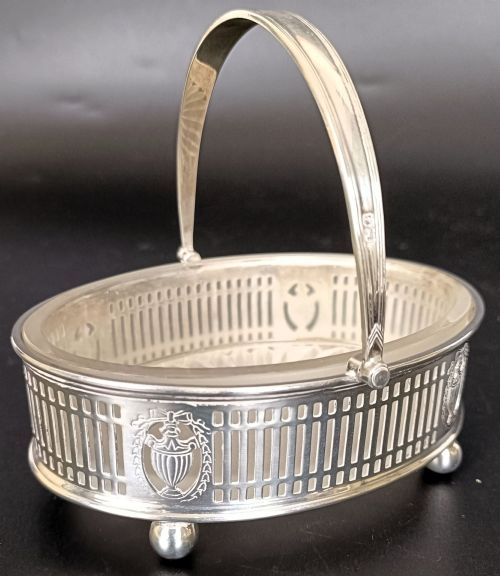
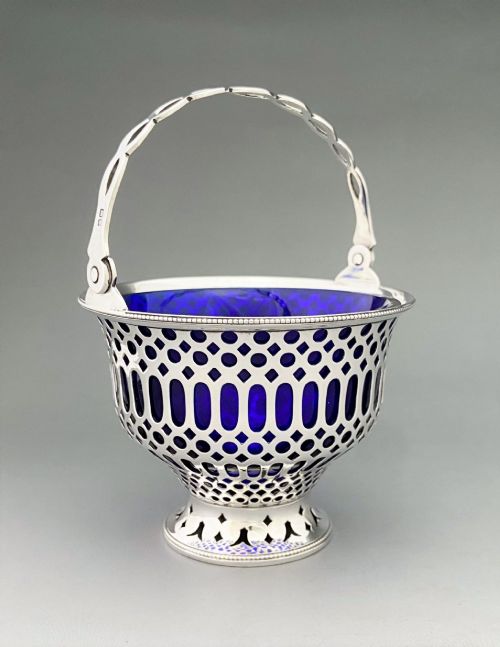
Silver Sweetmeat Basket
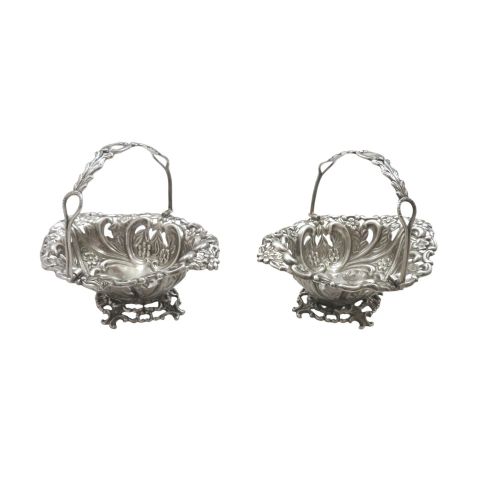
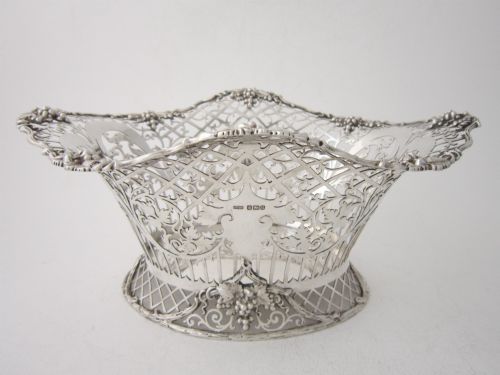
A silver sweetmeat basket is a delicate table piece designed for serving confections, most commonly found here in pierced Edwardian and Victorian sterling forms.
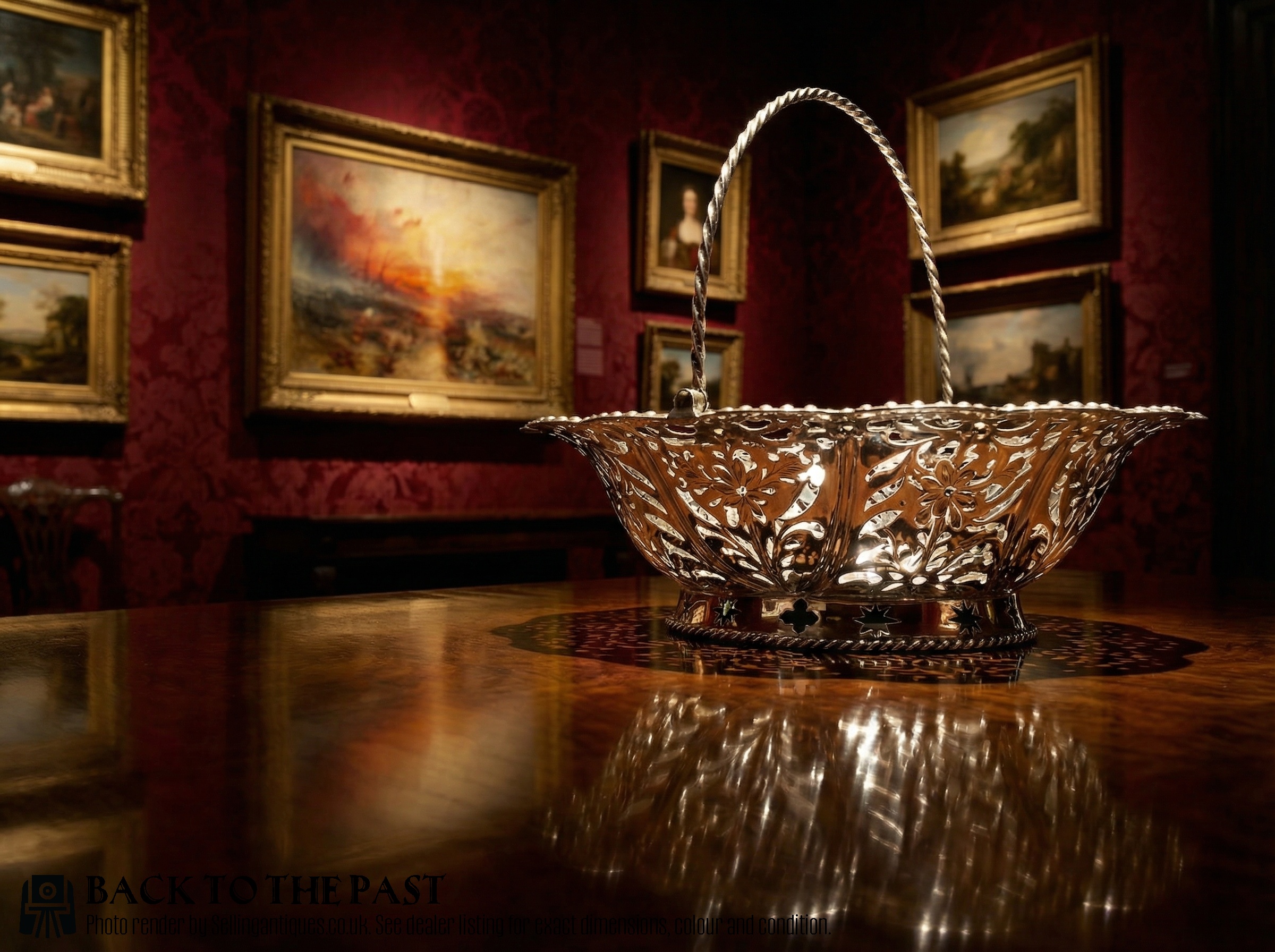
Silver Sweetmeat Basket
When searching for a silver sweetmeat basket, you are looking at small decorative tableware intended for sweet treats, nuts, or small confections on the dining table. The pieces available span several centuries, including 18th Century Georgian examples through to 19th Century Victorian and early 20th Century Edwardian items.
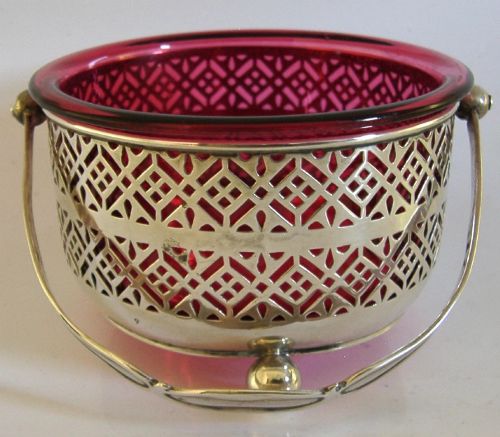
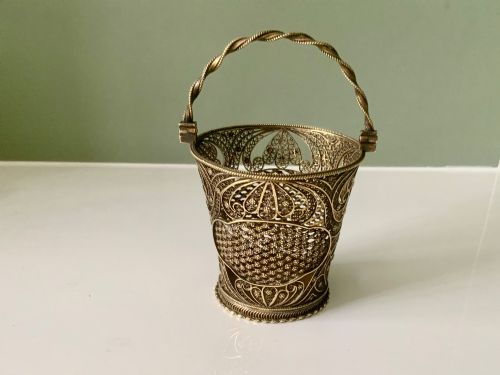
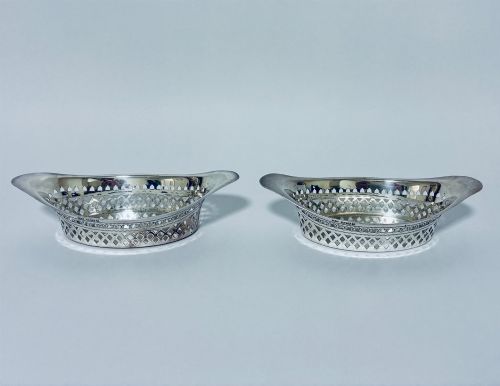
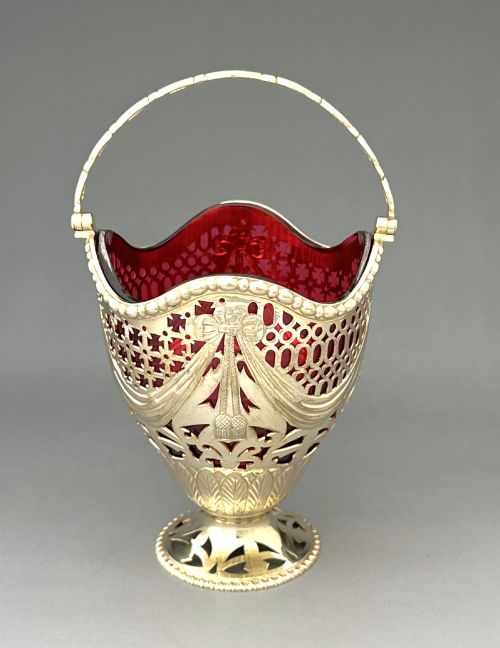
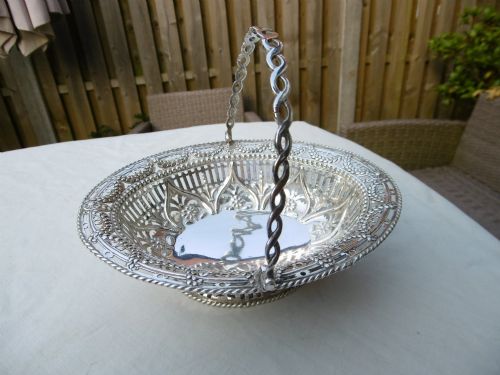
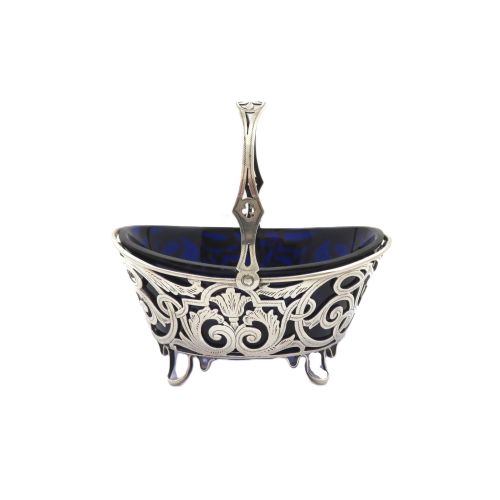
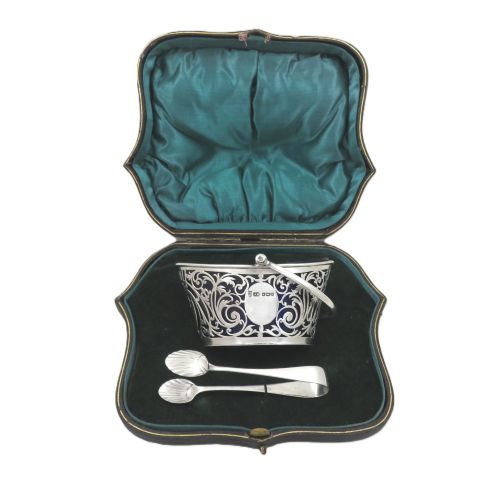
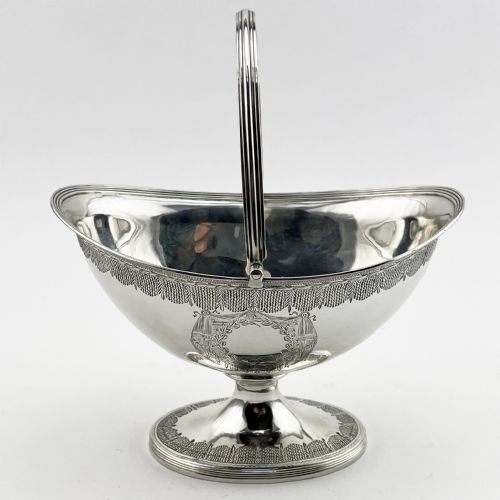
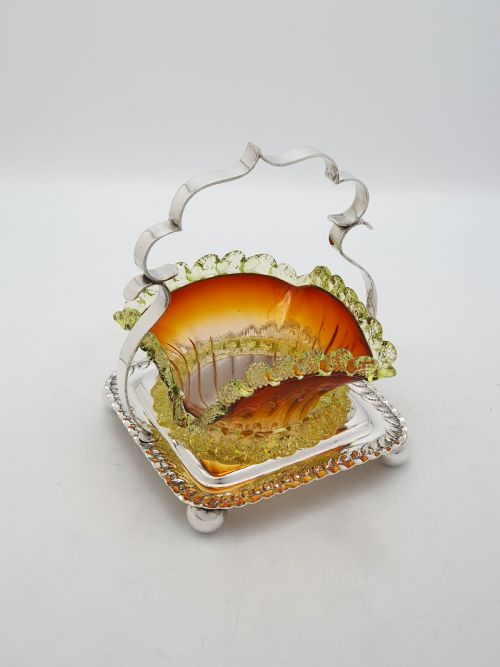
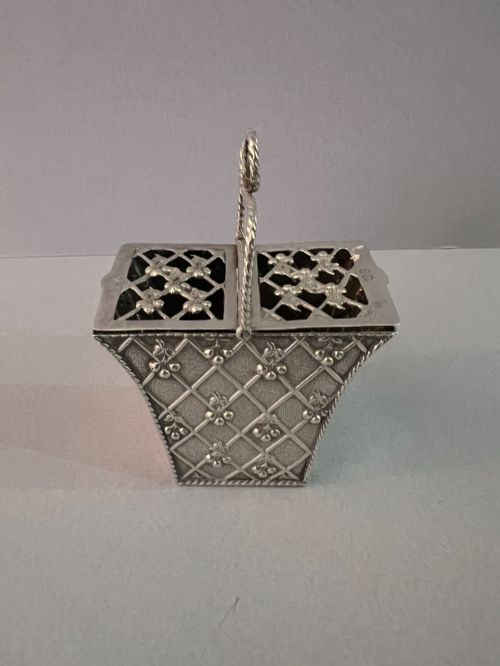
You are most likely to meet silver sweetmeat baskets featuring swing handles, openwork pierced designs, and occasionally coloured glass liners in cranberry, ruby, amber, or cobalt. Formats range from oval and round handled baskets to bonbon dishes, cream pails, and small footed bowls.
The material composition varies from solid sterling silver to silver plate and Old Sheffield Plate, with some pieces incorporating silver gilt finishes. Styles stretch across Neoclassical Revival, Art Nouveau, and George III periods alongside standard Victorian and Edwardian manufacturing.
How they were made
Silversmiths constructed these baskets using techniques such as intricate piercing, lattice work, and embossed detailing on sterling silver or silver plate. Pierced designs required careful hand-sawing or punching through the metal sheet to create geometric or floral patterns.
Many examples incorporate contrasting coloured glass liners, including cranberry, cobalt, and ruby glass, shaped to fit the interior of the basket. Swing handles were frequently attached via cast or soldered pivots, sometimes featuring cast floral motifs or reeded edges.
Silver Sweetmeat Basket Retail Price Guide 2026
Typical asking prices for silver sweetmeat basket among the pieces listed under this phrase on Sellingantiques today, from the lower quarter to the upper quarter. They describe what is for sale here now, not the wider market.
Several baskets come paired with vibrant cranberry, ruby, and cobalt glass liners that catch the candlelight.
What varies in quality
Quality in a silver sweetmeat basket rests on the crispness and complexity of the pierced work and the weight of the metal utilised. Heavier gauge silver provides a more rigid structure that resists distortion, particularly around the delicate swing handle attachments and pierced walls.
The presence of an original coloured glass liner, whether cranberry, ruby, or cobalt, elevates the completeness of the piece. Maker attribution also plays a role, with identifiable workshops and makers providing documented provenance.
Aldridge & Green·Henry Chawner·Thomas Bradbury·Fenton Brothers·William Comyns·James Deakin & Sons·William Bond·James Dixon & Sons Ltd·Martin Hall·Roberts and Belk·John Langlands II·Blow & Co·Goldsmiths & Silversmiths Co
The Silver Sweetmeat Basket Glossary
- Sweetmeat basket
- A small table vessel intended for serving sweets, candied fruits, or nuts during dessert courses. These pieces often feature swing handles and decorative pierced bodies.
- Pierced work
- An ornamental technique involving cutting or piercing patterns through sheet metal to create openwork designs. This method lightens the visual weight of the silver basket.
- Silver gilt
- Silver that has been coated with a thin layer of gold on its surface. This technique provides a warm golden interior finish to the basket.
- Swing handle
- A movable arched handle attached to the rim of the basket by pivots or hinges. It allows the handle to lie flat when the dish is placed on the table.
- Old Sheffield Plate
- An early composite material made by fusing a layer of silver to a copper base before rolling into sheets. This technique predates modern electroplating.
Silver Sweetmeat Basket: Frequently Asked Questions
What were silver sweetmeat baskets used for?
These baskets were used on the dining table to serve small sweet confections, dried fruits, almonds, or sweetmeats after the main meal. They added a decorative focal point to formal table settings.
Over time, their usage shifted from practical dining accessories to display items and collectors' cabinet pieces due to their intricate metalwork and coloured glass liners.
How do I clean a silver sweetmeat basket?
Cleaning requires a soft microfibre cloth and a mild, non-abrasive silver polish formulated to preserve the delicate pierced details and embossed decoration. Care must be taken around soldered joints and swing handle pivots.
If the basket includes a removable glass liner, such as cranberry or cobalt glass, it should be washed separately in warm soapy water rather than immersed with the silver.
How can I tell an 18th century basket from a later one?
Eighteenth century examples, such as those from the Georgian period, often exhibit hand-pierced Neoclassical designs, lighter gauge sterling silver, and specific maker's marks characteristic of the era. They frequently rely on classical urn and swag motifs.
Later Victorian and Edwardian pieces tend to feature heavier cast elements, different handle attachment mechanisms, and distinct Birmingham or Sheffield hallmarks that date the exact year of assay.
Can I use these baskets for daily dining?
While these pieces were originally created for functional use, their antique status and delicate pierced construction mean modern owners often reserve them for special occasions or display. Solid silver and silver plate can handle careful use, but glass liners require extra caution.
Placing dry items or using protective pads inside the glass liner helps prevent scratching or damage to fragile historical tablewares during handling.