

Silver Pocket Snuff Box
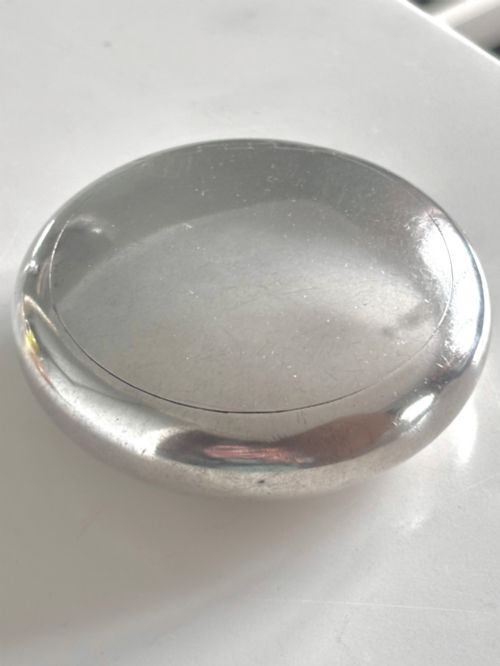
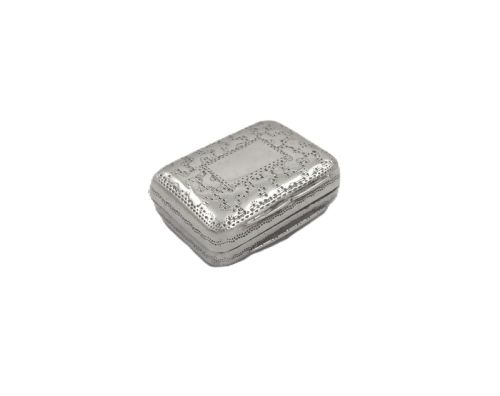
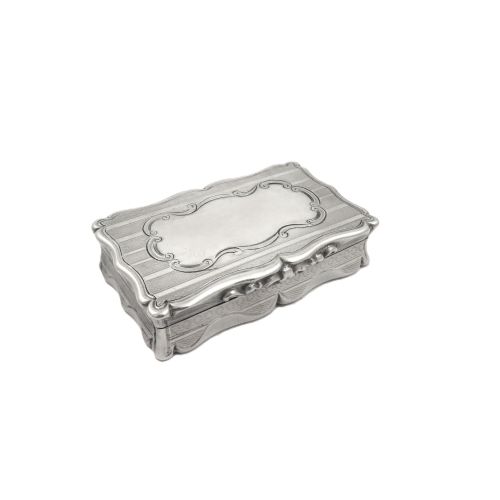
A silver pocket snuff box is a compact personal container for tobacco, bringing Georgian and Victorian metalwork directly to the hand.
Silver Pocket Snuff Box
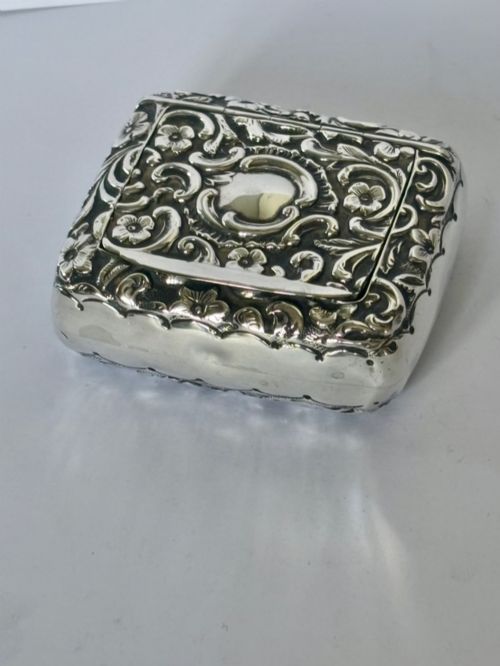
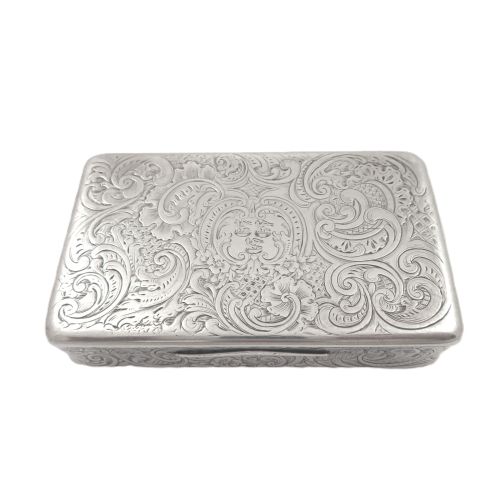
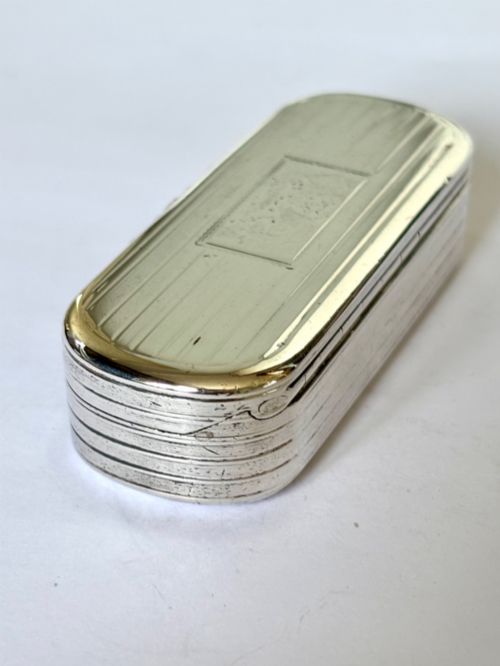
A silver pocket snuff box represents a portable container designed for powdered tobacco, encompassing forms from simple rectangular cases to double-lidded compartments. Buyers examining this page encounter pieces originating primarily from the Georgian, Victorian, and Edwardian periods, alongside occasional Regency and later examples.
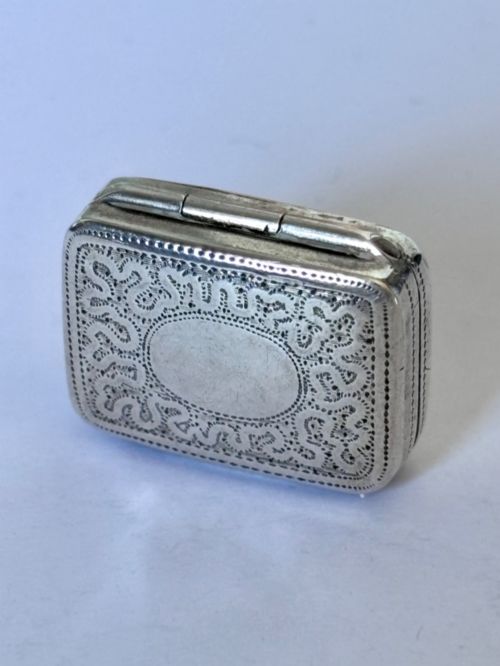
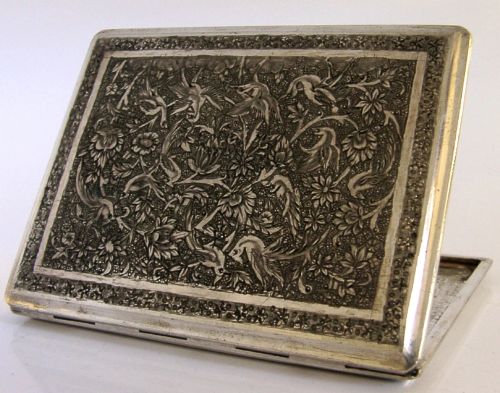
The objects span diverse functional types including standard snuff boxes, vinaigrettes with internal pierced grilles, tobacco boxes, and combination pieces housing pill holders or vestas. Most items on display emerge from British assay offices, though continental and Ottoman variations appear among the selection.
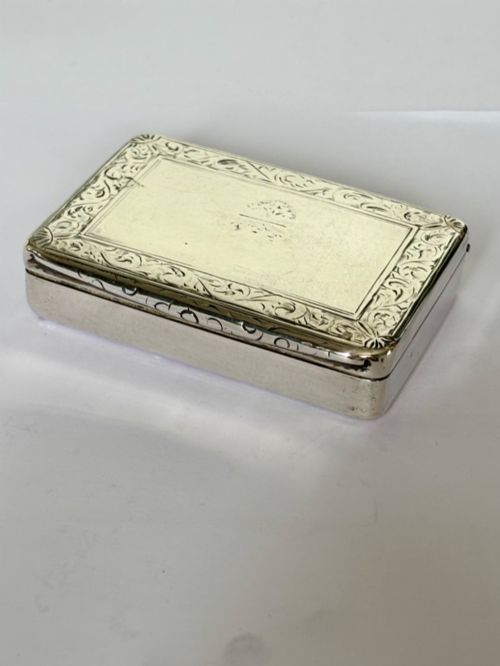
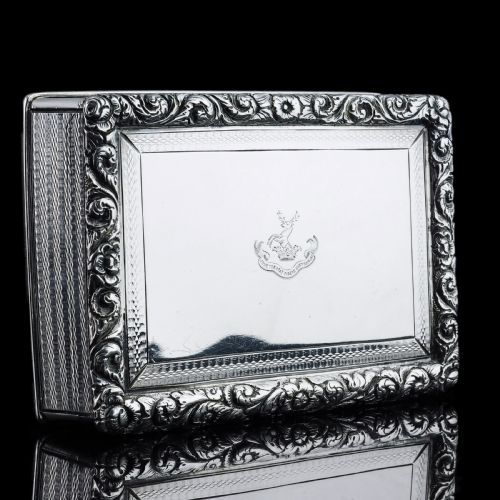
Choosing a specific piece involves balancing the tactile weight of sterling silver or silver-gilt against the decorative execution of chased borders, embossed scenes, or inlaid agate panels. The surviving items reflect personal accessories carried daily in waistcoats and pockets.
Materials and construction methods
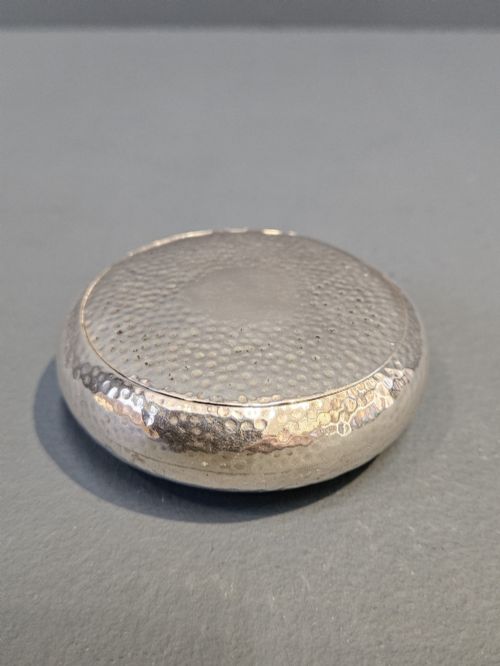
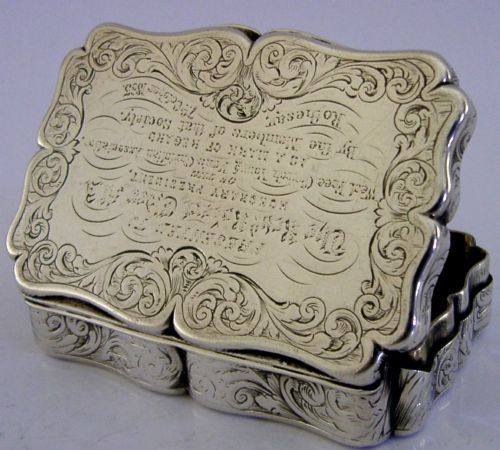
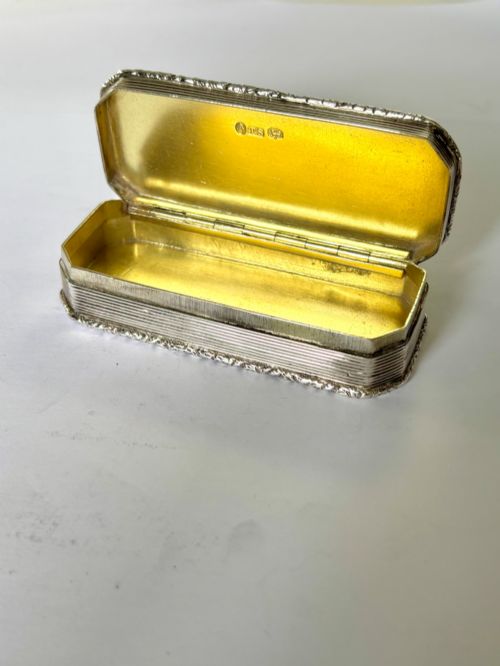
Silversmiths utilised sterling silver, silver-gilt, and vermeil, often combining bright-cut engraving, cast mounts, and planished surfaces to finish the exterior. Interiors frequently received a gilt wash to protect the base metal from the corrosive properties of tobacco.
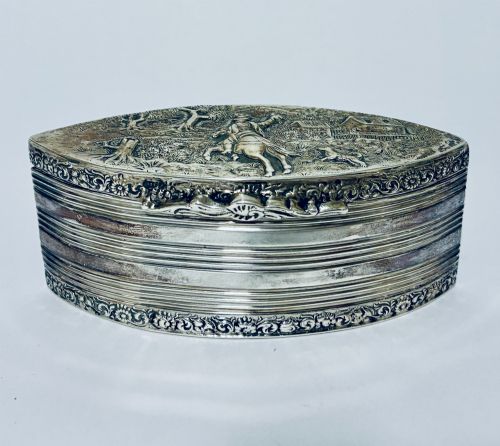
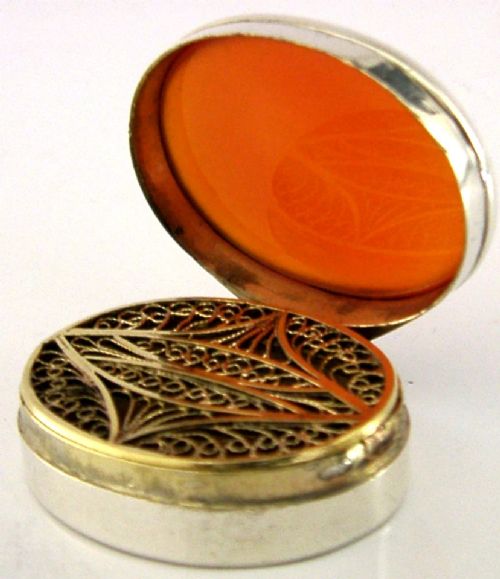
Specialised techniques included repoussé and chasing to create raised floral borders or figural scenes, alongside the integration of natural materials such as orange agate or tortoiseshell panels.
Hinges and snap-closures required precise fitting to ensure a secure pocket seal, while internal vinaigrettes incorporated hinged, pierced grilles to hold perfume-soaked sponges.
Listings feature sterling silver, silver gilt, agate, tortoiseshell, and enamel across Georgian, Victorian, and Edwardian periods.
Factors determining quality
Quality rests upon the crispness of the chasing and engraving, where deeper, hand-cut botanical or figural details demonstrate superior artisan skill compared to shallow stamping.
The integrity of the construction governs the handling experience, visible in the snug alignment of the lid, the tension of the hinge, and the weight of the cast silver body.
Internal gilding preservation and the quality of supplementary materials, such as finely figured agate or unblemished enamel, elevate the standing of an individual piece.
Mappin & Webb·Henry Matthews·Thomas Johnson·Robert Thornton·Thomas Shaw·Edward Smith·Joseph Willmore·Samuel Pemberton·William Eaton·John Shaw·Taylor & Perry
The Silver Pocket Snuff Box Glossary
- Vinaigrette
- A small hinged box containing a perforated internal grille that held a vinegar-soaked sponge for freshening the air.
- Silver-gilt
- Silver that has been coated with a thin layer of gold on its surface, often applied to the interior of boxes to prevent tarnishing from tobacco.
- Planished
- A metal surface finished by hammering with a smooth-faced tool, leaving subtle, uniform facets across the exterior.
- Bright-cut engraving
- A surface decoration technique using faceted cuts to reflect light from shallow angled trenches carved into the metal.
- Repoussé
- A metalworking method where the design is hammered into relief from the reverse side of the sheet.
Silver Pocket Snuff Box: Frequently Asked Questions
What is a silver pocket snuff box used for?
These boxes held dry, scented tobacco powder intended for inhalation through the nose, a widespread social habit during the eighteenth and nineteenth centuries.
Owners carried them in pockets or waistcoats for quick access during social gatherings and daily business.
How do I date a silver snuff box?
British pieces typically bear hallmarks stamped directly into the metal, including assay office marks, date letters, and maker's stamps.
Comparing these punches against official registry records reveals the exact year and location of manufacture.
How should I clean antique silver boxes?
Light dusting with a soft, dry microfiber cloth removes everyday surface dust without harming delicate engraving or gilding.
Harsh chemical dips and abrasive polishes should be avoided to preserve the original patina and hallmark stamps.