
Silver Pocket Safe
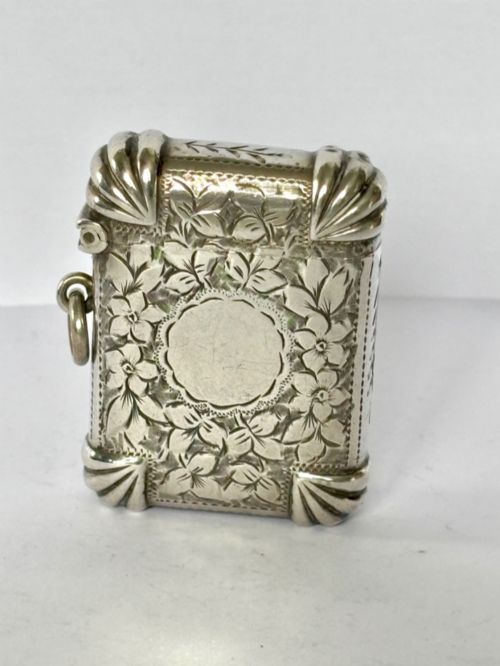
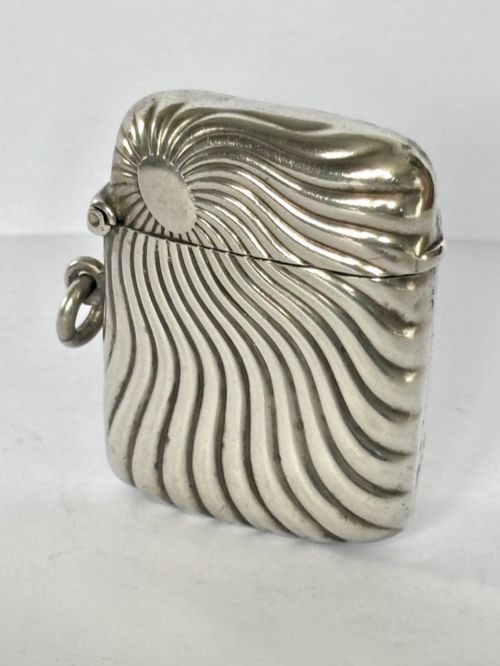
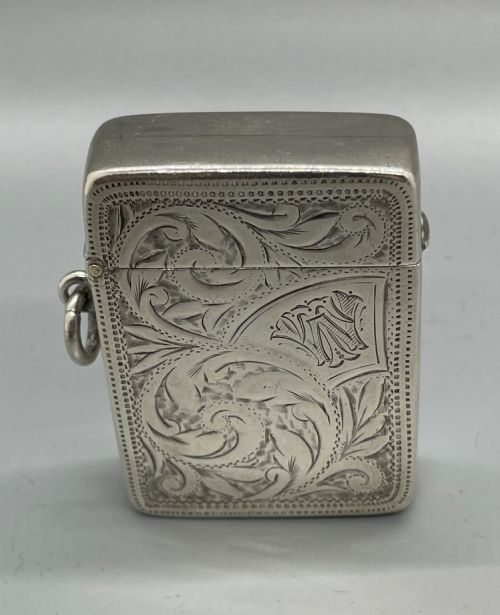
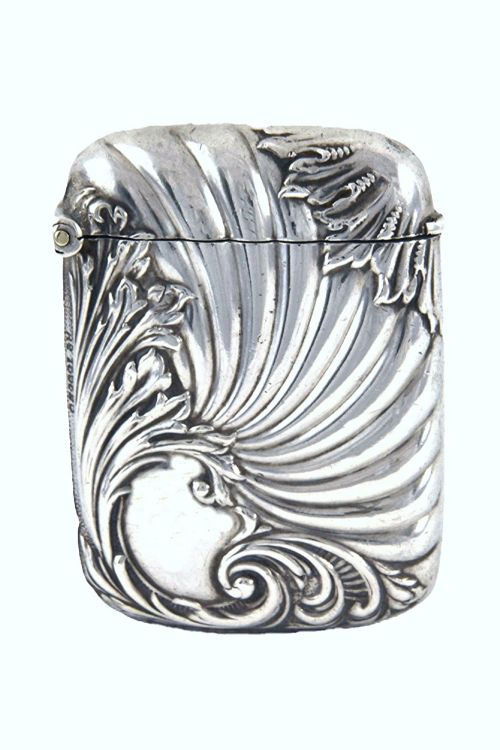
A silver pocket safe, often termed a vesta case, is a small metal container made to carry matches safely in a waistcoat pocket.
Silver Pocket Safe
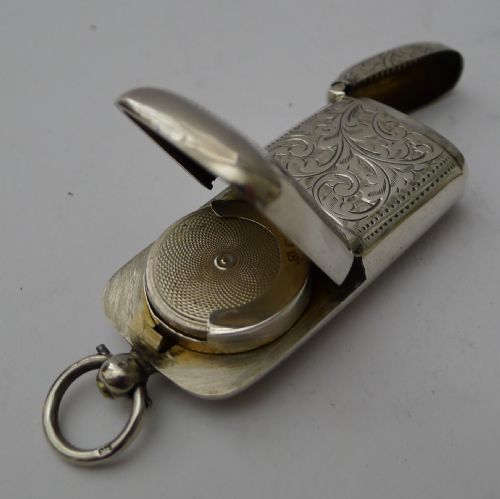
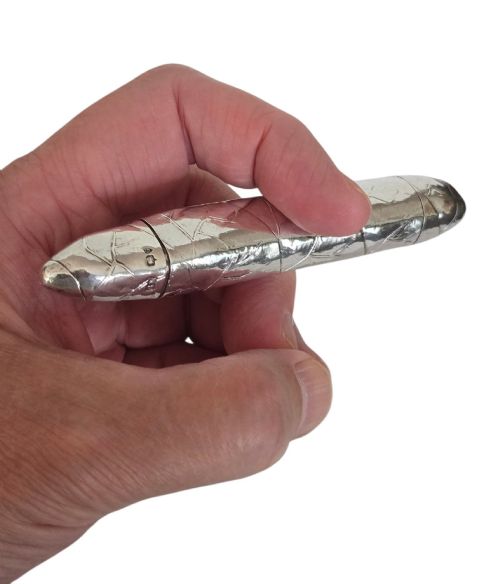
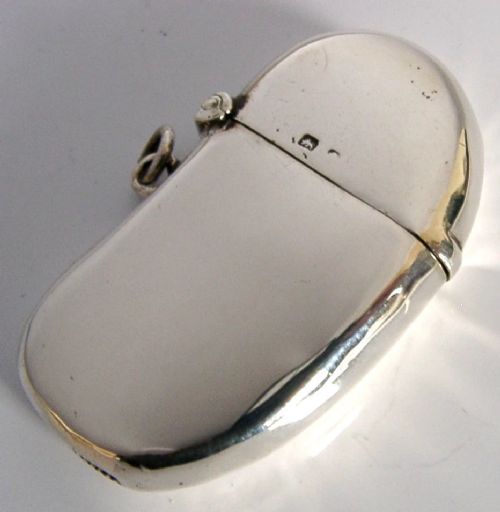
A silver pocket safe is primarily encountered as a Victorian or Edwardian vesta case, designed to hold matches securely alongside other small personal items. These pieces frequently appear in standard rectangular forms, alongside kidney shapes and novelty designs shaped like animals or everyday objects.
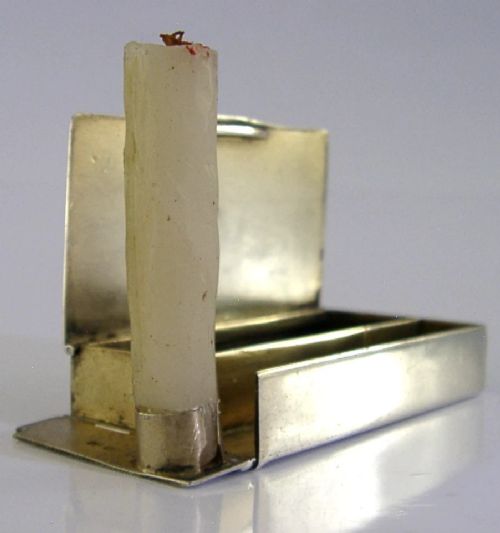
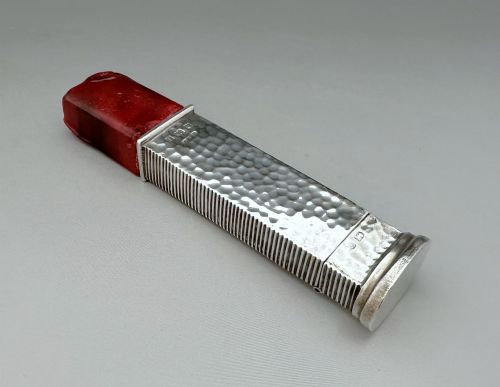
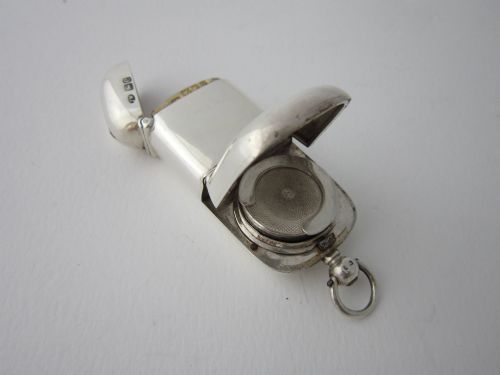
Many examples function as combination pieces, housing sovereign holders, photo frames, wax tapers, or compartments for sealing wax. The selection spans standard engine turned items as well as specialised presentation pieces carrying crests and engravings.
How they were made
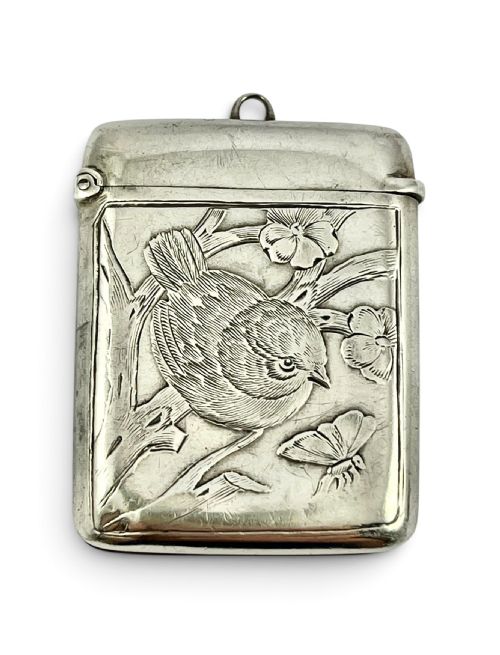
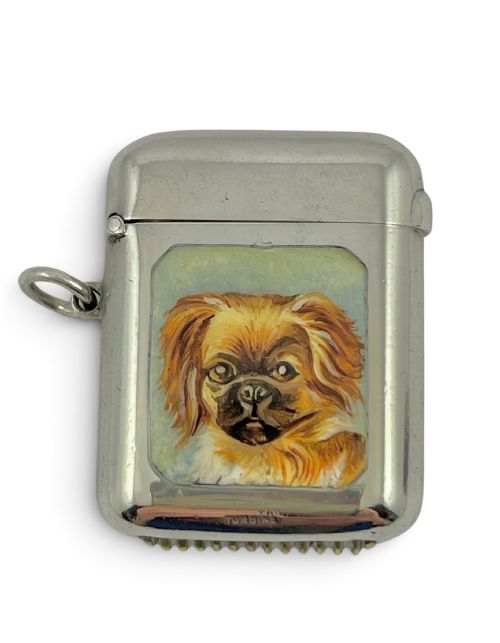
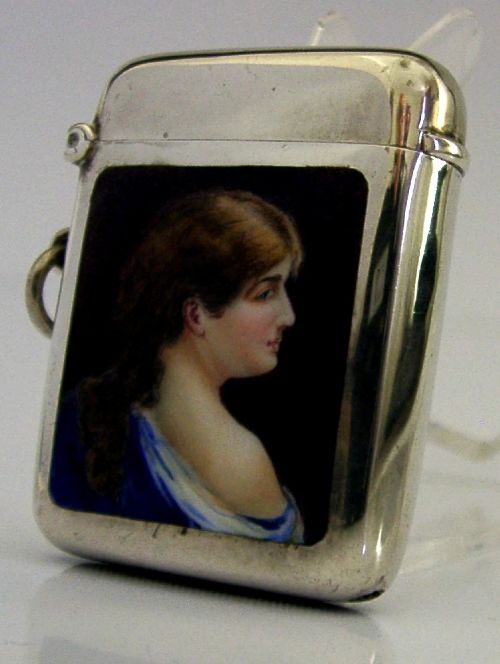
Makers constructed these items predominantly from sterling silver, occasionally applying silver gilt or rose gold accents, and pairing the metal with vitreous enamel for decoration. Hand painted scenes, enamel crests, and detailed relief work were added to the exterior surfaces.
Techniques ranged from standard spatial stamping and hinged lid assembly to complex novelty casting and miniature portrait painting beneath protective enamel layers.
Listings feature sterling silver, enamel, and rose gold across Victorian, Edwardian, and Art Deco periods.
What varies in quality
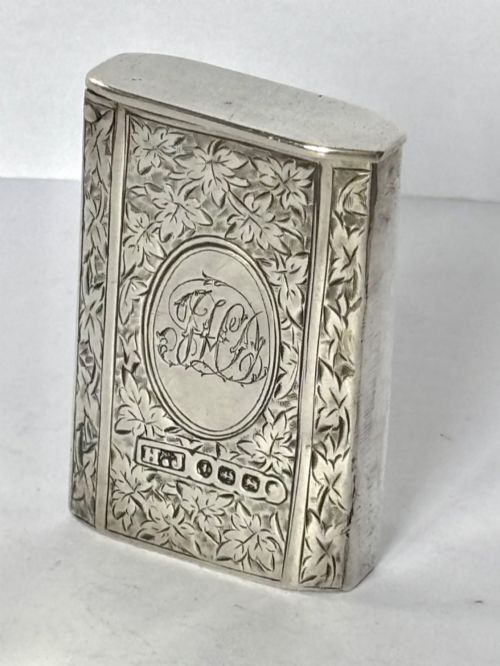
Quality rests upon the crispness of the hallmarking, the precision of the hinge and snap closure, and the depth of the engraving or relief modelling. Novelty forms and hand painted enamel decoration command greater distinction due to the skill required in their execution.
Standard engine turned pieces rely on geometric regularity, whereas bespoke presentation pieces depend on the provenance and the detail of the heraldic work or portraiture.
Sampson Mordan & Co·A & J Zimmerman·EV Pledge & Son·Robert Chandler·William Neale·Robert Pringle·Alfred Clark·Minshull & Latimer·J.B. Bennet·William Hair Haseler
The Silver Pocket Safe Glossary
- Sovereign case
- A small round container made to hold gold sovereign coins. Many pocket safes combine this function with a vesta compartment.
- Silver gilt
- Silver that has been coated with a thin layer of gold on its surface. This technique provides a contrasting warm hue to the interior or exterior.
- Vitreous enamel
- Glass fused to metal through high temperature firing. It supplies durable colour and detailed painted imagery to the silver body.
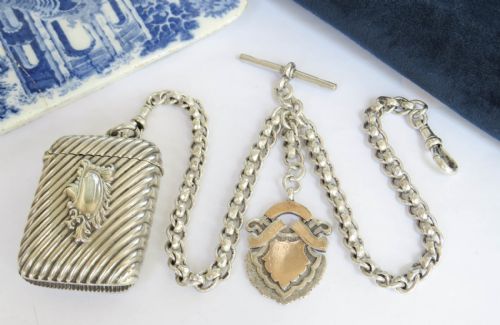
- Watch albert
- A chain used to attach a pocket watch to a waistcoat. Pocket safes frequently hang from these chains alongside watch fobs.
Silver Pocket Safe: Frequently Asked Questions
What is a silver pocket safe used for?
These pieces were originally carried in pockets to store matches safely and prevent them from dampness or accidental friction. Many also served dual purposes, incorporating compartments for gold sovereigns, photographs, or wax tapers.
Today, collectors use them as pocket accessories or display them as examples of miniature Victorian and Edwardian metalwork.
How do I tell a Victorian vesta from an Edwardian one?
Dating relies primarily upon the hallmarks stamped into the silver, which record the assay office, date letter, and maker's mark. Examining the style provides further clues, as Victorian pieces often feature heavy ornamentation or novelty animal shapes, while Edwardian examples lean towards lighter forms and tailored enamel crests.
Looking closely at the hallmarks allows a precise year to be identified using standard British assay tables.
Can I still use an antique vesta case daily?
While these containers remain robustly made from sterling silver, daily use subjects fragile elements like hinges, snap closures, and hand painted enamel to wear. Many collectors prefer to handle them with care or keep them as display pieces rather than carrying matches in them regularly.
Ensuring the spring lid still snaps shut securely is essential if you intend to carry small items inside.
Why do some vesta cases have textured bases?
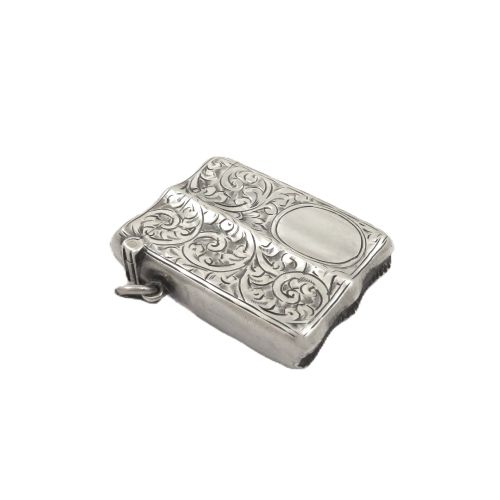
The textured pattern, often called a strike, provides a rough surface required to ignite early safety matches. Makers incorporated this directly into the base or side of the silver body so the match could be struck immediately upon removal.
This practical feature distinguishes true match safes from general pill boxes or trinket containers.