

Silver Plated Table Centrepiece
A silver plated table centrepiece anchors a dining table with height, candlelight or formal display, bringing Victorian, Edwardian and Georgian ceremony to modern rooms.
Silver Plated Table Centrepiece
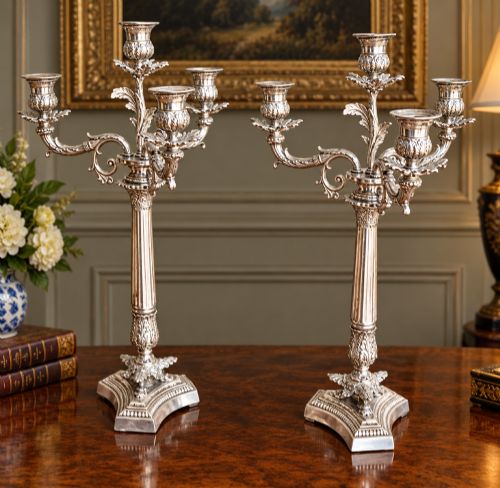
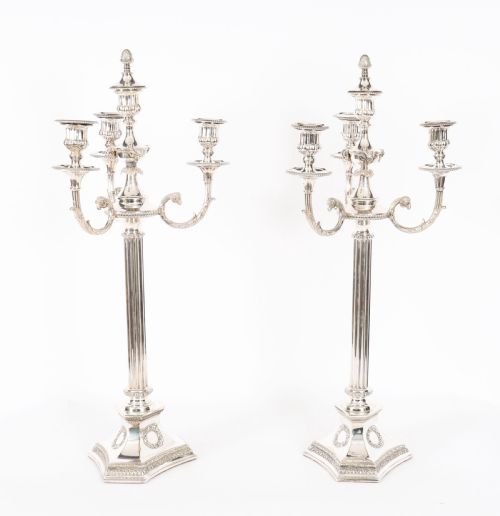
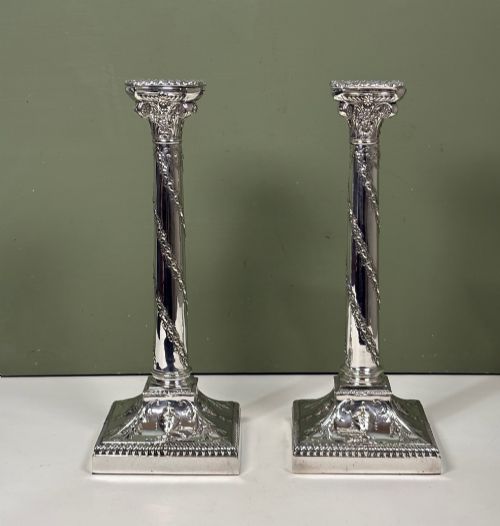
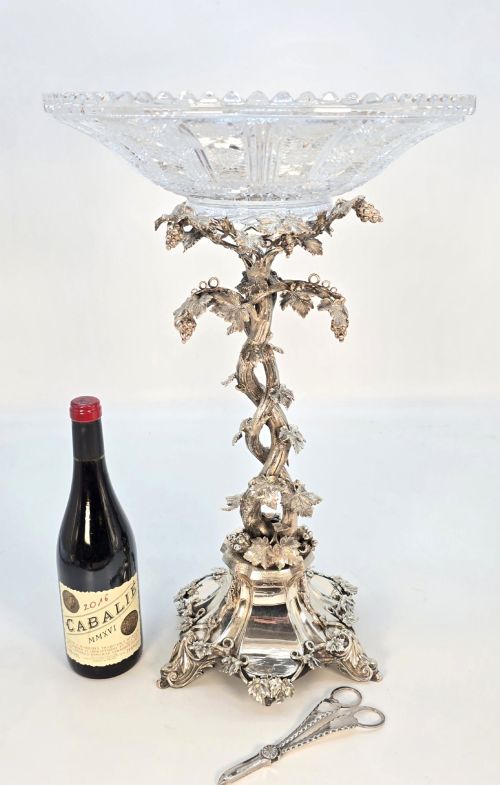
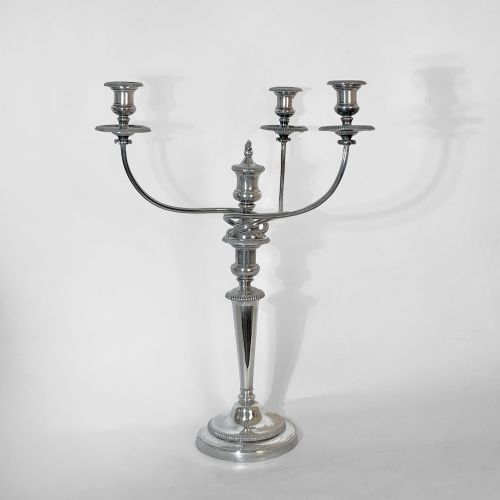
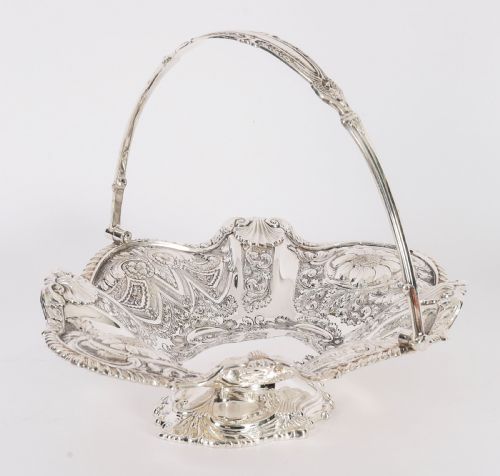
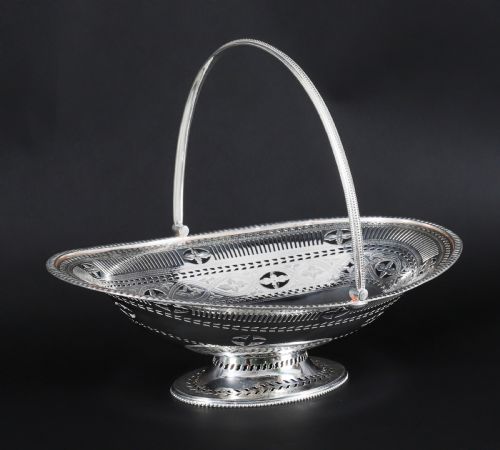
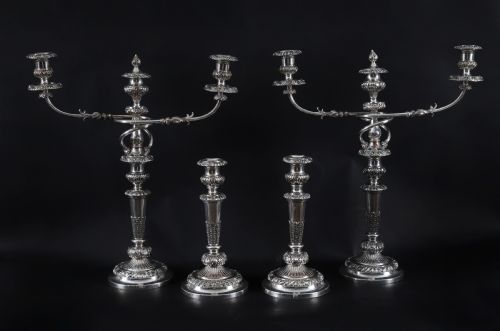
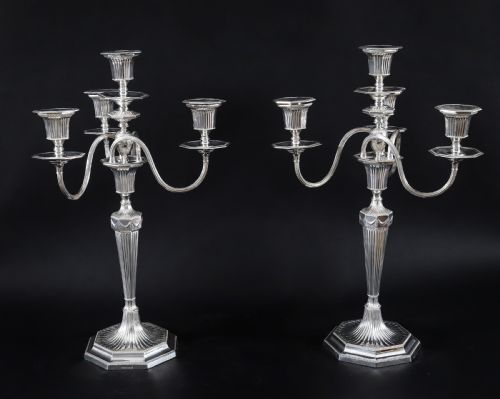
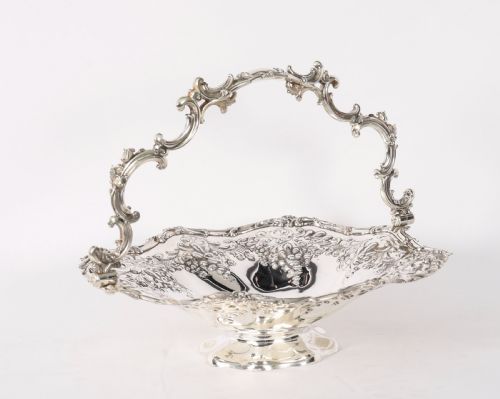
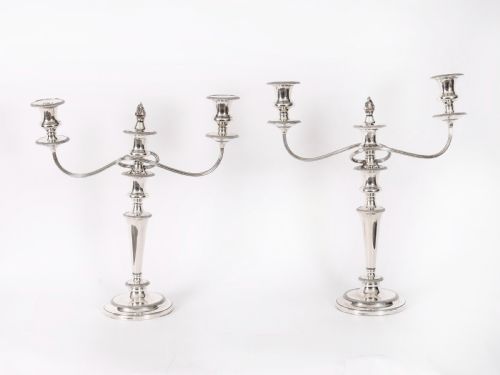
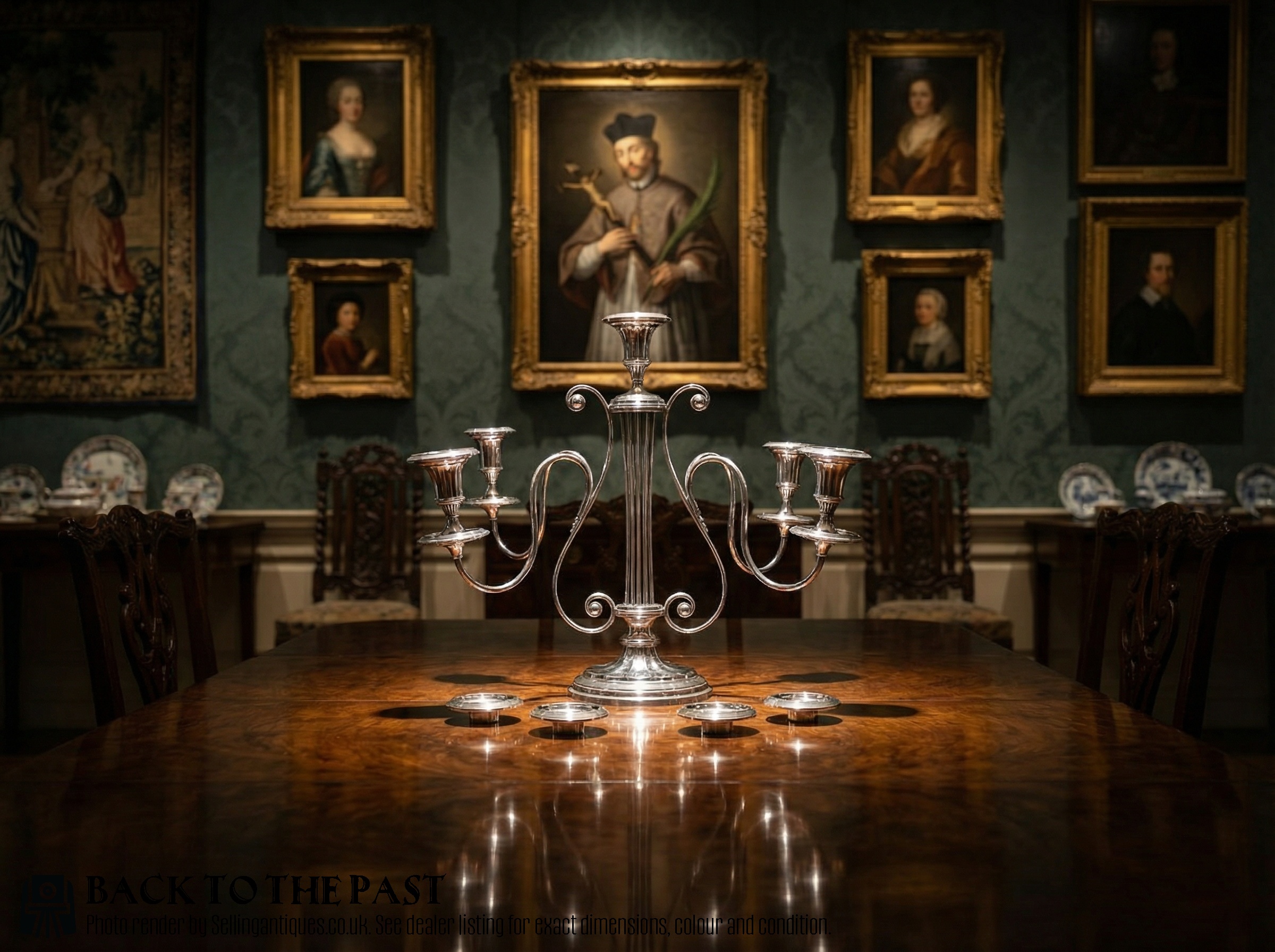
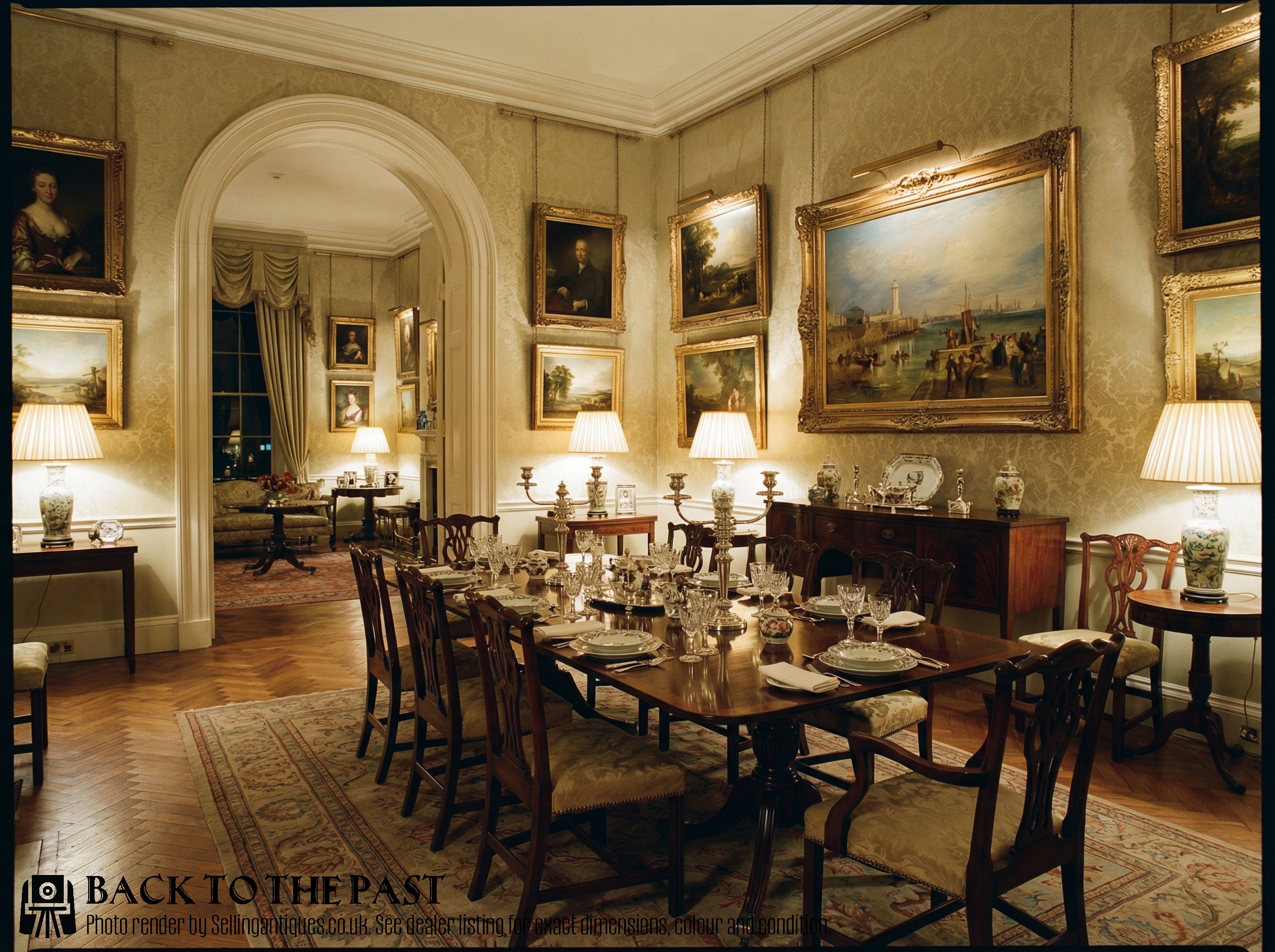
A silver plated table centrepiece brings a formal focal point to dining arrangements, encompassing large branched candelabra, fruit baskets, and glass-lined epergnes. The selection spans the eighteenth century through to the Edwardian period, recording Georgian Sheffield plate, Victorian naturalism, and Art Nouveau fluid forms.
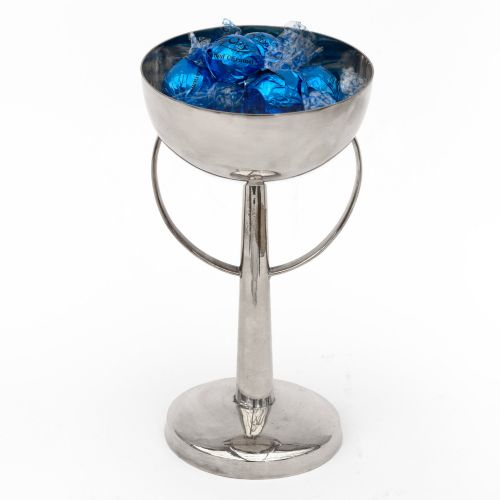
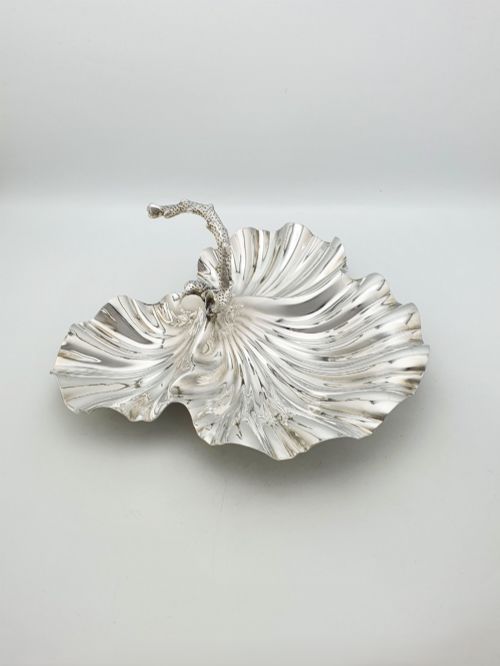
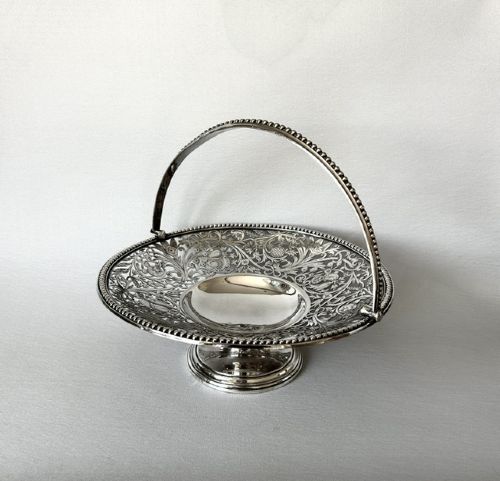
Candelabra and multi-piece suites dominate the heavier architectural end, whilst baskets and dishes utilise cut glass, ruby glass, and amber inserts for colour. These objects served to hold fruit, flowers, or light, functioning as the sculptural centre of dining room hospitality.
How they were made
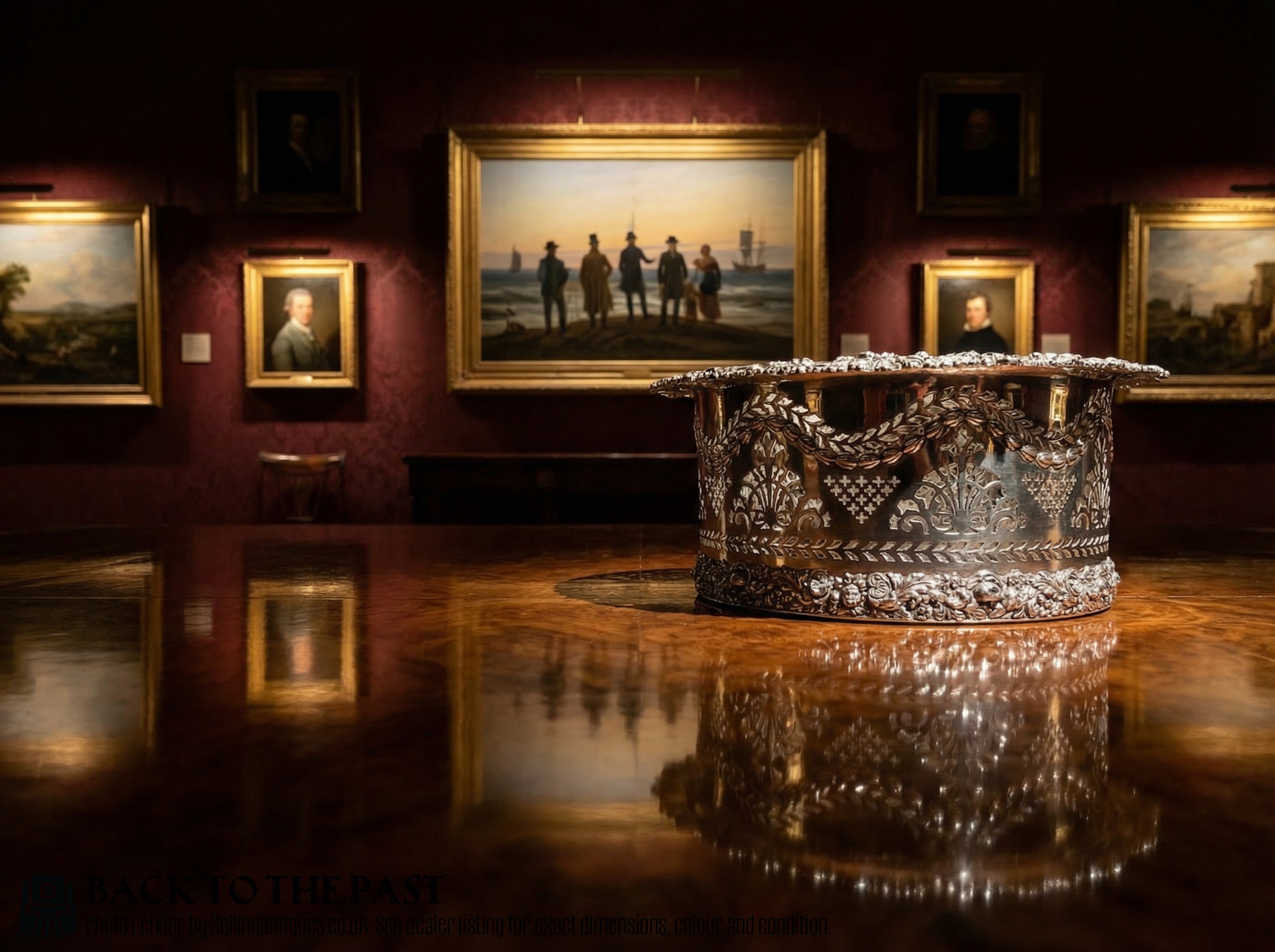
Makers fused a thin sheet of silver to a thicker copper ingot through heat and pressure in Old Sheffield Plate, or applied silver electrochemically onto a base metal of nickel silver or copper in later EPNS pieces. Piercing, chasing, and repoussé techniques shaped the metal frames, creating floral rims, scrollwork, and neo-classical swags.
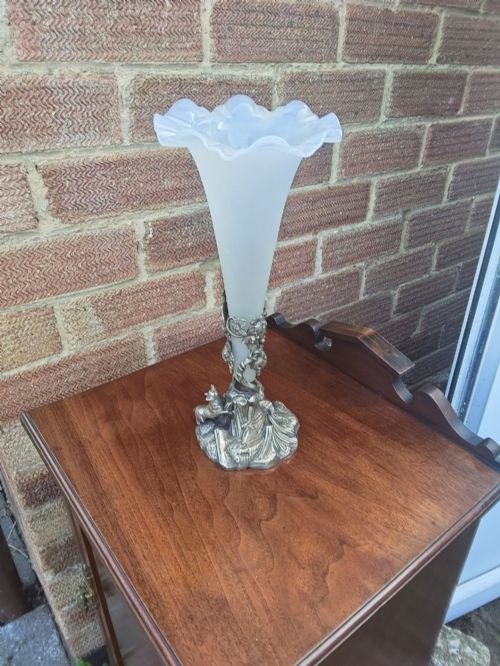
Glass liners, bowls, and inserts were blown and cut, often featuring ruby, amber, green vaseline, or opaque white glass fitted directly into the metal frameworks. Silver gilt highlights and cast metal mounts provided additional contrast and structural stability to complex candelabra and epergnes.
Silver Plated Table Centrepiece Retail Price Guide 2026
Typical asking prices for silver plated table centrepiece among the pieces listed under this phrase on Sellingantiques today, from the lower quarter to the upper quarter. They describe what is for sale here now, not the wider market.
Dining tables gained animated charm from articulated metal swans and squirrel nut dishes serving as whimsical centrepieces.
What varies in quality
The crispness of the cast ornamentation and the depth of the hand-chased relief separate standard commercial items from workshop pieces bearing maker marks. Heavier gauge metalwork resists distortion, keeping multi-light candelabra balanced and straight.
The integrity of the original plating determines visual continuity, alongside the preservation of matching cut or coloured glass inserts that fit the specific frame without movement.
George W. Scott & Sons Ltd·Hawksworth Eyre·Garrard & Co·Matthew Boulton·Mappin & Webb·WMF
The Silver Plated Table Centrepiece Glossary
- Old Sheffield Plate
- A method of fusing silver and copper together before rolling into sheets, used before the invention of electroplating. It often shows a thin line of copper at exposed edges.
- EPNS
- Electroplated Nickel Silver, a process introduced in the nineteenth century that deposited a coating of silver onto a durable base metal alloy. This technique replaced earlier fusion methods.
- Repoussé
- A metalworking technique where the artisan hammers the design from the reverse side to form raised decorative patterns on the front. It is frequently seen on Victorian and Edwardian fruit baskets.
- Epergne
- A large table centrepiece featuring a central basket or bowl surrounded by multiple smaller hanging baskets or arms for fruit, sweetmeats, or flowers. They often incorporate cut or coloured glass liners.
- Candelabra
- A branched candlestick designed to hold multiple candles simultaneously on a single base. They form a primary category within large dining table garnitures.
Silver Plated Table Centrepiece: Frequently Asked Questions
What is an epergne used for?
An epergne served as an elaborate table display piece for fruit, sweetmeats, or cut flowers during formal dining. The multi-tiered design allowed hosts to present various delicacies at height above the table surface.
Over time, these pieces transitioned from functional dining accessories to decorative focal points in drawing rooms and dining rooms, valued for their combination of metalwork and coloured glass.
How do I clean silver plate?
Cleaning requires a mild silver polish and a soft cloth, avoiding abrasive pads that wear through the thin silver layer to the base copper or nickel beneath. Gentle application preserves the chased and repoussé details.
Glass liners and bowls remove easily for washing in warm soapy water. Keeping the metal dry after cleaning prevents tarnish from accumulating in recessed decorative areas.
What is the difference between Old Sheffield plate and EPNS?
Old Sheffield Plate involves physically fusing a sheet of silver to a copper ingot through heat before rolling them together. This technique produces a characteristic warm glow and occasional copper showing at high points.
Electroplated Nickel Silver relies on an electrical current to bond silver onto a white metal base. This later method creates an even, bright silver surface without copper edges.
Can I use antique candelabra with modern candles?
Antique sockets frequently accommodate specific historical candle diameters that differ from standard modern tapers. Forcing an oversized candle risks cracking the metal arms or wax pans.
Using dripless taper candles trimmed with a knife or secured with small wax inserts ensures the candelabra remains stable during use. Checking the balance of multi-light branches prevents tipping.