
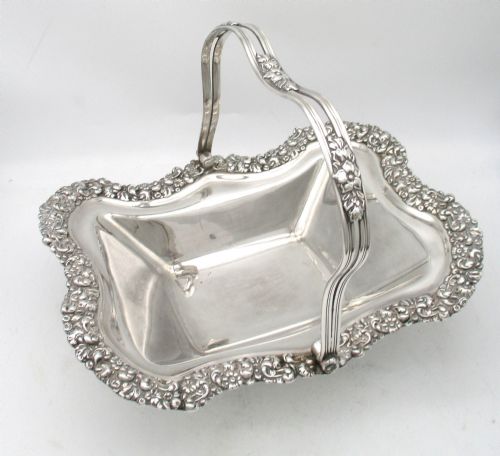
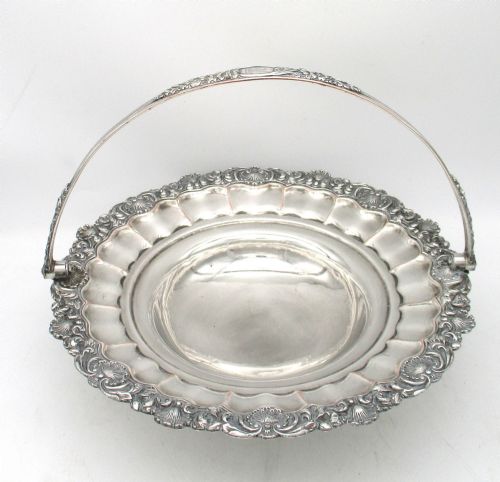


Silver Plated Centrepiece Bowl
A silver plated centrepiece bowl anchors a dining table with substantial metalwork and glass, bringing period presence to a room.
Silver Plated Centrepiece Bowl
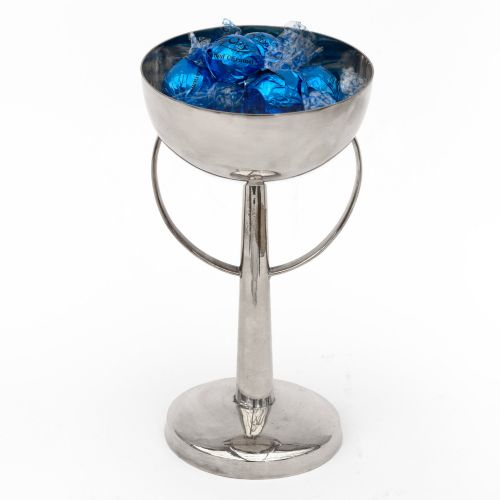
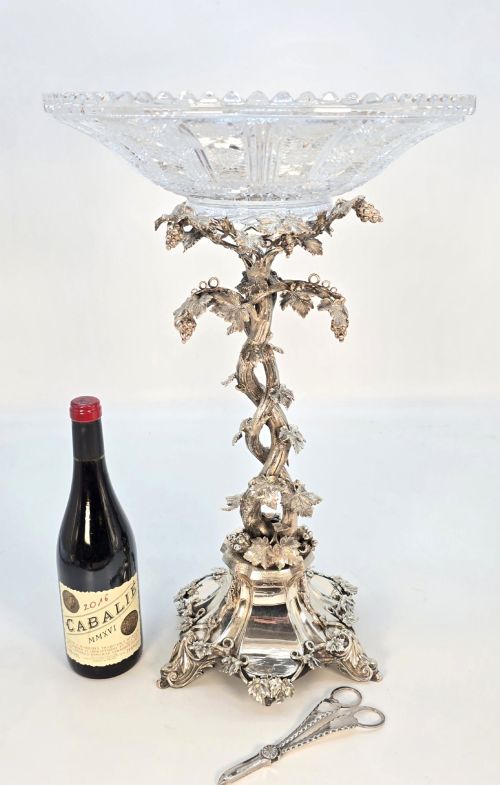
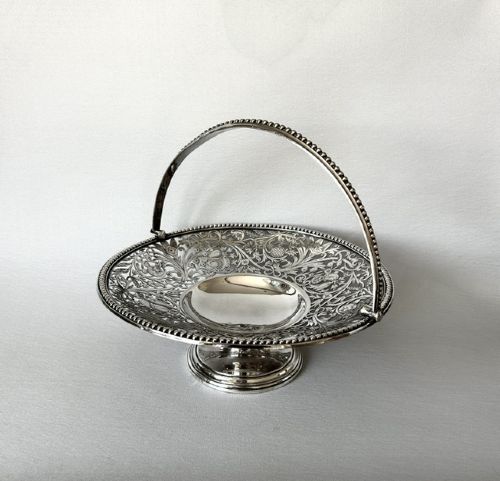
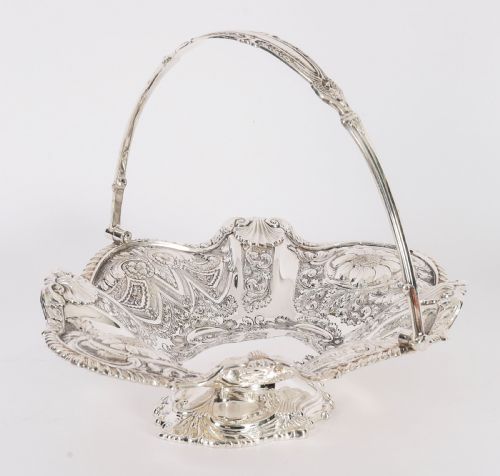
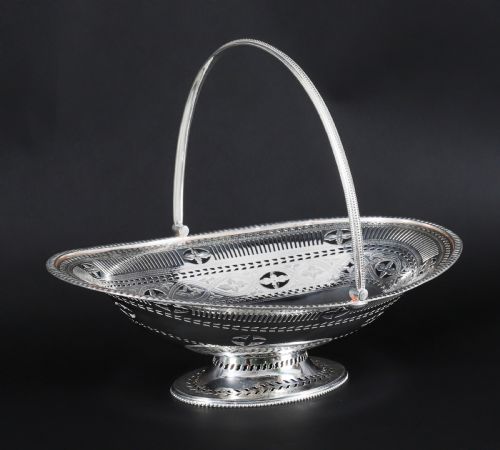
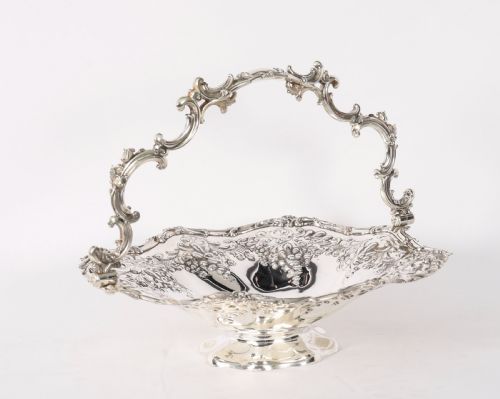
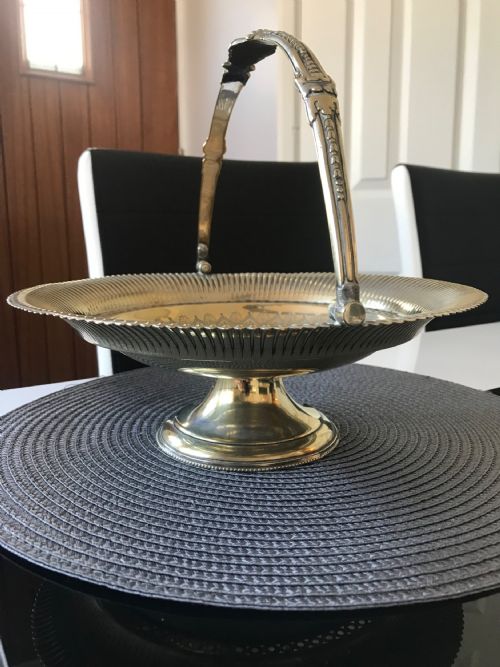
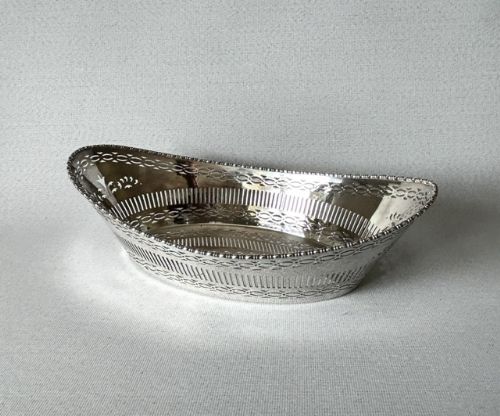
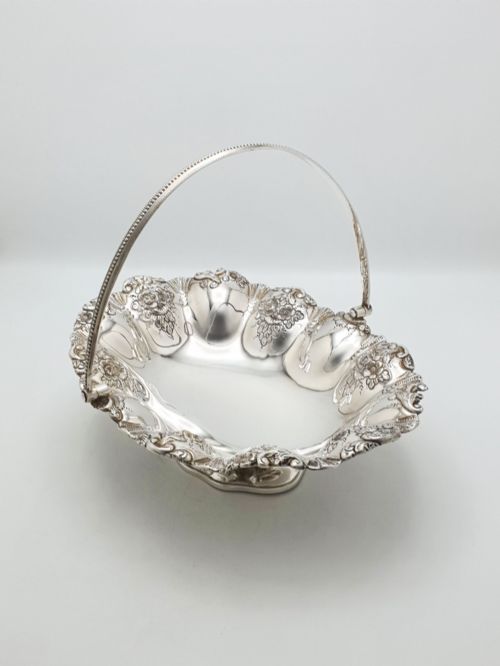
A silver plated centrepiece bowl serves as a grand table focal point, encompassing forms such as fruit baskets, tazzas, jardinières, and épergnes designed to hold floral arrangements or fruit. You will frequently encounter Victorian and Edwardian examples featuring pierced metalwork and swing handles.
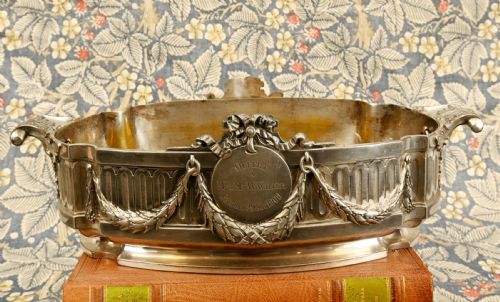
The selection ranges from early nineteenth century Old Sheffield Plate baskets to Art Nouveau vessels integrated with coloured glass liners. These pieces originate primarily from English and French makers, spanning styles from Neo-Classical severity to organic floral revival.
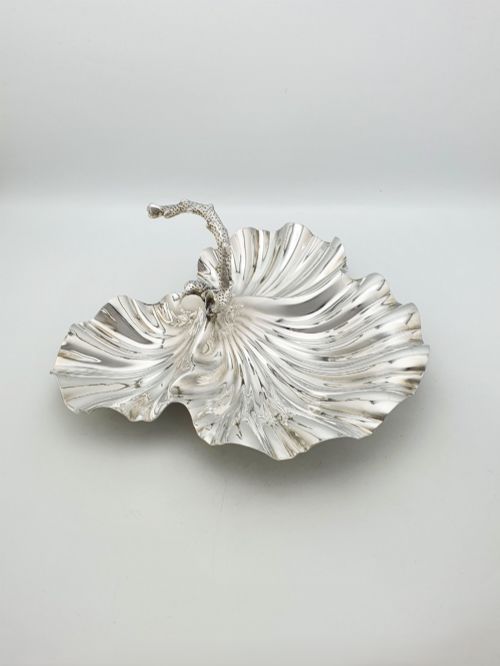
Beyond traditional fruit baskets, the category includes punch bowls, wine coolers, and shallow decorative dishes suited for display. Each variant demonstrates the Victorian and Edwardian appetite for elaborate dining table ornamentation.
How They Were Made
Silversmiths employed base metals like copper, nickel silver, and bronze, applying surface decoration through hand-chasing, repoussé, and piercing. Old Sheffield Plate involves fusing a thin layer of silver to a copper core, whilst later pieces utilise electroplated nickel silver or standard silver plate.
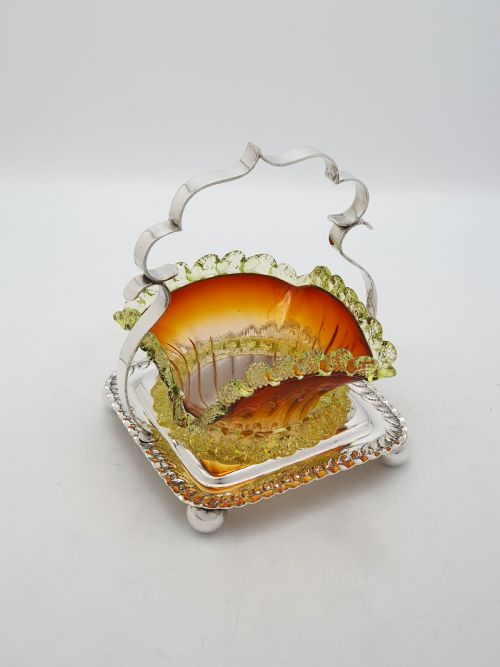
Many centrepieces incorporate blown or cut glass liners in ruby, amber, and vaseline glass, held securely within pierced or cast metal frameworks. Makers finished these objects with applied cast handles, floral engraving, and pedestal bases.
Silver Plated Centrepiece Bowl Retail Price Guide 2026
Typical asking prices for silver plated centrepiece bowl among the pieces listed under this phrase on Sellingantiques today, from the lower quarter to the upper quarter. They describe what is for sale here now, not the wider market.
Several baskets come equipped with stylized coral handles and swinging mechanisms that invite gentle fidgeting during long nineteenth century dessert courses.
What Varies in Quality
Quality rests in the crispness of the chased or repoussé detail and the structural weight of the metal framework. Superior pieces display intricate hand-piercing and substantial gauge silver plating that resists base metal bleed through.
The integration of original coloured glass liners, whether vaseline, ruby, or amber, elevates a piece significantly. Furthermore, clear maker marks from established firms indicate higher standards of period craftsmanship and design execution.
George W. Scott & Sons Ltd·Mappin & Webb·WMF·Walker & Hall·Thomas Bradbury·Barker Ellis·Daniel and Arter
The Silver Plated Centrepiece Bowl Glossary
- Old Sheffield Plate
- An early method of fusing a thin sheet of silver to a copper ingot before rolling into sheets. This technique predates electroplating and often reveals copper edges where wear occurs.
- Electroplated Nickel Silver
- A base alloy of copper, nickel, and zinc coated with a layer of pure silver using an electrical current. This process became the dominant manufacturing method during the Victorian period.
- Épergne
- A large table centrepiece featuring a central bowl or basket surrounded by smaller hanging baskets or arms for fruit and flowers. These multi-tier structures often incorporate cut or etched glass components.
- Repoussé
- A metalworking technique where the artisan hammers the design from the reverse side to create a raised relief pattern on the surface. Floral and scroll motifs are frequently rendered this way.
- Vaseline Glass
- A type of glass coloured with uranium dioxide that exhibits a distinct yellow green fluorescence under ultraviolet light. It appears frequently in Art Nouveau centrepiece bowls.
- Tazza
- An ornate pedestal cup or shallow bowl raised on a stem and foot, used historically for serving small food items. They form a distinct subset of centrepiece display vessels.
Silver Plated Centrepiece Bowl: Frequently Asked Questions
What is a silver plated centrepiece bowl used for?
These large vessels traditionally occupied the middle of formal dining tables to hold displays of fruit, sweetmeats, or fresh floral arrangements. They functioned as both decorative showpieces and functional tableware during grand Victorian and Edwardian meals.
In modern settings, they serve equally well as standalone decorative objects on sideboards or coffee tables, retaining their historical presence without requiring a formal dining context.
How do I identify Old Sheffield Plate?
Old Sheffield Plate involves a fused sheet of silver over copper rather than an electroplated coating, resulting in a heavier, stiffer construction. Look closely at rims and edges where the thin silver layer has worn down to reveal the reddish copper underneath.
Items produced by this method typically date from the late eighteenth to the early nineteenth century, preceding the widespread adoption of electroplating in the mid Victorian era.
Are glass liners original to the bowl?
Original glass liners fit precisely into the contours of the pierced metal basket or frame without excessive shifting. They often feature matching period characteristics such as hand-cut fluting, hobnail patterns, or specific glass colours like ruby and vaseline.
Replacements are common due to the fragile nature of glass, so matching the colour tone and period manufacturing traits helps determine originality.
How do I care for antique silver plate?
Clean silver plated items gently using a non abrasive silver polish and a soft cloth to remove tarnish without stripping the remaining plate. Avoid harsh chemical dips, which can permanently damage exposed base metals and delicate coloured glass liners.
Store pieces in dry environments away from direct sunlight to minimise future oxidation and preserve the integrity of any organic elements like carved wooden bowls.