


19th Century Silver Bowl
When you search for a 19th century silver bowl, you enter a diverse field of table vessels, centrepieces, and baskets shaped by Victorian and global craft.
19th Century Silver Bowl
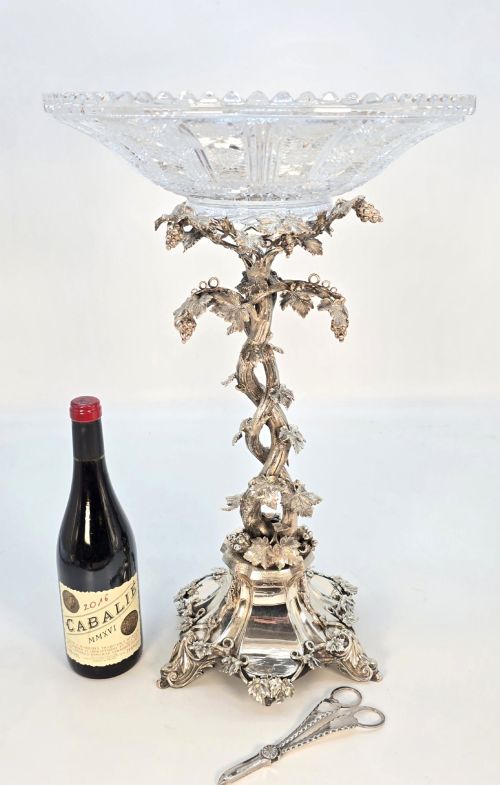
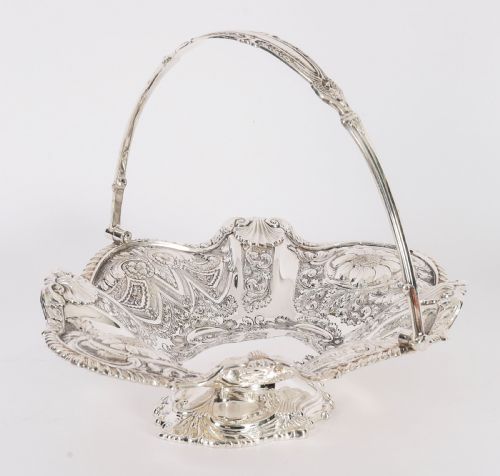
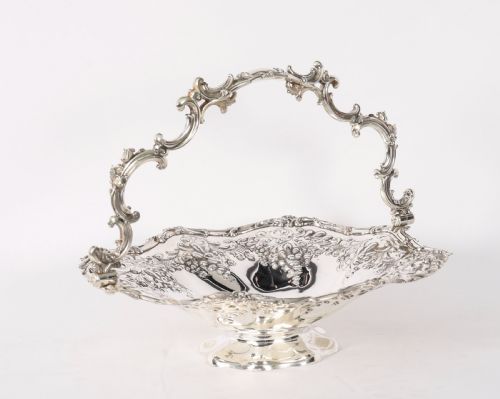
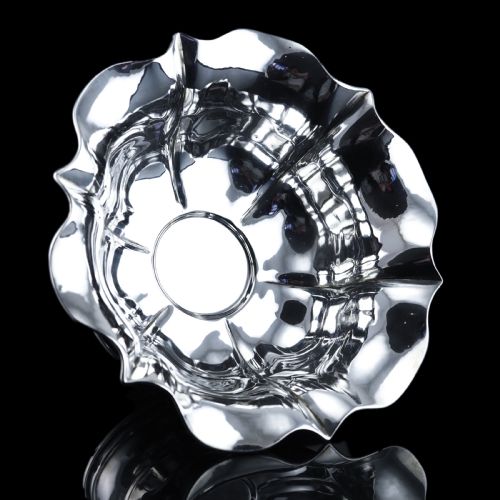
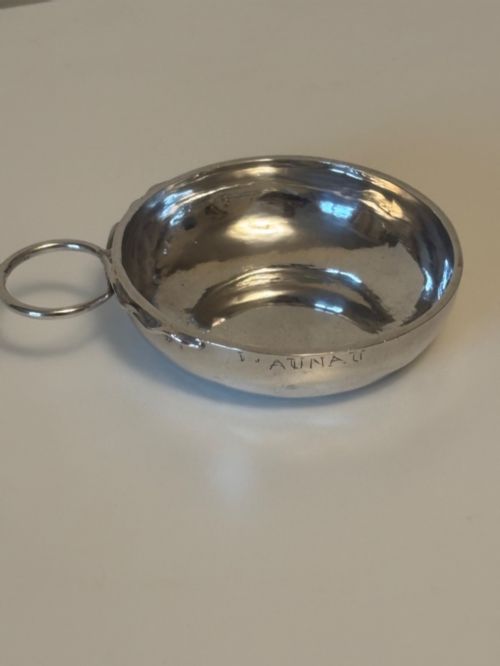
A 19th century silver bowl encompasses a broad range of domestic vessels, from heavy sterling centrepieces and fruit baskets to punch bowls, tazzas, and smaller tasting dishes. You will frequently encounter Victorian silver plated fruit baskets alongside solid silver examples originating from Britain, Europe, Russia, and regions of Asia.
The domestic role of these objects shifted across the century, moving from formal dining table centrepieces and epergnes to decorative serving dishes, bread baskets, and specialised vessels like wine tasters. Many survive alongside fitted cut glass inserts, ceramic bowls, or matching servers.
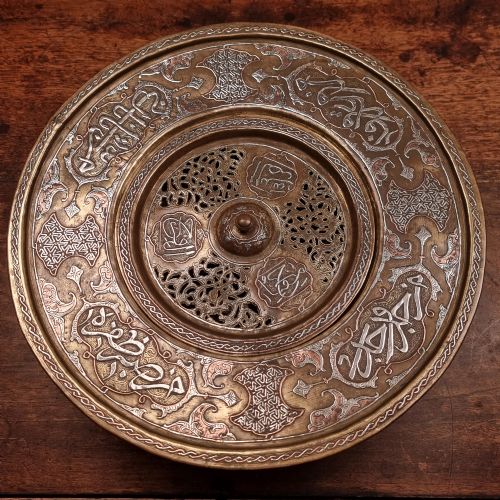
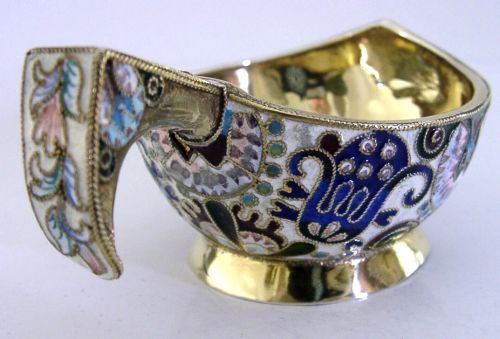
Origin and regional style heavily define the selection, incorporating British Victorian designs, Austro-Hungarian forms, Anglo-Indian repoussé work, and Russian silver gilt enamel pieces. The material execution varies significantly between solid sterling silver, silver plate, Old Sheffield plate, and electroplated nickel silver.
How they were made
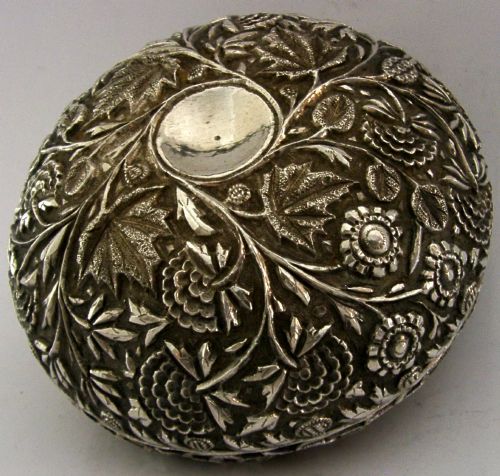
Silversmiths of this era employed techniques such as repoussé and chasing to push and hammer metal from the reverse, creating raised floral, bird, and figural relief decoration on solid silver and plated bodies. Stamped elements, cast mounts, and applied wirework were frequently combined to construct large centrepieces and baskets.
For plated items, manufacturers utilised silver plating on copper, Old Sheffield plate, or electroplated nickel silver over a base metal core. Many table vessels also integrated heavy cut glass, crystal, opaline glass, or majolica ceramic bodies secured within silver or plated frameworks.
Several silver birds and eagles perch permanently on the rims of these bowls, watching over centuries of afternoon fruit.
What varies in quality
Quality rests upon the crispness of the hand-worked detail in repoussé and chased decoration, distinguishing deeply articulated naturalistic or geometric motifs from shallower, mass-produced stamping. The structural integrity of large centrepieces and the thickness of the silver layer over base metals also set higher tiers apart from simpler utilitarian items.
The distinction between solid sterling silver and various plating methods dictates value, alongside the presence of clear hallmarks identifying known makers, assay offices, and specific production years. Furthermore, the survival of original fitted glass inserts, accompanying ladles, or matching servers elevates the integrity of the piece.
George W. Scott And Sons Ltd·Pierre Fournerot·Joseph Craddock·Tiffany And Co·Benjamin Smith·Daniel And Arter·Dan Holy·James Dixon·James Deakin·William Bennett·Birchall And Hayne·Alt Wien·Robert Hennel·Mappin Bros·Henri Lapeyre
The 19th Century Silver Bowl Glossary
- Repoussé
- A metalworking technique where the artisan hammers and pushes the design from the reverse side to form raised relief patterns on the surface. This method appears frequently on bowls and baskets across various regional traditions.
- Centrepiece
- A large decorative vessel placed in the middle of a dining table, often combining silver or plated frames with cut glass bowls or epergne tiers. These objects dominated formal dining settings.
- Old Sheffield Plate
- An early composite material made by fusing a thin sheet of silver to a thicker copper base before rolling and shaping. This predates standard electroplating methods.
- Gilt
- A thin layer of gold applied to the interior or exterior surface of a silver object, often seen on Russian kovsh cups and decorative bowls. It provided a contrasting golden tone against the silver.
- Tazza
- A shallow ornamental bowl or cup raised on a stem and foot, frequently utilised for serving fruit or sweets. They appear in both solid silver and plated bronze variations.
- Quaich
- A traditional shallow two-handled drinking vessel or wine taster originating from Scotland and northern Europe. Examples from this era are occasionally executed in silver.
19th Century Silver Bowl: Frequently Asked Questions
How were silver bowls used on a Victorian table?
These vessels served functional and decorative purposes during large meals, holding fruit, bread, punch, or sweetmeats for guests. Centrepieces anchored the table arrangement while smaller dishes circulated specific courses or beverages.
Over time, many transitioned from active dining service to static display pieces on sideboards and cabinets. Their substantial presence made them ideal centrepieces for formal gatherings.
What is the difference between solid silver and silver plate?
Solid silver objects consist entirely of precious metal throughout their structure, usually bearing official hallmarking indicating the silver standard. Silver plated items utilise a base metal core, such as copper or nickel silver, covered by a thin layer of applied silver.
Plated manufacturing expanded dramatically during the 19th century, offering consumers the appearance of solid silver at a lower cost. Makers often marked plated pieces with specialised trade marks rather than standard town hallmarks.
How do I identify the origin of an Anglo-Indian silver bowl?
Anglo-Indian pieces typically display dense, intricate repoussé decoration depicting local flora, fauna, or regional scenes executed by skilled craftsmen. The silver content in these items often differs from standard British sterling marks.
Examining the weight and hand-chased depth helps distinguish these regional interpretations from standard Victorian production. They reflect a distinct cross-cultural aesthetic popular during the period.
Can I use an antique silver bowl for serving food?
Many solid silver and heavy plated vessels remain suitable for dry foods, fruit, or wrapped sweets during gatherings. However, acidic foods should not be left in contact with antique silver or plated surfaces for extended periods.
Careful hand washing with mild soap preserves the finish without wearing down delicate repoussé details or plating layers. Modern dishwashers must be avoided entirely.