



Repousse Silver Plated Bowl
A repousse silver plated bowl brings raised ornamentation and lustrous metallic depth to a table, offering historic Victorian craftsmanship for modern display.
Repousse Silver Plated Bowl
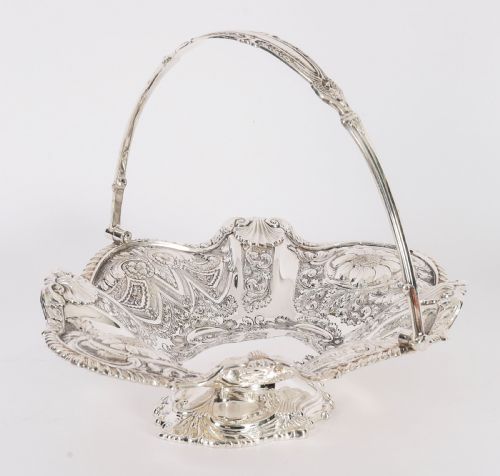
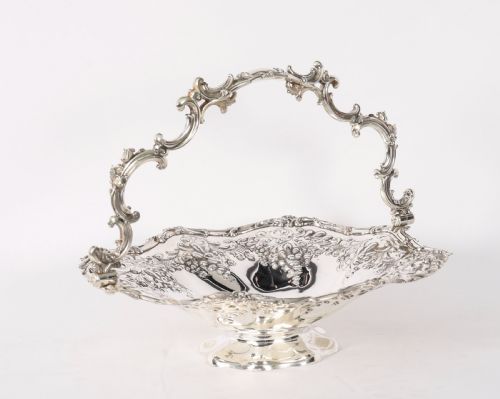
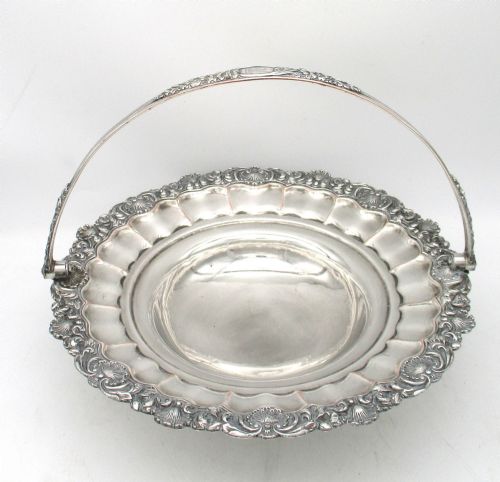
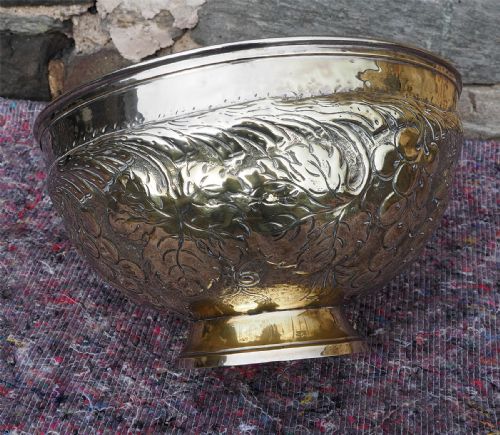
A repousse silver plated bowl encompasses elaborate tableware designed for serving fruit, punch, or decorative display during the nineteenth century and beyond. Buyers browsing this selection encounter various forms including fruit baskets, punch bowls, presentation serving dishes, and tazzas featuring worked metallic surfaces.
The objects frequently date from the Victorian period, with notable examples spanning the nineteenth century alongside Edwardian and mid-twentieth-century iterations. Origins range from traditional British workshops to Anglo-Indian productions, reflecting diverse stylistic influences from Rococo revival to classical Regency lines.
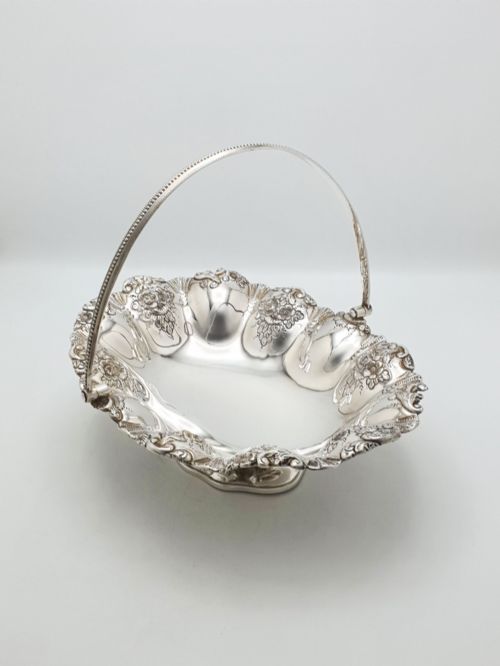
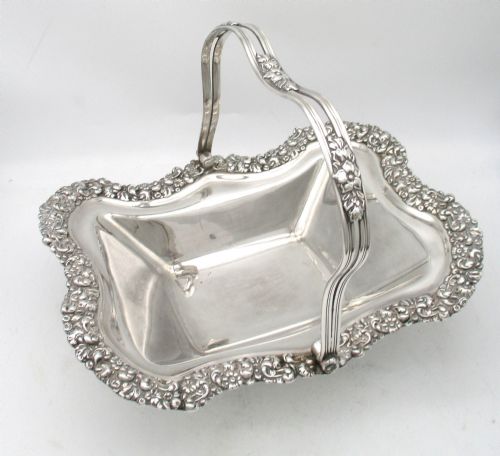
Fruit baskets and footed bowls dominate the selection, often incorporating swinging handles, pierced rims, or heavily chased floral borders. These vessels served practical dining functions in period homes while simultaneously acting as decorative centerpieces.
How they were made
Construction relies upon base metals such as copper, nickel silver, and bronze, which receive a durable coating of silver through electroplating or traditional Old Sheffield plating techniques. The underlying metal provides structural rigidity, whilst the applied silver layer delivers the bright finish characteristic of plated tableware.
Ornamentation is achieved through repoussé work, wherein artisans hammer the metal from the reverse side to push out raised floral, foliate, or scroll motifs. Detail is subsequently refined from the front using chasing tools to create depth and texture across the rim or body of the bowl.
Listings feature items spanning the nineteenth century, including specific years like 1820, 1830, 1860, 1865, 1870, 1880, 1890, and 1900.
What varies in quality
The definition and depth of the repoussé hammerwork dictate the visual merit of each piece, distinguishing sharply struck floral borders from shallow, pressed alternatives. Crisp detail in the chasing demonstrates superior craftsmanship by the silversmith.
The preservation of the original silver plating over the base copper or nickel silver affects the overall integrity of the object. Heavier plating thicknesses and minimal wear to high points indicate higher original manufacturing expenditure and better survival over time.
George W. Scott & Sons Ltd·James Dixon
The Repousse Silver Plated Bowl Glossary
- Repoussé
- A metalworking technique where the artisan hammers designs from the reverse side to form raised patterns in relief. This method creates tactile, three-dimensional surface decoration on bowls and baskets.
- Old Sheffield Plate
- An early method of fusing a thin sheet of silver to a thicker copper core before shaping the item. Pieces produced this way display characteristic copper lines where the base metal shows through wear.
- Electroplated Nickel Silver
- A modern plating process introduced in the nineteenth century utilising an electrical current to bond silver to a nickel brass alloy. It replaced older fusion methods and allowed for durable, even coverage.
- Tazza
- An Italian term for an ornamental cup or shallow bowl raised on a high foot or pedestal. These serving vessels frequently feature decorative chased borders.
- Punch Bowl
- A large capacious bowl traditionally utilised for mixing and serving communal drinks during social gatherings. They often display deep basins and substantial proportions.
Repousse Silver Plated Bowl: Frequently Asked Questions
How were silver plated bowls used historically?
These vessels functioned primarily as dining table centerpieces for presenting fruit, holding punch during gatherings, or serving elaborate dishes. They occupied prominent positions on sideboards and dining tables.
In prosperous households, such decorative tableware demonstrated hospitality and refined taste during formal meals and evening receptions.
What is the difference between Old Sheffield plate and electroplate?
Old Sheffield plate involves mechanically fusing silver and copper sheets together under heat before rolling and forming the item. This traditional technique yields a subtle warmth and distinct edge visibility.
Electroplate uses electrical currents to deposit a layer of silver onto a base metal like nickel silver or copper. This later invention provides a uniform coating across complex shapes.
How do I care for a repousse silver plated bowl?
Maintenance requires gentle cleaning with a soft cloth and a specialised silver polish formulated for plated items. Harsh abrasives must be avoided to protect the thin silver layer.
Regular, light dusting helps prevent tarnish accumulation within the recessed areas of the repoussé decoration without wearing down the raised metal.
How can I identify a Victorian period bowl?
Victorian pieces often exhibit characteristic revival styles such as heavy floral repoussé work, rococo scrolls, or pierced fretwork. Makers' marks and registry stamps can also provide chronological clues.
Examination of the manufacturing technique, such as the type of plating and base metal, further helps narrow down the production era to the nineteenth century.