


Vintage Silver Pedestal Bowl
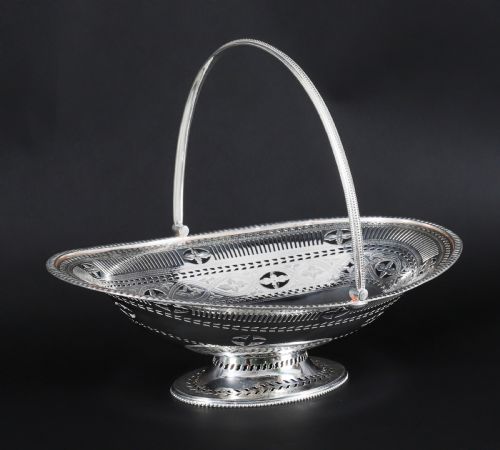
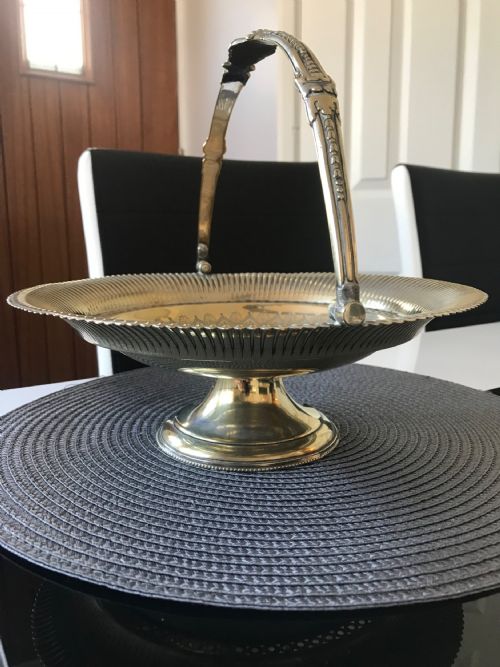
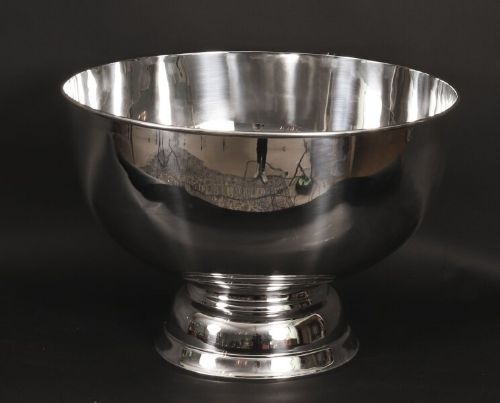
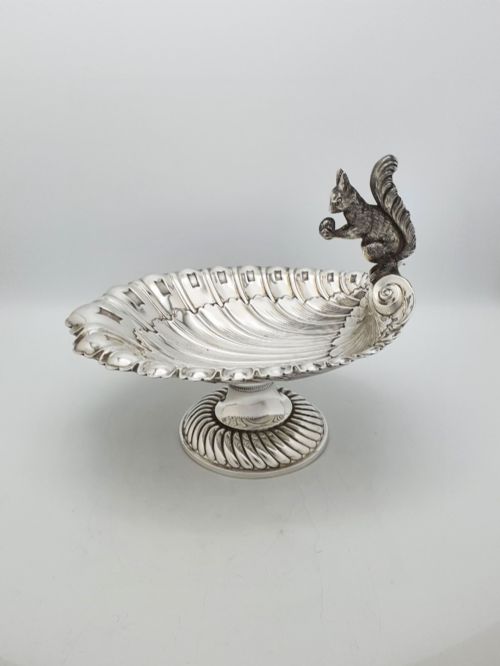
A vintage silver pedestal bowl sits raised above the table, ready to hold fruit, flowers, or simply catch the light.

Vintage Silver Pedestal Bowl
When you search for a vintage silver pedestal bowl, you encounter a wide selection of raised vessels, fruit baskets, comports, and centrepieces. These pieces date from the nineteenth century through the mid twentieth century, with examples spanning Victorian, Edwardian, Art Nouveau, and Art Deco periods.
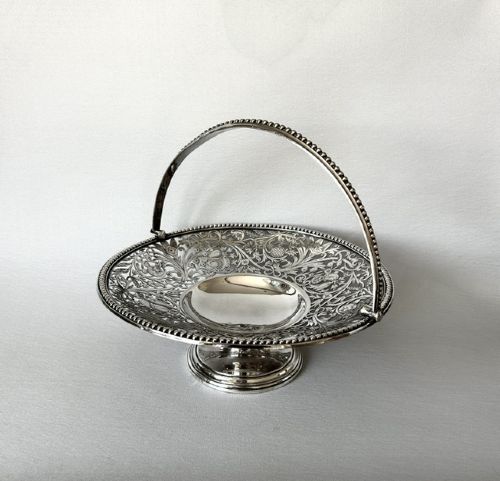
You are most likely to meet silver-plated or sterling silver vessels resting on footed bases, often taking the form of open bowls, handled fruit baskets, or tazze. Origins stretch across England, Germany, Austria, France, Spain, India, China, and Thailand, showing diverse regional decorative traditions.
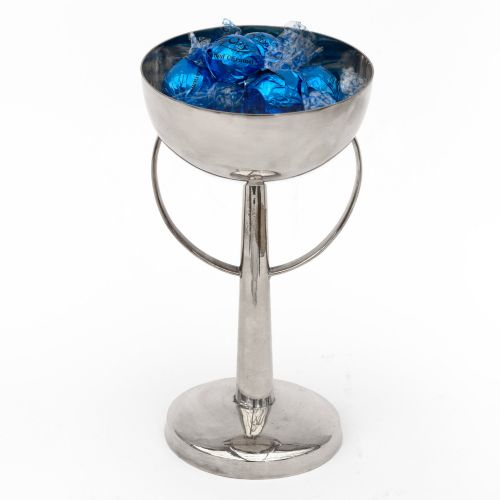
Many of these footed bowls serve specific functions, such as holding bonbons, nuts, punch, champagne, or floral displays. The raised form elevates the contents above the surface of the table, making them natural focal points for dining and display.
How they were made
Makers shaped these vessels from sterling silver, solid silver, and silver plate, sometimes combining silver with copper, brass, metal, wood, or cobalt blue glass. Techniques range from heavy electroplating on base metals to intricate handcrafting in solid silver.
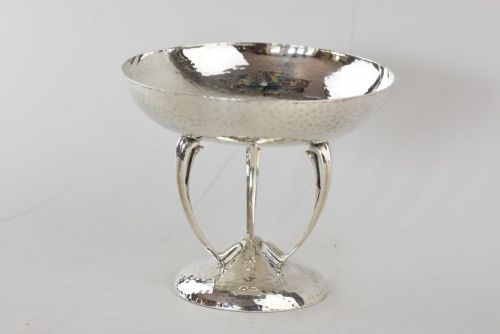
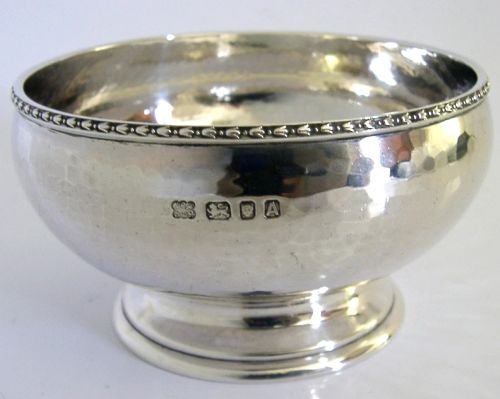
Makers achieved tactile surface texture through planishing and hammering, particularly in Arts and Crafts pieces. Piercing, wirework, and ornate cast ornamentation defined Neo-Classical, Rococo Revival, and Art Nouveau designs.
Regional styles range from English Victorian and Edwardian tea wares to Austrian table decorations, French Art Deco comports, and Asian wirework compotes.
What varies in quality
The weight of the metal and the crispness of the chasing or pierced decoration distinguish different levels of production. Substantial gauge silver and cleanly executed hand-hammered surfaces separate ambitious studio or workshop pieces from standard factory output.
The integration of the pedestal foot with the bowl body affects stability and proportion. Superior examples show careful balance and secure joining, whether the piece is a simple bonbon dish or a large centrepiece.
Goldsmiths and Silversmiths Company London·Mappin and Webb·Barker Ellis·Elkington and Co·Alexander Clarke and Co Birmingham
The Vintage Silver Pedestal Bowl Glossary
- Pedestal bowl
- A vessel raised on a foot or elevated base. This form lifts the contents clear of the table surface.
- Tazza
- A shallow bowl or cup mounted on a stem and foot. It is frequently used for serving fruit or small sweetmeats.
- Silver plate
- A layer of silver fused or electroplated onto a base metal such as copper or nickel silver. It offered the appearance of solid silver at a lower cost.
- Planishing
- A hammering technique used to smooth and finish metal surfaces while leaving subtle, light-catching facets. It is a hallmark of hand-wrought metalwork.
- Monteith
- A bowl with a scalloped or notched rim, traditionally used for chilling wine glasses by their stems. The rim held the glasses securely in ice water.
- Compote
- A deep-stemmed dish used for serving fruit, compotes, or sweets. It functions both as tableware and table decoration.
Vintage Silver Pedestal Bowl: Frequently Asked Questions
What is a pedestal bowl used for?
These vessels serve multiple purposes around the home, traditionally holding fruit, bread, nuts, or floating floral arrangements. Many were designed specifically as centrepieces or decorative comports for the dining table.
In modern settings, they function equally well empty as sculptural display objects or filled with seasonal items like pinecones or baubles.
What is the difference between sterling and plate?
Sterling silver is solid metal throughout, containing a specific high proportion of pure silver alloyed with other metals for strength. Silver plate consists of a thin layer of silver bonded to a cheaper base metal such as copper or nickel silver.
Hallmarks usually indicate sterling pieces, whereas silver-plated items carry manufacturer marks denoting plating processes.
How can I date my bowl?
Dating relies primarily on hallmarks, maker stamps, and stylistic markers such as the distinct geometric lines of Art Deco or the flowing plant motifs of Art Nouveau. Period characteristics in handles, feet, and piercing techniques also offer strong clues to the era of manufacture.
Comparing the maker's mark against historical records often narrows the production date to a specific decade.