



Victorian Repousse Table Bowl
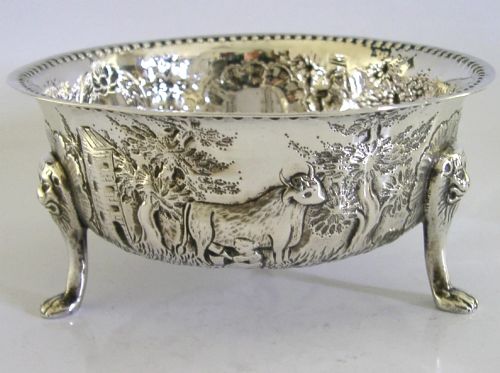
A victorian repousse table bowl brings heavy metalwork and deep relief patterns to a dining room or sideboard.
Victorian Repousse Table Bowl
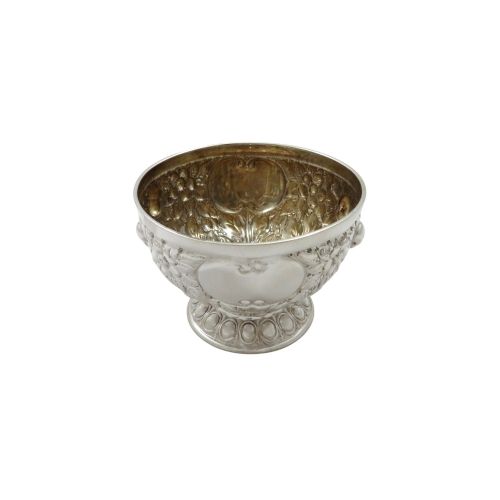
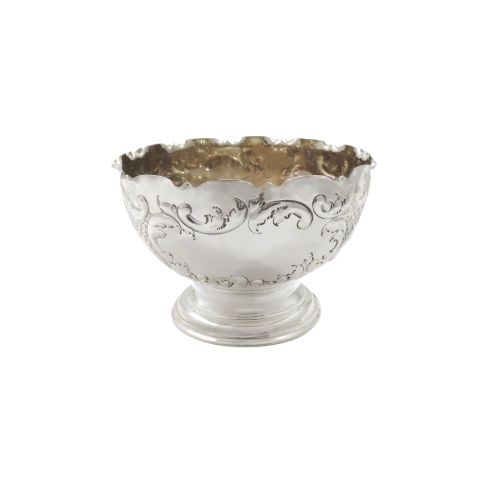
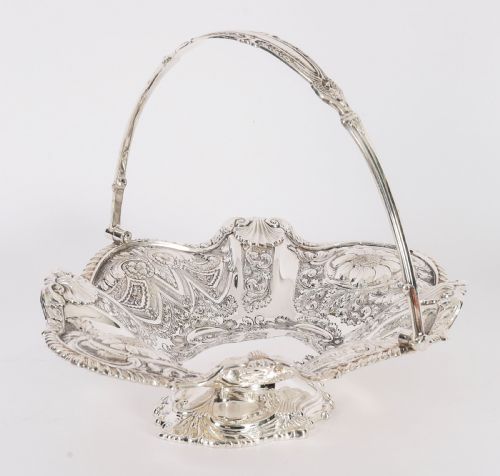
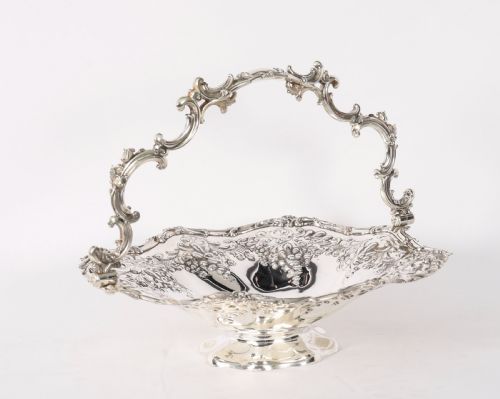
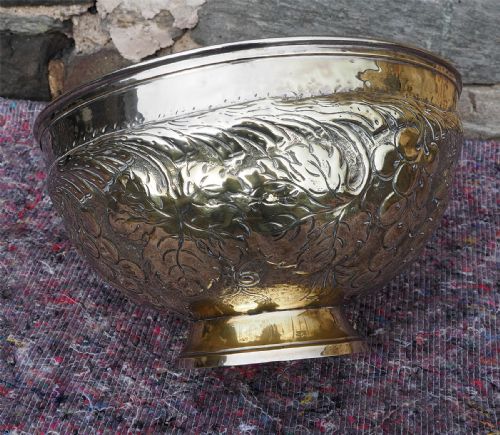
When you search for a victorian repousse table bowl, you are looking at nineteenth-century vessels decorated with raised metalwork pushed out from the reverse side. The selection includes sterling silver and silver plate examples, ranging from large punch bowls and fruit baskets down to sugar baskets and small salt cellars.
The pieces on this page lean heavily towards the Victorian era, spanning specific dates from the eighteen-seventies through to nineteen hundred alongside broader nineteenth-century items. Forms vary from footed bowls and handled baskets to cased dishes, reflecting the heavy dining table ornamentation of the period.
Victorian rococo revival styling appears among these objects, bringing scrolling forms and botanical motifs that suit the deep hammered relief. Most examples are sterling silver or silver plated on a base of nickel silver, occasionally lined with velvet or satin.
How they were made
Maker's hammers and punches pushed the metal from the inside out to create the distinct repousse relief, working the sheet while it was supported in a pitch bowl. Silversmiths then refined the raised designs from the front using chasing tools to sharpen details against the background.
Base metals received coatings of silver plate or electroplated nickel silver to simulate solid silver at a lower cost, while luxury items were cast or hammered in solid sterling silver. Gilt silver finishes also appear, adding a layer of gold wash to the interior surfaces of the bowls and baskets.
Some nineteenth-century sugar baskets arrive with their original velvet and satin linings still intact inside the hammered metal.
What varies in quality
The crispness of the chased and hammered relief dictates much of the visual success of the piece, separating deep, sharply articulated patterns from soft or worn stamping. Heavier gauge metal provides a more rigid structure that resists bending under weight, particularly on large fruit baskets and punch bowls.
Makers' marks and silversmith stamps indicate workshop origin, with recognised firms like Elkington or James Dixon commanding attention for their consistent metal thickness and plating durability. The integrity of any applied gilt wash or the preservation of original velvet and satin linings also alters the desirability of the vessel.
George W. Scott & Sons Ltd·Elkington & Co·James Dixon
The Victorian Repousse Table Bowl Glossary
- Repousse
- A metalworking technique where the design is hammered and pushed out from the reverse side to form a raised relief on the front. This creates three-dimensional patterns across the body of the bowl.
- Sterling silver
- An alloy containing ninety-two point five percent silver by mass, with the remainder usually copper. It provides the heavy, durable material standard for high-end Victorian tableware.
- Silver plate
- A thin layer of silver applied to a base metal such as copper or nickel silver. It allowed nineteenth-century households to own large decorative punch bowls and fruit baskets without the cost of solid silver.
- Electroplated nickel silver
- A base metal alloy of copper, nickel, and zinc coated with silver through an electrochemical process. This material served as the foundation for many nineteenth-century plated bowls.
- Gilt silver
- Silver that has been coated with a thin layer of gold, often applied to the interior of a sugar basket or bowl. It protected the silver from tarnishing when in contact with acidic foods.
Victorian Repousse Table Bowl: Frequently Asked Questions
What is a repousse bowl?
A repousse bowl is a vessel decorated with patterns hammered from the inside to create raised designs on the exterior surface. This technique creates a tactile, textured finish popular in nineteenth-century metalwork.
These pieces range from small condiment salts to large fruit baskets and punch bowls. They were made to be displayed prominently on dining tables and sideboards.
How do I clean my silver bowl?
Clean silver bowls using a soft cloth and a specialised silver polish designed to remove tarnish without harming the relief work. Avoid harsh abrasive cleaners that can wear away thin silver plating or soften the chased details.
For pieces with velvet or satin linings, keep moisture away from the fabric portions. Gentle dusting and minimal polishing preserve both the metal surface and the maker's marks.
What was a fruit basket used for?
Victorian fruit baskets held fresh fruit for dessert courses served at formal dinner parties. Their openwork or repousse sides allowed air circulation around the produce while adding ornamentation to the table centre.
Many of these baskets feature sturdy swing handles for passing around the dining table. They served both a functional role in dining service and a decorative one in room styling.
How do I date a Victorian bowl?
Dating a Victorian bowl relies on examining the hallmarks stamped into the metal for sterling silver pieces. Maker's marks, date letters, and assay office symbols provide specific years of manufacture.
For silver plated items without official hallmarks, style cues like rococo revival scrolls and construction methods help narrow down the production period to the nineteenth century.