



Silver Plated Covered Dish
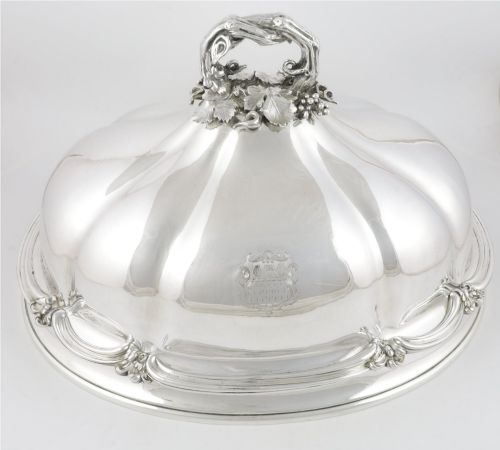
A silver plated covered dish brings a heavy, polished brilliance to the dining table, hiding joint meat, vegetables, butter, or cheese beneath a fitted lid.
Silver Plated Covered Dish
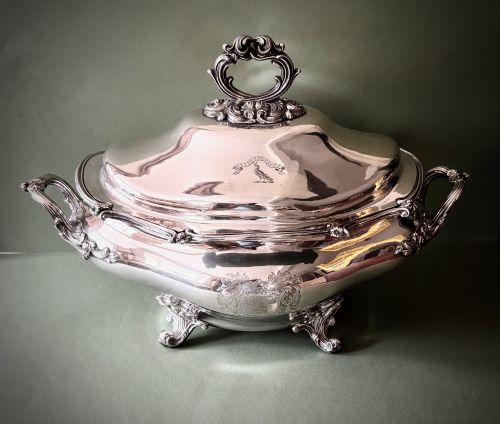
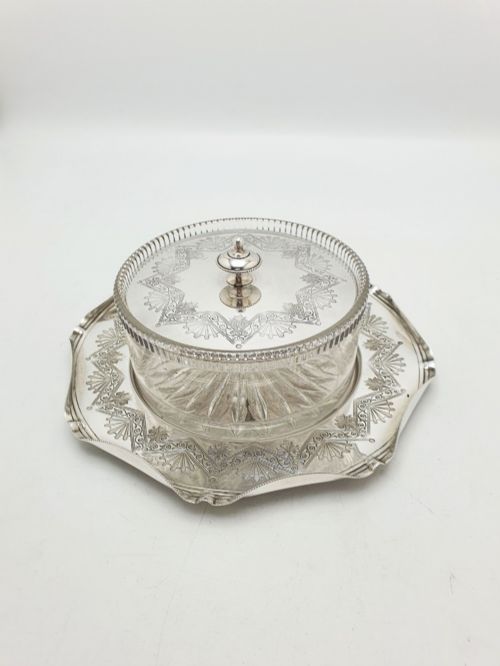
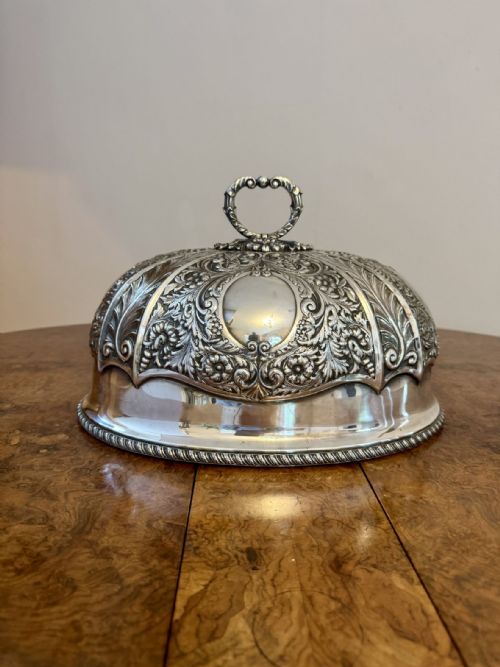
A silver plated covered dish encompasses a wide variety of dining table vessels designed to keep food warm and presentable. When you search for a silver plated covered dish, you encounter forms ranging from large meat domes and serving tureens to rectangular entrée dishes and small butter dishes with glass liners.
The selections span multiple eras, showing particular strength in the Edwardian and Victorian periods alongside earlier Georgian and Old Sheffield Plate examples. These items function as active serveware as much as decorative objects, often retaining internal compartments or warming bases.
How they were made
Early pieces rely on Old Sheffield Plate, a technique fusing a thin sheet of silver onto a thicker copper base, sometimes revealing the copper edge along seams. Later production shifts towards electroplated nickel silver, known as EPNS, where a silver coating settles onto a white metal alloy through an electrical current.
Manufacturers integrated functional elements like removable glass liners in butter and cheese dishes, or heavy cast handles and finials soldered onto covers. Structural integrity depended on the weight of the base metal and the thickness of the applied silver layer.
Listings feature items from the Georgian era through to the Art Deco period, utilising Old Sheffield Plate, copper, and electroplated nickel silver.
What varies in quality
The distinction between standard production and superior craftsmanship rests in the weight of the metal and the crispness of applied cast ornament. Pieces bearing the marks of notable makers often display thicker plating that resists base metal bleed through decades of polishing.
Detailing on handles, feet, and borders differentiates utilitarian items from high status dining vessels. The integrity of internal components, such as intact glass liners in butter dishes or properly fitting domed lids, determines the completeness of a piece.
Roberts Cadman·Henry Wilkinson·Mappin and Webb·Hamilton and Inches·Daniel and Arter·Walker and Hall·Elkington·Cresswick·Dan Holy·Christofle Gallia·Hukin and Heath
The Silver Plated Covered Dish Glossary
- Old Sheffield Plate
- A precursor to electroplating created by fusing silver and copper together under heat before rolling them into sheets. This technique produces a warm tone where the underlying copper occasionally shows through high points.
- EPNS
- Electroplated Nickel Silver, a common base material introduced in the nineteenth century that uses electricity to bond a thin coat of silver to a nickel brass alloy. It provides a durable, uniform surface.
- Entrée Dish
- A shallow serving vessel with a removable lid, frequently rectangular or oval, used at the table for main courses or side dishes. Many examples feature detachable handles that allow the lid to double as a secondary shallow dish.
- Meat Dome
- A large, high domed cover designed to fit over a platter and retain heat for joints of meat or poultry. These often feature robust loop handles to lift the heavy cover away from the joint.
- Cloche
- A bell shaped cover utilised to protect and warm individual portions or small dishes on the table. The term derives from the French word for bell.
Silver Plated Covered Dish: Frequently Asked Questions
How do I clean a silver plated covered dish?
Wash the dish gently using warm water and a mild, non abrasive washing up liquid, avoiding harsh chemical dips that strip the plate. Dry the surface thoroughly with a soft cloth to prevent water spots.
Apply a dedicated silver polish sparingly only when necessary, rubbing in straight lines rather than circles. Rinse and buff to restore the soft shine without wearing down the underlying plate.
Were these dishes used in the kitchen?
These vessels served the dining room rather than the kitchen, functioning as transport and presentation pieces. Food was transferred into them from the cooking quarters to keep warm at the table.
They often formed part of a larger service, paired with warming stands or hot water compartments to maintain food temperatures during long meals.
How can I tell Old Sheffield Plate from later electroplate?
Examine the edges and high points of the piece under a strong light to check for a faint reddish line where the copper base shows through. Old Sheffield Plate also tends to feel heavier and displays a slightly warmer colour than later silver plate.
Electroplated items usually show an even, bright silver surface without copper bleed, often accompanied by manufacturer marks indicating EPNS or nickel silver.
Can I use these dishes for modern dining?
These pieces suit contemporary dining well, functioning effectively as serving dishes for roasts, vegetables, or cheeses. Their solid construction makes them practical for regular use provided they receive proper care.
Ensure glass liners are intact if serving items like butter, and avoid cutting food directly on the plated surface to prevent scratching.