
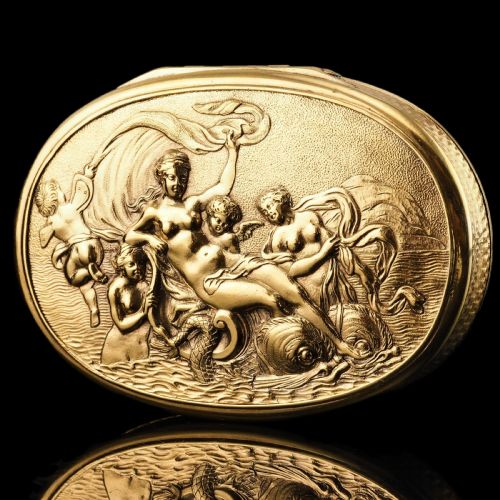
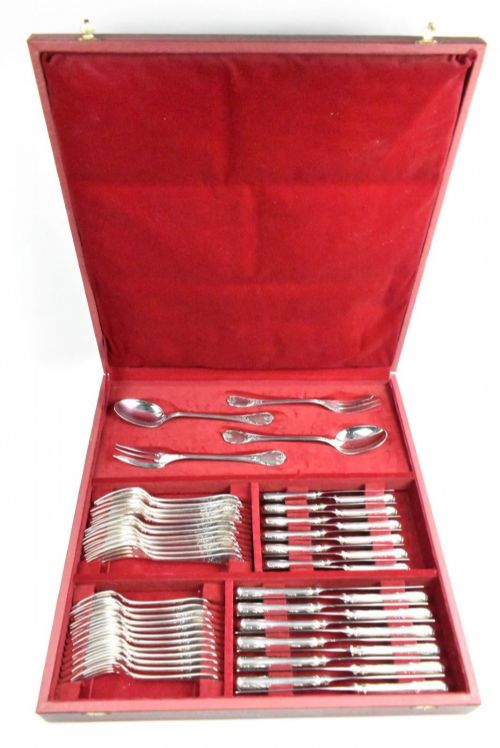

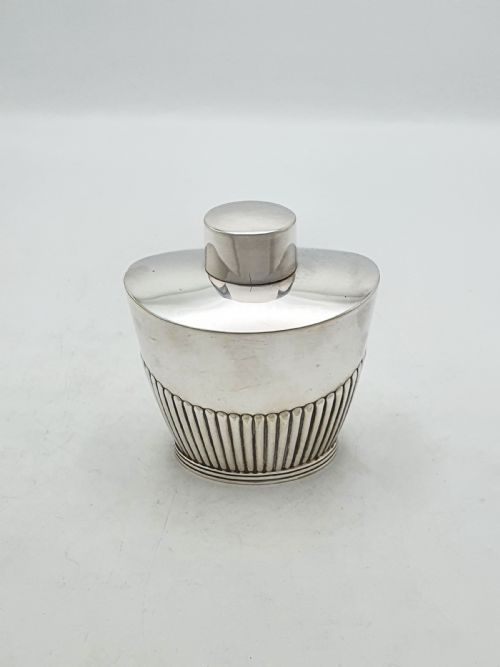
Silver Plated Box
A silver plated box brings domestic metalwork and nineteenth-century dining formality to a room.
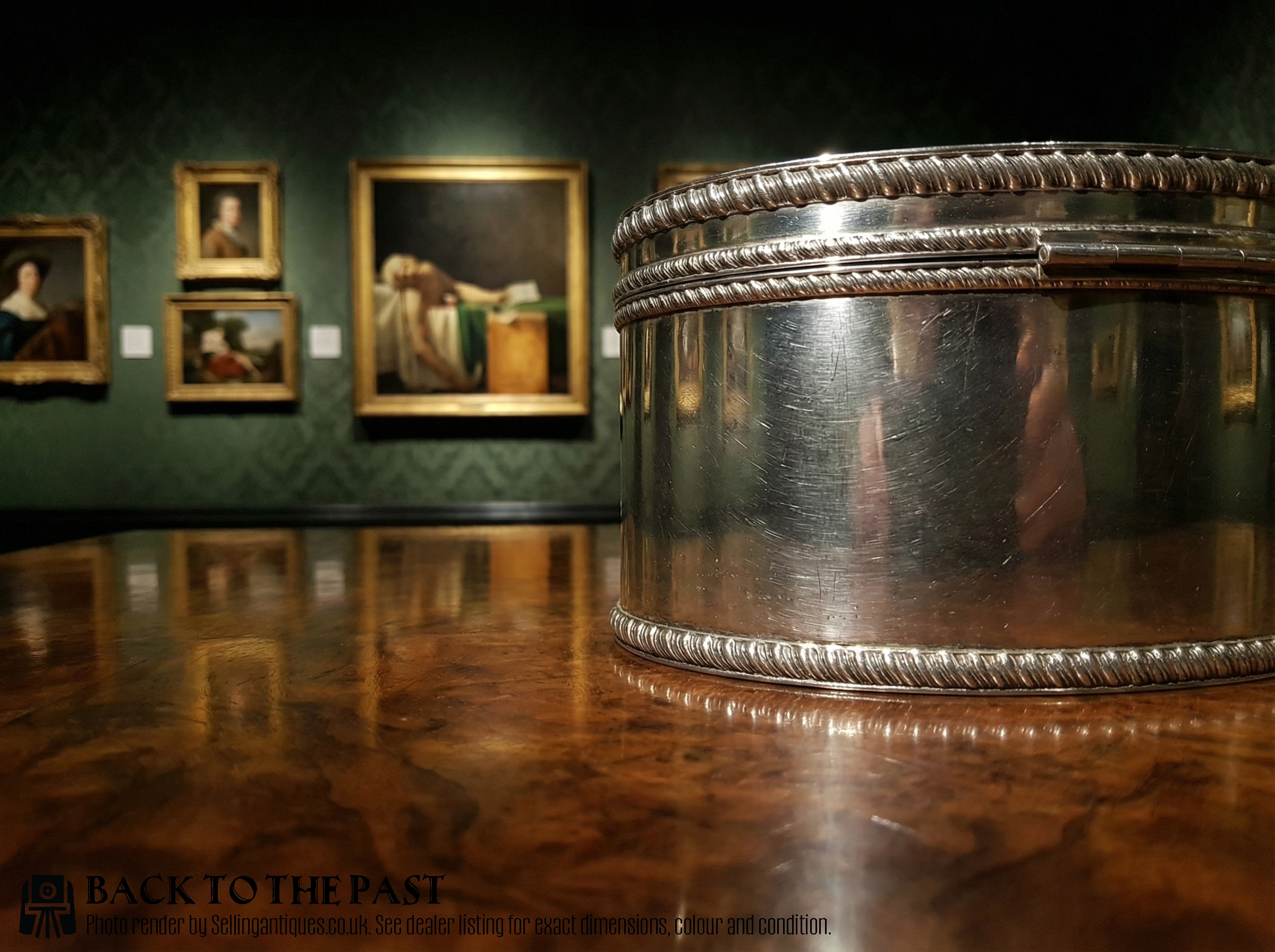
Silver Plated Box
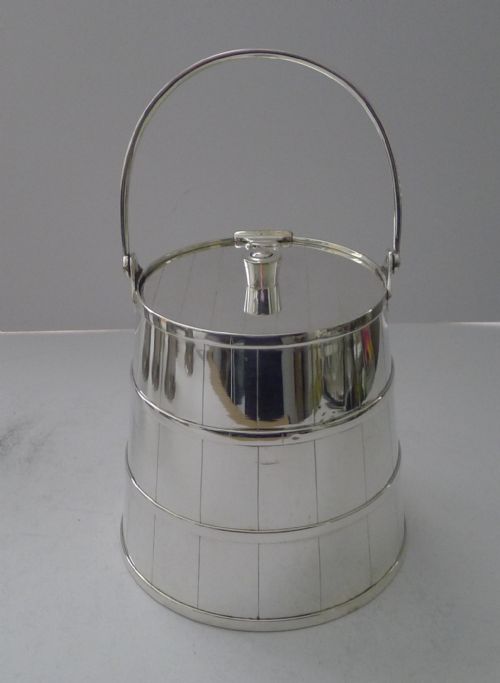
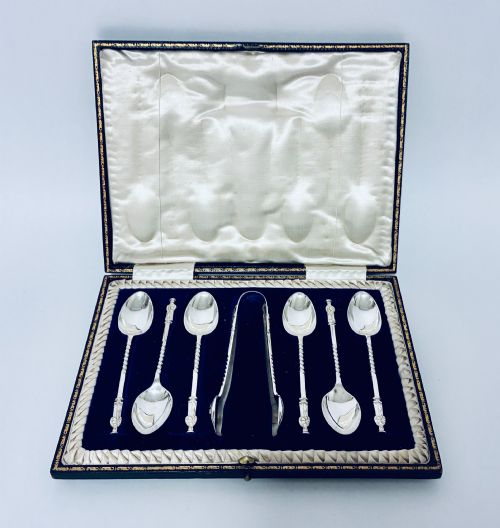
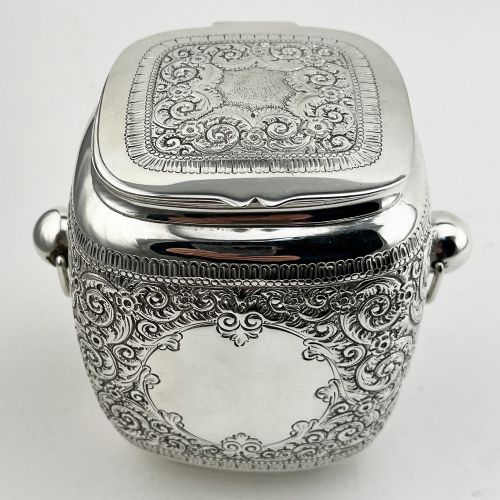
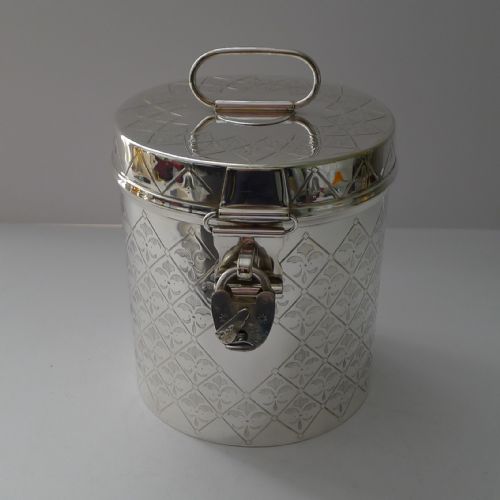
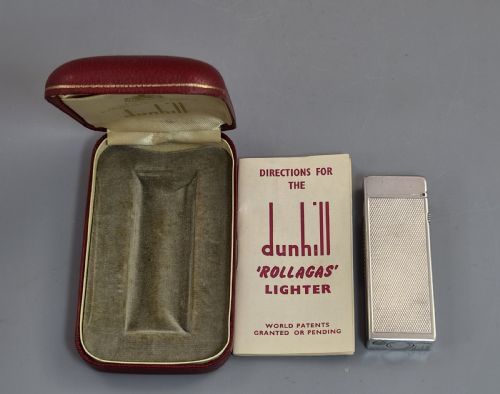
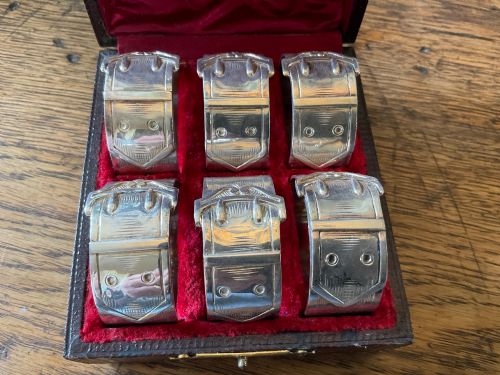
A silver plated box spans useful desk wares, tobacco containers, and large dining table receptacles intended for biscuits, tea, or ice. The listings show heavy representation from the Victorian and Edwardian eras, alongside Art Deco and late nineteenth-century manufacture.
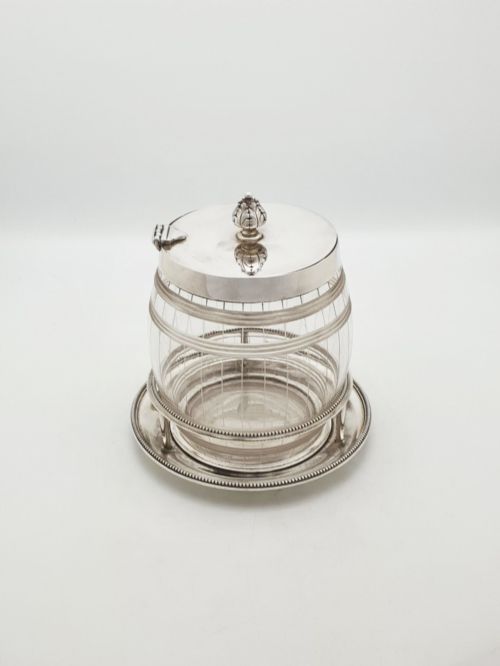
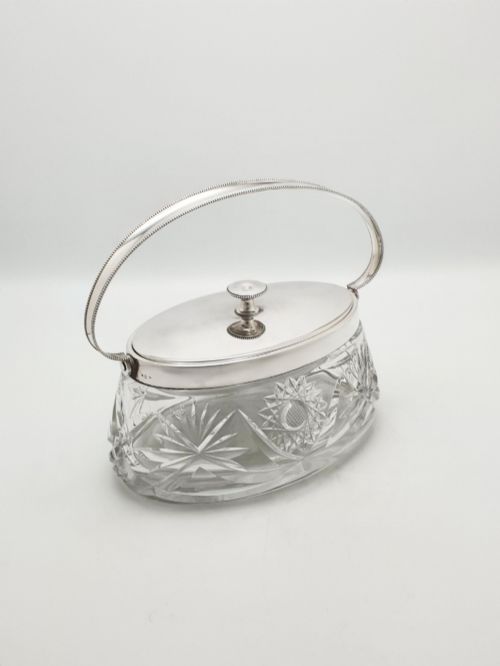
The dominant domestic form among these pieces is the biscuit barrel, appearing frequently alongside tea caddies, inkstands, and specialised novelty containers. These items reflect the elaborate hospitality customs of the late 19th and early 20th centuries.
Materials extend beyond plain metal to incorporate cut glass liners, ceramic bodies, oak, and interior linings of velvet or silk. Makers combined metal mounts with organic elements to create functional table centerpieces and personal receptacles.
Materials and Technique
Manufacturers applied a thin layer of silver over a base metal, frequently utilising Sheffield plating techniques or later electroplating methods developed during the Victorian period. This allowed workshops to produce substantial decorative items at a fraction of the cost of solid silver.
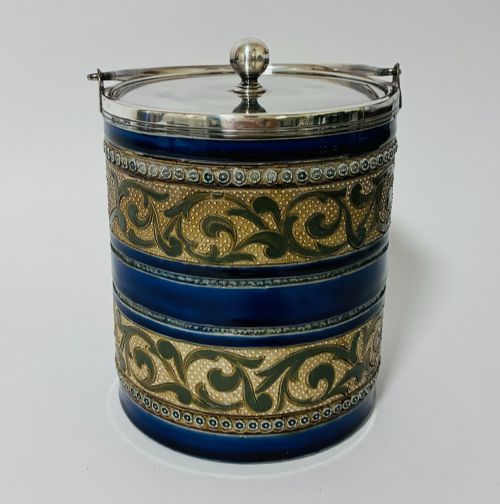
Composites of wood, such as oak and rosewood, were fitted with hinged metal lids, mounts, and handles. Ceramic bodies from potteries like Doulton Lambeth and Spode were combined with pierced or embossed metal collars and swing handles.
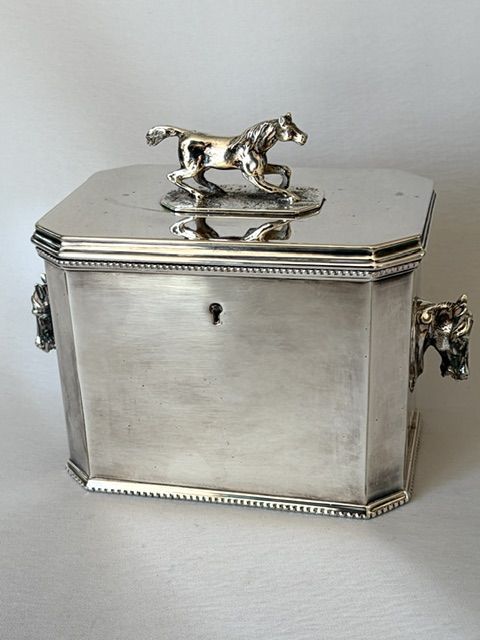
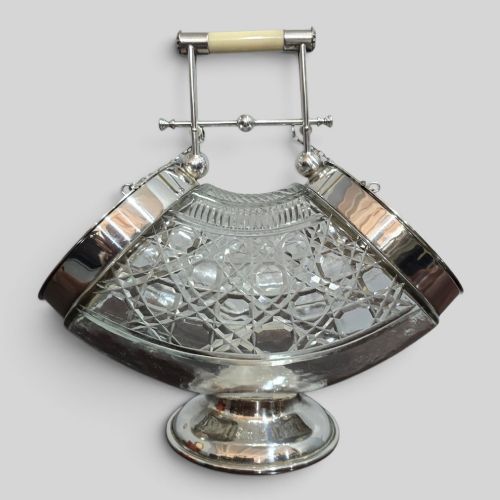
Cut glass and hobnail glass inserts were shaped to fit snugly within metal frames, often accompanied by locking mechanisms, push-button warmers, and cast figural finials depicting animals or heraldic motifs.
Silver Plated Box Retail Price Guide 2026
Typical asking prices for silver plated box among the pieces listed under this phrase on Sellingantiques today, from the lower quarter to the upper quarter. They describe what is for sale here now, not the wider market.
Materials documented across the inventory include silver plate, oak, cut glass, velvet, leatherette, and ceramic bodies.
Distinctions in Execution
The weight and thickness of the underlying metal plate determine durability and resistance to wear through decades of polishing. Substantial castings retain crisp relief in embossed or chased decorative motifs, whereas lighter pieces lose surface definition.
The integration of secondary materials defines the calibre of a piece, such as the clarity of cut glass liners, the precise joinery of oak and rosewood bodies, and the smooth operation of hinged lids and folding mechanisms.
Attribution to documented makers such as Mappin and Webb, Elkington, or Martin Hall indicates higher standards of workshop execution, often confirmed by maker marks stamped into the base or rim.
Martin Hall And Co·Mappin And Webb·Elkington·Robert And Belk·Fenton Bros·Cooper Bros·Thomas Bradbury·Deykin And Sons·Lee And Wigfull·F Cobb
The Silver Plated Box Glossary
- Biscuit barrel
- A specialised lidded container designed to hold dry biscuits on the dining table. They frequently feature ceramic or cut glass bodies encased in silver plate mounts with swing handles.
- Electroplating
- A chemical process introduced in the nineteenth century for depositing a layer of silver onto a base metal using electrical current. This technique superseded older Sheffield plating methods.
- Tantalus
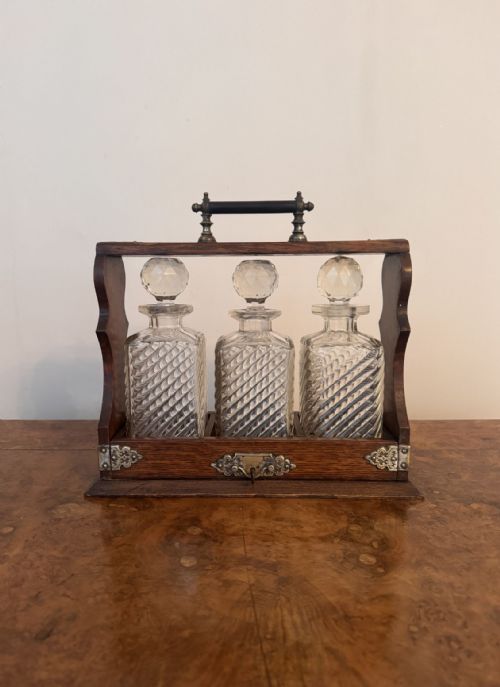
- A locking wooden frame fitted with metal handles and mounts that secures decanters or boxes while allowing their contents to remain visible. They typically require a key to release the bottles.
- Tea caddy
- A small lidded box or canister created to store loose tea leaves securely. Examples in this category often utilise silver-plated mounts paired with wood or ceramic bodies.
- Vesta case
- A small pocket-sized metal box manufactured to hold wax matches. Many examples incorporate novelty shapes or hinged lids for daily utility.
Silver Plated Box: Frequently Asked Questions
What were silver plated boxes used for?
These receptacles served specific domestic functions in nineteenth and early twentieth-century households, ranging from storing dry biscuits and tea leaves to holding stamps, tobacco, or desk accessories.
Larger vessels sat upon dining tables during formal meals, while smaller caddies and boxes remained in studies, drawing rooms, or dressing areas for personal use.
How do I clean silver plate?
Maintenance requires gentle cleaning with a soft cloth and a specialised silver polish formulated not to strip the plated surface. Avoid harsh abrasive cleaners that expose the base metal underneath.
Regular, light wiping preserves the shine and prevents heavy tarnish buildup on embossed or engraved decorative details.
How can I tell the period?
Dating relies on a combination of manufacturing styles, material choices, and stamped maker marks or registry numbers found on the base or rim. Victorian pieces often display heavy embossing and complex figural finials.
Edwardian and later iterations tend toward cleaner lines, while Art Deco pieces from the 1930s introduce geometric motifs and synthetic linings.
Are glass liners original?
Many biscuit barrels and inkstands retain their fitted cut glass or ceramic liners, which were individually blown or moulded to fit the specific metal frame. Replacements are common due to accidental breakage over time.
Matching liners should fit securely within the metal collar without excessive movement or rattling.