

Silver Plate Centrepiece
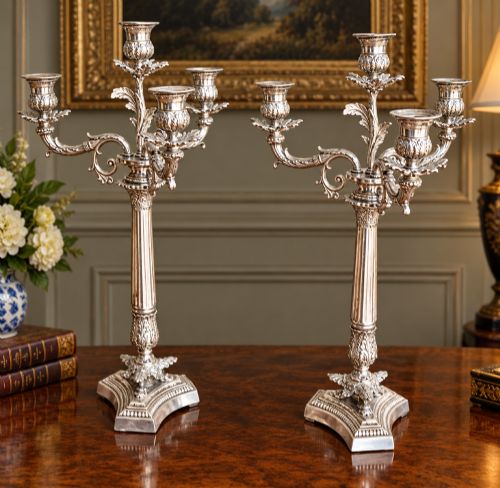
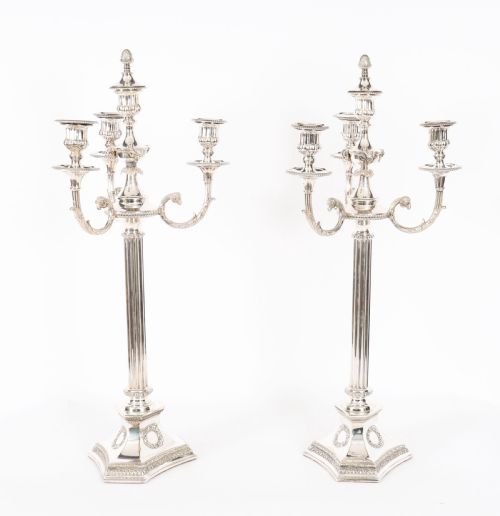
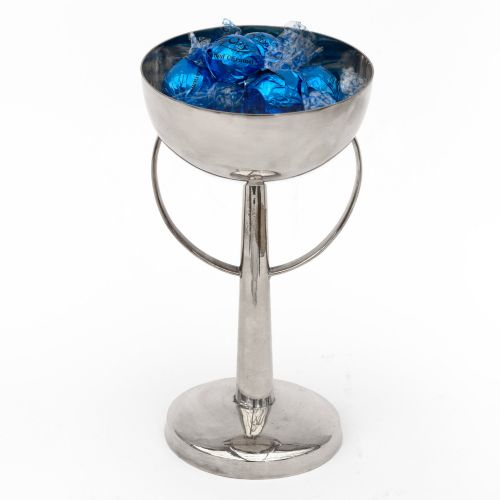
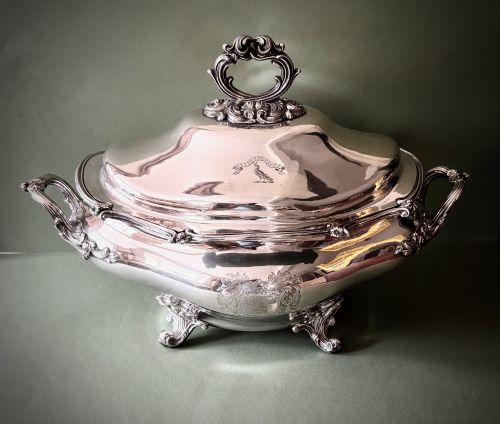
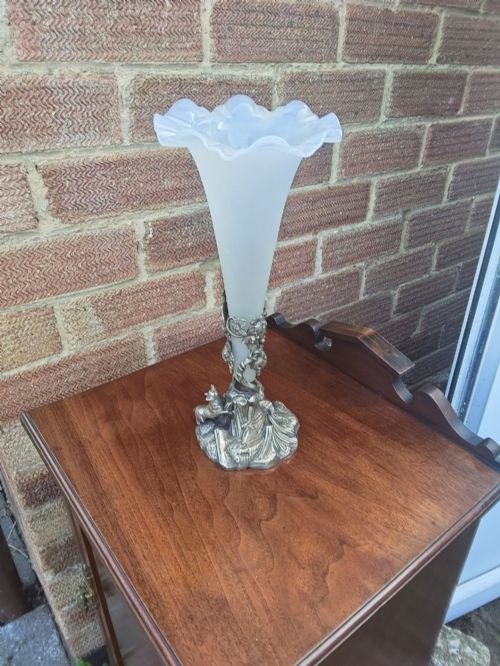
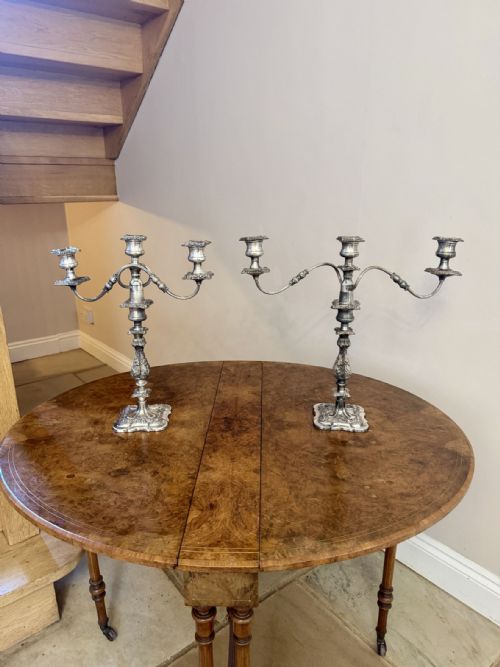
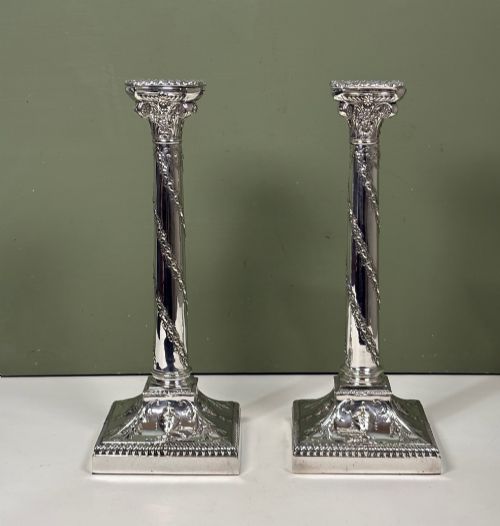
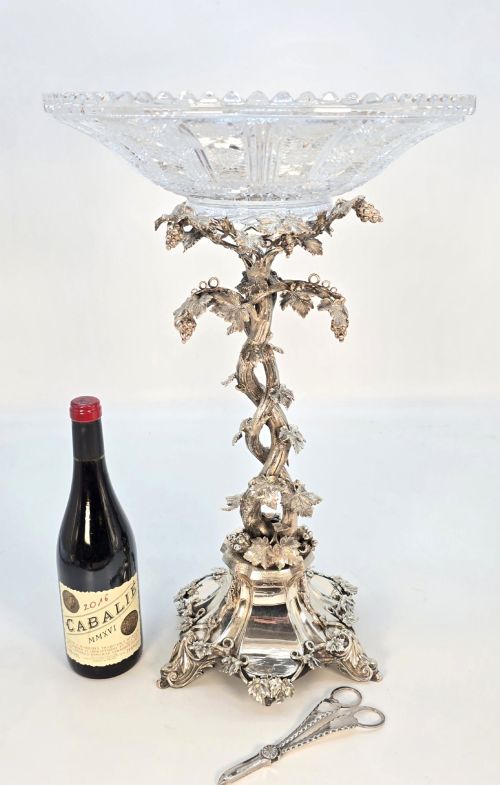
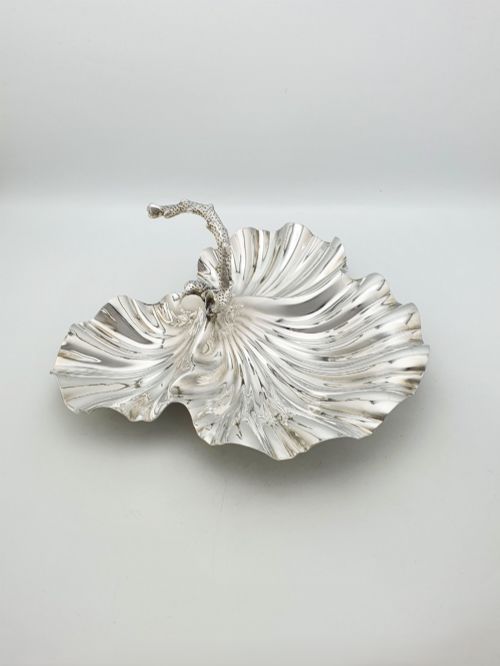
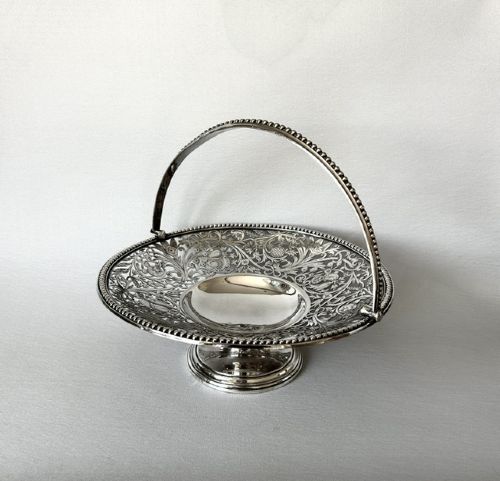
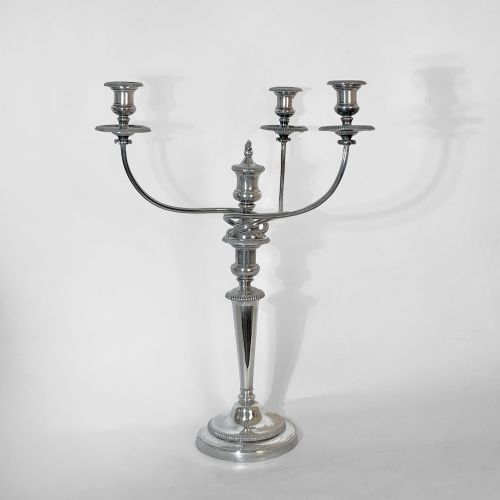
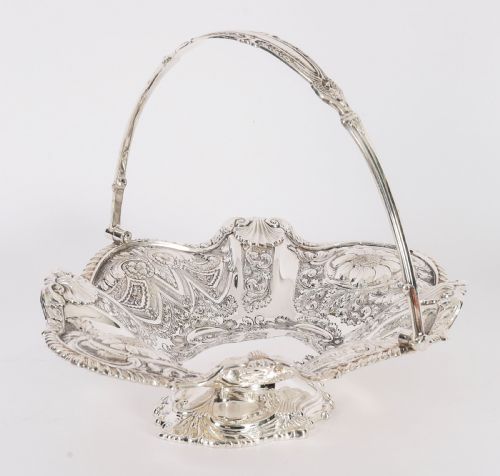
A silver plate centrepiece anchors a dining table with substantial presence, combining reflective metal, cut glass or coloured vessels to draw the eye.
How they were made
Early examples utilise Old Sheffield Plate, a technique fusing a thin sheet of silver onto a heavier copper core, often identifiable by subtle copper seams visible along edges.
Later nineteenth-century pieces rely on electroplated nickel silver, abbreviated as EPNS, where an electrical current bonds pure silver onto a white metal alloy base.
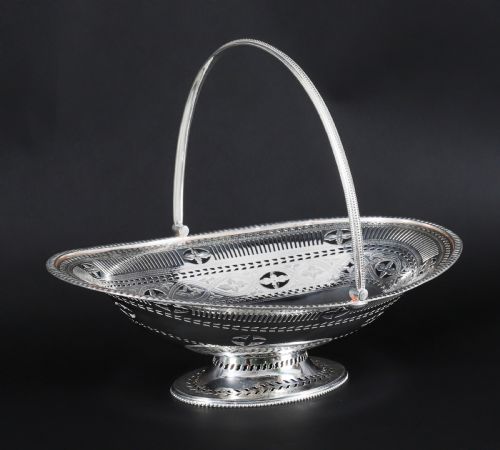
Ornate details such as floral repoussé rims, cast figural supports, and pierced wirework require skilled hand-chasing, soldering, and assembly by silversmiths.
What varies in quality
The crispness of cast ornamentation and the depth of hand-chasing differentiate superior pieces from mass-produced items, particularly in floral or figural motifs.
The survival of the original plating determines long-term visual appeal, as heavy wear reveals the base copper or white metal beneath.
The integrity and quality of associated components, such as heavy hand-cut glass inserts, vaseline glass bowls, or matching multi-piece suites, elevate the importance of the whole object.
Silver Plate Centrepiece Retail Price Guide 2026
Typical asking prices for silver plate centrepiece among the pieces listed under this phrase on Sellingantiques today, from the lower quarter to the upper quarter. They describe what is for sale here now, not the wider market.
Several pieces incorporate whimsical animal figures into their functional designs, including articulated swans, sitting camels, and stalking stags.
George W. Scott & Sons Ltd·Hawksworth Eyre·Garrard & Co·Matthew Boulton·Mappin & Webb·Walker and Hall·James Dixon & Sons·Henry Wilkinson & Co·Deykin & Sons
The Silver Plate Centrepiece Glossary
- Old Sheffield Plate
- An early method of fusing silver and copper together before rolling them into sheets. This technique predates electroplating and displays a characteristic warm tone.
- EPNS
- Electroplated Nickel Silver, a process introduced in the nineteenth century where a silver coating is applied to a base metal using electricity. It became the standard industrial method.
- Epergne
- A large table centrepiece featuring a central tier with multiple branching arms or hanging baskets. They typically hold fruit, sweetmeats, or glass flower trumpets.
- Repoussé
- A metalworking technique where the design is hammered into relief from the reverse side. It creates rich, tactile surface decoration on baskets and bowls.
- Vaseline glass
- A type of glass coloured with uranium oxide that emits a distinct yellow-green fluorescence under ultraviolet light. It frequently accompanies Victorian metalwork.
- Comport
- A shallow decorative bowl elevated on a stem and foot. They form part of nineteenth-century dessert services.
Silver Plate Centrepiece: Frequently Asked Questions
How do I clean an antique silver plate centrepiece?
Maintenance requires gentle cleaning with a mild, non-abrasive silver polish and a soft cloth to preserve the thin layer of precious metal. Avoid aggressive scrubbing, especially on Old Sheffield Plate where the underlying copper can emerge.
Glass components, such as epergne trumpets or ruby glass liners, should be washed separately in warm soapy water. Care must be taken around weighted bases and delicate soldered joints.
What is the difference between Old Sheffield Plate and electroplate?
Old Sheffield Plate involves mechanically fusing a sheet of silver to a copper ingot using heat before rolling it into workable metal. This technique creates a distinctive weight and tone.
Electroplate, introduced in the mid-nineteenth century, uses an electrical bath to bond silver particles onto a nickel alloy base. This later method allowed for sharper stamped and cast ornamentation.
How can I tell the period of a centrepiece?
Stylistic indicators provide the clearest guide to dating, with heavy classical motifs pointing to the Georgian period and elaborate naturalism or revival styles suggesting the Victorian era. Manufacturing techniques also help narrow the timeframe.
Maker marks, registration diamond kite marks, and the presence of fused copper seams on older pieces offer precise chronological markers for collectors.