

Vintage Silver Centerpiece
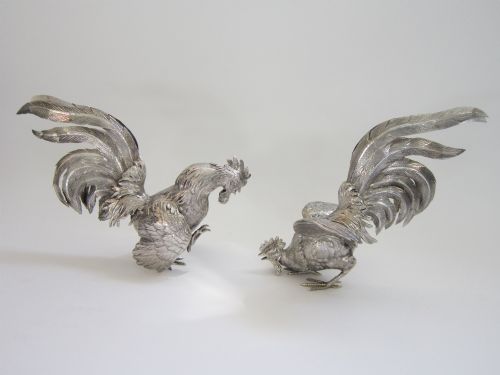
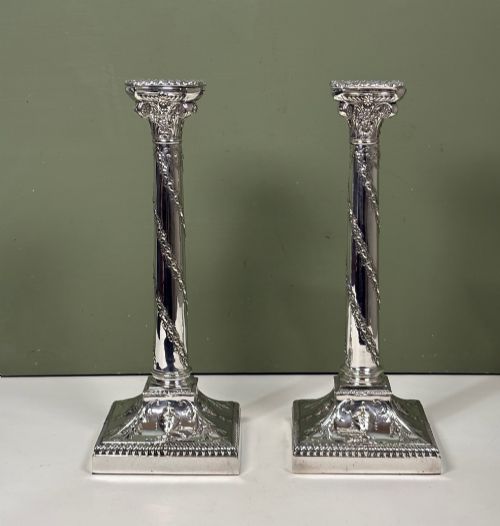
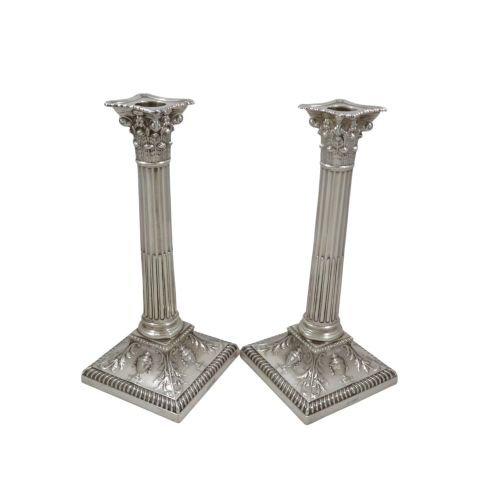
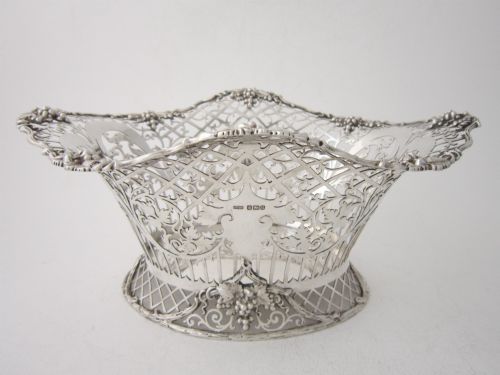
A vintage silver centerpiece anchors a dining table or sideboard with presence, bringing historic form and gleaming metal to the room.
Vintage Silver Centerpiece
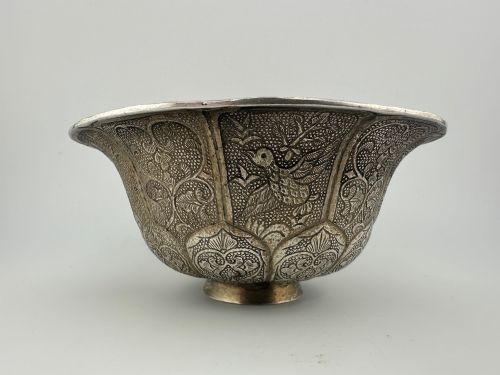
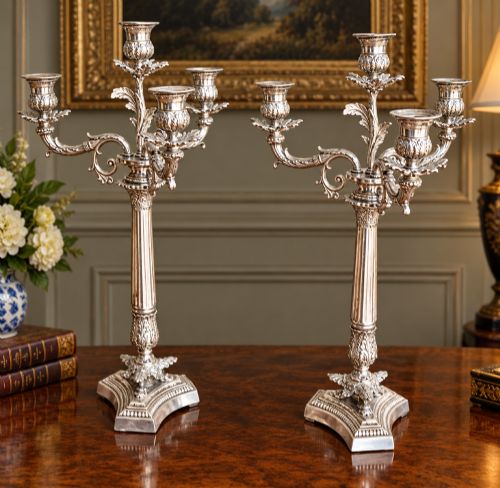
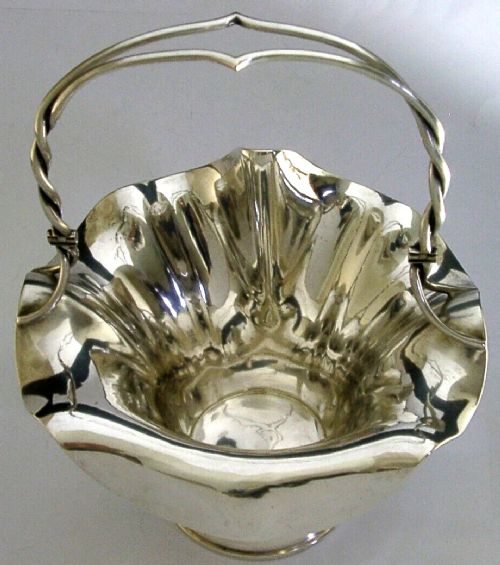
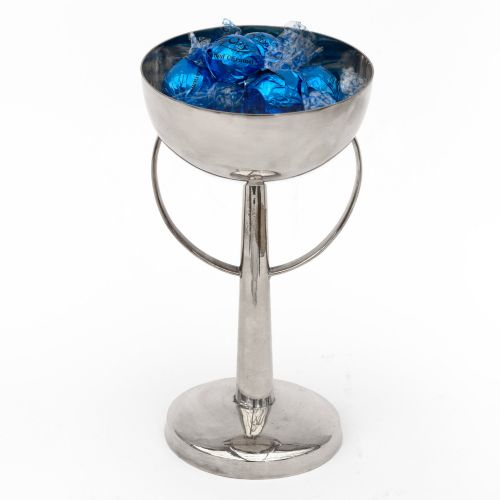
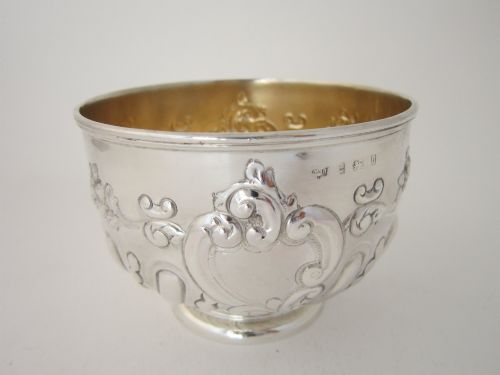
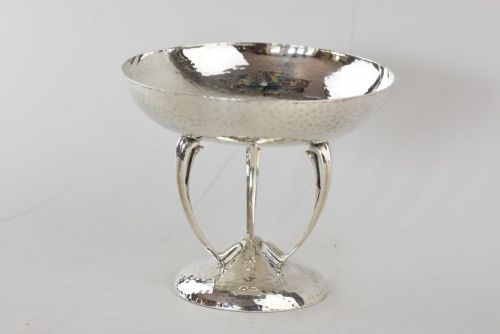
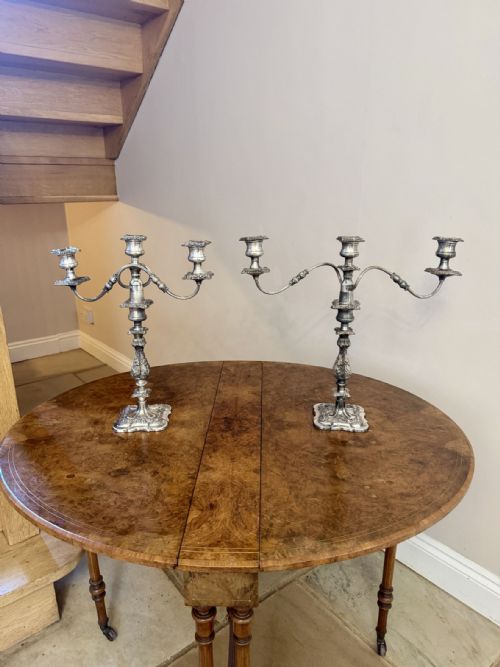
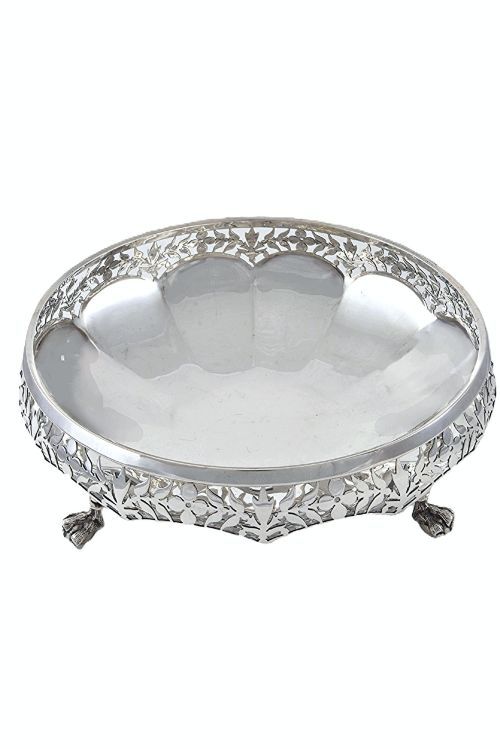
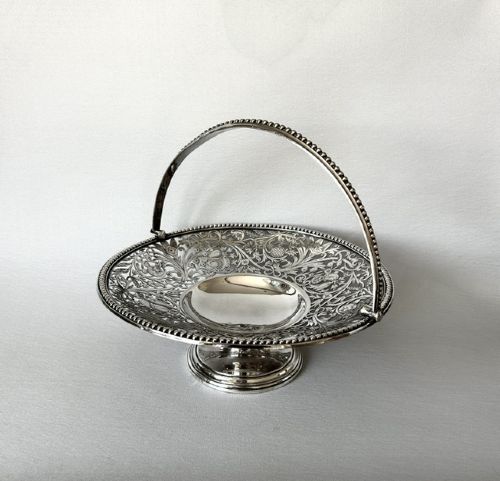
A vintage silver centerpiece spans a wide variety of dramatic table forms designed to command attention in domestic settings. The pieces listed here frequently appear as large fruit bowls, handled baskets, multi-branch candelabras, and low tazzas intended for prominent display.
Originating across the nineteenth and twentieth centuries, these items reflect diverse aesthetic movements from Victorian and Edwardian periods through to Art Nouveau and Arts and Crafts designs. Buyers encounter both solid sterling silver and plated alternatives, including Old Sheffield Plate and EPNS, spanning eras from the 1800s to the mid twentieth century.
Materials and Techniques
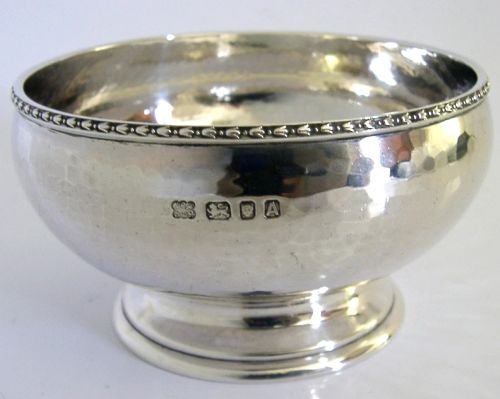
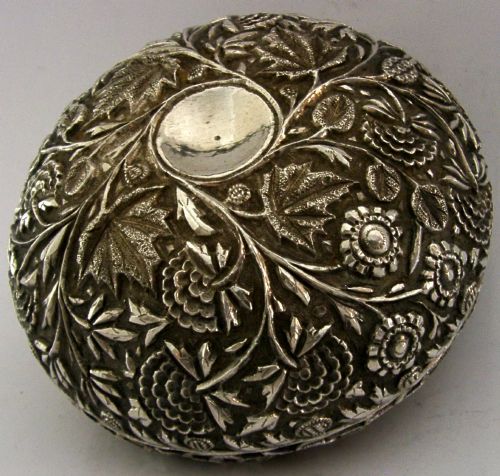
Items in this collection utilise sterling silver, silver plate, Old Sheffield Plate, copper, brass, and cut glass, often combined with weighty metal bases for stability. Silversmiths employed techniques such as hand hammering, piercing, repoussé decoration, and casting to shape the metal.
Surface details demonstrate skilled craftsmanship through planished hammer marks, chased floral motifs, and applied cast borders in styles ranging from Neoclassical to Rococo Revival. Plated items apply silver layers over copper, brass, or nickel silver substrates using historical plating methods.
Listings feature items spanning the 19th century through the 1960s, executed in sterling silver, silver plate, brass, copper, and cut glass.
Defining Quality
The distinction between standard items and superior examples lies in the weight of the metal and the crispness of the chased or cast ornament. Thicker gauge silver and robust plated foundations provide a substantial feel that lighter productions lack.
Artistry in design execution separates everyday items from exceptional works, visible in balanced proportions, detailed repoussé work, and harmonious integration of mixed materials like cut glass and silver rims.
Goldsmiths and Silversmiths Company·Mappin and Webb·John Hunt
The Vintage Silver Centerpiece Glossary
- Sterling silver
- A silver alloy containing 92.5 percent pure silver by mass, valued for its intrinsic metal content and durability.
- Silver plate
- A base metal such as copper or brass coated with a thin layer of silver, offering the appearance of solid silver at a different scale of weight and cost.
- Repoussé
- A metalworking technique where the smith hammers the metal from the reverse side to form raised decorative patterns in relief.
- Tazza
- A shallow ornamental bowl or cup mounted on a stem and foot, frequently utilised for serving fruit or sweets.
- Old Sheffield plate
- An early form of plated metal produced by fusing a sheet of silver to a copper ingot before rolling them into sheets together.
Vintage Silver Centerpiece: Frequently Asked Questions
How were these centerpieces used?
These large vessels and candelabras sat in the middle of dining tables during formal meals to hold fruit, flowers, or illumination. They served as ornamental focal points that demonstrated the host's hospitality and taste.
Over time, many transitioned to sideboards or mantelpieces when formal dining habits shifted. Today, they continue to function as decorative display pieces or practical containers for seasonal arrangements.
What is the difference between sterling and plate?
Sterling silver is a solid precious metal alloy regulated by legal standards, whereas silver plate consists of a thin layer of silver bonded to a base metal like copper or nickel silver.
Solid pieces carry intrinsic metal value and heavier weight, while plated examples provided an accessible way for Victorian and Edwardian households to achieve a grand table setting.
How do I date a silver centerpiece?
Dating relies on a combination of assay office hallmarks on sterling pieces, stylistic markers, and manufacturing methods. Victorian and Edwardian items often feature specific floral motifs or classical revival details characteristic of their decade of production.
Plated items without hallmarks require assessment of the construction techniques, base metal visibility, and prevailing design style to determine their era.
How do I care for silver on a table?
Maintaining these metals involves gentle cleaning with specialised silver cloths and non-abrasive polishes formulated to preserve historic patinas and plated surfaces. Regular dusting prevents tarnish accumulation in recessed chased or repoussé details.
Keeping them away from direct moisture and acidic foods protects both the silver layer and any integrated cut glass or brass elements.