





Cabinet of Curiosities Object
A cabinet of curiosities object brings the strange wonders of the natural world and early human ingenuity straight into a modern room.

Cabinet of Curiosities Object
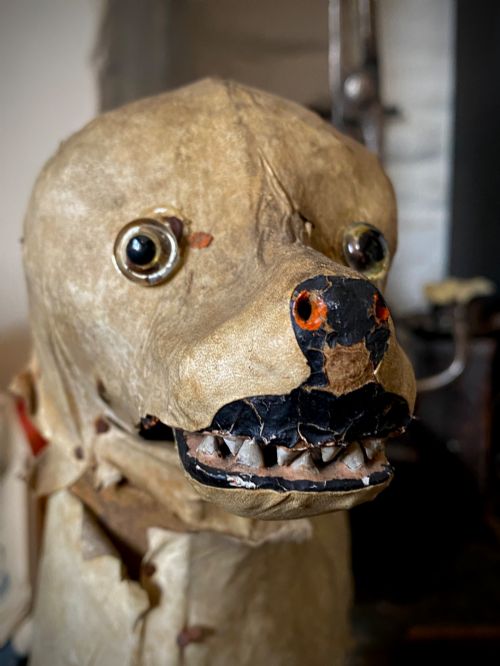
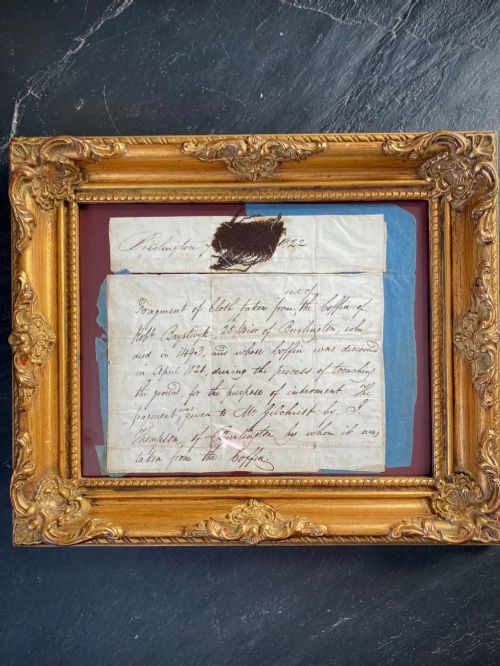
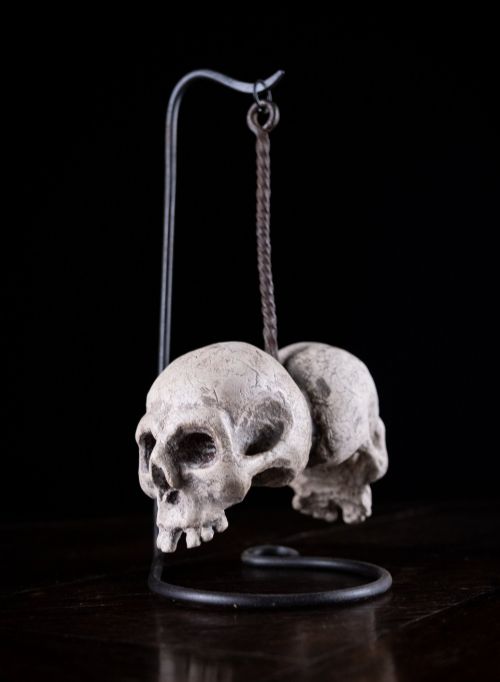
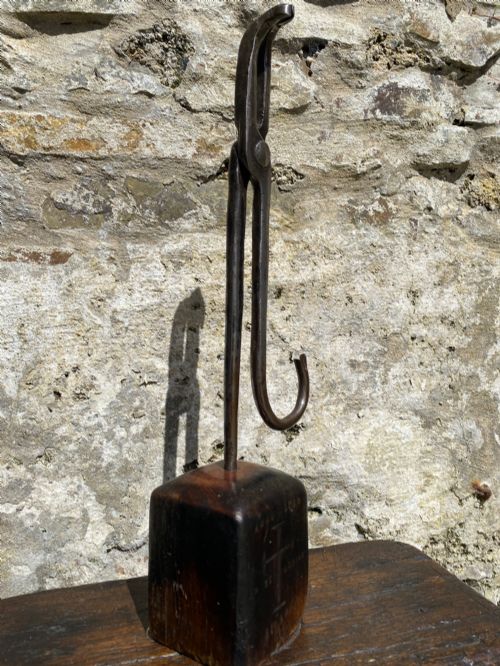
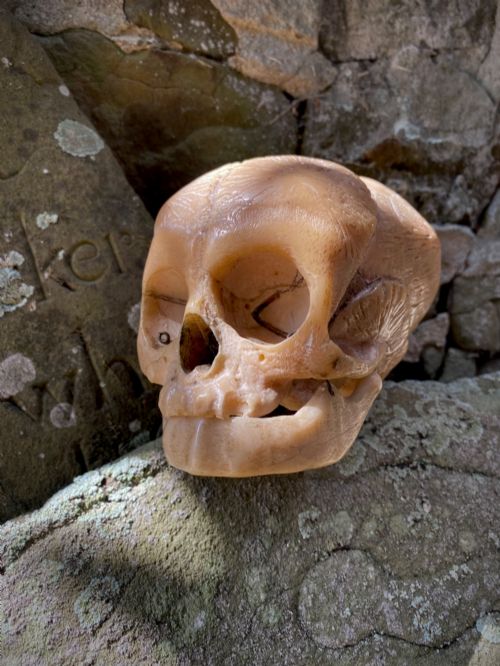
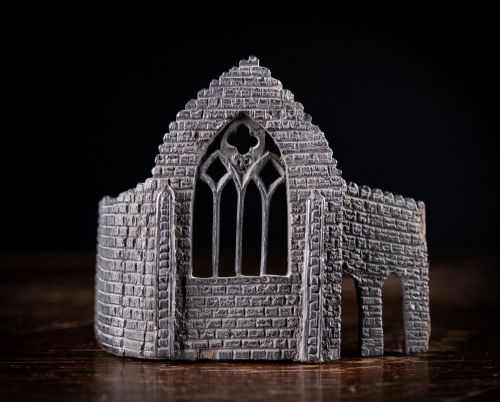
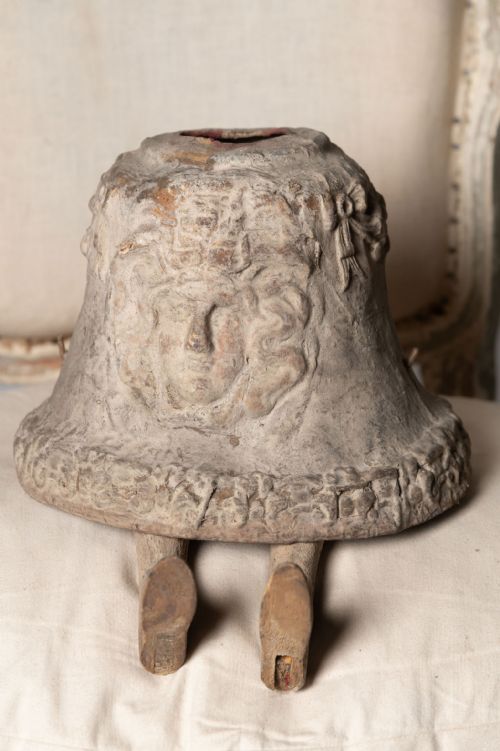
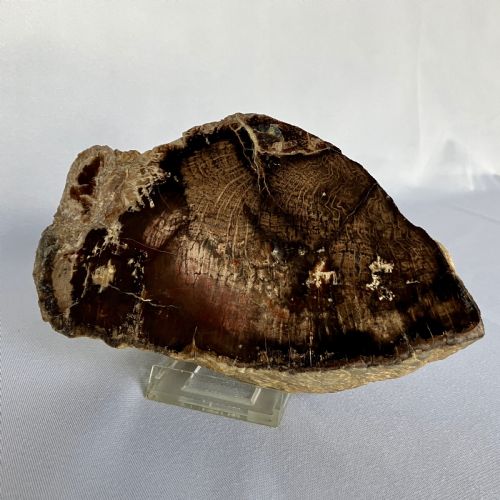
A cabinet of curiosities object encompasses a diverse array of natural history specimens, scientific instruments, and theatrical props gathered from various eras. When searching for a cabinet of curiosities object, collectors encounter everything from fossilised wood and ammonite clusters to botanical teaching models and anatomical wax heads.
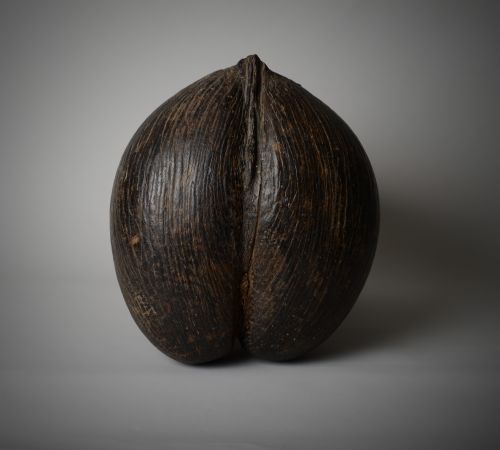
The pieces originating from the nineteenth and Victorian periods appear frequently alongside older Georgian and pre-sixteenth century items. These artefacts reflect a long-standing fascination with collecting unusual specimens, ranging from coco de mer shells to carved bone sculptures.
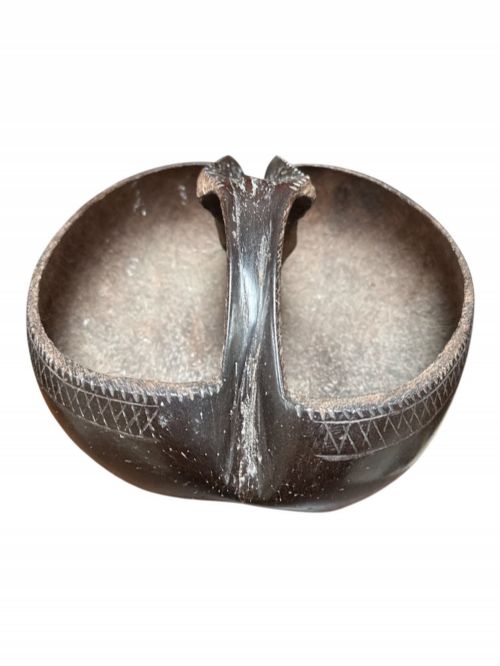
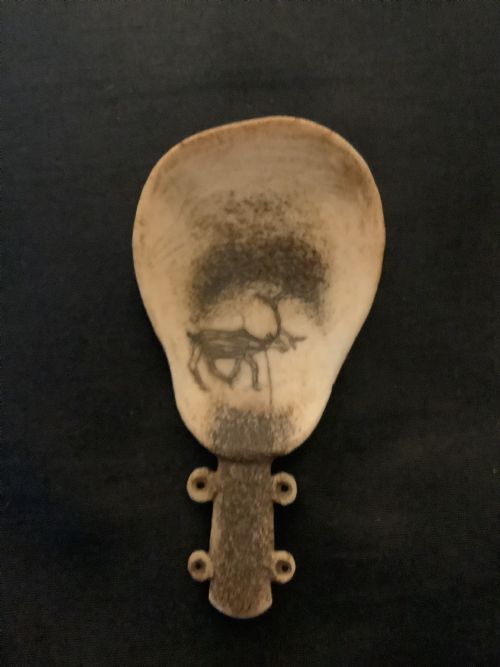
Objects span multiple global origins, incorporating Meiji period Japanese bronzes, Italian theatre props, and Inuit antler spoons. Each piece serves as a tangible fragment of historical curiosity and scientific study.

Materials and construction
Makers utilised organic materials such as bone, ivory, boxwood, horn, and coco de mer shell, shaping them through carving and polishing. Artisans also employed metals including brass, silver, and bronze for scientific instruments and sculptural figures.
Natural specimens like fossils, teeth, and shells required minimal human intervention beyond mounting and cleaning, whereas items like anatomical models and theatrical props demanded detailed modelling in wax, plaster, and wood.
Cabinet of Curiosities Object Retail Price Guide 2026
Typical asking prices for cabinet of curiosities object among the pieces listed under this phrase on Sellingantiques today, from the lower quarter to the upper quarter. They describe what is for sale here now, not the wider market.
Current listings include organic materials such as coco de mer shell, bone, and horn alongside brass, silver, and glass objects spanning multiple centuries.
Qualities that distinguish the pieces
The distinction between items rests upon the integrity of the material and the precision of the carving or preparation. Natural specimens with well-preserved structures and clear provenance command greater attention from collectors.
Handmade artefacts display varying degrees of sculptural nuance, particularly in detailed figures and teaching aids where anatomical accuracy or artistic expression defines the execution.
Simon Troger·Calderoni Gioielli
The Cabinet of Curiosities Object Glossary
- Coco de mer
- A large double coconut native to the Seychelles, prized in historical collections for its unusual shape and organic origins.
- Okimono
- A Japanese term for a standalone decorative object or carving designed for display.
- Teaching aid
- A three-dimensional model or specimen utilised for educational instruction in botany, anatomy, or natural history.
- Scientific instrument
- A device created for measurement, navigation, or observation, such as a travelling compass or sundial.
- Fossil
- Mineralised remains or traces of ancient organisms preserved in rock, ranging from ammonites to ancient teeth.
Cabinet of Curiosities Object: Frequently Asked Questions
What is a cabinet of curiosities object?
These pieces originate from historical collections assembled to display unusual natural specimens, scientific instruments, and handcrafted sculptures. They represent a tradition of gathering curious items from the natural world and human history.
Items range from fossilised specimens and shells to theatrical props and anatomical models, reflecting diverse eras of scientific inquiry and decorative arts.
How were these objects used historically?
Scholars, scientists, and wealthy collectors housed these items in dedicated rooms or cabinets to study natural history and display exotic materials. Teaching aids served educational purposes in academic settings.
Other items functioned as navigational tools, theatrical elements, or decorative sculptures designed to provoke wonder and conversation among visitors.
How do I display them at home?
These pieces suit surface display on desks, bookshelves, or dedicated display cabinets where their tactile and visual qualities can be closely observed. Combining natural specimens with carved objects creates a traditional aesthetic.
Providing stable placement and avoiding direct environmental extremes protects delicate organic materials like wax, bone, and shell.
How can I tell different periods apart?
Dating relies upon material analysis, manufacturing techniques, and stylistic markers specific to eras such as the Georgian period, Victorian era, or early twentieth century. Historical records and signatures on instruments offer further clues.
Natural specimens often carry geological age markers independent of the human intervention date, distinguishing ancient fossils from later carved artefacts.