



Antique Steel Tool
An antique steel tool brings utilitarian function and enduring metalwork into daily spaces, spanning hearth furniture to precision woodworking planes.
Antique Steel Tool
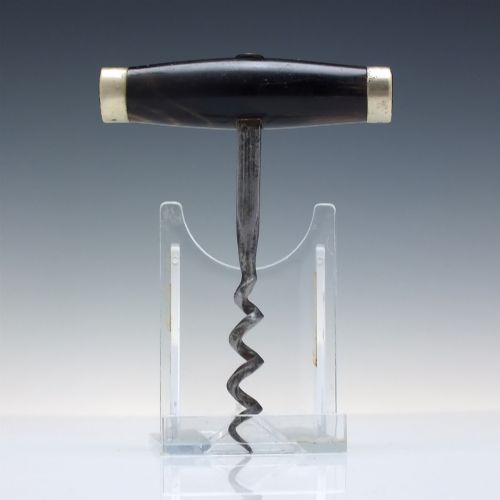
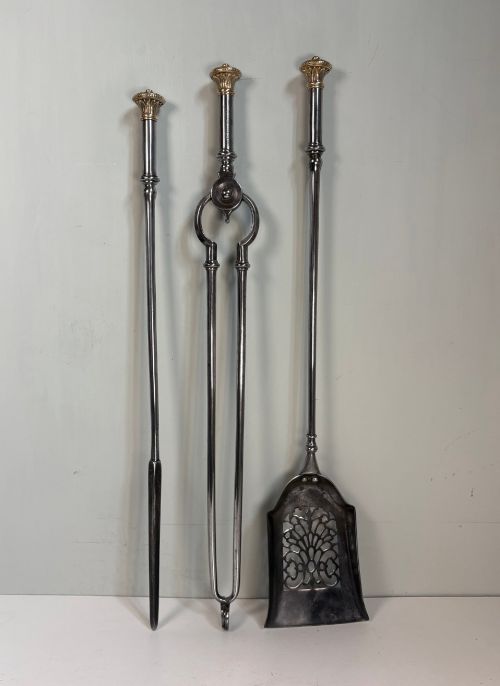
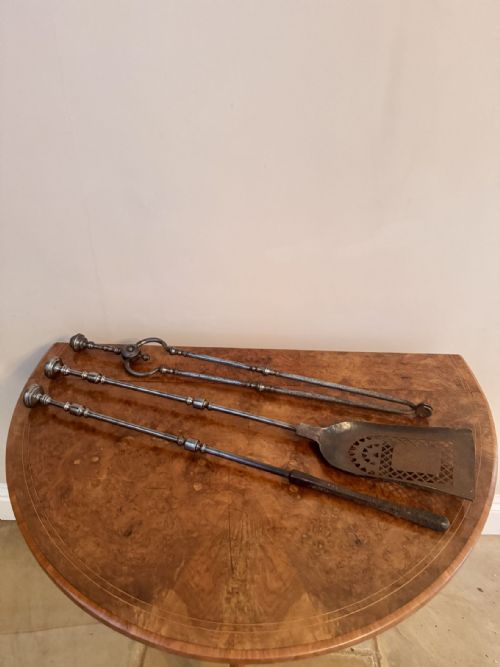
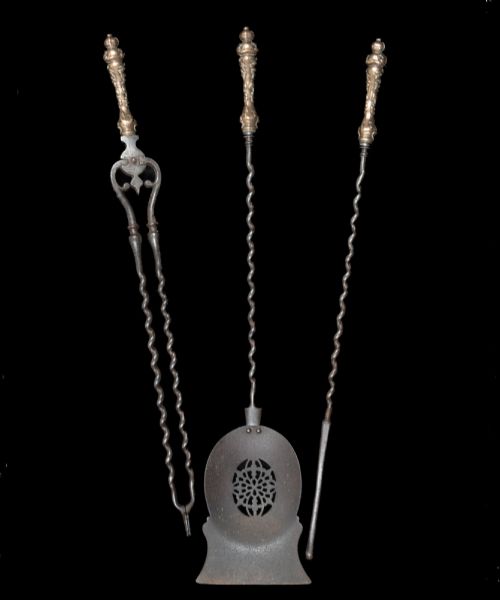
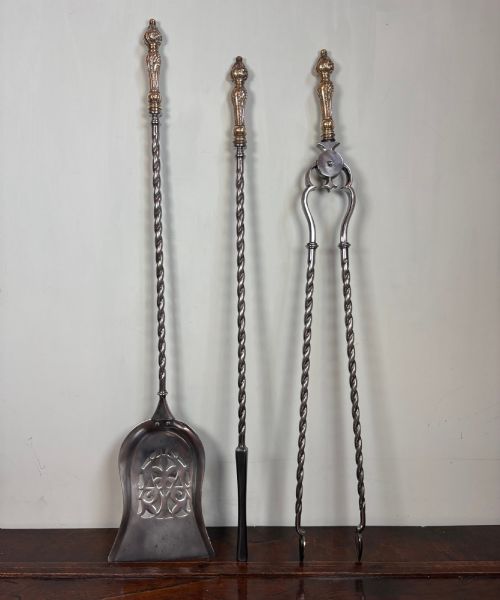
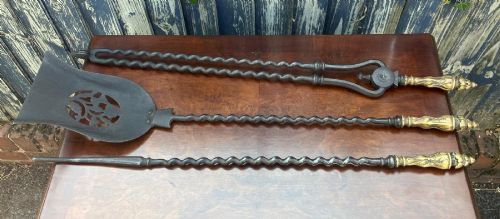
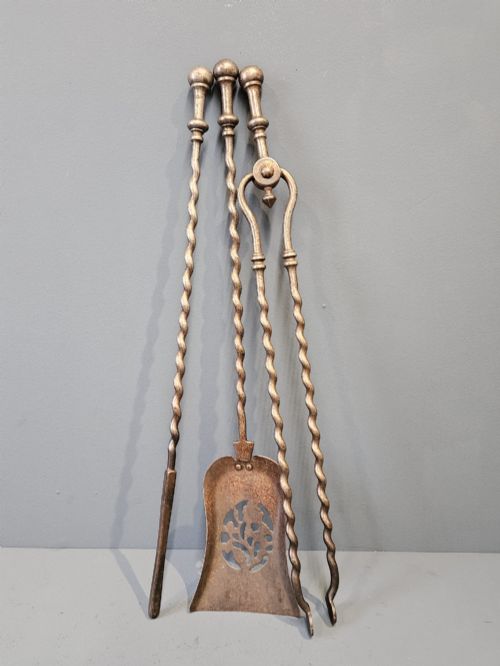
When you search for an antique steel tool, you encounter a diverse range of objects originating primarily from the Georgian, Victorian, and Edwardian eras. The most common manifestations on this page are domestic hearth implements, including fire irons, companion sets, and pokers.
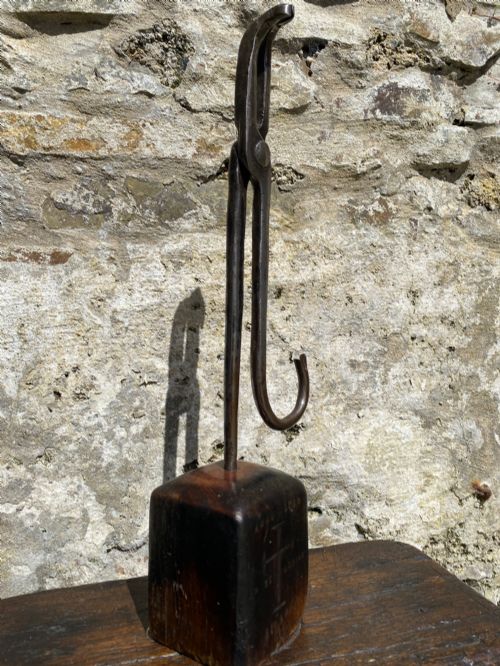
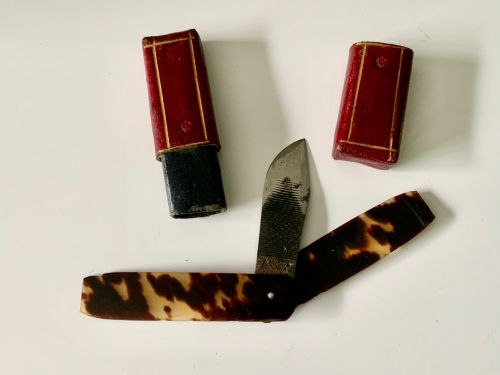
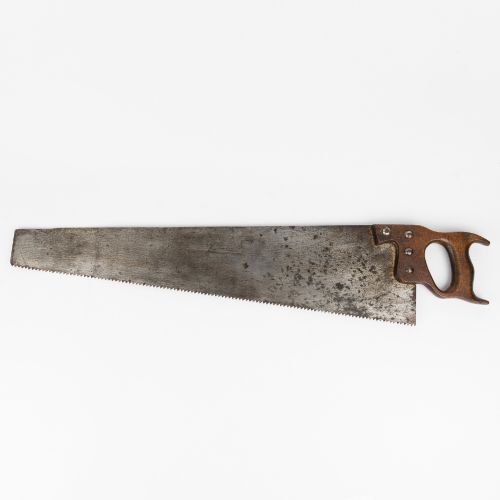
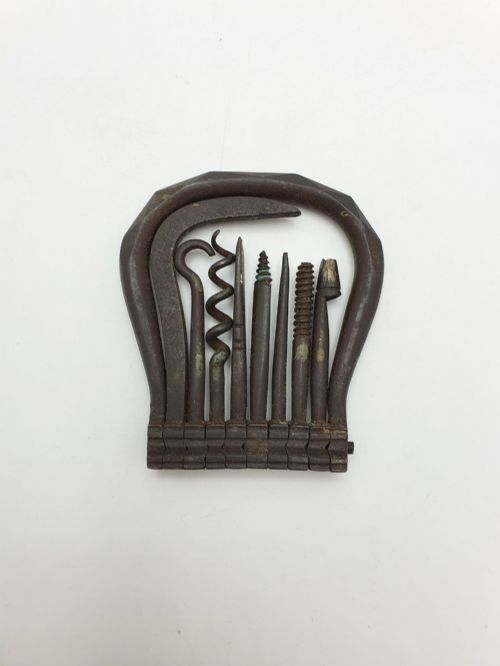
Beyond fireside accessories, the selection encompasses specialised instruments such as woodworking planes, medical saws, pocket knives, and curiosities. These items bridge utilitarian workshop duties and refined domestic life across the nineteenth and early twentieth centuries.
Materials and construction
Makers utilised forged steel alongside complementary brass, iron, and gunmetal to construct these implements. Polished steel surfaces and burnished finishes provide durability while catching the light around the fireplace or workbench.
Many items incorporate secondary materials such as hardwoods, leather sheaths, and tortoiseshell details to enhance grip and appearance. These combinations highlight period craftsmanship geared towards both heavy use and decorative display.
Antique Steel Tool Retail Price Guide 2026
Typical asking prices for steel tool among the pieces listed under this phrase on Sellingantiques today, from the lower quarter to the upper quarter. They describe what is for sale here now, not the wider market.
Listings span the eighteenth, nineteenth, and early twentieth centuries, incorporating materials like gunmetal, tortoiseshell, and polished steel.
Assessing craftsmanship
The degree of refinement in forged joints and decorative engraving separates standard utility items from higher status examples. Pieces featuring cast brass mounts, gilt detailing, or signed maker plates demonstrate superior workshops of origin.
Completeness within sets of fire irons or matched companion groupings indicates original ownership standards. Surface preservation, particularly on polished steel and burnished components, dictates the visual impact of each piece.
Norris London·Maw London·Jowika
The Antique Steel Tool Glossary
- Fire irons
- A matched set of domestic hearth implements usually comprising a poker, tongs, and shovel. These tools were essential for managing open coal and wood fires.
- Smoothing plane
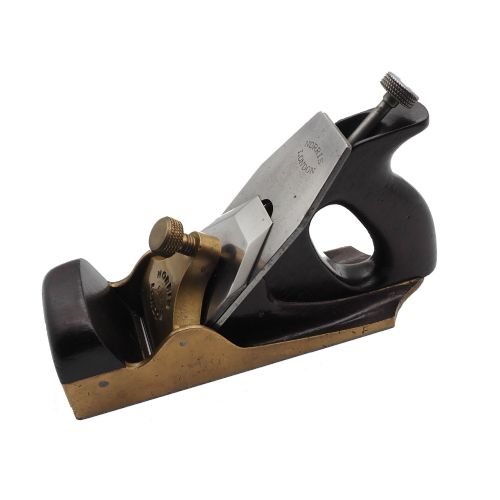
- A woodworking hand tool utilised for final timber surfacing. Adjustable models feature precise mechanical controls for depth of cut.
- Tinder tube
- A small cylindrical container designed for carrying material to catch sparks from a flint and steel. They served as portable fire starters before the widespread adoption of matches.
- Chatelaine
- A decorative belt hook suspended with functional household items such as scissors, keys, or tools. Victorian examples combined utility with personal adornment.
- Draw bore pin
- A tapered metal pin used in traditional timber framing to align joinery holes before pegging. Carpenters relied on these sturdy implements during assembly.
Antique Steel Tool: Frequently Asked Questions
How do I clean polished steel tools?
Maintain polished steel surfaces by applying light protective oils to prevent oxidation and rust accumulation in damp environments.
Avoid abrasive cleaners that remove historical burnishing and alter the original finish achieved by nineteenth-century metalworkers.
Were fire irons meant to be used?
Hearth implements served an active role in managing coal and wood fires within period parlours and drawing rooms.
Many surviving sets show wear patterns consistent with regular domestic use alongside decorative placement near the mantelpiece.
What defines a Georgian fire tool?
Georgian examples often display restrained neoclassical lines, featuring faceted steel shafts paired with cast brass handles.
Proportions remain balanced and classical, reflecting the interior design aesthetics of the late eighteenth and early nineteenth centuries.
How do I identify a Victorian plane?
Victorian woodworking planes frequently incorporate patent adjustment mechanisms, metal soles, and robust hardwood handles.
Maker stamps and patent numbers stamped into the steel body or wooden wedge help pinpoint the exact era of production.