







Antique Metalwork Display
These items of antique metalwork display combine utility and decoration, offering tangible connections to past craftsmanship through copper, bronze, and enamel surfaces.
Antique Metalwork Display
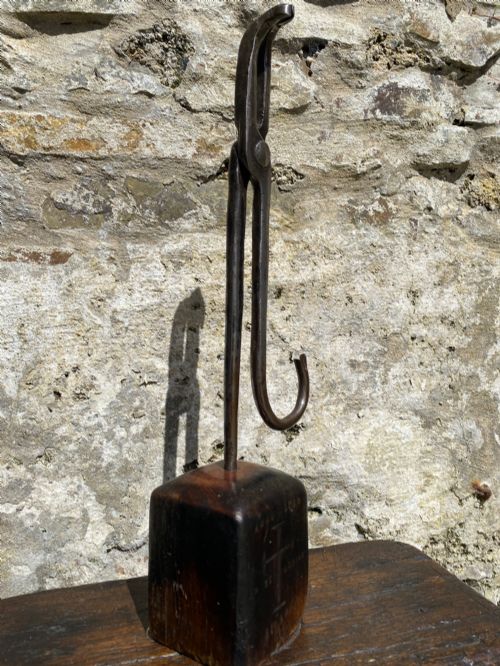
Most pieces date from the nineteenth and early twentieth centuries, spanning the Meiji period and the Arts and Crafts movement. Forms range from large platters and bowls to curious steel items with treen bases.
Objects originate from diverse contexts, including Ottoman folk art, Balkan craft, and Georgian English workshops. Buyers frequently find substantial bronze bowls and copper trays designed for prominent placement.
Materials and construction
Items utilise traditional metalworking methods such as casting, engraving, and surface patination. Bronze and copper pieces demonstrate robust forming techniques, while steel objects incorporate carved wooden elements.
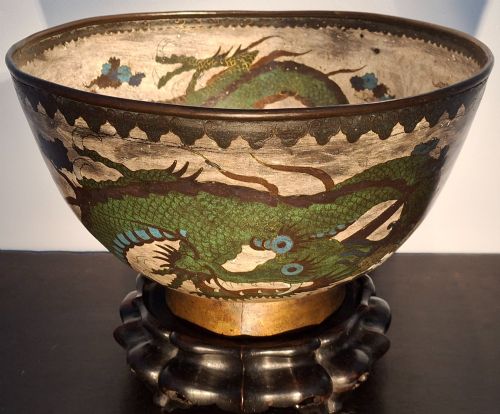
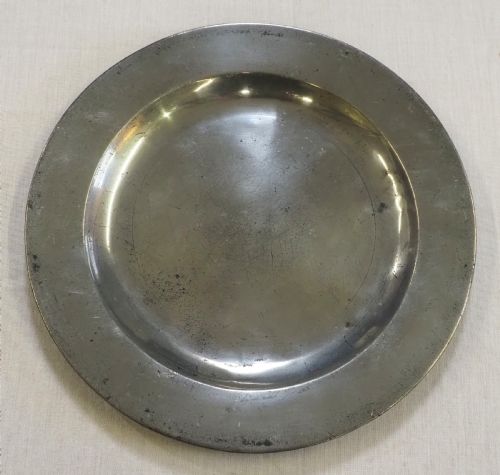
Cloisonne enamel works involve intricate wirework soldered to metal bases to form cells that receive coloured vitreous pastes before firing and polishing. Pewter and brass pieces rely on traditional founding and hammering practices.
Antique Metalwork Display Retail Price Guide 2026
Typical asking prices for metalwork display among the pieces listed under this phrase on Sellingantiques today, from the lower quarter to the upper quarter. They describe what is for sale here now, not the wider market.
One steel curiosity rests upon a carved treen base engraved with a Latin phrase.
Assessing quality and execution
Quality reveals itself through the precision of surface decoration and the integrity of the base material. Finer examples display meticulous enamel work with balanced compositions and crisp, deliberate engraving.
Substantial weight and thoughtful proportion separate standard utility items from presentation pieces. The clarity of signatures on Japanese wares and the sharpness of cast details indicate superior workshop output.
Richard King of London·Hugh Wallis
The Antique Metalwork Display Glossary
- Charger
- A large decorative plate or platter intended for display rather than dining. These substantial pieces often feature elaborate pictorial motifs.
- Cloisonne
- An enamel technique where metal wires form raised partitions on a vessel surface to contain coloured pastes. Artisans fire these pieces multiple times to achieve a smooth finish.
- Treen
- Small wooden household objects and bases carved by hand. Such items frequently support metal curiosities or utilitarian tools.
- Okimono
- A Japanese freestanding ornament intended for display on a shelf or in a tokonoma alcove. These sculptures are typically cast in bronze.
- Patinated
- A surface altered by chemical treatment, age, or use to produce a characteristic coloured sheen. This finish protects the underlying metal while enhancing visual depth.
Antique Metalwork Display: Frequently Asked Questions
How were large chargers displayed?
Large chargers and decorative plates were traditionally stood on sideboards or mounted on walls using specialised wire hangers.
Their substantial size and pictorial designs made them focal points in Victorian and Edwardian interiors.
What is cloisonne enamel?
Cloisonne is an ancient decorating method where thin metal wires are soldered onto a bronze or copper body to create distinct compartments.
These cells are filled with vitreous enamel powders and fired in a kiln before being ground down and polished flat.
How do I care for antique copper?
Antique copper requires minimal intervention to preserve its historic surface and natural patina. Dusting with a soft, dry cloth is usually sufficient for regular maintenance.
Avoid abrasive cleaners or chemical polishes that strip away the aged character accumulated over centuries.
What defines Arts and Crafts metalwork?
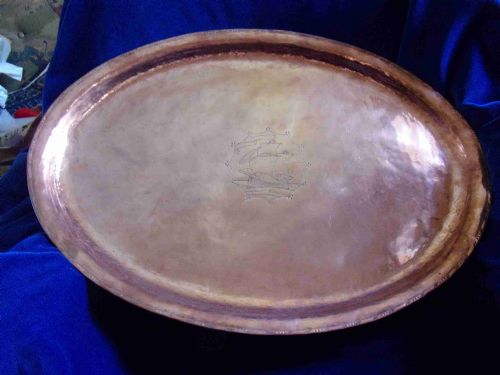
Arts and Crafts metalwork emphasises visible hand craftsmanship, honest materials, and simple utility over mass-produced ornamentation. Makers working in this tradition favoured hammered copper and brass surfaces with minimal decoration.
Items from this movement reflect a rejection of industrial manufacturing in favour of traditional guild techniques.
How can I date bronze bowls?
Dating bronze vessels involves examining the casting method, surface colouration, and stylistic motifs present on the body. Earlier pieces often exhibit hand-finished tool marks and specific regional casting characteristics.
Comparing the decorative style with documented periods provides a reliable timeframe for manufacture.