



Memento Mori Skull
A memento mori skull is a tangible reminder of mortality, taking the form of carved bone, painted canvas or wrought iron to provoke contemplation.
Memento Mori Skull
A memento mori skull on this page appears in various forms, most frequently as sculptural objects, oil paintings, and functional items like walking stick handles or candle holders. These pieces span several centuries, including 18th century examples and 19th century works.
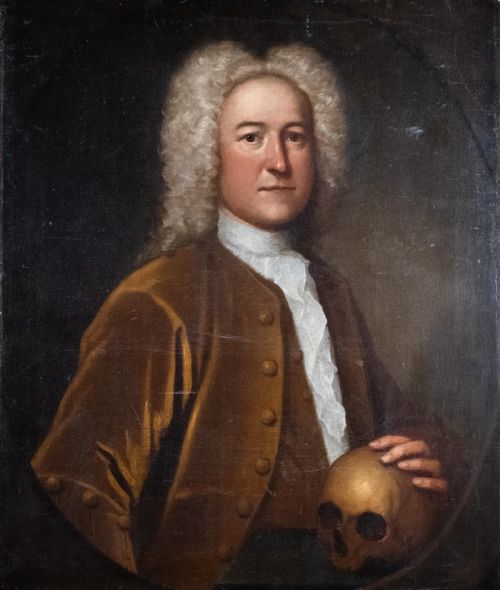
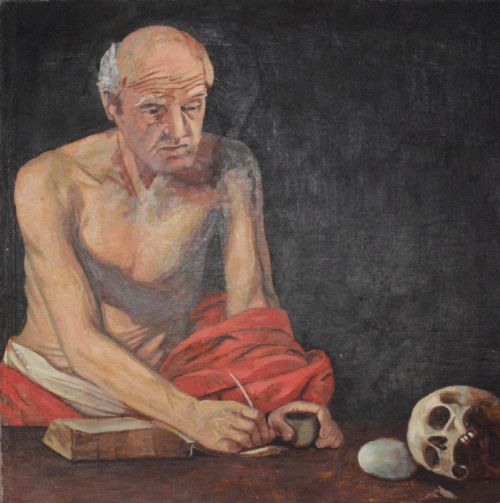
Buyers encounter diverse interpretations ranging from Georgian pine human skull carvings and Italian marble busts to oil paintings depicting Vanitas still life scenes or Saint Jerome. Animal variants such as stag horn handles and rams skull sculptures also populate the selection.
The aesthetic bridges Gothic Revival, Victorian, and early ecclesiastical styles, reflecting a deep historical fascination with mortality and remembrance. Each piece serves as a physical connection to past philosophical and artistic traditions.
How they were made
Carved wooden and bone items demonstrate traditional hand-working techniques, utilising stag horn, pine, and carved bone to achieve intricate anatomical detail. Metal pieces involve wrought iron and brass construction, often incorporating stands or structural mounts.
Painted works utilise oil on canvas to render detailed portraits and Vanitas still life studies, capturing subtle light and shadow to enhance the solemn atmosphere. Selected items also integrate precious metals and gemstones, such as gold, silver, rubies, and diamonds, in jewellery formats.
Even a ram can get in on the philosophical act when mounted proudly on a Victorian stand.
What varies in quality
The distinction between standard and superior pieces rests on the precision of the carving and the fidelity of anatomical or artistic execution. Sculptures carved from stag horn, pine, or marble show varying depths of detail and proportion.
In painted works, the finesse of the brushwork and the preservation of the oil on canvas surface dictate the visual impact. The integrity of original paint, such as on Georgian pine examples, influences the overall character of the piece.
The Memento Mori Skull Glossary
- Memento mori
- An artistic or symbolic reminder of the inevitability of death. These objects encourage reflection on human mortality.
- Vanitas
- An artwork genre using symbolic items, notably skulls, to signify the transience of life and the futility of earthly pursuits. These compositions frequently appear in oil on canvas format.
- Corpus Christi
- An artistic representation of Jesus on the cross, sometimes incorporating skeletal or skull symbolism. Such pieces relate to ecclesiastical and devotional traditions.
- Gothic Revival
- An architectural and design movement drawing inspiration from medieval forms. This style heavily influences the dark and ornate characteristics seen in Victorian pieces.
- Anatomical specimen
- A representation or preserved subject intended for study or demonstration. In this context, it includes accurate skeletal sculptures.
Memento Mori Skull: Frequently Asked Questions
What is a memento mori skull?
A memento mori skull is a symbolic object designed to remind the viewer of their own mortality. These pieces range from carved bone sculptures to oil paintings.
Historically utilised for philosophical reflection, they draw on traditions spanning several centuries and artistic styles.
How were these objects used historically?
These items served as personal reminders of the brevity of human life, often kept in studies or places of contemplation. Some pieces functioned practically as walking stick handles, candle holders, or altar crucifixes.
Others existed purely as art, such as oil paintings intended to prompt meditation on earthly transience.
What materials are most common?
Materials vary widely across the selection, encompassing carved wood, bone, stag horn, and marble. Metal elements like brass and wrought iron also appear in structural supports and religious items.
Painters utilised oil on canvas, while jewellery variations incorporated gold, silver, rubies, and diamonds.
How do I care for antique carved items?
Organic materials like bone, horn, and wood require stable environmental conditions with minimal humidity fluctuation. Gentle dusting with a soft brush preserves the surface without causing abrasion.
Avoiding direct sunlight protects both the physical material and any original painted finishes.
How can I tell periods apart?
Differentiating periods relies on observing stylistic markers, such as the ornate details of Victorian Gothic pieces versus the simpler forms of early Georgian work. Materials and construction techniques also offer clues to the era of creation.
Signed paintings or documented provenance further clarify the timeline of specific works.