



Vintage Nautical Ornament
These vintage nautical ornament pieces bring the salt spray of maritime history indoors through brass cannons, carved models and pottery figures.
Vintage Nautical Ornament
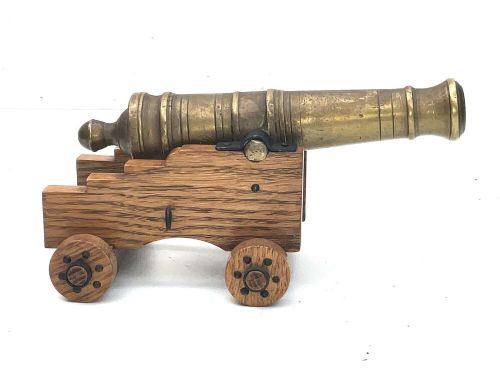
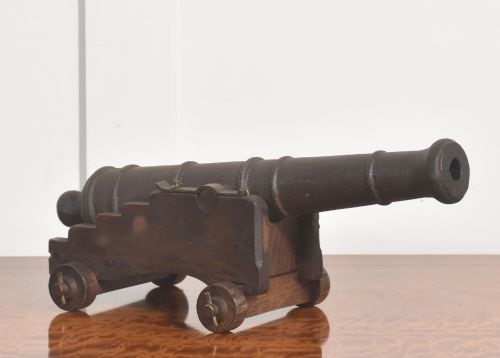
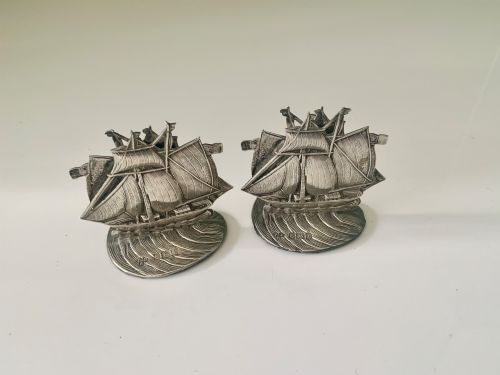
When you search for a vintage nautical ornament, you encounter a varied assortment of maritime objects spanning the nineteenth and early twentieth centuries. These items range from heavy brass and bronze desk cannons on wooden carriages to detailed model ships and folk art carvings.
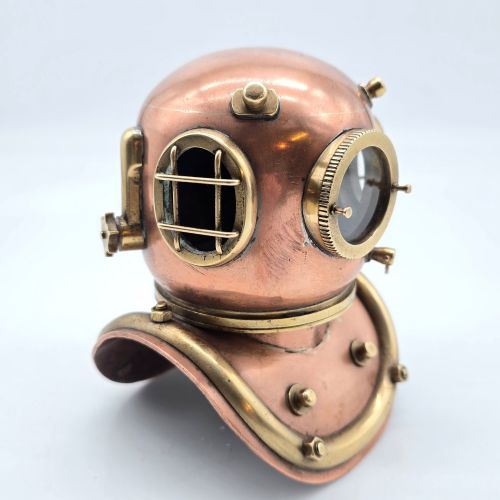
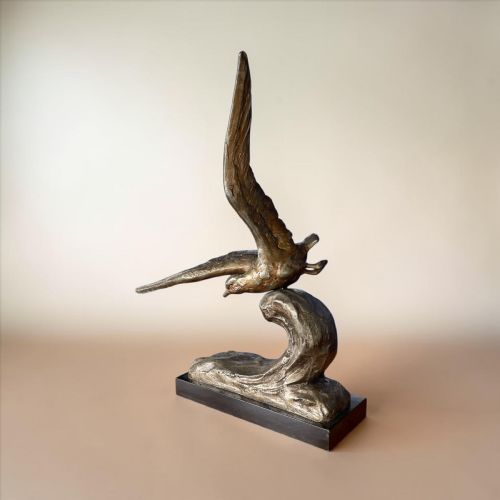
Originating from British, French and global maritime traditions, these decorative objects serve as tangible links to seafaring history. Whether you seek a miniature diver helmet or a carved flying fish, each item embodies nautical themes.
How they were made
Metal items such as signal cannons and desk ornaments utilise cast iron, solid brass and polished bronze, often paired with hardwood carriages made from oak or mahogany. These materials provide the weight and durability expected of objects designed for maritime environments.
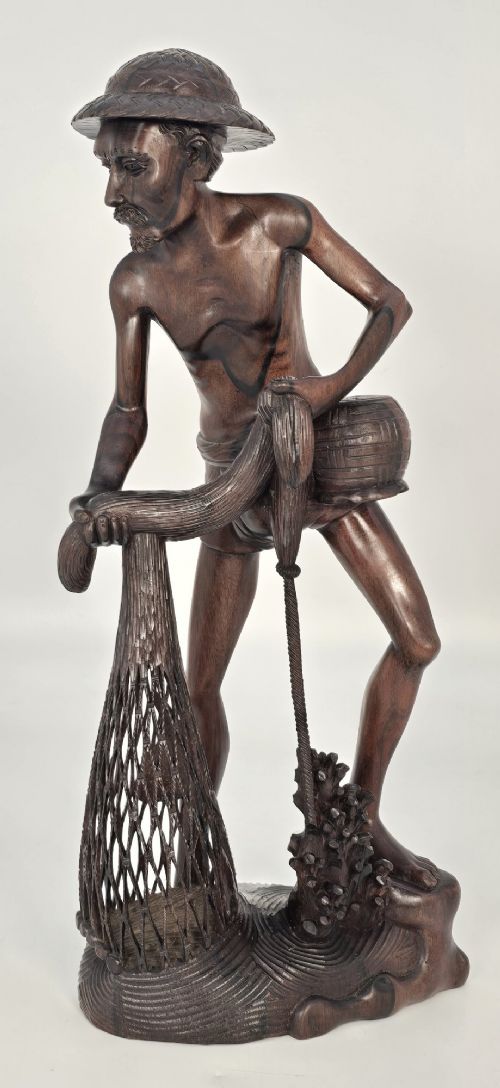
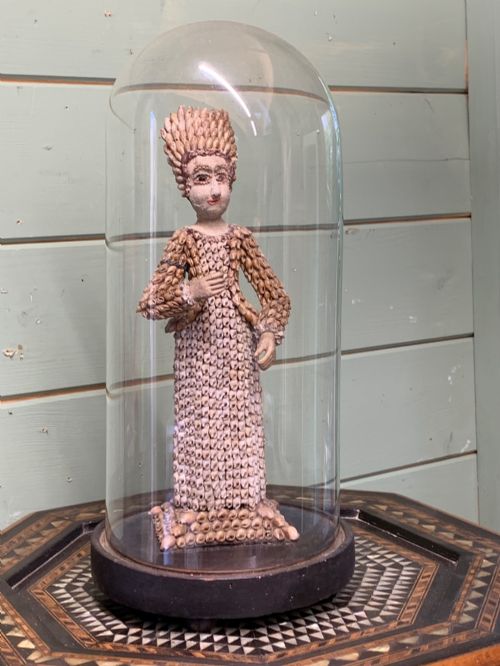
Carved pieces rely on natural materials including hardwood, bone or shell, shaped by hand to create figures of fishermen, sailors and wildlife like the albatross. Ceramic and pottery items employ glazed earthenware and bisque, painted with specific details to represent historical figures.
Vintage Nautical Ornament Retail Price Guide 2026
Typical asking prices for vintage nautical ornament among the pieces listed under this phrase on Sellingantiques today, from the lower quarter to the upper quarter. They describe what is for sale here now, not the wider market.
Listings span the nineteenth and early twentieth centuries, featuring materials such as brass, bronze, cast iron, hardwood, glass and glazed ceramic.
What varies in quality
Quality in these maritime pieces rests upon the precision of the metal casting or the depth and detail of the hand carving. Items with articulated components or precise miniature engineering, such as working miniature helmets or heavy bronze cannons, demonstrate superior craftsmanship.
The choice of materials also dictates standard, with solid hardwoods and dense metals holding greater finish longevity than softer composites or simpler painted surfaces. Maker marks, such as silver hallmarks or identified foundry origins, further elevate the standing of a piece.
The Vintage Nautical Ornament Glossary
- Bisque
- Unglazed white ceramic porcelain that offers a matte, chalk-like texture suited to detailed sculptural figures. It was frequently used for Victorian decorative figurines.
- Whirligig
- A wind-driven folk art mechanism that moves in the breeze. In nautical contexts, these often depict sailors or signalmen operating flags.
- Signal cannon
- A small ordnance piece fired on ships to signal or salute. Miniature desk versions became popular decorative ornaments in the nineteenth century.
- Folk art
- Utilitarian or decorative items created by self-taught makers using traditional methods. Maritime examples include sailor shellwork and hand-carved wooden sea life.
Vintage Nautical Ornament: Frequently Asked Questions
What is a vintage nautical ornament?
A vintage nautical ornament is a decorative object inspired by maritime themes, ranging from nineteenth century brass cannons to early twentieth century model ships.
These pieces reflect the craftsmanship of maritime communities and include carved wooden figures, ceramic sailors and metal desk models.
How were desk cannons used?
Desk cannons served primarily as decorative paperweights or novelty items for maritime enthusiasts and officers during the Victorian and Edwardian periods.
While some were scaled-down versions of genuine signal guns, most were cast in brass or bronze specifically for interior display.
How do I identify a Victorian piece?
Victorian nautical items often utilise heavy cast iron, solid brass or carved hardwoods, reflecting the industrial and maritime expansion of the nineteenth century.
Look for traditional construction methods, such as pegged wooden carriages or hand-finished metal casting, which distinguish pieces from later reproductions.
Where were folk art carvings made?
Maritime folk art carvings were often produced by sailors during long voyages or by coastal communities using local materials like whalebone, shells and driftwood.
Items such as carved flying fish or sailor figures showcase the resourceful use of organic materials found at sea.