


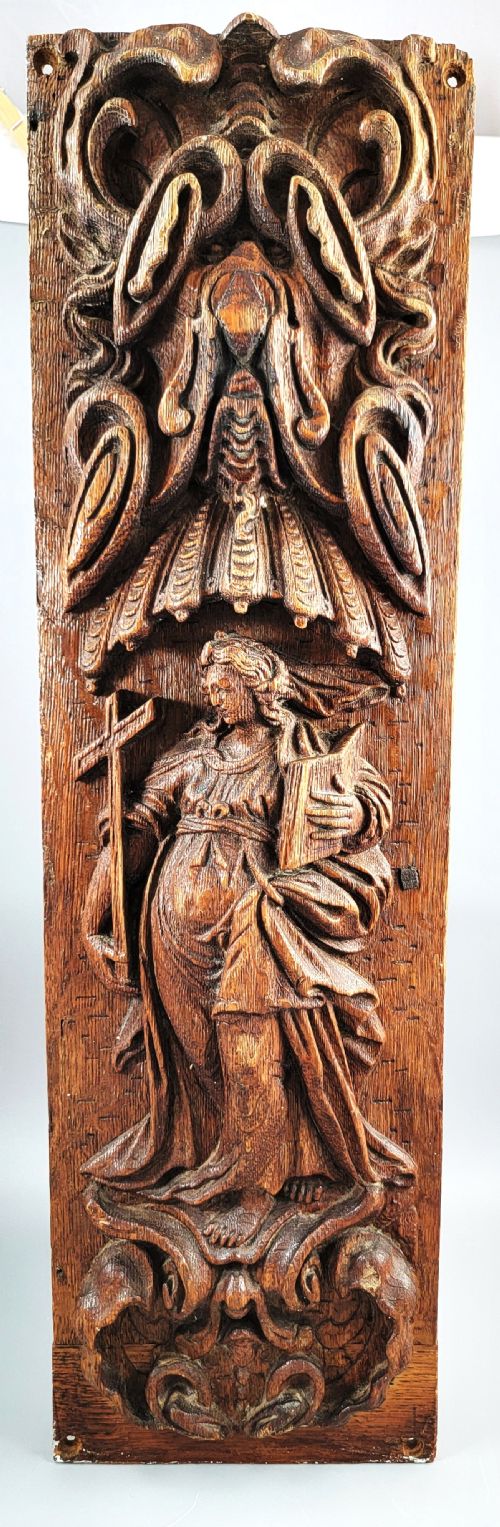


Antique German Wood Sculpture
These antique german wood sculpture works bring centuries of devotional and secular craftsmanship into your home through expressive carving and rich historic patination.
Antique German Wood Sculpture
When you search for an antique german wood sculpture, you encounter figures and panels spanning from pre-sixteenth century works through to early twentieth century folk art. The selection here ranges from seventeenth century baroque saints to eighteenth century limewood figures and nineteenth century black forest carvings.
You will find devotional subjects such as Christ on the way to Calvary, Saint Barbara, and Saint Nepomuk alongside secular subjects like the Pied Piper of Hamelin. Forms vary from free standing sculptures and statuettes to wall relief carvings and artists sculptors models.
Regional and stylistic traits appear across South German baroque, German folk art, and high baroque traditions. These pieces reflect the rich heritage of European woodcarving workshops and centuries of religious and decorative sculpture production.
What varies in quality
The survival of original surface treatments such as polychrome paint and gold leaf significantly influences the character of a piece. Works retaining authentic historic finishes offer a more complete view of their original appearance.
The Pied Piper of Hamelin makes an unexpected appearance carved in oak alongside solemn baroque saints.
Simon Troger·Franz Keller
The Antique German Wood Sculpture Glossary
- Limewood
- A fine-grained timber favoured by historic carvers for its smooth consistency and suitability for intricate undercut details. It was widely used across German workshops for figurative sculpture.
- Polychrome
- Painted in several colours, a technique applied to wood sculptures to render lifelike flesh tones and patterned garments. This finish was common on religious figures.
- Giltwood
- Wood that has been coated with gold leaf or gold powder over a prepared gesso ground. It creates a luminous surface effect found on baroque altar panels and figures.
- Baroque
- An ornate artistic style spanning the seventeenth and eighteenth centuries characterised by dynamic movement and theatrical emotion. German baroque sculpture often displays dramatic drapery and intense expressions.
- Relief
- A sculptural technique where figures project from a flat background panel rather than standing completely free. Wall panels and allegorical reliefs utilise this method to tell narrative stories.
Antique German Wood Sculpture: Frequently Asked Questions
What woods were used for german sculptures?
Carvers utilised oak, limewood, boxwood, lindenwood, and occasional ivory elements depending on the scale and period of the work. Softer or finer timbers allowed for intricate facial expressions and detailed drapery.
Durability and regional availability also guided wood selection across different centuries and workshops.
How do I identify a baroque figure?
Baroque sculptures display dynamic movement, dramatic facial expressions, and deeply carved, swirling drapery. These pieces convey intense emotion and theatrical narrative.
They often incorporate giltwood or polychrome finishes to enhance their visual drama.
What is polychrome wood?
Polychrome wood refers to carvings painted in multiple colours, often using pigments bound in oil or tempera over a gesso ground. This technique brought realism to religious figures.
Many surviving pieces retain fragments or substantial layers of these historic pigments.
Where were these carvings displayed?
Historic figures and panels were created for churches, domestic devotional spaces, and secular collections. Wall reliefs often adorned architectural interiors or noble homes.
Today, collectors place them on mantelpieces, dedicated display cabinets, or hang panels directly on walls.