




Ornate Silver Table Bowl
An ornate silver table bowl brings dramatic shine and texture to a room, ranging from grand Victorian fruit baskets to intimate Edwardian horn vessels.
Ornate Silver Table Bowl
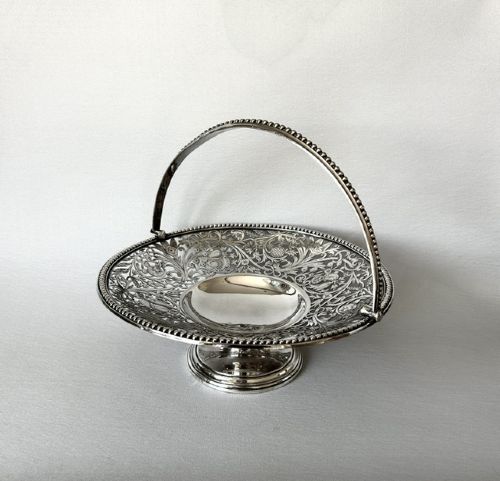
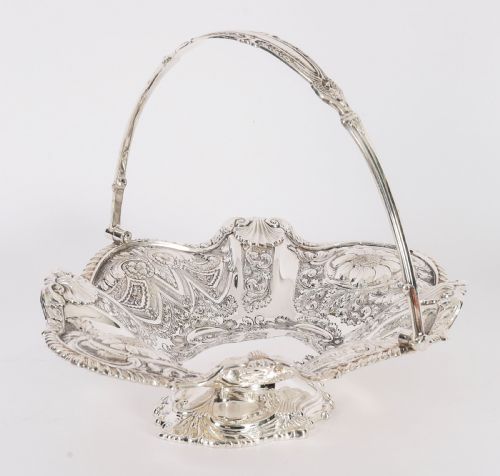
When you search for an ornate silver table bowl, you are looking at substantial decorative vessels and serveware created to command attention in a formal dining room or parlour. These pieces encompass decorative bowls, fruit baskets, centrepieces, and serving dishes designed for display as much as for holding food.
The selections you meet on this page span the nineteenth century into the mid twentieth century, drawing on Victorian, Edwardian, Art Nouveau, and Napoleon III aesthetics. You will encounter solid sterling silver, silver plate, electroplated nickel silver, alongside more eclectic combinations featuring cut glass, silvered bronze, carved horn, and marble.
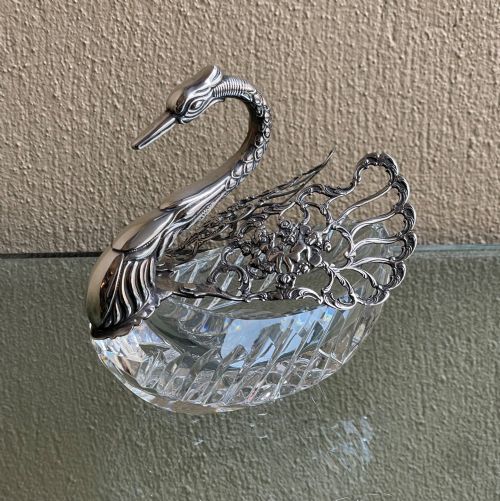
Forms vary from pierced fruit baskets and twin-handled dishes to sculptural centrepieces shaped like swans or mounted on elaborate stands. Each object reflects the decorative ambitions of its era, utilising ornate motifs derived from Rococo Revival tastes and continental design traditions.
How they were made
Metalworking techniques for these pieces involve heavy casting, piercing, and repousse work applied to solid silver, silver plate, or electroplated nickel silver. Makers shaped metal into intricate foliate borders, pierced lattice fruit baskets, and sculptural animal forms such as swans.
Many examples combine silver or silver plate with contrasting natural or manufactured materials, such as cut glass bodies, carved horn, and silvered bronze. Silversmiths and manufacturers secured mounts and handles with precision, integrating diverse elements into unified decorative vessels.
Ornate Silver Table Bowl Retail Price Guide 2026
Typical asking prices for ornate silver table bowl among the pieces listed under this phrase on Sellingantiques today, from the lower quarter to the upper quarter. They describe what is for sale here now, not the wider market.
Swans swim across the centuries here, appearing as both French silvered bronze centrepieces and Spanish silver dishes.
What varies in quality
The distinction between standard manufacture and finer execution lies in the crispness of the chased or pierced detail and the weight of the metal used in the body. Superior pieces display deep, hand-finished ornamentation rather than shallow, cast-only surface patterns.
Material composition also defines the tier of the piece, with solid sterling silver and heavy silver plate outlasting lighter electroplated alternatives. Furthermore, the integration of secondary materials like hand-cut glass or carved horn demonstrates greater craftsmanship in assembly.
George W. Scott & Sons Ltd·Whiting Co.
The Ornate Silver Table Bowl Glossary
- Silver Plate
- A base metal coated with a thin layer of silver through chemical or electrochemical processes. This technique allowed manufacturers to produce affordable household items with the visual appeal of solid silver.
- Electroplated Nickel Silver
- An alloy of copper, nickel, and zinc coated with a layer of silver via electrolysis. It provided a durable and bright foundation for ornate nineteenth-century serveware.
- Repousse
- A metalworking technique where the artisan hammers the metal from the reverse side to form a raised design in relief. It is frequently seen on decorative bowls and baskets of the Victorian period.
- Silver Gilt
- Silver that has been coated with a thin layer of gold on its surface. This process protected the silver from tarnishing while adding a warm two-tone colour effect to preserve dishes.
- Centrepiece
- A large, decorative vessel placed in the middle of a dining table or sideboard. These prominent pieces often incorporate sculptural elements or elevated bowls designed to hold fruit or floral arrangements.
Ornate Silver Table Bowl: Frequently Asked Questions
What is an ornate silver table bowl used for?
These vessels historically served functional roles on the dining table, holding fruit, preserves, or serving dishes during formal meals. Today, they function primarily as decorative centrepieces or display dishes that bring period character to a room.
Depending on the specific form, such as a pierced fruit basket or a swan-shaped dish, they adapt easily to holding decorative items or standing alone as sculptural accents on a sideboard.
How do I care for silver plate and solid silver bowls?
Regular, gentle dusting with a soft cloth helps prevent the buildup of airborne pollutants that accelerate tarnish. When cleaning becomes necessary, use a specialist silver polish designed to lift tarnish without abrasive action.
Avoid immersing pieces that combine silver with delicate materials like carved horn or cut glass in water. Instead, wipe the metal components carefully and keep the vessels in stable environmental conditions away from direct heat.
How can I tell a Victorian bowl from an Edwardian one?
Victorian pieces often lean towards heavier ornamentation, incorporating dense Rococo Revival motifs, deep repousse work, and elaborate pierced lattice designs. They reflect the industrial confidence and ornate tastes of the nineteenth century.
Edwardian bowls frequently exhibit lighter, more refined proportions, sometimes drawing on earlier classical traditions or emerging Art Nouveau lines. The transition in weight and decorative restraint helps separate the earlier pieces from those made after nineteen hundred.