
Silver Pedestal Dish
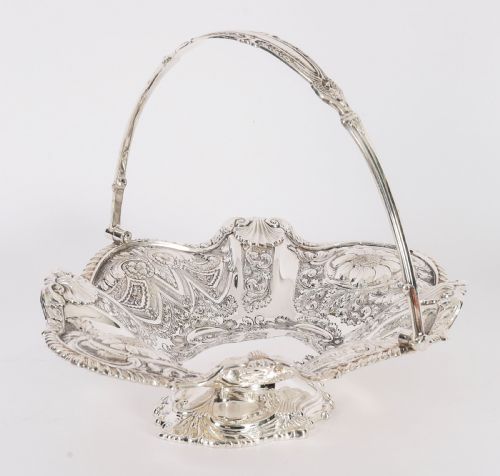
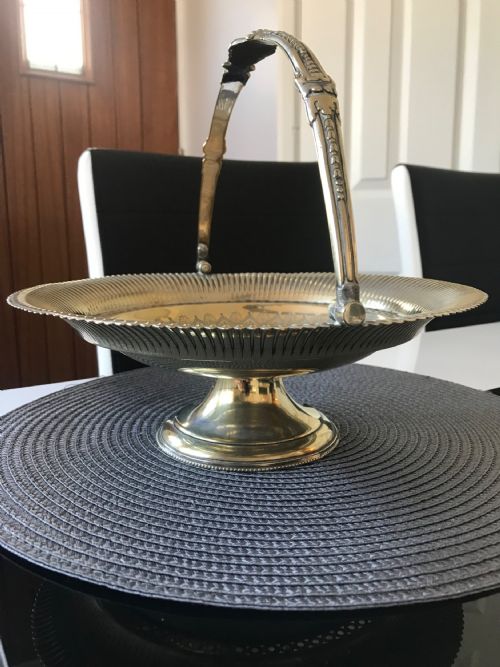
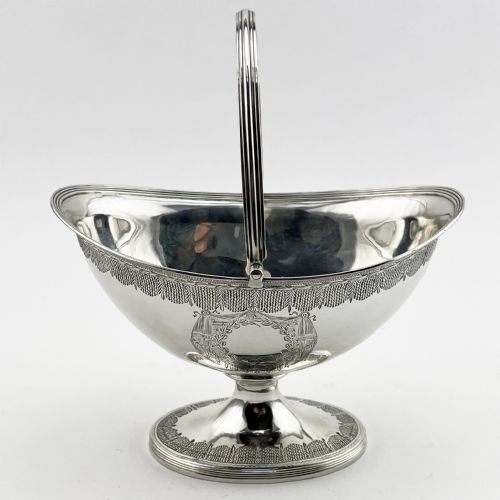
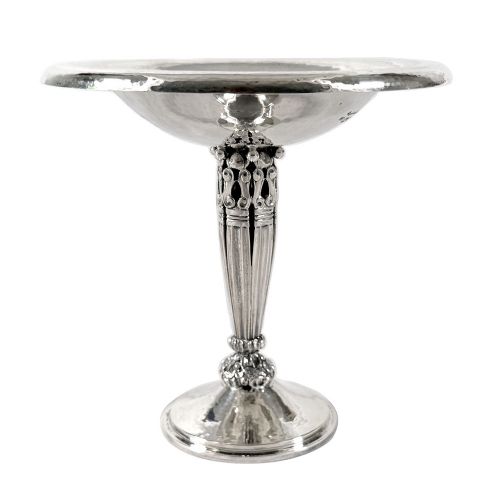
When you search for a silver pedestal dish, you are looking at elevated bowls, baskets, and tazzas raised on feet that bring fruit, sweets, and decorative centerpieces to the height of the table.
Silver Pedestal Dish
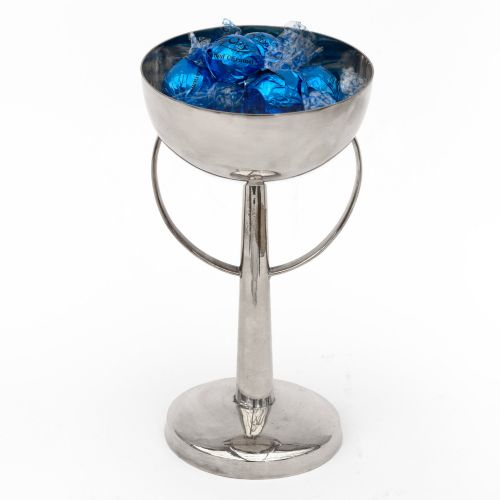
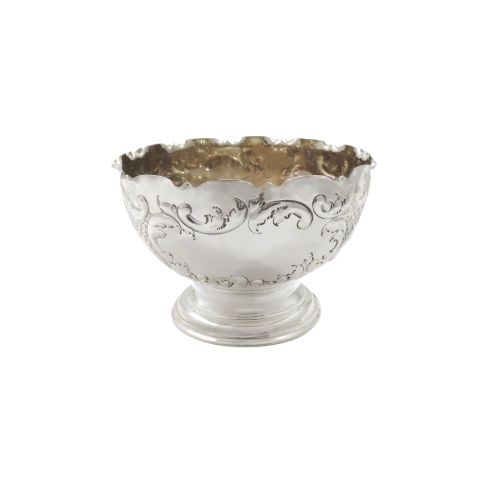
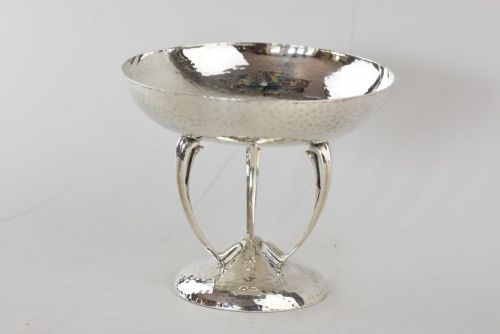
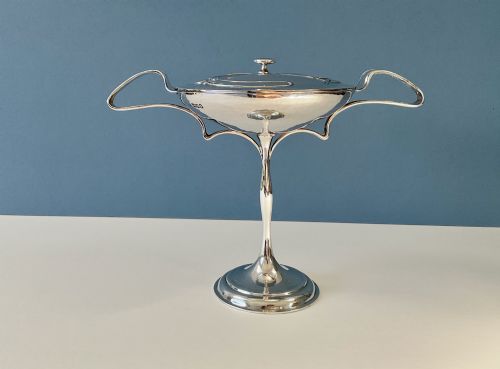
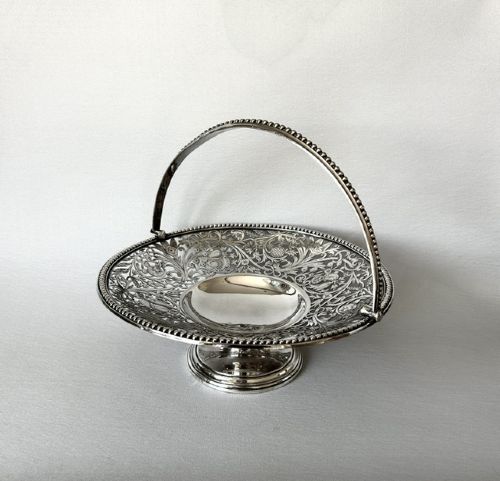
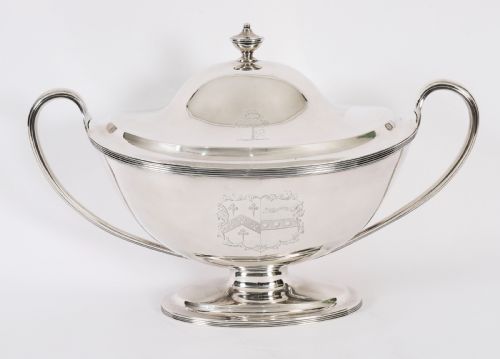
A silver pedestal dish combines a functional container with a raised foot, appearing in forms such as open fruit bowls, shallow tazzas, and swing-handled baskets. These pieces serve various dining table functions, functioning as sweetmeat dishes, bonbon holders, and large fruit centrepieces.
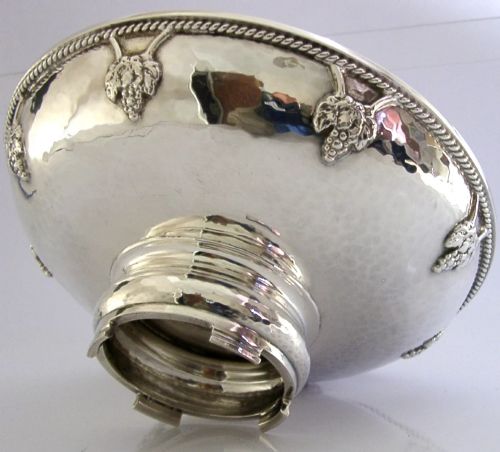
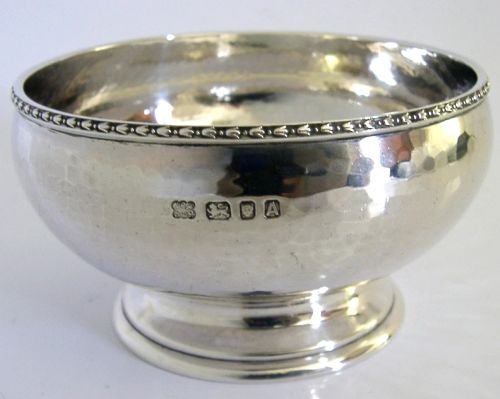
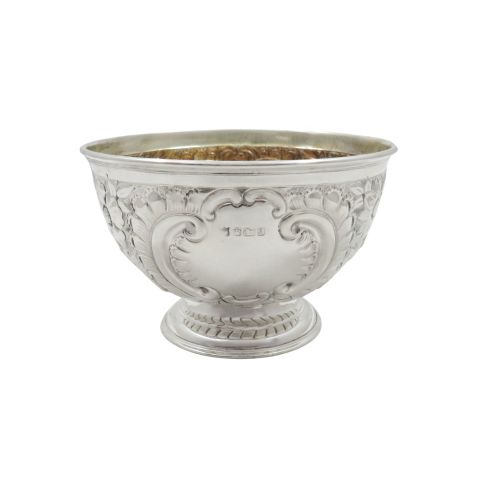
The pieces on this page span the Victorian and Edwardian eras, alongside Art Nouveau, Arts and Crafts, and Art Deco movements. Examples range from simple nineteenth-century salt cellars and sugar baskets to elaborate twentieth-century grape bowls and tazze.
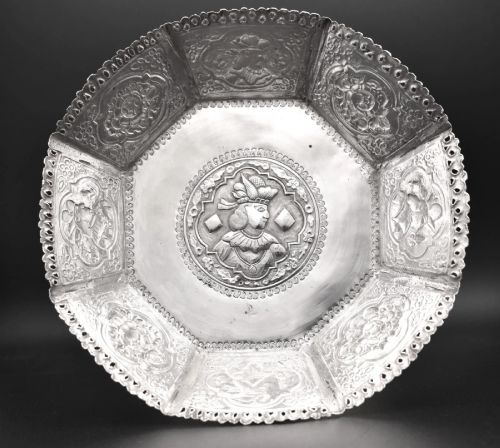
Origins stretch from British assay offices in London, Birmingham, and Sheffield to continental workshops and international makers in India, Thailand, and Germany. This variety reflects changing social dining habits and shifting decorative tastes across multiple decades.
How They Were Made
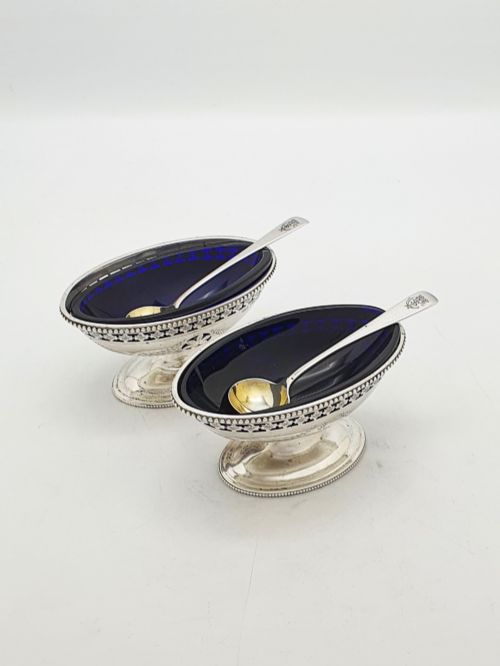
Makers utilised sterling silver and silver plate, alongside electroplated nickel silver, pewter, and bronze frames fitted with inserts of clear or cobalt glass. Many vessels incorporate cast bases joined to spun or hammered bodies.
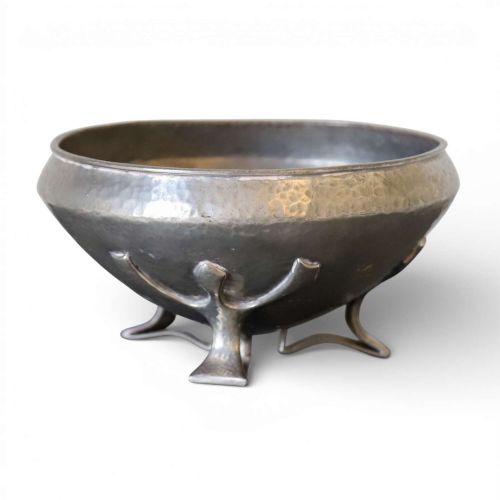
Craftsmen applied decorative techniques including piercing, lattice work, embossing, repoussé, and planishing by hand. Arts and Crafts items often display visible hammer marks, whereas Neo-Classical and Victorian items favour smooth pierced scrollwork and cast mounts.
Silver Pedestal Dish Retail Price Guide 2026
Typical asking prices for silver pedestal dish among the pieces listed under this phrase on Sellingantiques today, from the lower quarter to the upper quarter. They describe what is for sale here now, not the wider market.
Listings feature sterling silver, silver plate, and pewter forms spanning from the eighteenth century through the Art Deco period.
What Varies in Quality
Quality rests upon the weight of the metal and the precision of the hand-finishing, distinguishing solid cast mounts from lighter pressed alternatives. Substantial gauges of sterling silver provide structural rigidity to tall stems and large bowls.
Artistry shows in the execution of complex decorative details, such as crisp piercing, hand-chased repoussé work, and securely fitted cobalt glass liners. Well-preserved makers' marks and clear town assay stamps confirm the origin and standard of the silver.
A E Jones·Goldsmiths and Silversmiths Company·Liberty & Co·Henry Chawner·Charles Boyton·William Bennett·WMF·Mappin and Webb·Viners·Walker & Hall·James Deakin & Sons·Elkington & Co·John Round
The Silver Pedestal Dish Glossary
- Tazza
- A shallow bowl or plate mounted on a stem and foot, typically used for serving fruit or small confectioneries at the table.
- Bonbon dish
- A small, decorative dish specifically designed to hold sweets, chocolates, or bonbons.
- Compote
- An alternative term for a pedestal fruit bowl or tazza, often featuring a deeper basin.
- Repoussé
- A metalworking technique where the metal is hammered from the reverse side to form a raised design in relief.
- Planished
- A surface texture achieved by striking metal with a small, flat-faced hammer to create subtle, uniform facet patterns.
- Comport
- A large standing dish or bowl used for serving fruit, cheese, or sweetmeats during formal dining.
Silver Pedestal Dish: Frequently Asked Questions
What was a silver pedestal dish used for?
These vessels held fruit, sweetmeats, bonbons, or sugar on the dining table, elevating the food for visual display.
Larger versions served as central decorative centerpieces, while smaller footed dishes accompanied tea services or dessert courses.
How do I identify an Edwardian silver pedestal dish?
Edwardian examples often feature light, pierced lattice work and neoclassical motifs produced between nineteen hundred and nineteen ten.
Assay office date letters stamped on the sterling silver provide the exact year of manufacture.
Are these dishes made of solid silver?
The listings include both solid sterling silver pieces bearing full hallmarks and silver plated items over base metals like copper or nickel silver.
Descriptions specify the material, noting hallmarks for sterling and makers' marks for plated wares.
What is a glass liner used for?
Glass liners protected the silver metal from corrosive substances like salt, vinegar, or moist foods placed inside baskets and salt cellars.
Cobalt blue glass insert bowls also added a contrasting splash of colour through pierced or openwork silver frames.