


Silver Lidded Pitcher
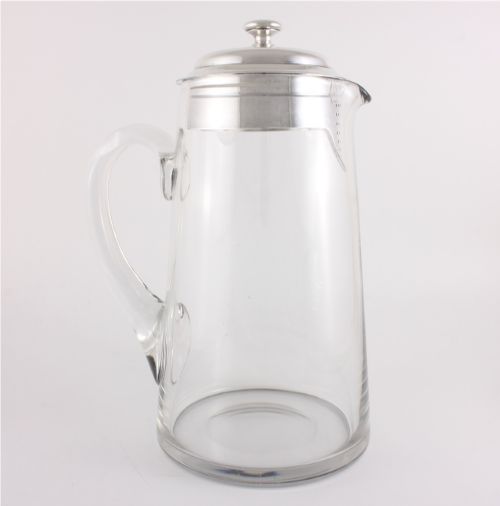
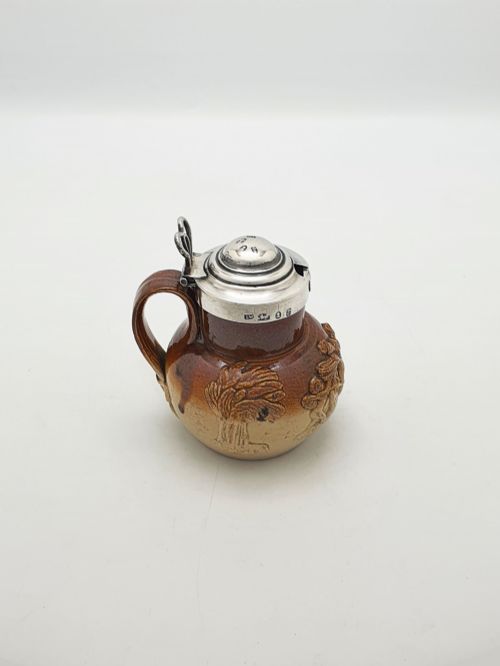
These silver lidded pitcher examples combine metal mountings with glass, stoneware or silver bodies, offering both practical pouring and decorative presence for the table.
Silver Lidded Pitcher
When searching for a silver lidded pitcher, buyers encounter a diverse selection of vessels designed for water, wine, beer, claret or spirits. The pieces span periods from the eighteenth century through to the mid-twentieth century, encompassing Georgian, Victorian, Edwardian and French mid-century eras.
The most common iterations on this page are glass and crystal bodies mounted with silver plate, alongside traditional stoneware jugs fitted with sterling silver collars and hinged lids. These range from large Victorian claret jugs to compact Edwardian whisky noggins and robust Old Sheffield plated beer jugs.
Materials and Construction
The body materials rely primarily on clear or cut crystal glass, salt-glazed stoneware, and copper fused with silver in Old Sheffield plate. Artisans combined these vitreous and ceramic bodies with cast or hand-engraved metal mounts, securing hinged lids with thumbpieces and soldered collars.
Metalworking techniques involve both solid sterling silver and silver plating over base metals, complemented by hand-engraved floral designs, woven handles and cast figural finials like lions and shields.
Some whisky noggins feature lids with tiny thumbpieces designed for single-handed dram pouring during colonial evenings.
Assessing Quality and Execution
Quality rests upon the crispness of the metal chasing, the weight and clarity of the glass or stoneware body, and the mechanical integrity of the hinged lid. Superior examples display balanced proportions between the ceramic or glass vessel and the heavy silver mountings.
The distinction between standard commercial production and finer work lies in the subtlety of hand-engraving, the quality of early hallmarks, and whether the silver plating or sterling metal retains its original thickness and structural alignment.
Christofle·Elkington and Co
The Silver Lidded Pitcher Glossary
- Old Sheffield Plate
- A fused composite material made by heating a sheet of copper between thin sheets of silver until they bonded. This technique preceded modern electroplating and produced durable tableware with characteristic copper bleed visible at seams.
- Claret Jug
- A specialised pouring vessel designed specifically for serving red wine at the dining table. They typically feature glass or crystal bodies fitted with decorative silver mounts and hinged spouts.
- Noggin
- A small drinking vessel or mug, often associated with spirits such as whisky in Edwardian contexts. These pieces frequently incorporate silver mounts and hinged lids on compact glass bodies.
- Stoneware
- A heavy, dense ceramic fired at high temperatures to achieve vitrification without a separate glaze. It provides a robust, opaque body often fitted with silver collars for ale or beer.
- Finial
- The decorative ornamental knob or casting attached to the top of a hinged lid. They range from simple spheres to cast lions and heraldic shields.
Silver Lidded Pitcher: Frequently Asked Questions
What were silver lidded pitchers used for?
These vessels served various beverages depending on their size and material, ranging from claret and wine at formal dinners to water, lemonade, and ale.
Stoneware and Old Sheffield plated versions typically held beer or cider, while crystal glass bodies fitted with silver mounts were destined for the dining table as claret jugs or cocktail mixers.
How do I care for silver and glass?
Maintenance requires gentle cleaning of both the glass or ceramic body and the metal mounts to preserve the finish. Avoid harsh abrasives on silver-plated or sterling surfaces.
Use mild soapy water and a soft cloth for the glass, and apply a specialised silver polish sparingly to the metal components, avoiding any contact with the interior vessel.
How can I tell the period?
Dating relies on a combination of stylistic cues, manufacturing techniques, and any official hallmarks stamped into the silver mounts. Georgian and Victorian pieces show distinct revival styles or simple utilitarian forms.
Old Sheffield plate indicates an eighteenth or early nineteenth-century origin before electroplating became widespread, while Edwardian and mid-century items display lighter mounts and streamlined profiles.
What is Old Sheffield Plate?
Old Sheffield Plate is an early composite material created by fusing a layer of silver to a copper core through heating and rolling. This method differs significantly from later electroplated nickel silver.
Items made this way often reveal a faint line of copper beneath the silver surface at exposed edges or wear points, confirming their traditional manufacturing period.