


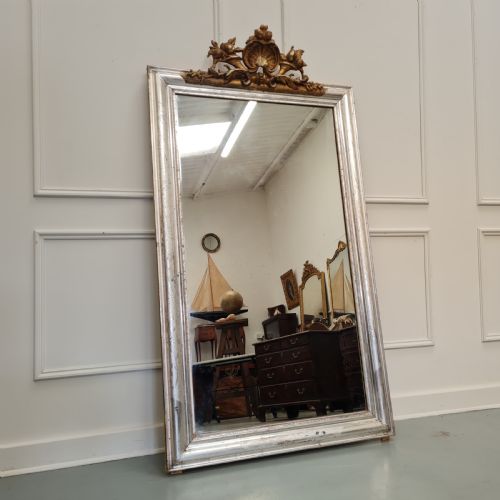


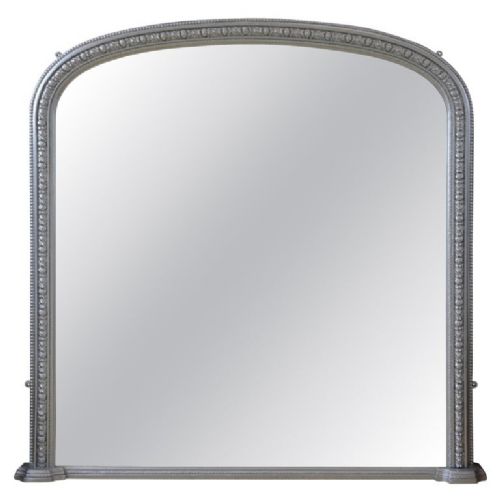

Silver Leaf Mirror
A silver leaf mirror brings bright, reflective depth to a room through centuries-old metal leaf application over carved wooden frames.
Silver Leaf Mirror
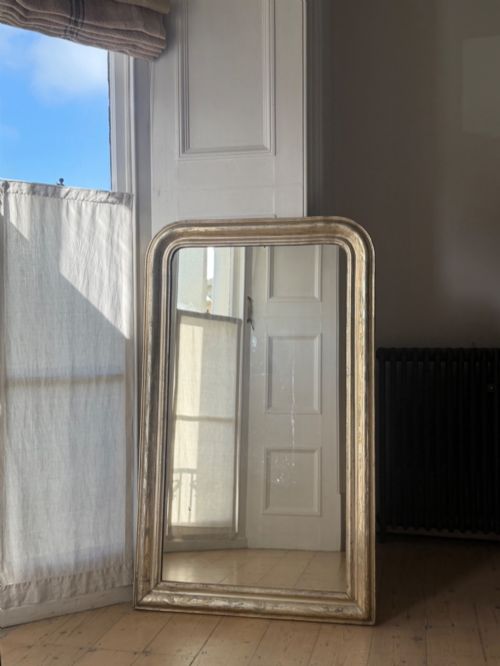
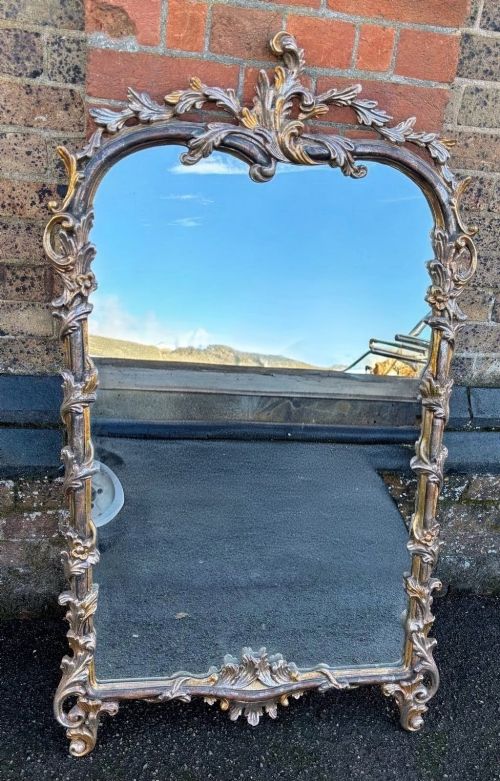
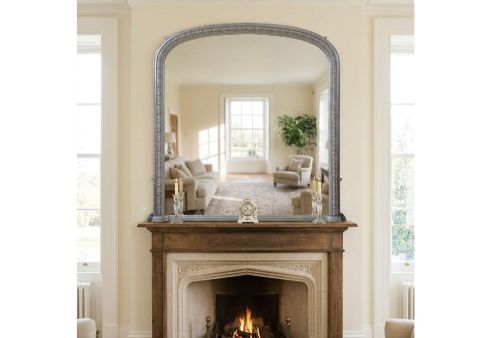
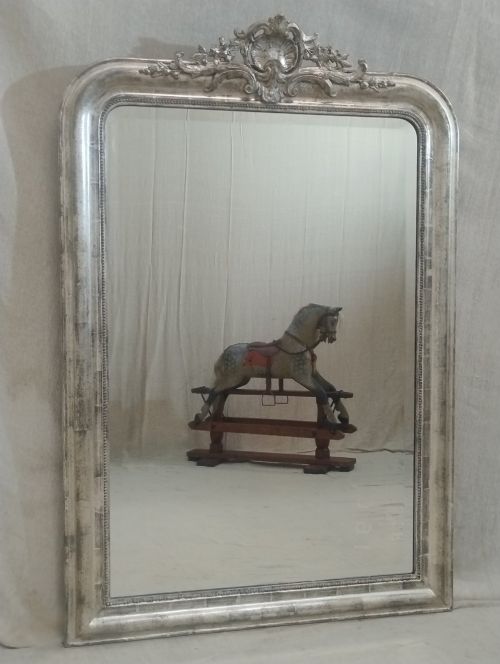
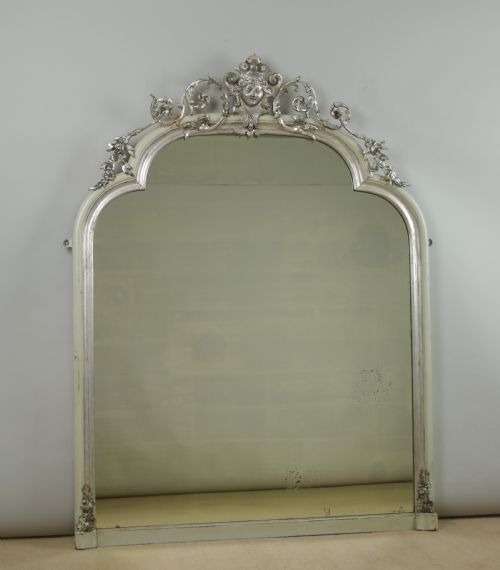
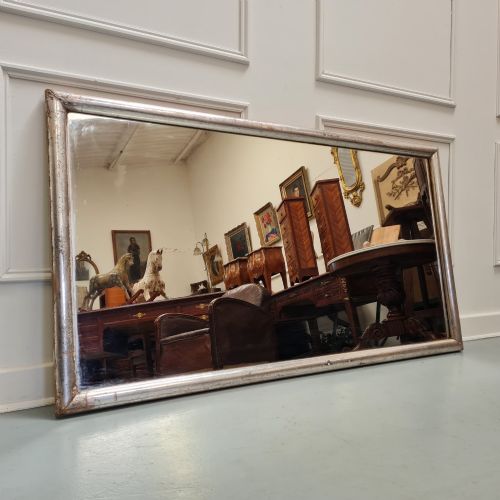
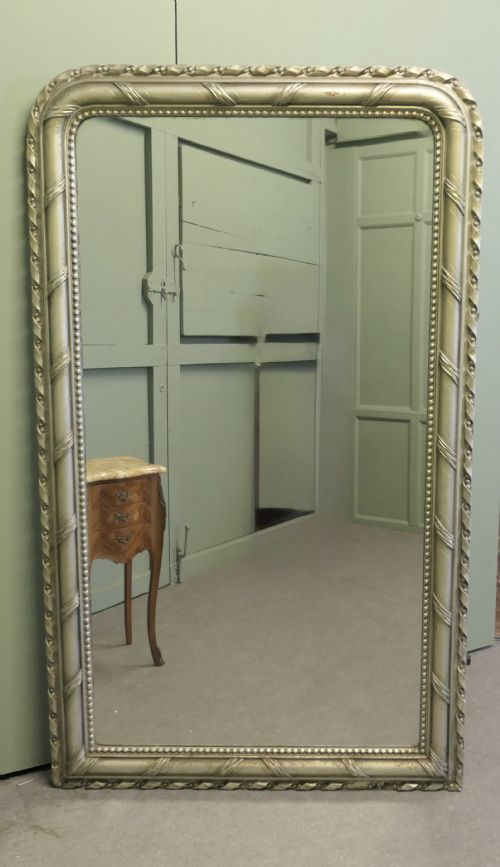
A silver leaf mirror appears primarily in large formats designed for walls and overmantels, drawing the eye with metallic brilliance. Buyers searching for a silver leaf mirror will encounter substantial French Louis Philippe designs alongside Victorian English overmantles.
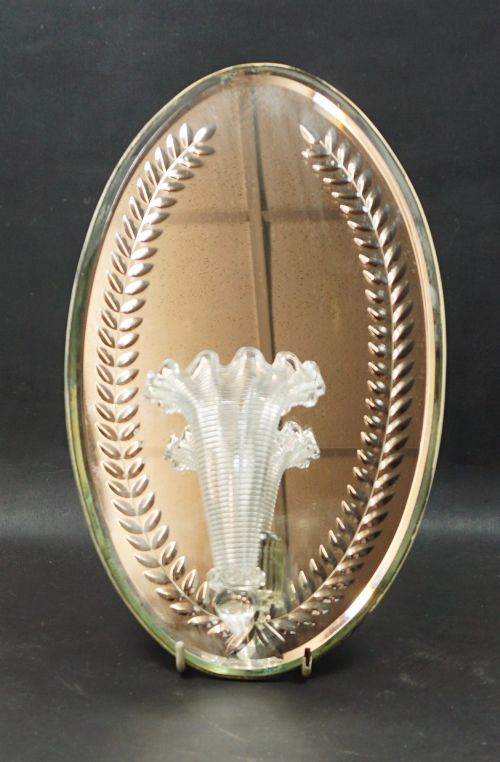
The selection spans periods from the seventeenth century through to the twentieth century, with nineteenth-century examples forming the core of the available pieces. Forms range from simple rectangular wall mirrors to grand arched top frames and Italian baroque creations.
How they were made
Craftsmen built the foundations of these frames using carved wood and gesso, applying layers of plaster to shape intricate ornamentation before finishing. Artisans then laid delicate sheets of silver leaf or gold leaf onto the prepared surfaces by hand.
Mirrors utilise traditional glass plates, often paired with silvered or painted treatments to complement the metallic leaf surrounds. The interaction between the wooden substrate and the layered metal creates the distinctive textured sheen seen across the eras.
Silver Leaf Mirror Retail Price Guide 2026
Typical asking prices for silver leaf mirror among the pieces listed under this phrase on Sellingantiques today, from the lower quarter to the upper quarter. They describe what is for sale here now, not the wider market.
Listings feature periods spanning from the seventeenth century to the twentieth century, incorporating materials like silver leaf, gesso, and giltwood.
What varies in quality
Quality rests in the crispness of the carved wood and gesso detailing beneath the metal leaf, where superior depth shows superior craftsmanship. The preservation of the original silver leaf surface also defines the upper tier of pieces.
Proportion and scale dictate the visual impact of each frame, with larger nineteenth-century French and English overmantle examples demonstrating notable presence. The integrity of the original mirror glass further distinguishes exceptional historical pieces from later replacements.
The Silver Leaf Mirror Glossary
- Gesso
- A plaster mixture applied to wood frames to provide a smooth, sculptured base for leafing. This material allows artisans to carve intricate decorative motifs.
- Louis Philippe
- A French nineteenth-century style characterised by restrained classical proportions and gentle rounded top corners. These frames offer a subtle elegance compared to heavy baroque designs.
- Overmantle
- A large mirror specifically proportioned to hang above a fireplace mantel. They dominate interior walls with their expansive glass plates.
- Giltwood
- Wood that has been coated with gold leaf or silver leaf to resemble solid precious metal. The technique adds luminosity to decorative mouldings.
- Carved wood
- Timber shaped by hand with chisels and gouges to form structural frame elements. It provides the solid foundation for gesso and leaf application.
Silver Leaf Mirror: Frequently Asked Questions
How do I clean a silver leaf mirror?
Dust the frame gently with a soft dry cloth to protect the delicate metallic leaf surface from abrasion. Avoid all liquid cleaners and harsh chemicals near the edges where the leaf meets the glass.
Use a mild glass cleaner applied directly to a cloth rather than the mirror itself for the glass plate. This prevents moisture from seeping underneath the antique silvering.
Where should I hang an overmantle mirror?
Mount the mirror securely above a fireplace mantel to serve as the primary focal point of the room. Ensure the wall fixings match the substantial weight of carved wood and gesso frames.
Position the piece opposite a window to maximise the reflection of natural daylight across the interior space. This placement enhances the luminosity of the silver leaf finish.
How can I tell the period of a mirror?
Examine the style clues, such as the rounded corners of a Louis Philippe frame or the ornate carving of a Victorian overmantle. Construction techniques on the reverse also reveal the age of the wooden backing.
Look closely at the mirror glass for signs of age like oxidation spots or slight distortions in the reflection. These physical traits help separate nineteenth-century examples from later reproductions.
Are these mirrors heavy to hang?
Many examples utilise solid wood and dense gesso construction, resulting in significant weight that requires professional installation. Heavy-duty wall brackets anchored into wall studs are essential for safe mounting.
Check the structural integrity of the antique frame joints before lifting the mirror into position. Secure hanging wire or heavy D-rings distribute the load evenly across the structure.