



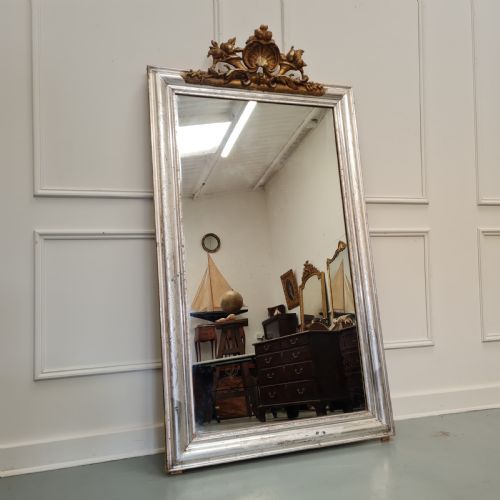


Silver Gilt Overmantel
A silver gilt overmantel brings a brilliant metallic reflection and substantial architectural presence to a room, offering both historical depth and a bright focal point above a fireplace.
Silver Gilt Overmantel
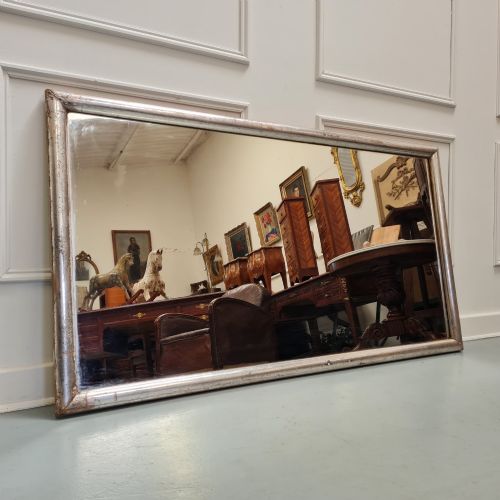
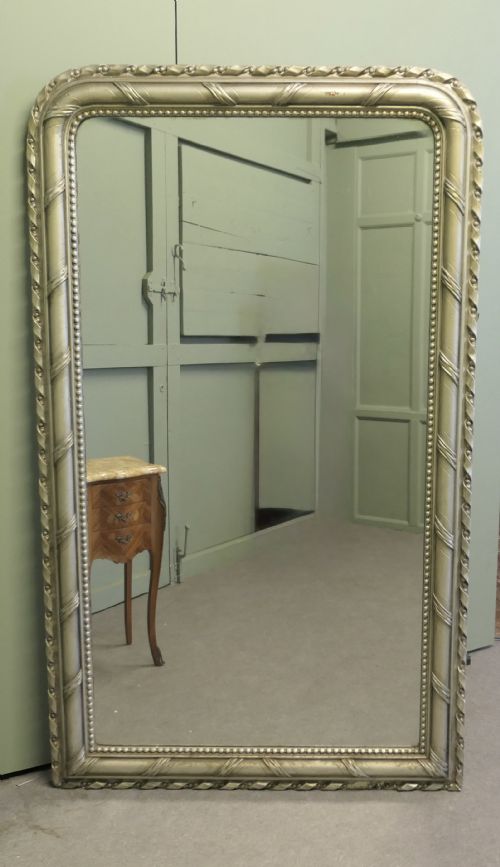
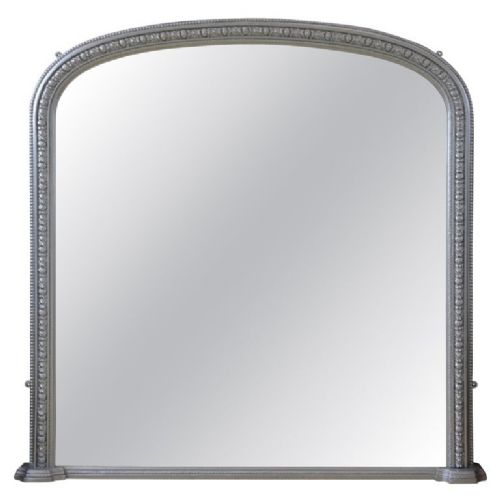
A silver gilt overmantel is a large decorative mirror designed to sit directly above a mantelpiece, drawing the eye upward and reflecting light across the interior space. The silver gilt overmantel group includes tall wall mirrors and arched top formats suited to high ceilings.
The pieces on this page span several centuries, with the nineteenth century heavily represented alongside eighteenth century examples and mid twentieth century additions. French workshops and English makers both contributed to this tradition, producing distinct regional variations in proportion and ornament.
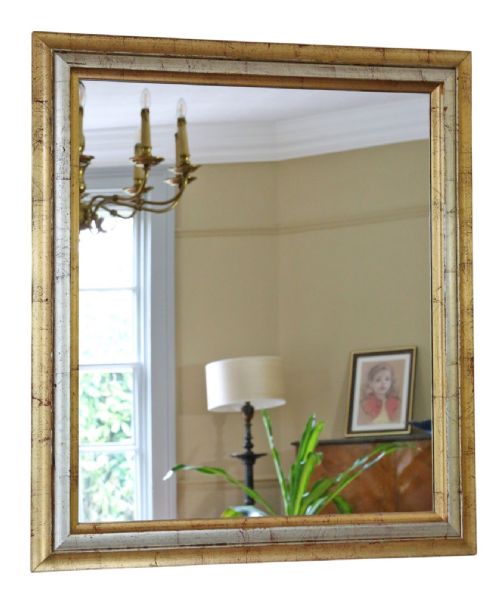
Most examples take the form of overmantel mirrors or large wall mirrors configured to command a principal reception room. Forms range from simple rectangular designs to shaped tops with carved wood and gesso detailing.
How they were made
Makers constructed the structural frames primarily from carved wood, applying layers of gesso to build up smooth surfaces for decoration and metallic application. Silver leaf, gold leaf, and silver gilt finishes were then meticulously applied over the prepared wooden carcases.
Some frames incorporate ebonised sections alongside the metallic leaf to create striking contrast within the moulding. Water gilding techniques appeared on mid nineteenth century pieces, paired with original silvered mirror plate to achieve deep, lustrous reflections.
Listings feature periods ranging from the 18th century through Victorian and Louis Philippe eras to the mid 20th century, utilising glass, silver leaf, gesso, and wood.
What varies in quality
Quality rests heavily on the depth and execution of the carved wood and gesso ornamentation, where crisply defined foliate scrolls distinguish finer work from simpler production. The integrity of the original silver gilt or silver leaf surface, whether patinated or distressed by time, dictates the visual character.
Proportion and scale also separate standard domestic mirrors from grander architectural pieces, particularly in tall French formats or substantial Victorian overmantels. The presence of original mirror glass adds significant authenticity to an antique frame.
The Silver Gilt Overmantel Glossary
- Overmantel mirror
- A large mirror specifically proportioned to hang on the wall directly above a fireplace mantelpiece. These pieces often feature horizontal layouts or extended vertical heights to match chimney breast dimensions.
- Silver gilt
- A decorative finish created by applying silver leaf or a silver coating onto a prepared surface, sometimes warmed with gold leaf highlights. This technique produces a brilliant metallic tone that differs from standard yellow gold.
- Gesso
- A plaster mixture applied to wood frames to create a smooth, sculptural base for gilding and carving. Finer nineteenth century pieces rely on thick gesso applications to hold intricate relief work.
- Ebonised
- Wood treated with a dark finish to imitate expensive ebony wood. This dark contrast frequently borders silver gilt mouldings on Victorian and French mirrors.
- Water gilding
- A traditional technique where metal leaf is applied over wet size on a gesso ground and subsequently burnished to a high shine. It allows parts of the metallic surface to catch the light sharply.
Silver Gilt Overmantel: Frequently Asked Questions
How do I style a silver gilt overmantel?
Place the mirror centrally above a fireplace mantelpiece so that its top echoes the height of the room, allowing it to anchor the surrounding furniture.
Keep surrounding wall colours neutral to let the metallic silver and gold leaf tones of the frame stand out clearly as the main decorative feature.
Are these mirrors suitable for bedrooms?
Large overmantels work well in bedrooms when mounted securely above a dressing table or leaned safely against a principal wall.
Their substantial height and reflective glass help to brighten darker corners and create a sense of expanded space in the room.
What is the difference between Victorian and French mirrors?
Victorian English overmantels often feature robust rectangular wooden frames with ebonised details and restrained classical mouldings.
French pieces from the same era frequently display arched or shaped tops with elaborate carved wood and gesso scrollwork in the Louis Philippe or Rococo style.
How should I clean the frame and glass?
Dust the carved wood and gesso frame gently with a soft, dry brush to protect the delicate silver leaf or gilt surface from abrasion.
Use a mild glass cleaner applied to a cloth rather than directly onto the mirror plate, ensuring liquid does not seep behind the antique silvering.