
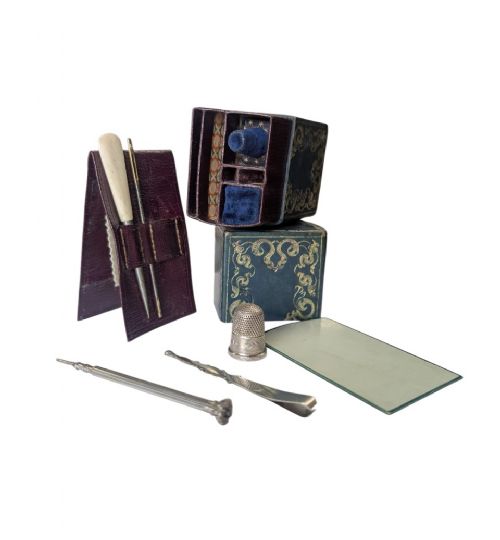
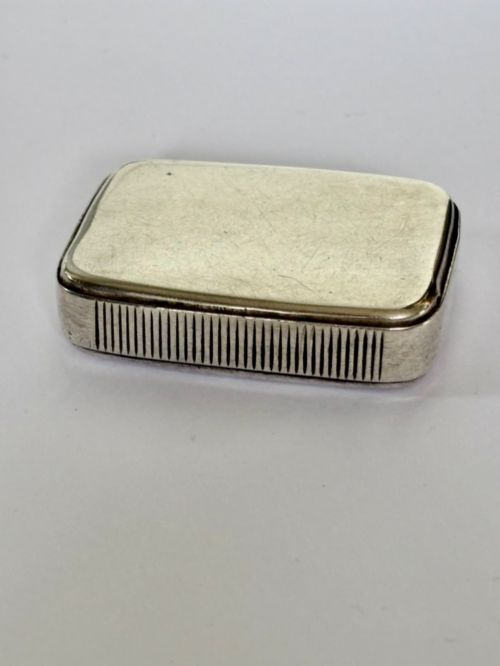
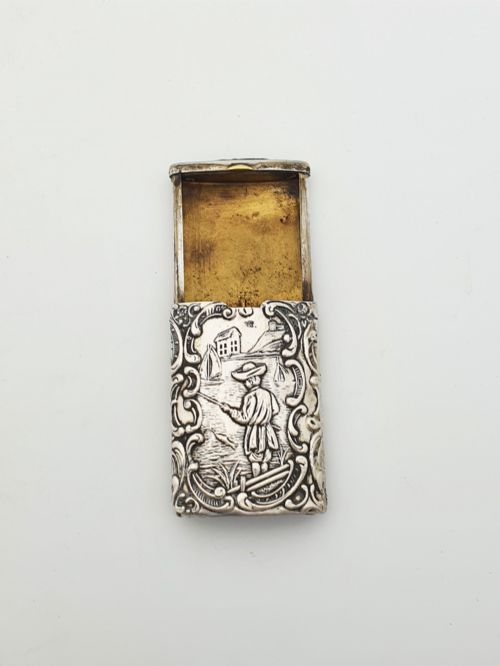
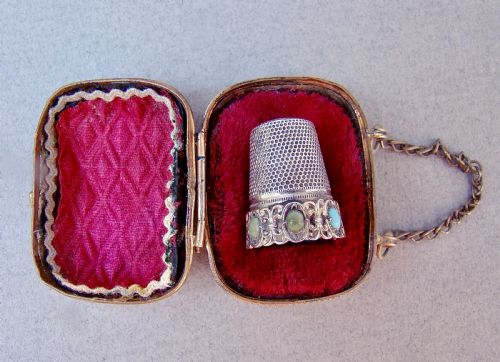



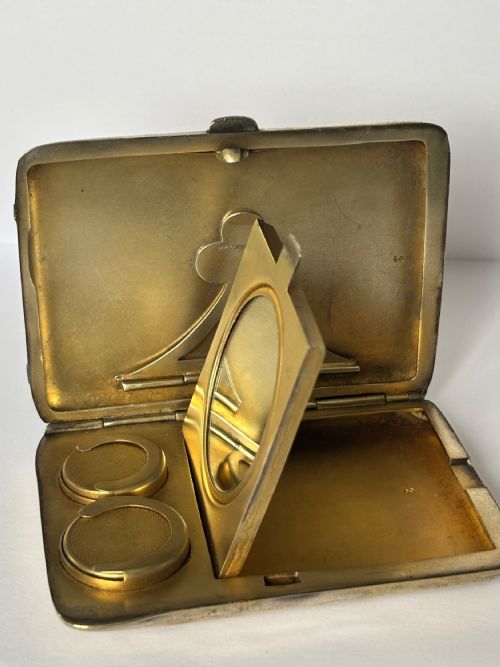
Silver Gilt Case
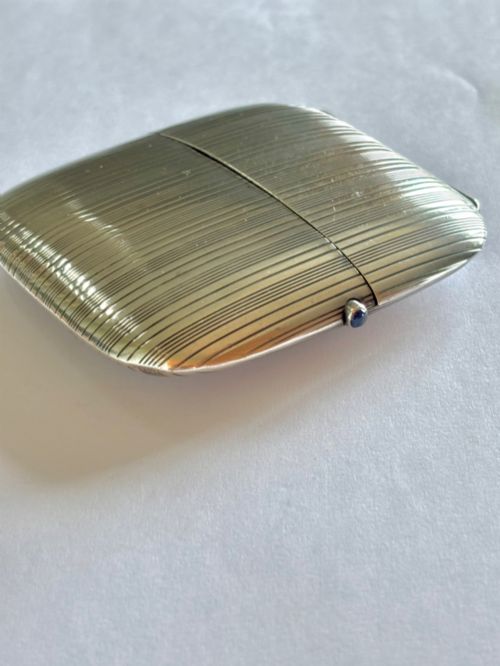
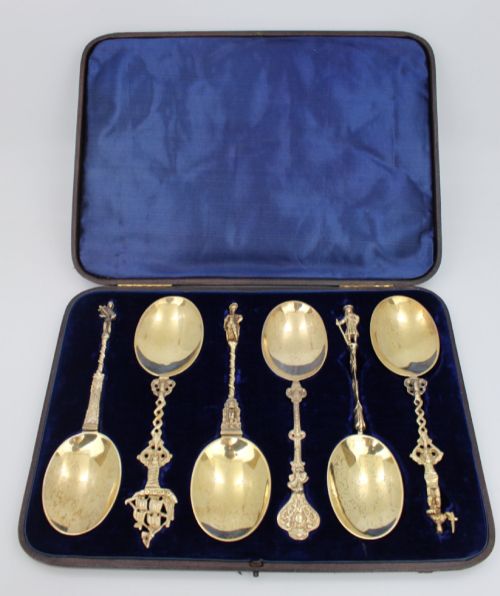
A silver gilt case brings together precious metal and a warm golden finish to protect personal valuables in style.
Silver Gilt Case
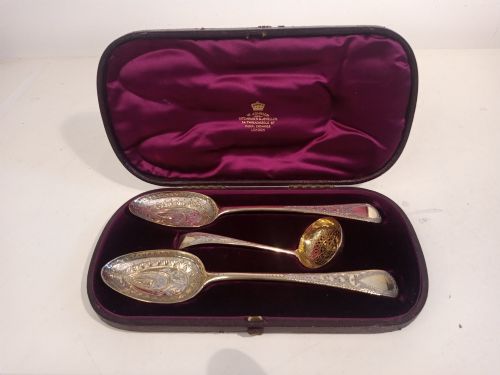
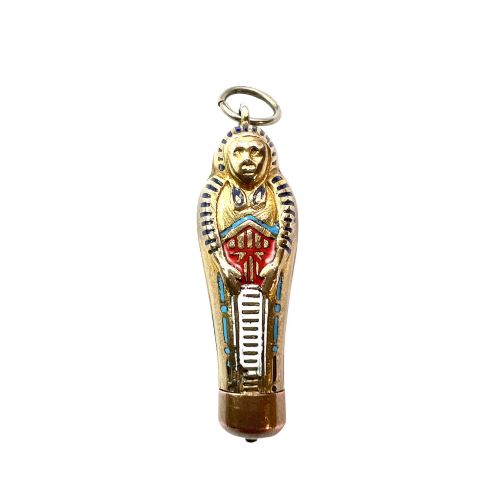
The selections span from Victorian novelties to Art Deco compacts, reflecting the changing social habits of the nineteenth and twentieth centuries. These objects frequently emerge from British, French, and Continental workshops, often retaining their original fitted presentation boxes.
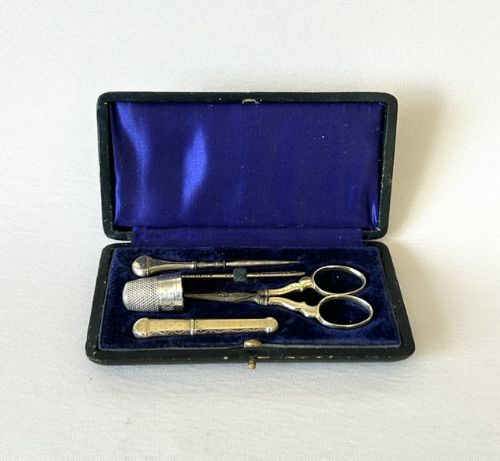
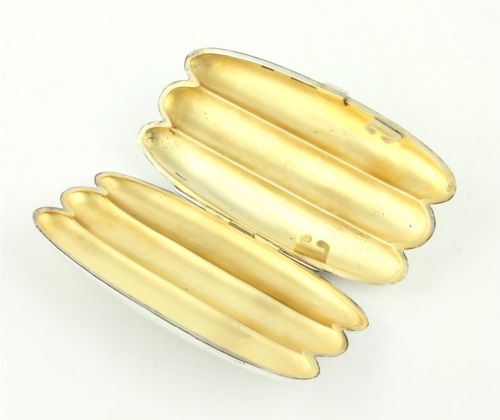
Many examples combine utilitarian function with ornamental artistry, serving as portable luxury items for tobacco, calling cards, or sewing implements. Their survival often depends on the robust nature of the precious metals and the protective housing provided over generations.
How They Were Made
Makers formed the body of each silver gilt case using sterling or continental silver, shaped through pressing, casting, or delicate hand-beating. Artisans then applied a layer of gold to the surface, typically through mercury gilding in earlier eras or later electrogilding methods.
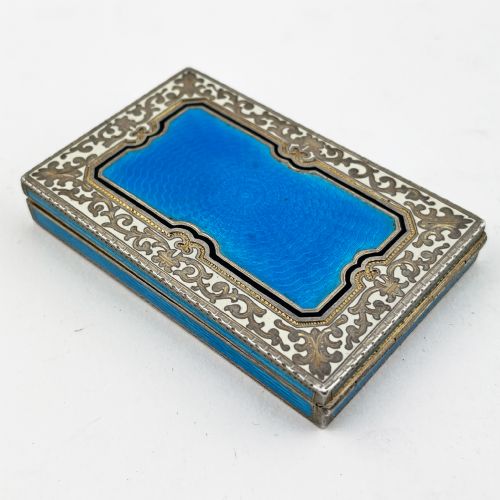
Decoration involved intricate techniques such as engine-turned guilloche patterns, hand engraving, and applied coloured enamel. Interiors were frequently lined with velvet, silk, or leather to cushion the contents, while hinges and catches required precise mechanical fitting.
Listings feature items from the Victorian, Edwardian, and Art Deco periods, created in sterling silver, silver gilt, enamel, and leather.
What Varies in Quality
The refinement of the surface decoration largely distinguishes standard production items from masterwork pieces. Crispness in engine-turned patterns, depth of hand engraving, and the preservation of the original gold wash determine the visual impact.
Structural integrity, including the alignment of lids, the snap of the closure, and the original fitted leather or velvet housing, elevates the standing of an individual piece.
A & J Zimmerman·Nathaniel Mills·Sampson Mordan·Henry Matthews·George Betjemann·Khlebnikov·Louis Kuppenheim
The Silver Gilt Case Glossary
- Silver gilt
- Sterling silver or other silver alloys that have been coated with a thin layer of gold. This technique provides the rich appearance of solid gold while utilising a strong silver base.
- Vesta case
- A small pocket container designed to hold matches and keep them dry. These pieces often feature spring-loaded lids and striker bases.
- Guilloche
- An ornamental pattern produced by a mechanical lathe that etches precise, intricate geometric designs into metal. This technique appears frequently on nineteenth-century compacts and cigarette holders.
- Etui
- A small ornamental case used to hold needles, cosmetics, or writing implements. They are often associated with sewing compendiums and chatelaine sets.
- Vinaigrette
- A small decorative box featuring an internal pierced grille, designed to hold a sponge soaked in aromatic vinegar. These containers were carried to counteract unpleasant odours.
Silver Gilt Case: Frequently Asked Questions
What is a silver gilt case used for?
These containers were originally created to hold personal items such as calling cards, cigars, cigarettes, matches, or sewing tools securely. Wealthy owners carried them daily as both practical accessories and status symbols.
Today, collectors use them as display pieces or retain them for their original storage purposes. Their sturdy construction makes them well-suited for holding modern small valuables.
How do I clean a silver gilt case?
Maintenance requires gentle care to avoid wearing away the delicate gold layer applied over the silver base. Soft dusting and minimal handling preserve the original surface sheen.
Harsh metal polishes and chemical dips must be avoided entirely because they strip away the gold wash. Professional advice should be sought if tarnish obscures the decorative detail.
How can I tell the period of a piece?
Hallmarks stamped into the metal provide the most reliable evidence for dating British items, pointing directly to specific assay offices and year codes. Maker marks also help narrow down the active years of production.
Stylistic indicators, such as floral enamel work typical of the Edwardian era or geometric lines from the Art Deco period, offer additional chronological context.
Why do some pieces have original boxes?
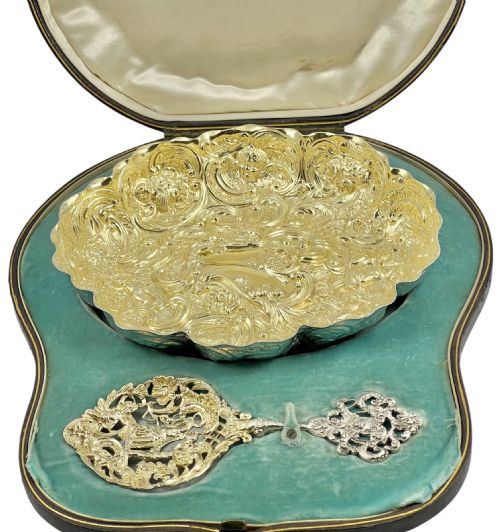
Many luxury items were sold alongside custom-fitted cases lined in silk, velvet, or morocco leather to protect the exterior during travel. Retailers often supplied these presentation boxes for high-end gifts.
Surviving with the original box adds historical context and protects the item from physical wear. These fitted housings are valued by collectors for completeness.