


Hammered Silver Case
A hammered silver case brings tactile texture and period craftsmanship to everyday pocket items, offering both utility and distinct design.
Hammered Silver Case
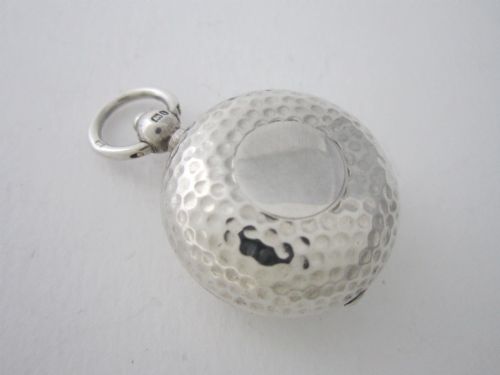
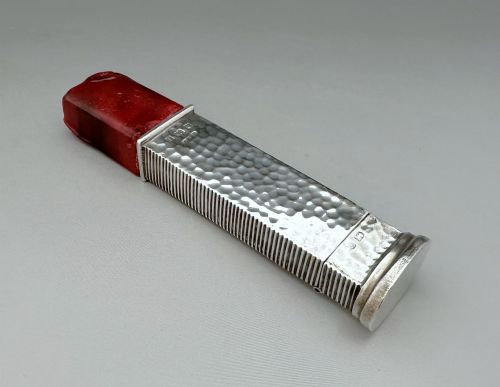
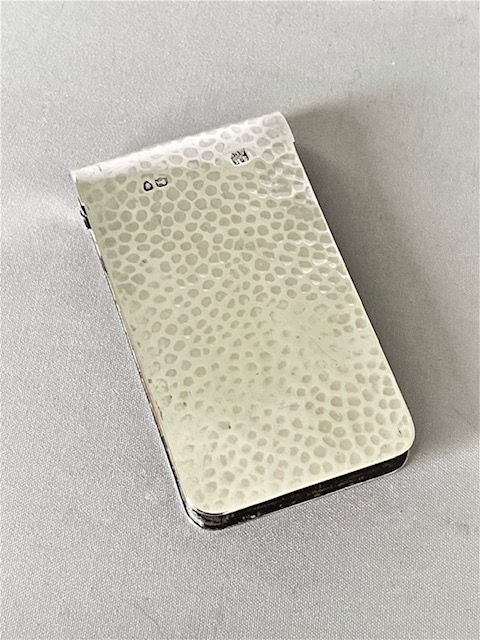
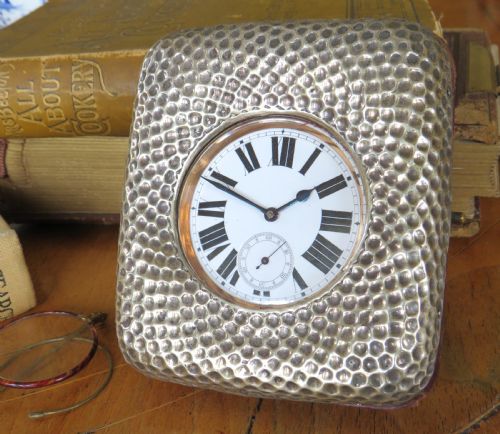
The inventory ranges from compact vesta cases and sovereign holders to cigarette cases, playing card boxes, and portable clocks. Many examples display the distinct hand-planished surfaces characteristic of the Arts and Crafts movement.
Origins span from the late nineteenth century into the 1920s, capturing a period when functional personal accessories received detailed artistic attention. Makers utilised sterling silver alongside complementary materials like enamel and sealing wax to create distinctive items.
Judging the work
Quality in a hammered silver case rests upon the consistency and rhythm of the hand-planished marks across the surface. Uniformity in the hammering pattern demonstrates superior silversmithing skill compared to irregular or haphazard indentations.
The crispness of maker's marks and town hallmarks stamped into the metal indicates the care taken during production. Additionally, the precision with which lids align, clasps latch, and hinges operate separates standard production items from finer workshop pieces.
Some Edwardian travellers trusted their schedules to a silver-cased travel clock while carrying playing cards in matching boxes.
Sampson Morden·Liberty & Co·J.B. Bennet·Dennison·William Neale·Gourdel Vales & Co
The Hammered Silver Case Glossary
- Vesta case
- A small pocket container specifically designed to hold matches and keep them dry. These pieces often feature a striking serrated edge on the base for igniting matches.
- Sovereign case
- A small round or oval container engineered to hold British gold sovereign coins securely. They frequently incorporate internal spring mechanisms to keep the coins from rattling.
- Planishing
- The silversmithing technique of smoothing and shaping metal using a light hammer with a polished face. This process hardens the silver while leaving the characteristic textured finish.
- Hallmark
- Official stamps applied to precious metals indicating the standard of purity, the assay office, and the year of manufacture. These marks provide definitive historical context for dating the piece.
Hammered Silver Case: Frequently Asked Questions
What is a vesta case used for?
A vesta case served as a pocket-sized container for holding matches safely before the widespread availability of safety matches. Users relied on them to keep matches dry and prevent accidental ignition in the pocket.
Today, these small silver items function as collectible pocket pieces or decorative desk accessories. They reflect the high standard of small-scale metalwork typical of the late Victorian and Edwardian periods.
How can I tell if a piece is Arts and Crafts?
Arts and Crafts pieces typically exhibit visible handmade textures, such as the distinct hammer marks left by the silversmith. They often reject machine-made perfection in favour of honest construction and simple, robust forms.
Many examples from this movement also incorporate stylistic elements inspired by nature, sometimes accented with enamel or coloured stones. Maker marks associated with specific guilds or prominent designers further confirm the style.
What is the difference between a stamp case and a sovereign case?
A stamp case is specifically constructed with internal slots or divisions to keep paper postage stamps flat and organised. They are generally thin and rectangular to accommodate folded sheets of stamps.
A sovereign case is built with circular compartments designed to fit standard gold coins precisely. They often include spring clips to release coins one at a time.
How should I clean silver with a hammered finish?
Cleaning hammered silver requires a gentle approach to avoid wearing down the raised texture or removing the dark oxidation in the indentations. Use a soft microfibre cloth and a mild silver cleaning solution designed for antique items.
Avoid aggressive polishing pastes and abrasive brushes that can flatten the hand-planished facets. Regular, light dusting helps maintain the natural lustre without disturbing the historic surface.