




Vintage Coin Case
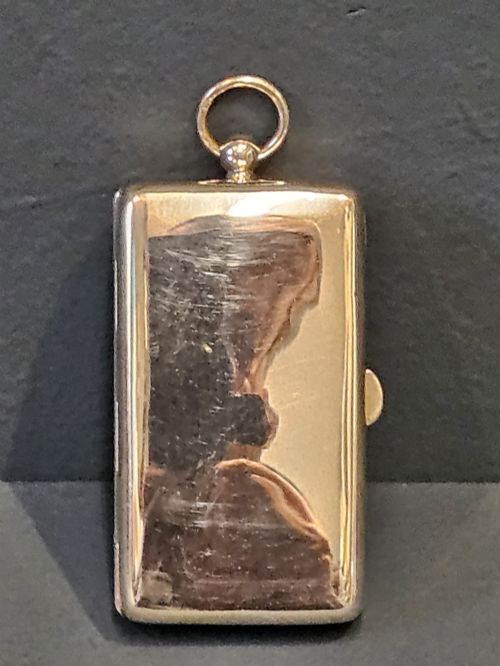
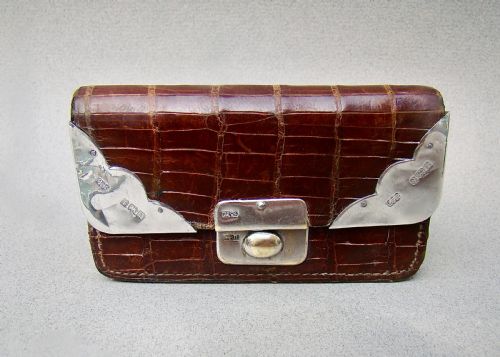
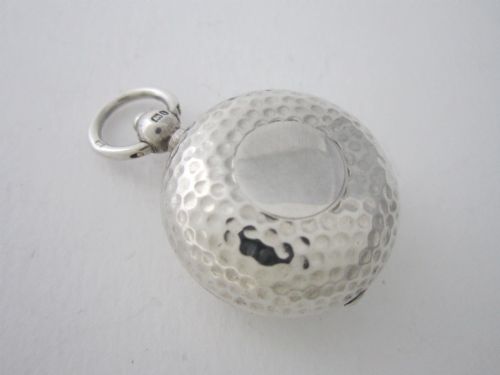
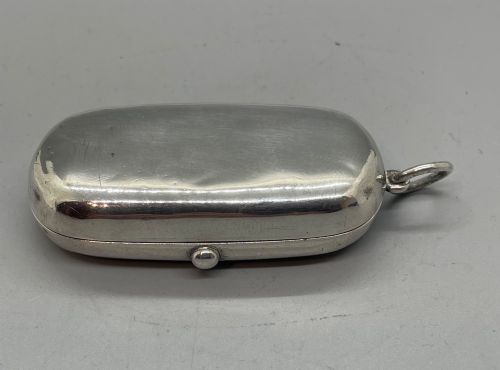
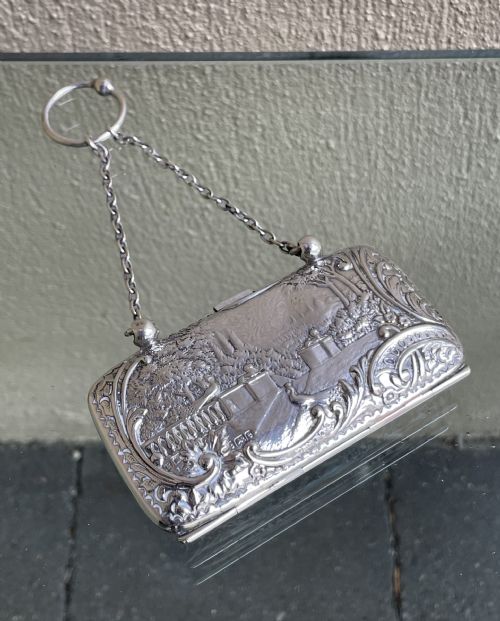
These vintage coin case examples span the Edwardian and Art Deco periods, offering small pockets for currency in sterling silver and crocodile leather.
Vintage Coin Case
A vintage coin case is typically designed to hold small currency formats such as sovereigns, featuring securely hinged compartments or leather folding pouches.
The most common form met on this page is the Edwardian sterling silver double sovereign case, alongside fitted purses and card combination cases.
Makers housed these small pieces in materials ranging from polished silver to exotic skins, reflecting the personal accessories of the early twentieth century.
Materials and construction
Silversmiths constructed these cases from sterling silver and silver gilt, often applying polished finishes or detailed engravings to the outer surface.
Natural materials like crocodile leather and oak appear alongside mirror glass, forming compact accessories and small specimen cabinets.
Listings span the Victorian, Edwardian, and George V periods, featuring sterling silver, oak, and crocodile leather.
Judging quality
Quality rests in the crispness of the hallmarks and the precise alignment of the spring-loaded mechanisms that secure the coins inside.
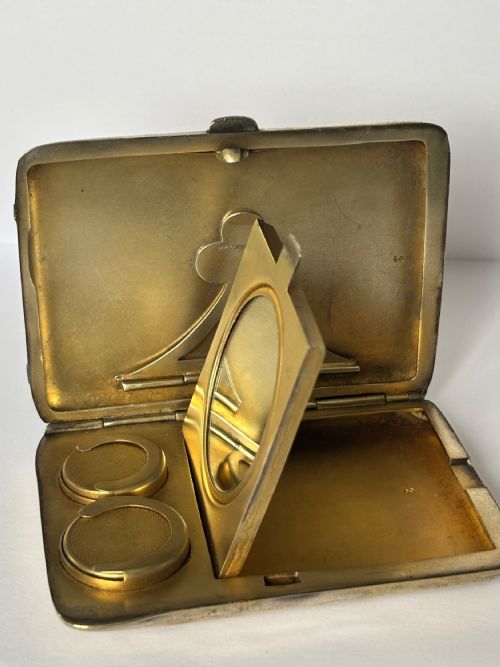
Finishing touches such as silver gilt interiors and well-preserved skin textures separate standard pocket pieces from finer coordinated compacts.
Charles Penny Brown·Aaron Lufkin Dennison·Henry Charles Freeman·Stephen Houghton And Son
The Vintage Coin Case Glossary
- Sovereign case
- A small pocket container shaped to hold one or two gold sovereign coins securely. These cases often feature spring clips and tight snap closures.
- Vesta case
- A small portable box designed to hold matches, sharing a similar pocket size and hinged construction with coin holders.
- Silver gilt
- Sterling silver that has been coated with a thin layer of gold on the interior or exterior surface. This technique adds a rich decorative contrast to the metal.
- Hallmark
- An official stamp applied to precious metals indicating the standard of purity, the assay office, and the year of manufacture.
Vintage Coin Case: Frequently Asked Questions
What fits inside a sovereign case?
These small containers were specifically engineered to hold standard gold sovereign and half-sovereign coins used in circulation during the Edwardian and Victorian eras.
Today, collectors use them to store similar small keepsakes or retain them as historical pocket accessories.
How do I identify an Edwardian silver piece?
Edwardian silver is identified through stamped hallmarks that record the assay office, the lion passant for sterling standard, and a specific date letter.
Pieces from this era frequently display crisp machine engraving or smooth polished silver surfaces.
Are these cases made of solid silver?
The silver pieces listed here are formed from sterling silver, meaning the metal meets the official purity standard for British silver objects.
Some examples also feature silver gilt surfaces where a layer of gold coats the interior.
How were combination cases used?
Combination cases integrated multiple functions into a single pocket accessory, holding coins alongside cards or compact mirrors.
They allowed individuals to carry daily essentials efficiently during the early twentieth century.