

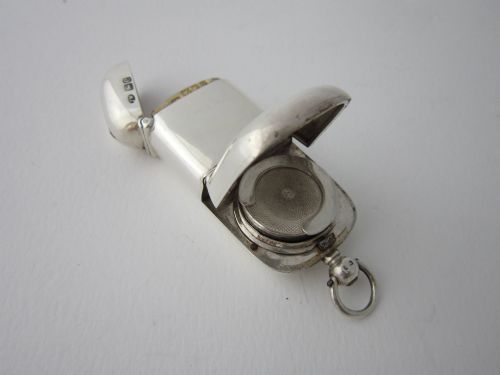


Edwardian Coin Holder
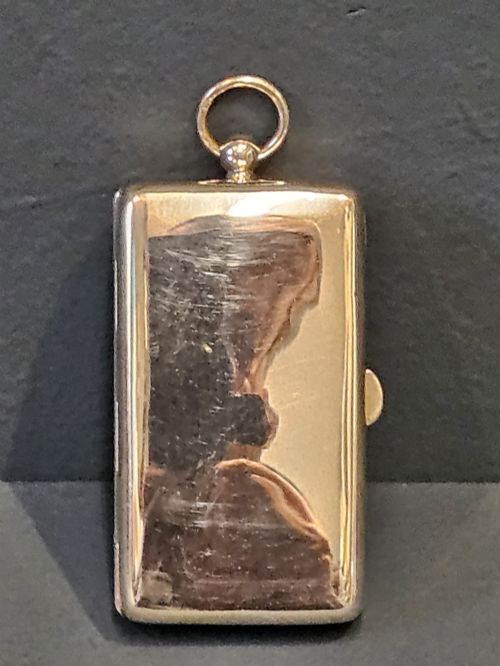
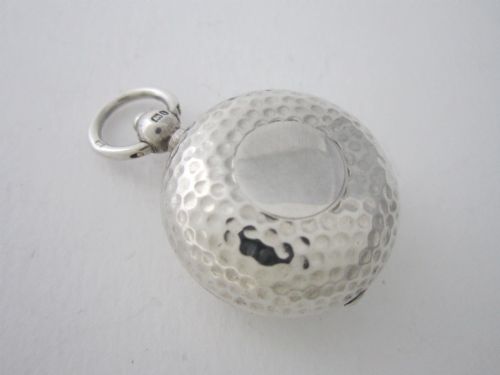
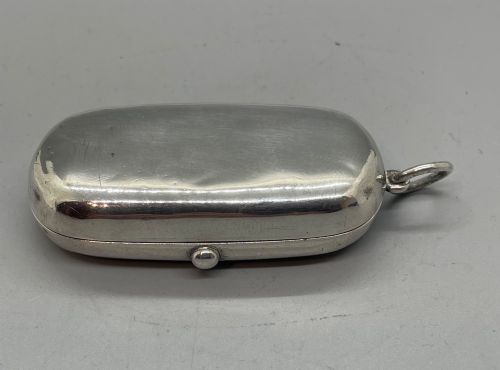
These Edwardian coin holder examples are compact silver and leather pocket pieces designed to keep currency safe and portable.
Edwardian Coin Holder
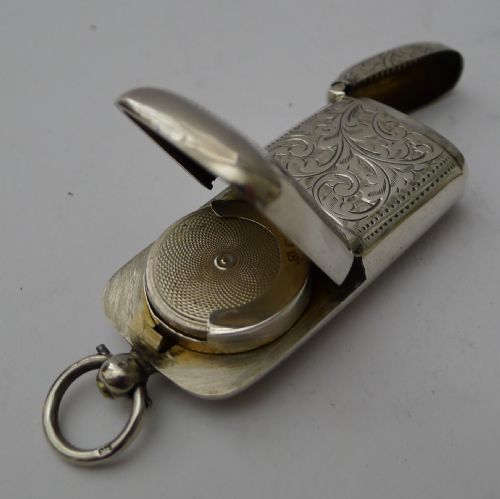
The objects span the Edwardian period alongside transitional pieces from the late Victorian era and early George V years. Forms range from dedicated coin receptacles to combined sovereign and vesta cases alongside silver mounted purses.
How they were made
Makers fashioned these pieces using sterling silver and leather, shaping the metal into polished cases designed for pocket use. Silversmiths utilised traditional Birmingham hallmarking methods to stamp purity marks and dates directly onto the metal bodies.
Hinged mechanisms and internal spring clips were engineered to secure individual coins firmly within the casing. Exterior surfaces frequently received polished finishes or subtle decorative engraving.
Matches lived right alongside gold coins in these pockets, proving the Victorians and Edwardians liked their fire and fortune kept in one tidy silver box.
What varies in quality
Distinction across these pieces lies in the complexity of the internal engineering, such as whether a case holds a single coin or accommodates a double sovereign configuration alongside a vesta compartment. Maker attribution also elevates certain examples, particularly those bearing the marks of known silversmiths.
The crispness of the Birmingham assay stamps and the preservation of the polished silver surfaces demonstrate the original standard of execution. Combinations involving multiple functions like integrated coin and match storage represent more intricate manufacturing standards.
Aaron Lufkin Dennison·Henry Charles Freeman
The Edwardian Coin Holder Glossary
- Sovereign case
- A small pocket receptacle specifically sized to hold British gold sovereign coins securely. These items usually feature a hinged lid and an internal spring mechanism.
- Vesta case
- A small box designed for carrying wax matches, frequently combined with coin compartments in these listings. They include a serrated striking edge on the exterior.
- Sterling silver
- A silver alloy containing 92.5 percent pure silver by mass, forming the primary metal body for these pieces. Birmingham assay offices commonly tested and marked this material.
- Assay office
- An official body that tested the purity of precious metals and stamped corresponding hallmarks onto items. Birmingham served as a primary location for these validations.
Edwardian Coin Holder: Frequently Asked Questions
What is an edwardian coin holder?
These items are small silver or leather pocket containers built to hold currency securely during daily transit. Most examples function as sovereign cases or combined vesta units.
They reflect the metalwork standards of the early twentieth century and frequently bear Birmingham hallmarks from the Edwardian period.
How were sovereign cases used?
Owners carried gold sovereign coins inside these fitted metal cases to protect the currency from loss or damage in the pocket. The internal spring mechanism kept the coins locked safely until needed.
Combined versions also stored matches in an integrated vesta compartment for convenience.
Are these pieces made of silver?
The metallic examples utilise sterling silver, verified by official assay office hallmarks stamped onto the metal. Leather also appears on mounted purses within this category.
The silver is often polished to a bright finish.
How do I identify the date?
Birmingham hallmarking stamps on the sterling silver bodies indicate the exact year of production and assay office origin. Maker marks alongside date letters reveal the historical background.
Stylistic elements also point toward the Edwardian, late Victorian, or early George V eras.