


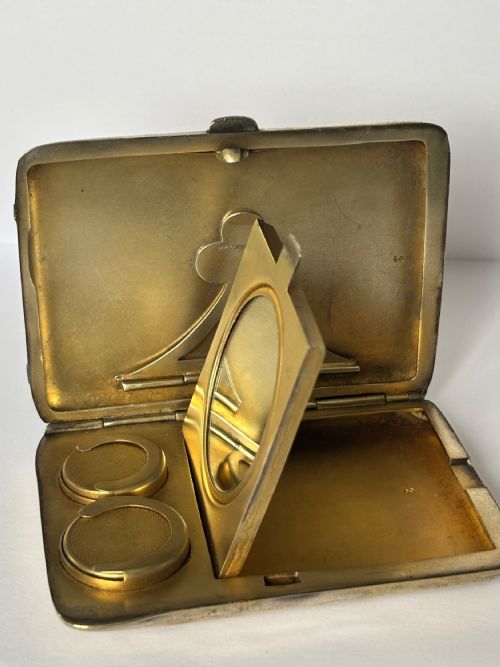


Antique Coin Case
An antique coin case safely holds currency or keepsakes, offering a tactile piece of history shaped by Victorian and Edwardian craftsmanship.
Antique Coin Case
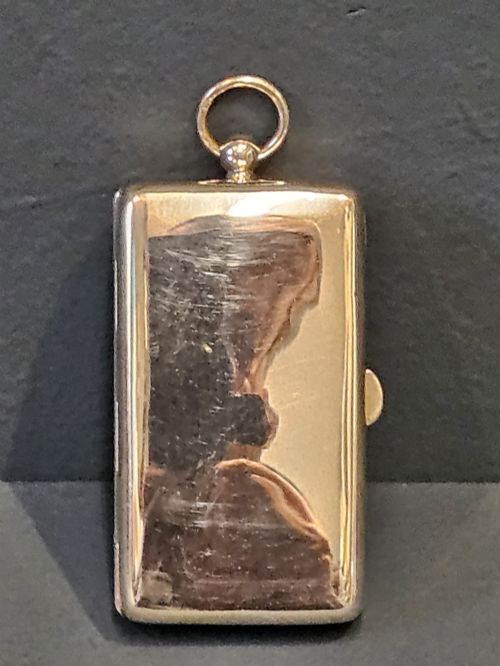
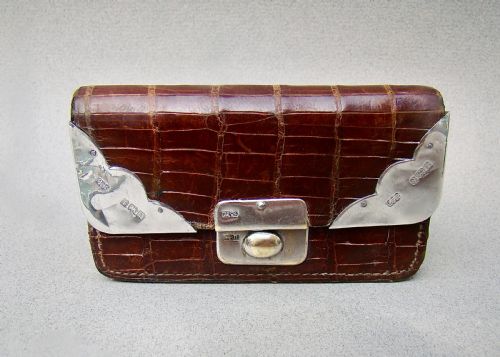
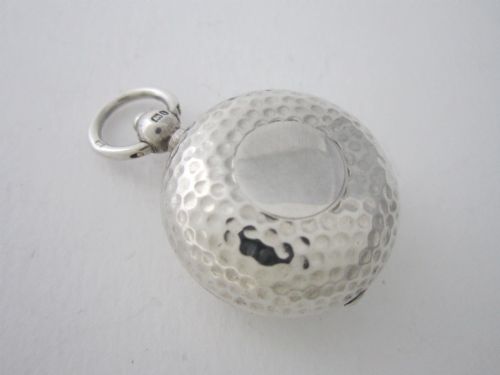
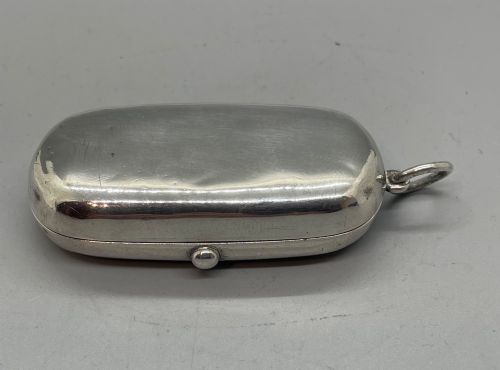
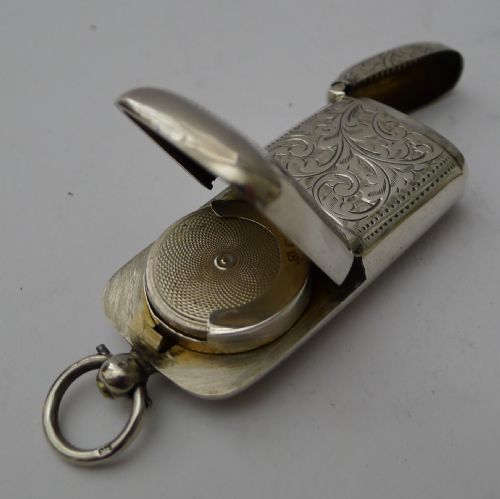
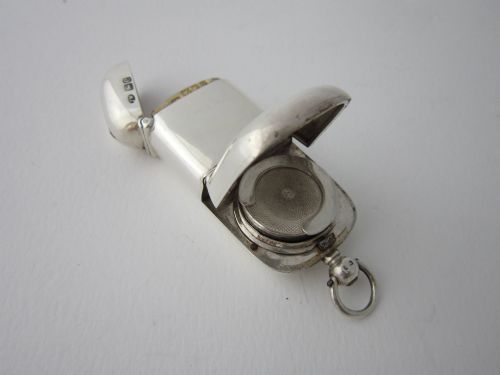
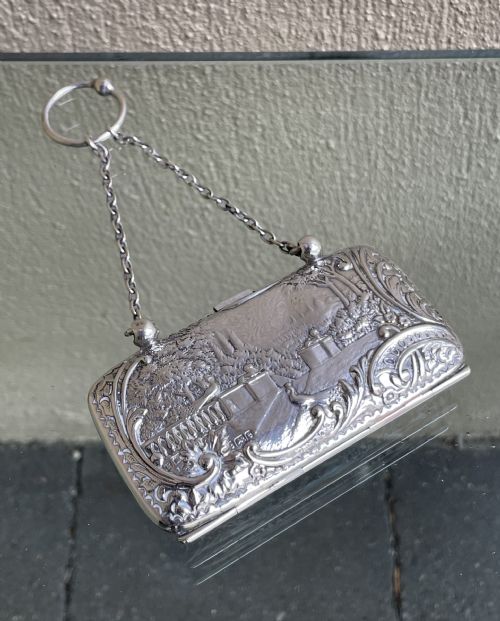
An antique coin case encompasses sovereign holders, vesta combinations, and leather or textile purses designed for pocket or desk use. The versions met most often on this page date from the Victorian and Edwardian periods, constructed in sterling silver, leather, and oak.
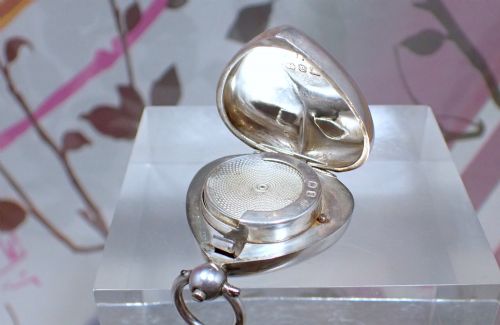
Makers fashioned these pieces to store specific currency denominations, such as sovereigns, or to serve as desktop specimen cases and miniature chests of drawers for small collections. Form follows utility, ranging from heart-shaped holders to folding gold balances and combination card compacts.
How they were made
Silversmiths utilised sterling silver and brass, often applying silver gilt or intricate engraving to create rigid protective housing. Leather, crocodile skin, silk, and tortoiseshell formed the body of folding purses and delicate display boxes.
Woodworkers built desktop specimen cases and miniature chests from mahogany and oak, fitting glass and drawers to house delicate items. Metal components relied on precise hinges and spring-loaded lids to secure coins safely inside.
Materials span sterling silver, brass, leather, mahogany, silver gilt, silk, oak, and crocodile leather across Victorian and Edwardian eras.
What varies in quality
The distinction between tiers rests on the crispness of hallmarks, the integrity of hinges, and the preservation of delicate internal linings. Superior examples retain original fitted boxes, crisp hand-carved mother of pearl, or unblemished silver gilding.
Execution of detail defines the upper range, seen in the smoothness of a double sovereign mechanism or the tight grain of fitted mahogany. Poorer execution shows worn engravings, loose springing, or degraded textiles.
Charles Penny Brown·Aaron Lufkin Dennison·Henry Charles Freeman·Wright and Davies·Ludwig Krumm·Stephen Houghton and Son
The Antique Coin Case Glossary
- Sovereign case
- A small protective container sized precisely to hold British sovereign gold coins securely. Many feature spring-loaded internal clips for individual coin storage.
- Vesta case
- A pocket box designed to hold wax matches, frequently combined with a sovereign holder in late Victorian and Edwardian designs. These dual-purpose items served everyday carriage needs.
- Silver gilt
- Silver covered with a thin layer of gold, providing a rich yellow metallic finish. This technique enhanced decorative accessories and compacts.
- Specimen case
- A miniature chest of drawers or display cabinet intended for organised storage of small collectibles. Examples appear in oak and mahogany with glass panels.
Antique Coin Case: Frequently Asked Questions
What fits inside an antique sovereign case?
These cases accommodated nineteenth-century gold sovereign and half-sovereign coins used in daily commerce. The internal spring clips secured the coins tightly against movement while allowing quick retrieval.
Today, owners utilise them to hold modern coins of similar dimensions or small keepsakes. The precise sizing means larger currency will not fit.
How do I date a silver coin case?
British silver items carry hallmark stamps that indicate the assay office, standard of metal, and the specific year of manufacture. A leopard's head or anchor alongside a date letter points directly to the year of hallmarking.
Matching the maker's mark against historical records confirms the workshop origin. Stylistic clues like Art Deco geometric lines or Edwardian scrollwork further support the timeline.
What is the difference between a purse and a sovereign holder?
Purses offered flexible storage for mixed currency, notes, and cards using textiles, silk, and leather. Sovereign holders were rigid metal housings engineered specifically for circular gold coins.
Combination pieces merged both functions into one accessory. A traveller could carry paper notes in a leather fold alongside secured gold sovereigns in a silver chamber.
How should I clean antique silver cases?
Silver cases benefit from gentle dusting with a soft microfibre cloth to remove surface grime. Aggressive polishing wears away thin engravings and destroys the aged patina.
Items with leather, silk, or crocodile skin require protection from moisture and direct sunlight. Professional conservation advice is recommended for fragile interior linings.