



Birmingham Silver Holder
Discover a birmingham silver holder crafted for domestic utility, personal adornment, and the display of keepsakes.
Birmingham Silver Holder
A birmingham silver holder encompasses a diverse selection of small metalwork objects made for the pocket, desk, and dining table. Collectors encounter items originating from Victorian, Edwardian, and George V periods, alongside Art Deco and Arts and Crafts examples.
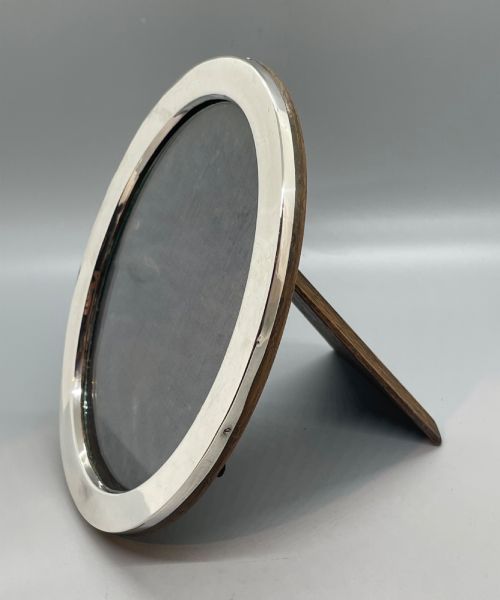
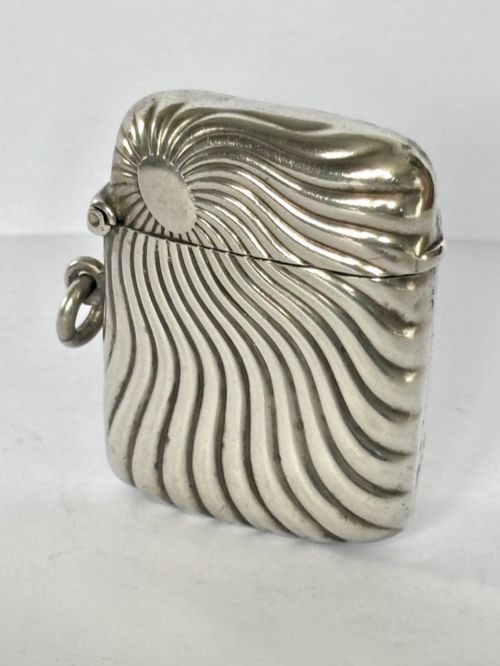
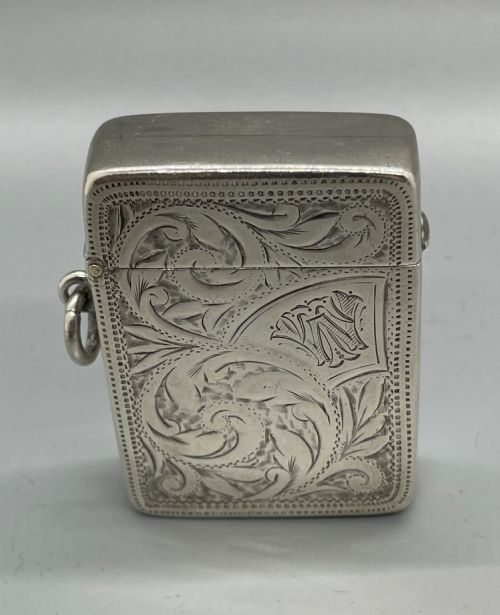
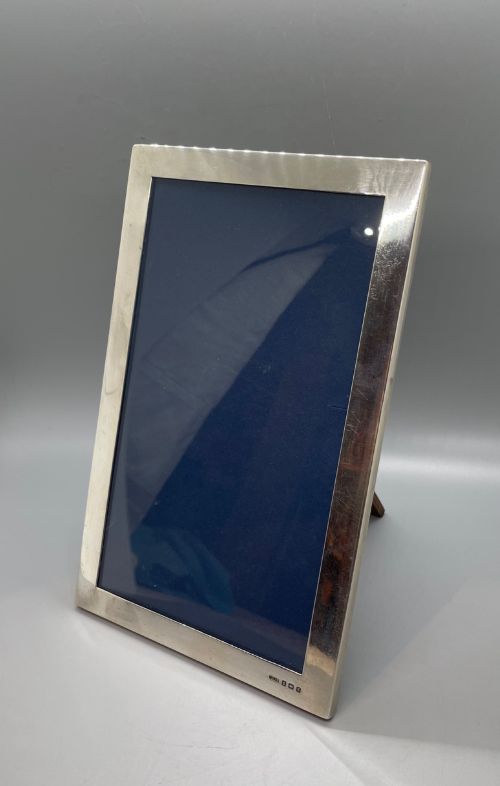
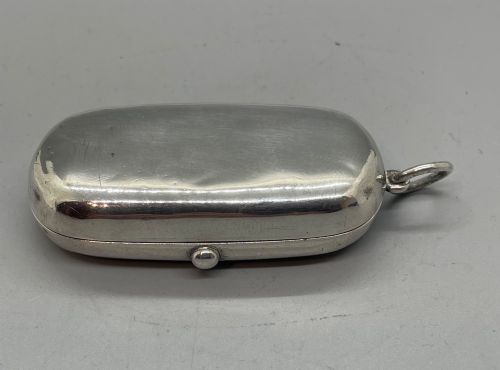
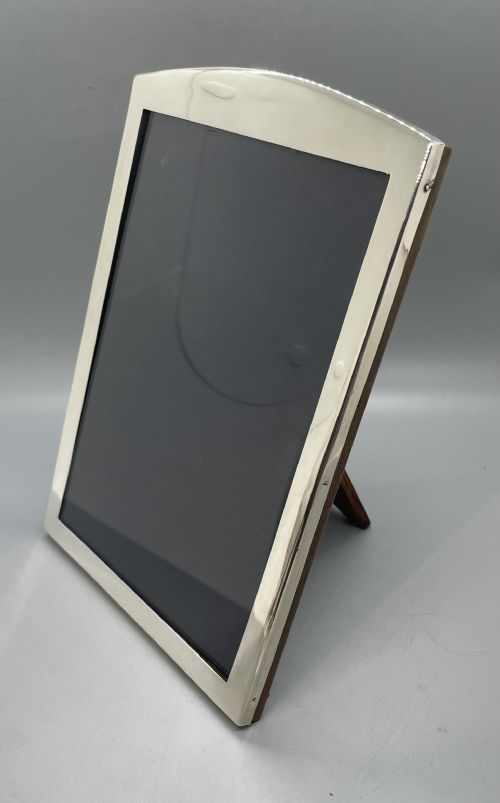
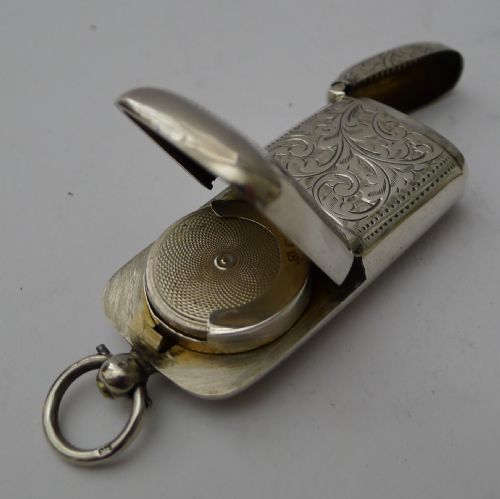
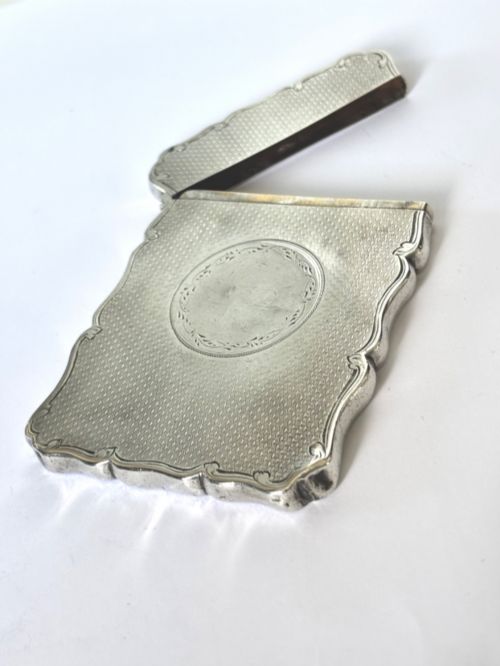
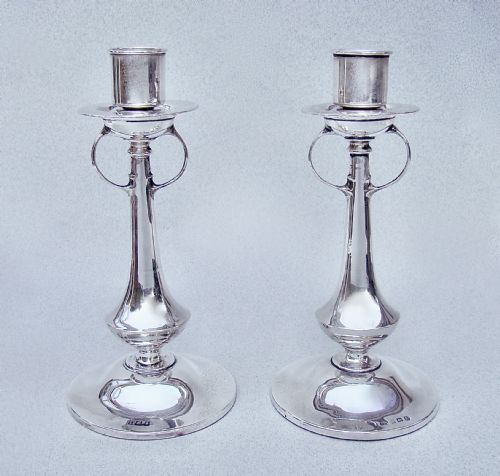
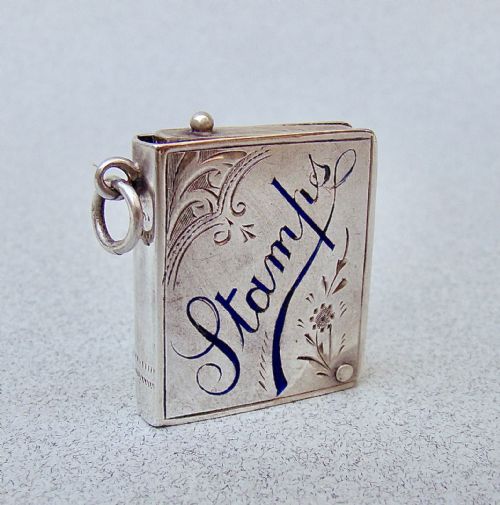
The objects take many forms, including vesta cases, napkin rings, menu holders, photo frames, card cases, stamp cases, hat pin holders, and sovereign cases. These pieces reflect the manufacturing output of the West Midlands assay office during the nineteenth and twentieth centuries.
How They Were Made
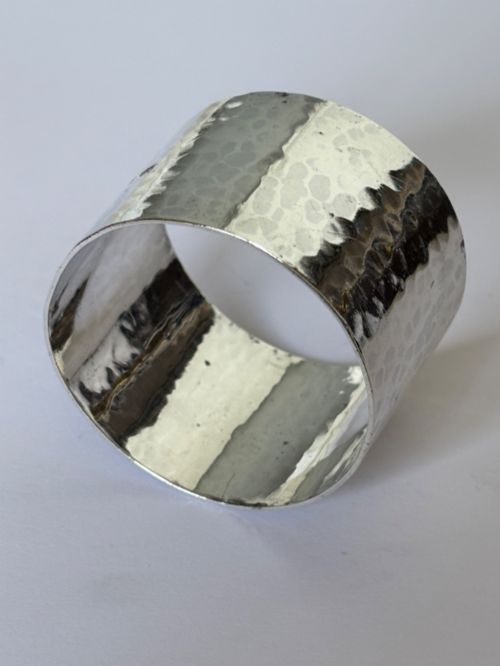
Makers utilised sterling silver alongside supporting structural materials such as wood, leather, velvet, silk, glass, and enamel. Artisans employed techniques including hammering, planishing, and casting to shape the metal components.
Decorative finishes incorporate guilloche enamel, tortoiseshell panels, and engraved motifs, which complement the structural metalwork. Structural joins and hinges secure internal compartments for matches, stamps, and calling cards.
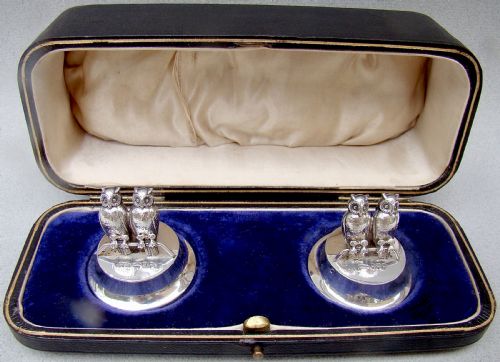
Watch out for tiny silver owls holding your dinner menus.
What Varies in Quality
The standard of execution depends on the crispness of the hallmarks, the precision of the hand-hammered or planished surfaces, and the complexity of the design. Novelty forms and specialised items require greater skill from the silversmith than standard utilitarian shapes.
The inclusion of supplementary materials such as undamaged enamel, intact glass liners, or fitted leather backing demonstrates higher manufacturing ambition. The reputation of the workshop also influences the standing of individual items within the market.
Albert Edward Jones·Levi & Salaman·Robert Chandler·George Unite·James Fenton·Crisford & Norris·Robert Pringle·C.T. Burrows & Sons·Henry Charles Freeman·Henry Matthews·Marson & Jones·J.B. Bennet·Deakin & Francis·Laurence Emanuel·Foxall & Co·Francis Webb·A&J Zimmerman·W.H Collins·Synyer & Beddoes·Adie & Lovekin·William Vale & Sons·Coles & Fryer·Grey & Co·The Adie Brothers·Lawrence Emanuel
The Birmingham Silver Holder Glossary
- Vesta case
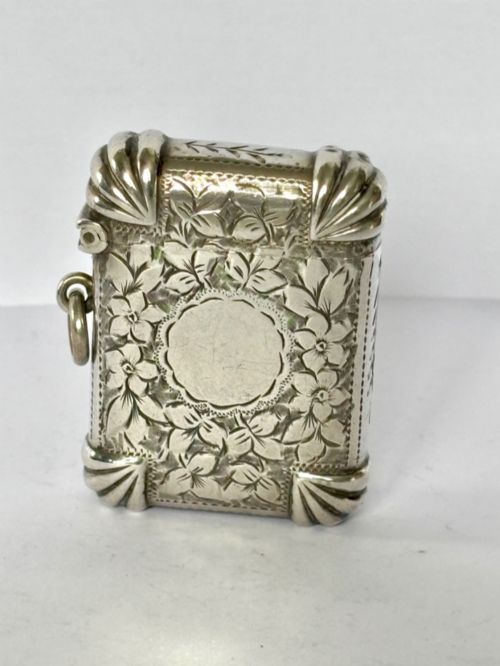
- A small portable container designed to hold matches and strike them on an integrated serrated base. These pocket items date extensively to the Victorian and Edwardian eras.
- Menu holder
- A small desk or table accessory intended to display dining menus during formal meals. They frequently take figural or novelty shapes.
- Planished
- A surface texture created by hammering the metal with a smooth round-headed hammer to leave subtle, uniform facets. This technique appears often on Arts and Crafts pieces.
- Sovereign case
- A compact circular container engineered to hold British gold sovereign coins securely on the person. Many examples feature spring-loaded internal mechanisms.
Birmingham Silver Holder: Frequently Asked Questions
What is a vesta case used for?
A vesta case served as a pocket-sized container for holding safety matches safely away from moisture and accidental friction. Gentlemen and ladies carried them daily for lighting pipes, cigars, and gas lamps.
Over time, these objects evolved into decorative accessories featuring engraved patterns, novelty animals, or inset enamel panels. Today, collectors value them as tactile examples of period silversmithing.
How do I date these silver items?
Dating relies primarily on the legible hallmarks stamped directly onto the silver surface by the Birmingham Assay Office. These marks typically include a date letter, a lion passant for sterling silver, and an anchor indicating the assay town.
Stylistic indicators such as Edwardian proportions or Art Deco geometry also assist in narrowing the decade of manufacture. Comparing maker marks helps identify the specific workshop responsible for the piece.
How should I display photo frames?
Silver photo frames function well when placed on wooden desks, mantelpieces, or dedicated display tables alongside other metalwork. Their easel backs allow them to stand independently without requiring permanent wall fixtures.
Regular handling and careful placement away from direct heat sources help preserve the wooden backs and velvet linings. Gentle dusting maintains the finish of both the silver border and the glass panel.
Why are some items called novelty holders?
Novelty holders were manufactured in whimsical, figural shapes that imitated animals, books, thimbles, or everyday objects rather than standard geometric forms. Makers designed them to spark conversation and amusement during formal gatherings and dinner parties.
These pieces required advanced casting and assembly techniques from the silversmith. Their scarcity makes them particularly sought after by specialised collectors.