
Silver Fruit Dish
When you handle a silver fruit dish, you hold a piece designed to bring ceremony and shine to the table.
Silver Fruit Dish
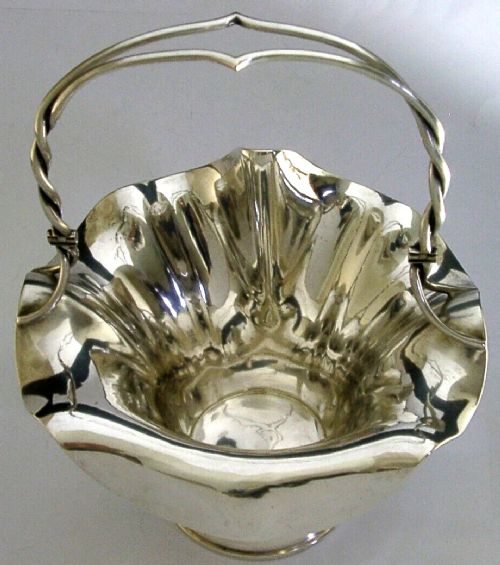
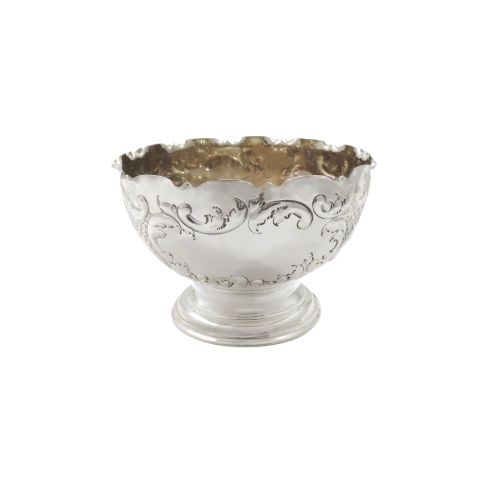
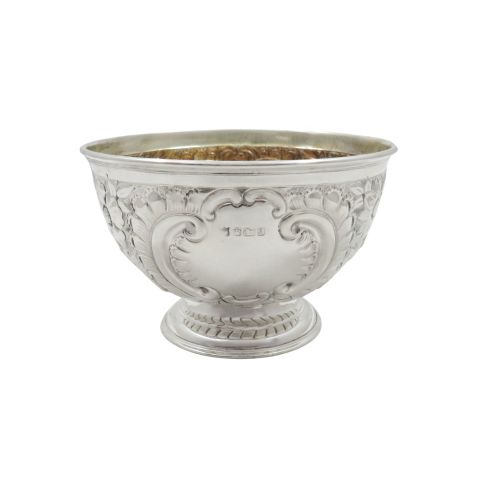
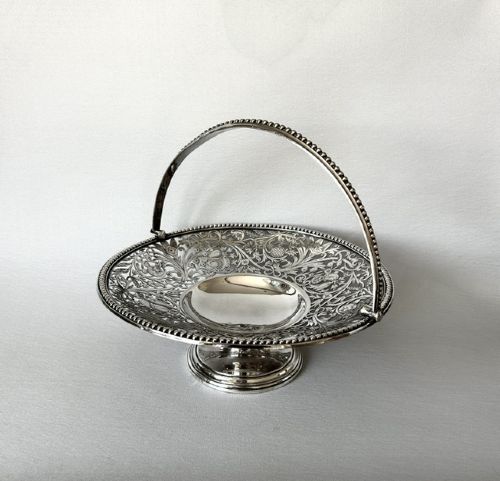
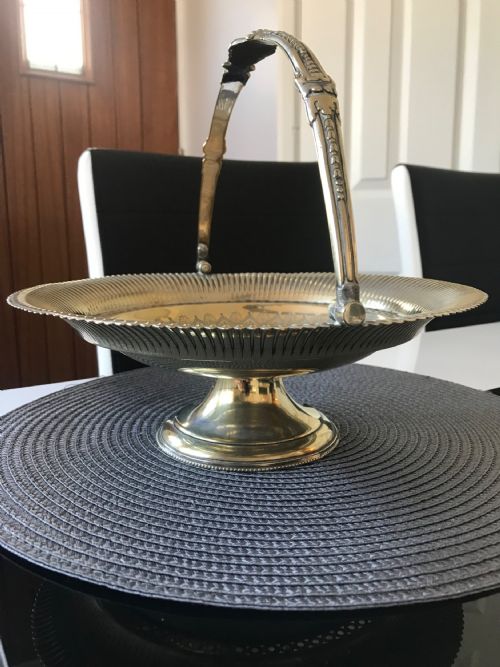
A silver fruit dish serves as a grand centrepiece, footed tazza, or swing-handled basket intended for presenting seasonal produce or decorative confections. These vessels trace their lineage through Victorian, Edwardian, and later twentieth-century dining traditions, appearing in solid silver, sterling, and heavy silver plate.
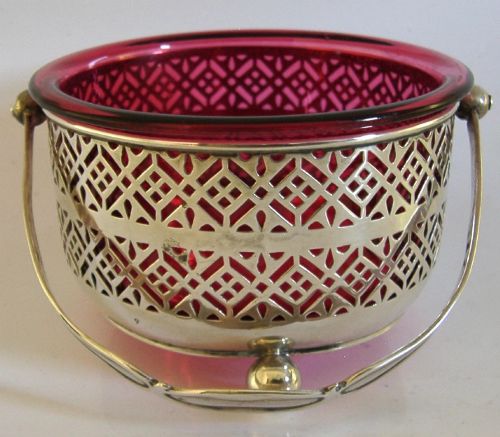
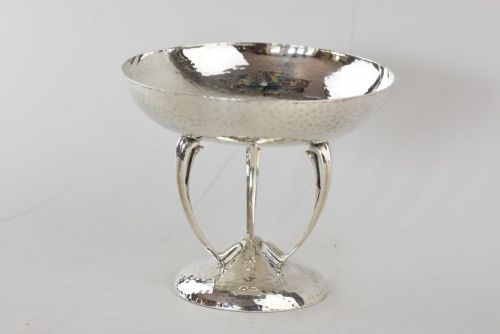
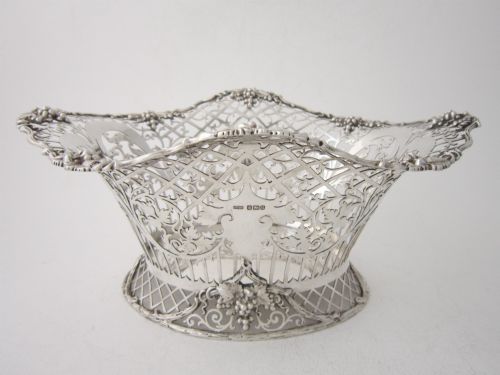
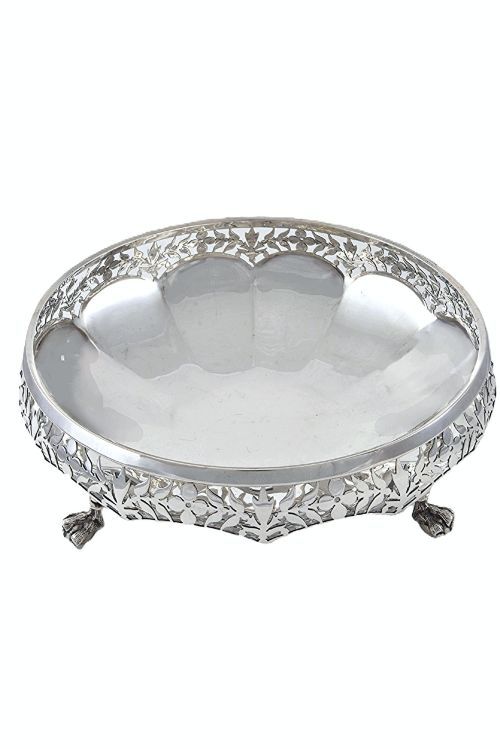
The most common examples encountered on this page range from pierced Edwardian wirework baskets and heavy Victorian pedestal bowls to modernist Art Deco tazzas. Makers shaped these items for formal dining rooms, drawing rooms, and country houses where display mattered as much as utility.
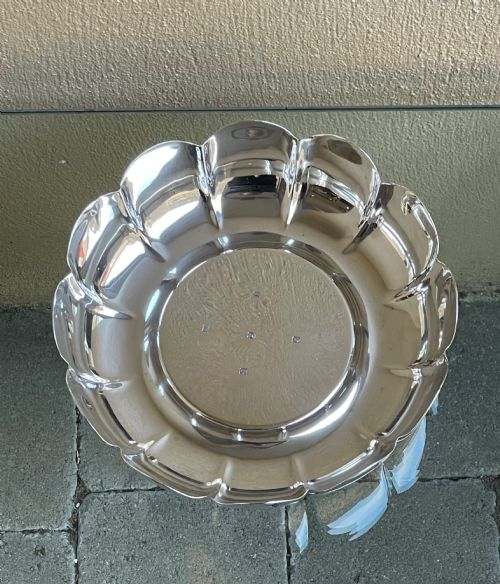
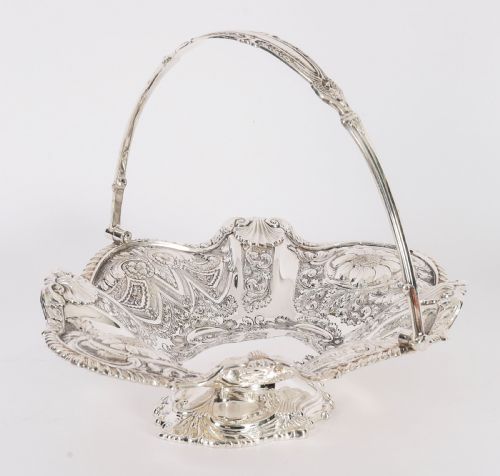
Forms vary from shallow circular bowls on three feet to large oval baskets with repoussé floral rims or swing handles. Whether created in solid sterling or electroplated nickel silver, each piece reflects the changing domestic habits of the nineteenth and twentieth centuries.
Materials and Construction Techniques
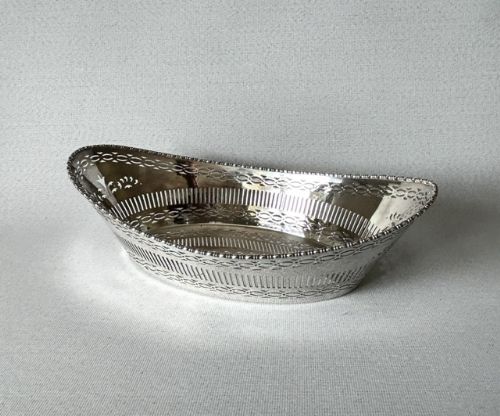
Silversmiths utilised traditional methods such as hammering, piercing, and repoussé chasing to shape solid silver and sterling into complex floral or geometric patterns. Many pieces combine structural weight with delicate fretwork, creating open lattice walls that lighten the visual load of the metal.
Silver plating on copper, brass, or nickel silver became widespread, utilising techniques like Old Sheffield plating and electroplating to achieve the look of solid metal at a different scale. Workshops also incorporated contrasting materials such as cranberry glass, cut crystal liners, ceramic inserts, and oak bases into their designs.
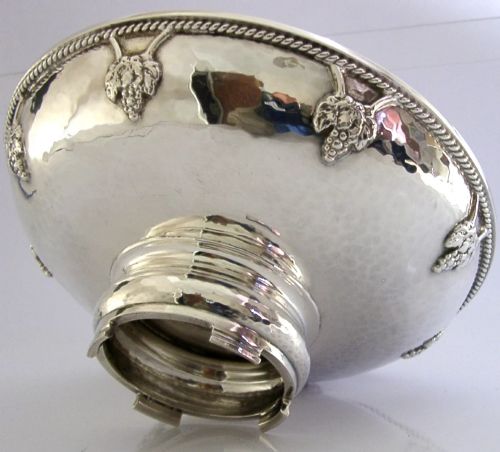
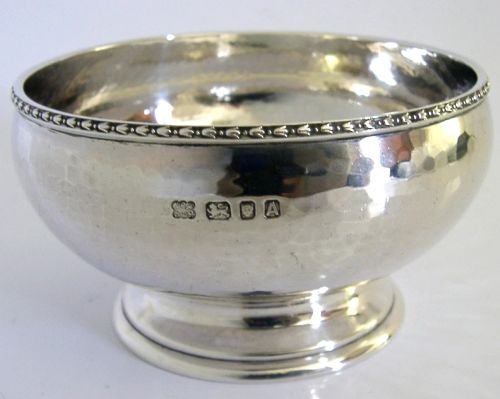
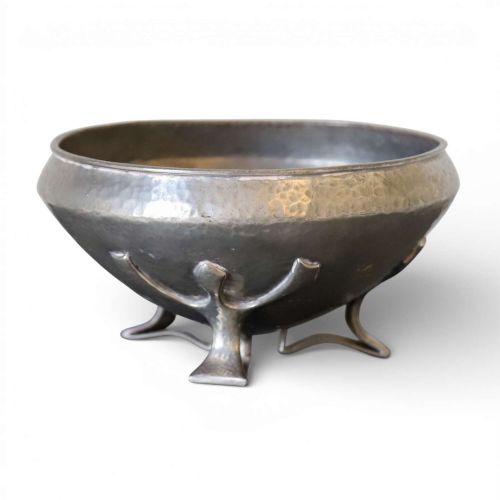
Hand-planished surfaces appear on Arts and Crafts examples, where the deliberate marks of the hammer give texture and depth to the metal. Cast mounts, reeded handles, and applied cast borders were soldered to bodies, uniting different workshop processes into a single finished vessel.
Silver Fruit Dish Retail Price Guide 2026
Typical asking prices for silver fruit dish among the pieces listed under this phrase on Sellingantiques today, from the lower quarter to the upper quarter. They describe what is for sale here now, not the wider market.
Materials recorded across the inventory include sterling silver, electroplated nickel silver, copper, pewter, oak, glass, and ceramic.
Distinguishing Quality Across the Range
Quality rests in the crispness of the chased decoration, the weight of the metal relative to the size of the vessel, and the integrity of the construction. Superior pieces display deeply struck hallmarks, balanced proportions, and cleanly pierced lattice work without distortion.
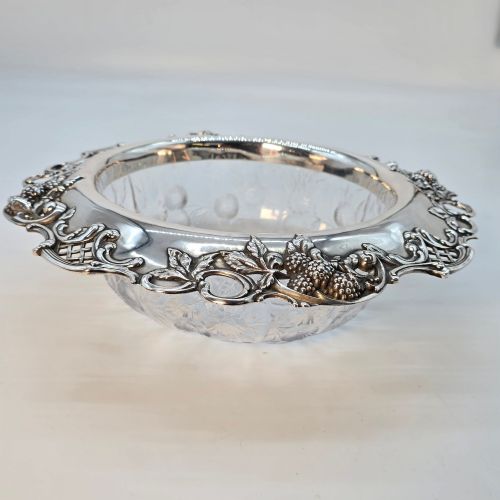
The depth and detail of repoussé work separate standard commercial output from exceptional studio pieces, particularly where flora, fruit, or figural motifs are hand-chased rather than machine-stamped. In plated items, the thickness of the silver layer over the base metal determines how well the surface survives decades of cleaning.
Maker attribution elevates certain items, as pieces bearing the marks of renowned retailers and workshops show superior finishing in their handles, hinges, and feet. The harmony between any glass liners and their metal mounts further distinguishes thoughtful design from routine manufacture.
A E Jones·Goldsmiths and Silversmiths Company·Liberty and Co·Tiffany and Co·Mappin and Webb·Daniel Arter·Charles Boyton·Elkington and Company·Walker and Hall·Thomas Bradbury·John Hunt·William Comyns·Wilkens and Sohne
The Silver Fruit Dish Glossary
- Repoussé
- A metalworking technique where the artisan hammers the design from the reverse side to form raised relief patterns on the front. This method creates tactile floral and scroll motifs across bowls and baskets.
- Tazza
- A shallow saucer-like dish mounted upon a stem and foot, originating as a ceremonial display vessel. These elevated forms are frequently encountered in Edwardian and Arts and Crafts collections.
- Pierced
- The technique of cutting decorative openings through the metal wall of a dish to create geometric, lattice, or floral patterns. It lightened the appearance of heavy silver and allowed coloured glass liners to show through.
- Swing Handle
- A hinged handle attached to the rim of a basket or dish, allowing it to fold flat against the sides. This feature is common on Edwardian and Victorian cake and fruit baskets.
- Old Sheffield Plate
- An early composite material made by fusing a thin sheet of silver to a thicker copper core before rolling them together. It predates standard electroplating and is identifiable by thin slivers of showing copper at the edges.
Silver Fruit Dish: Frequently Asked Questions
What is the difference between a fruit dish and a centrepiece bowl?
Centrepiece bowls tend to be larger, deeper, and heavier, designed to anchor the middle of a formal dining table. Fruit dishes and baskets are often shallower, sometimes featuring swing handles for easier passing among guests.
While both share similar periods and decorative styles, baskets and smaller tazzas were utilised for lighter offerings like strawberries, bread, or confectionery.
How do I know if my dish is solid silver or silver plated?
Solid silver and sterling items carry hallmarks indicating the standard of purity, the assay office, and the date letter. English pieces usually show a lion passant or specific numerical fineness marks.
Silver plated items lack these official assay marks and instead carry manufacturer initials, catalogue numbers, or stamps denoting electroplate, such as EPNS or Old Sheffield Plate.
Can I still use these dishes for serving food?
Most silver and silver plated dishes remain entirely functional for serving dry fruits, bread, or wrapped sweets. Items fitted with removable glass or ceramic liners are particularly practical for fresh or moist fruit.
Care should be taken with unlined pieces to avoid acidic foods sitting on antique metal surfaces for extended periods.
How do I date an unmarked antique silver plate fruit dish?
Dating relies on stylistic clues such as the form, the style of repoussé ornamentation, and the presence of aesthetic movement or Victorian floral engraving. The shape of handles, the construction of feet, and any registry numbers stamped into the base also provide clues.
Comparing the manufacturing technique, such as the transition from Old Sheffield Plate to electroplating, narrows the period of production.