
Silver Flatware Spoon
When you search for a silver flatware spoon, you encounter practical table utensils shaped by centuries of silversmithing, from simple teaspoons to grand serving ladles.
Silver Flatware Spoon
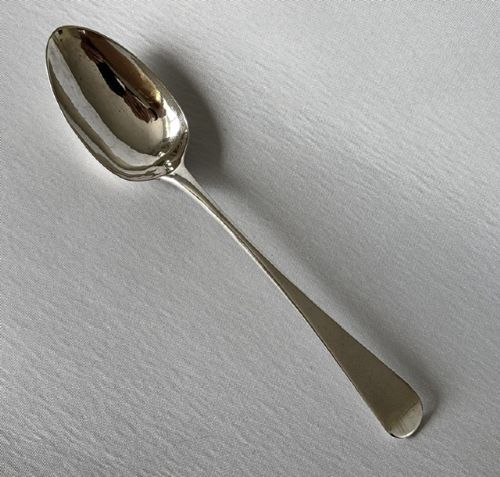
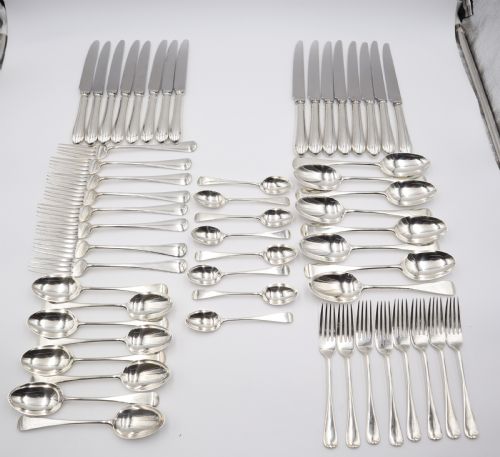
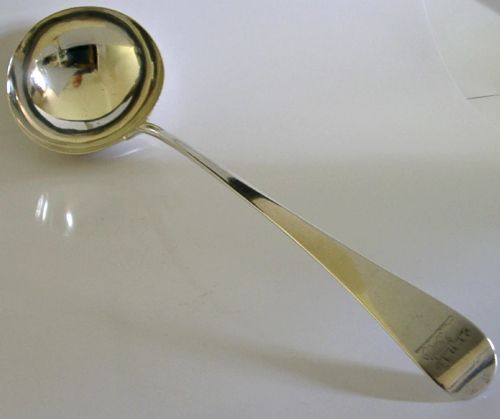
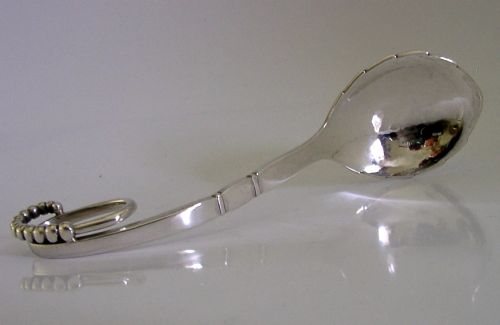
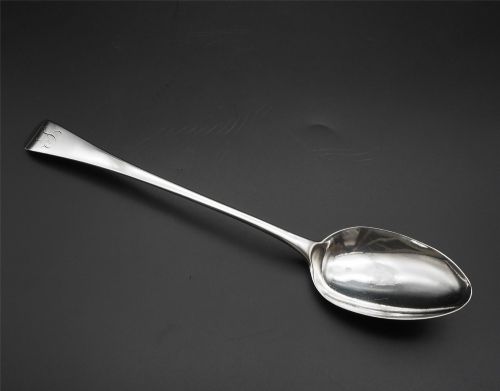
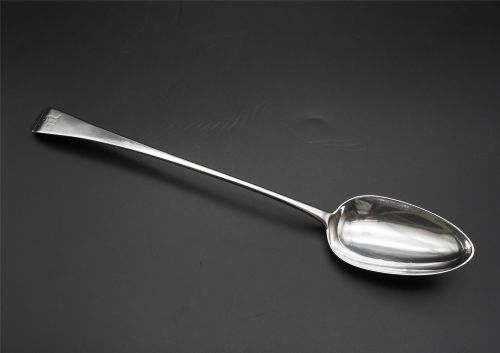
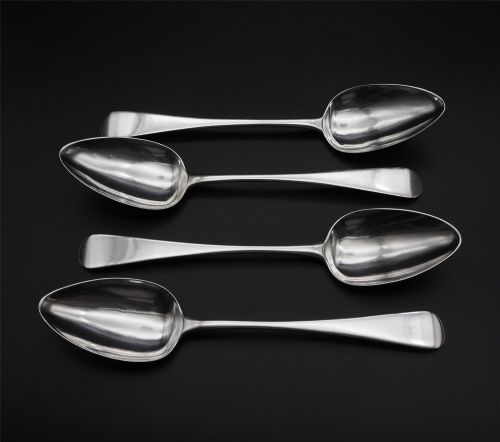
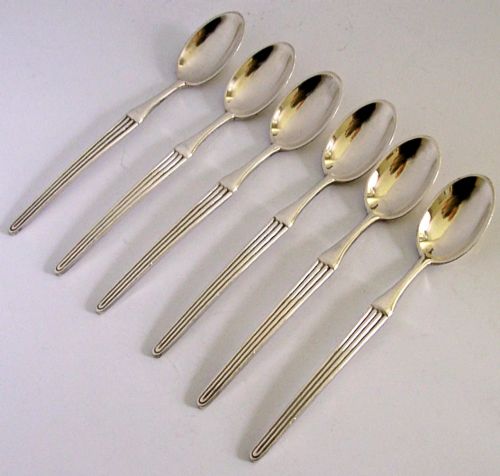
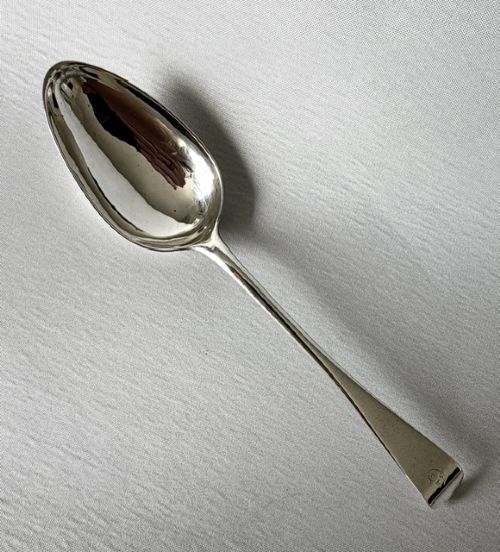
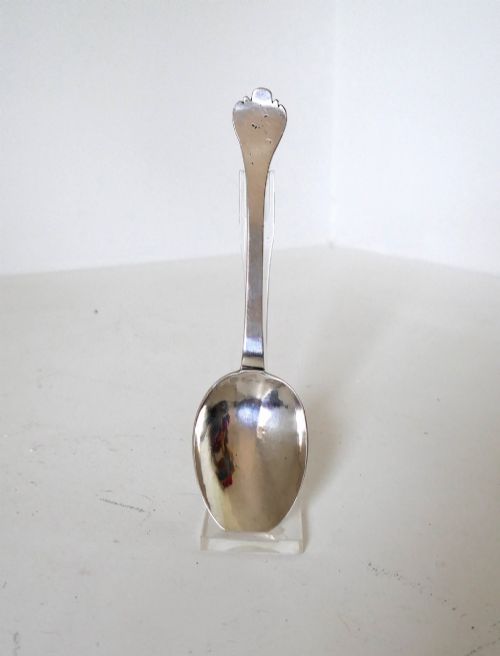
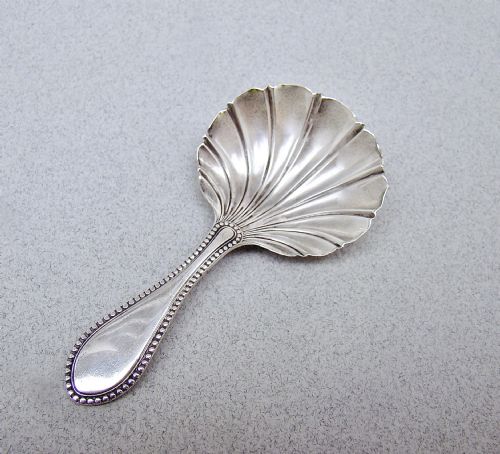
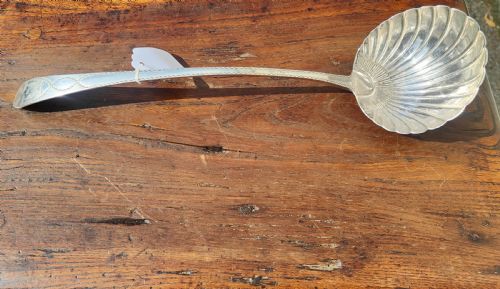
A silver flatware spoon encompasses a broad variety of forms designed for dining and serving, ranging from small caddy and coffee spoons to substantial basting and hash spoons. You will frequently find pieces originating from the Georgian, Victorian, and Edwardian periods, as well as later twentieth-century designs.
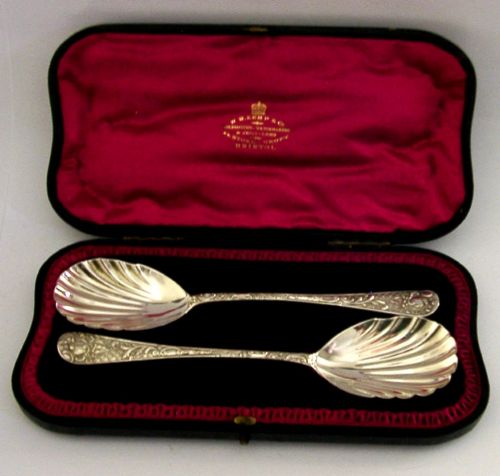
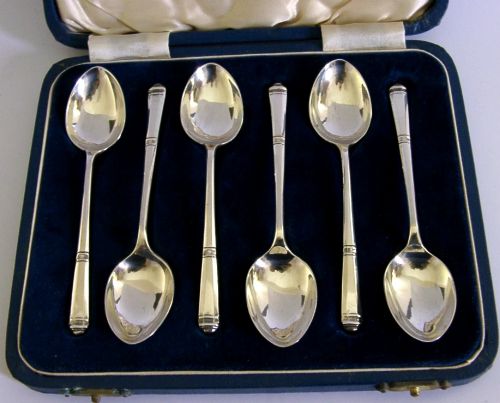
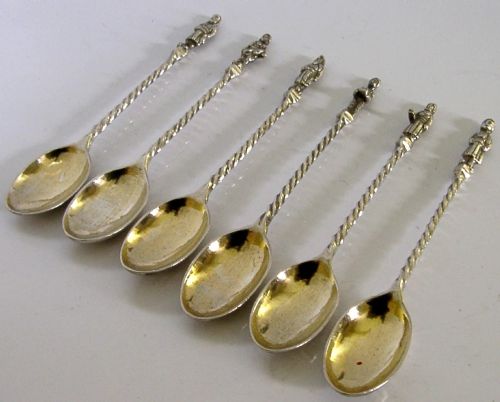
The assortment includes specialised implements such as sugar sifter spoons, grapefruit spoons, apostle spoons, and cased cutlery sets. Makers worked in various regional centres across Britain, Ireland, continental Europe, and beyond to produce functional items for the table.
Objects span formal serving utensils used for large meals and individual pieces intended for daily domestic use. Dating evidence points to centuries of changing dining habits, with stylistic shifts visible in handles, bowls, and decorative motifs.
Distinctions in standard and execution
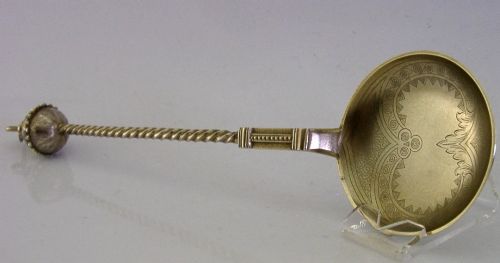
Quality rests in the crispness of the hallmarks, the weight of the silver, and the balance of the utensil in the hand. Master silversmiths achieved finer definition in cast handles, engraved decoration, and structural joins.
The preservation of original surface detail and the integrity of the maker's mark distinguish superior examples. Pieces accompanied by fitted cases or belonging to matched sets also reflect higher initial manufacture and careful ownership.
Some nineteenth-century diners required dedicated grapefruit spoons with serrated edges to tackle breakfast citrus.
Peter and Jonathan Bateman·Hester Bateman·Georg Jensen·Martin Hall and Company·Joseph Willmore·John Pittar·Andrew Archer·John Walton·Hamilton and Inches
The Silver Flatware Spoon Glossary
- Hallmark
- A series of official marks stamped on precious metals indicating the standard of purity, the assay office, and the year of manufacture. These stamps provide a reliable method for dating British silver.
- Basting spoon
- A large utensil designed for spooning juices over roasting meat. They typically measure longer than standard tablespoons and date frequently to the Georgian period.
- Mote spoon
- A slender eighteenth-century spoon featuring a pierced bowl used for skimming tea leaves and a pointed stem for clearing teapot spouts. They represent a specific domestic tool from an earlier era of tea drinking.
- Fiddle pattern
- A nineteenth-century handle shape characterised by a widened, squared terminal resembling a fiddle. This style appeared frequently on Victorian flatware services and serving pieces.
- Silver gilt
- Silver that has been coated with a thin layer of gold on the surface. This technique added richness to ceremonial or serving spoons.
Silver Flatware Spoon: Frequently Asked Questions
How do I identify a Georgian silver spoon?
Georgian silver spoons typically exhibit distinct hallmarking stamps that reveal the assay office and year letter, alongside styles characteristic of the eighteenth and early nineteenth centuries. Hand-engraved crests and plain or bright-cut stems often accompany these earlier pieces.
Examining the shape of the bowl and the gauge of the silver helps distinguish them from later Victorian or twentieth-century reproductions. Silversmiths of this era employed specific handle designs, such as the Hanoverian or Old English patterns.
What was a caddy spoon used for?
A caddy spoon was designed specifically for measuring loose tea leaves from a tea caddy into the teapot. These small spoons became popular as tea grew into a valued commodity.
Because of their specialised function, makers often shaped the bowls like leaves, shells, or flowers and fitted them with short handles. They are frequently collected as distinct miniature silver objects.
How should antique silver spoons be cleaned?
Antique silver spoons require gentle maintenance using a soft cloth and a specialised silver polish formulated to remove tarnish without harming the metal. Avoid abrasive materials that can wear away crisp hallmarks and fine engraving.
Storing pieces in tarnish-resistant cloth or fitted cases helps protect the surface from atmospheric oxidation when they are not in use.