


Silver Drinks Platter
A silver drinks platter brings polish to a gathering, serving glasses and bottles with tactile weight and bright reflection.
Silver Drinks Platter
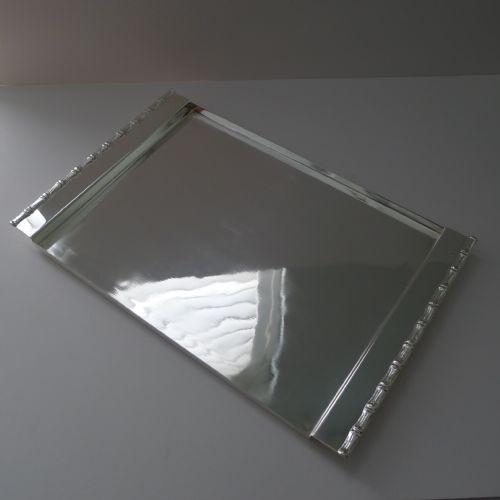
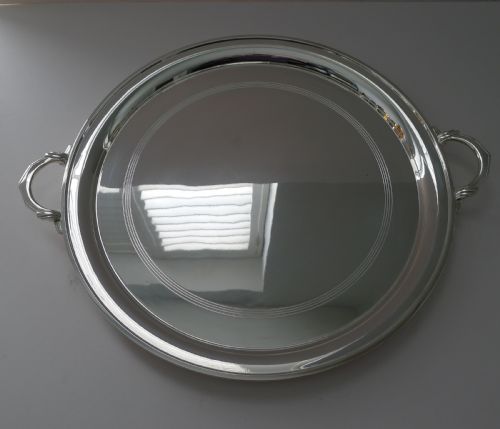
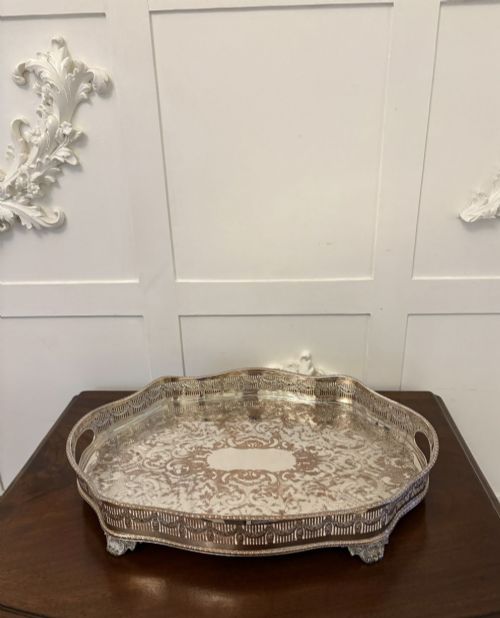
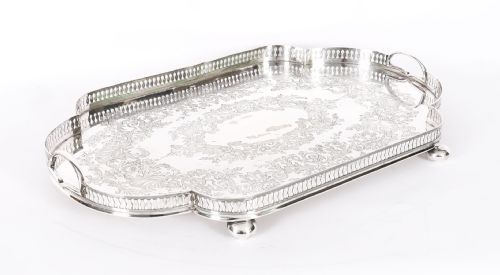
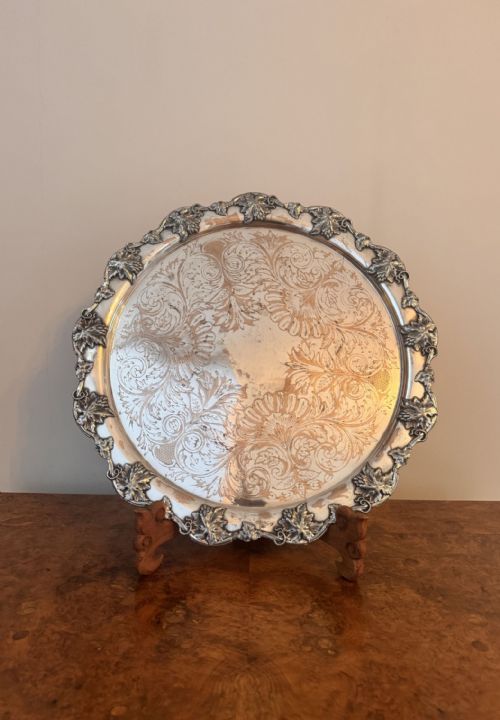
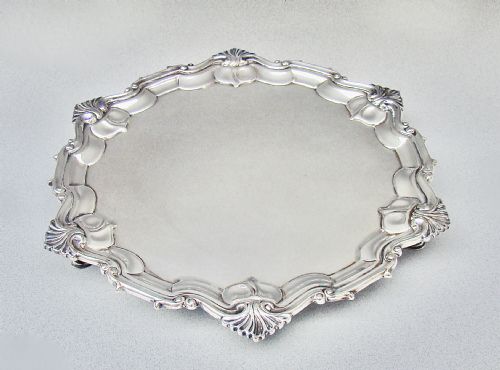
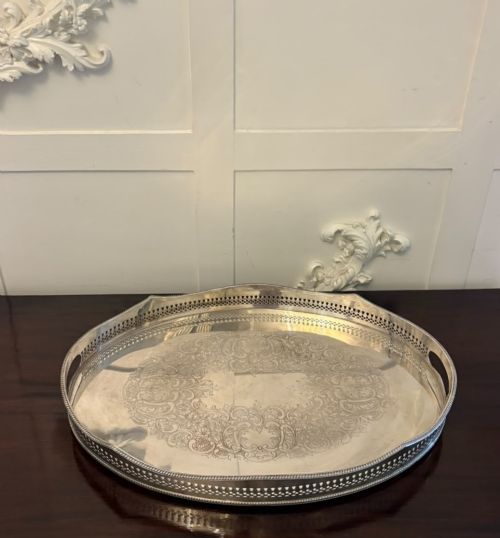
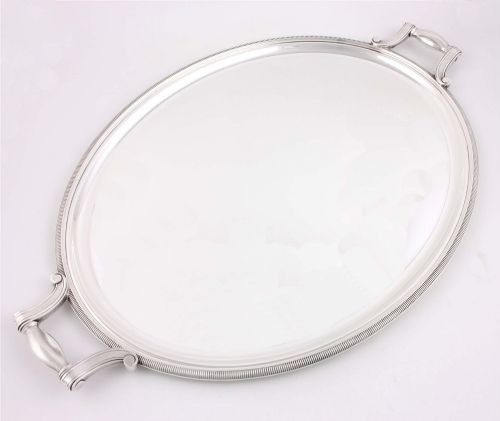
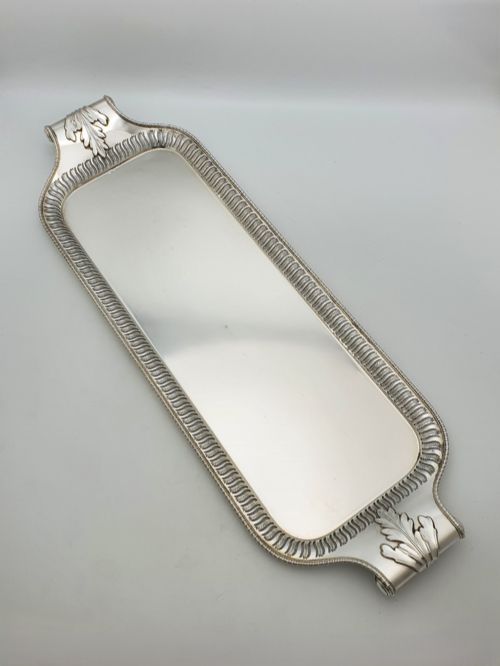
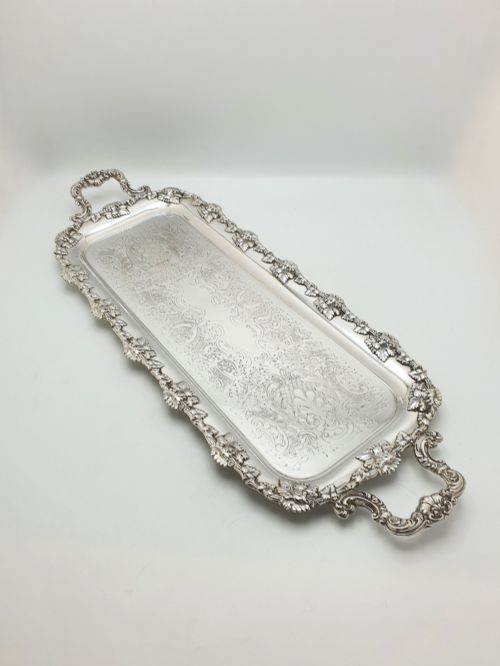
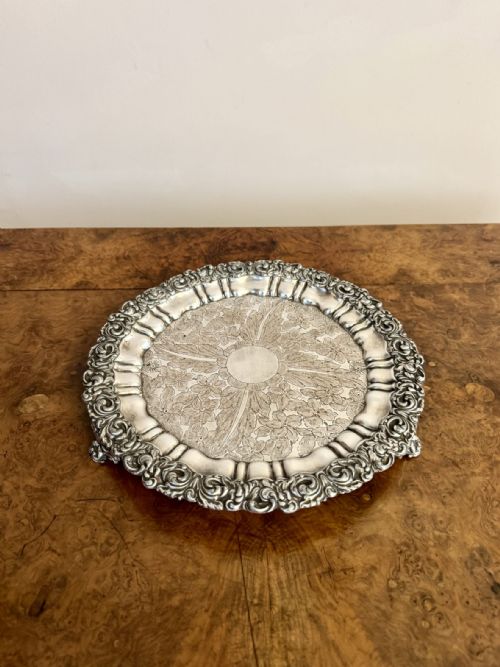
A silver drinks platter encompasses serving trays, salvers, and gallery trays designed for holding glassware and decanters. These pieces originate from periods spanning the Georgian era through the mid-twentieth century, with strong representation from the Victorian and Edwardian decades. Forms vary from simple circular salvers to large oval gallery trays fitted with handles and raised borders.
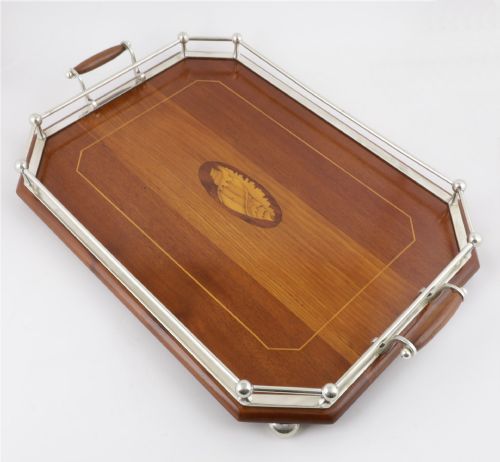
The version most commonly met on this page is the silver plated serving tray from the Edwardian period or the Art Deco era. Makers utilised base metals and copper underneath heavy plating to achieve a brilliant metallic sheen without the maintenance weight of solid metal. Many incorporate functional additions such as wooden bases, brass gallery rails, or cut glass mirror inserts.
How they were made
Silversmiths constructed these trays using sterling silver, electroplated nickel silver, or silver plate upon copper and base metal cores. Sheffield plating and later electroplating methods bonded thin layers of silver to durable foundation metals. Manufacturers then applied decorative elements through hand engraving, stamping, or casting.
Border decoration and handles involved applied cast mounts soldered to the main body, often featuring motifs like vines, shells, or pierced galleries. Wooden inserts, oak framing, and inlaid mahogany provided rigid structural support for larger serving surfaces. Mirror glass panels appeared in specialised cocktail and wine trays during the Art Deco period.
Listings span periods from the nineteenth century through the mid-twentieth century, featuring sterling silver, silver plate, and copper.
What varies in quality
Quality rests in the weight of the metal, the crispness of the chased or engraved surface, and the integrity of the underlying structure. Superior examples display deep, clear hand engraving and substantial gauge metal that resists flexing under the weight of heavy crystal decanters. Lesser pieces show thin plating worn down to the base metal and shallow machine stamping.
Makers mark quality through heavier gauge foundations, solid cast handles, and secure corner joints on gallery rails. Pieces produced by recognised silversmiths retain sharper detail in embossed borders and cleaner joints between the tray bed and the rim. The inclusion of dense hardwoods or beveled mirror glass elevates the construction standard.
Mappin and Webb·William Hutton and Sons·James Deakin·S.C. Younge and Company·Harrison Brothers·Christofle
The Silver Drinks Platter Glossary
- Salver
- A flat tray, usually circular and raised on small feet, traditionally used for presenting documents, calling cards, or drinks. These items form a cornerstone of formal hospitality.
- Gallery tray
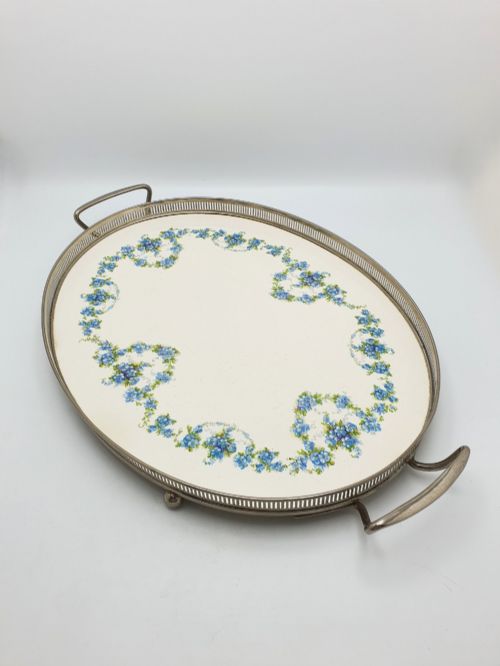
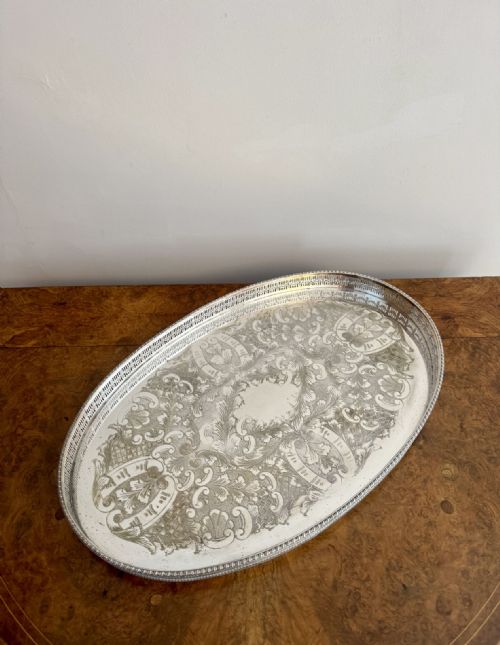
- A serving tray featuring an upright pierced or solid metal railing around the perimeter to keep glassware secure during transit. Such borders often incorporate integrated carrying handles.
- EPNS
- Electroplated nickel silver, a common base metal alloy coated with a thin layer of pure silver through an electrical process. This technique became widespread during the nineteenth century.
- Sheffield plate
- An early method of fusing a thin sheet of silver to a thicker copper ingot before rolling them into sheets. This process produces distinct durability and edge characteristics.
- Chasing
- A metalsmithing technique where the artisan pushes metal from the front using hammers and punches to create raised decorative designs. This method decorates many antique serving surfaces.
Silver Drinks Platter: Frequently Asked Questions
How do I clean a silver tray?
Wash the surface gently using warm water and mild liquid soap, then dry thoroughly with a soft cloth to prevent water spots. Avoid harsh abrasive cleaners that strip away thin layers of antique plating.
For tarnish, apply a specialised silver polish formulated for plated items, rubbing in straight lines rather than circles. Rinse thoroughly and buff to restore the original reflective shine.
Can these trays hold hot drinks?
Silver and plated metal conduct heat rapidly, meaning hot teapots or kettles will make the base warm to the touch. Use cloth mats or coasters underneath heated vessels to protect both the tray surface and the furniture below.
Most antique serving trays were designed primarily for cold drinks, glassware, and decanters. Extreme thermal shifts can occasionally stress older soldered joints or wood inserts.
How do I date an Edwardian tray?
Examine the style of the engraved motifs, border decorations, and any maker stamps located on the underside or rim. Edwardian pieces often display neoclassical garland designs, delicate piercing, and sturdy handles.
Cross-reference any visible maker marks or registry numbers with historical silversmith records. The presence of electroplated nickel silver marks typically points toward the late nineteenth or early twentieth century.
Are these trays safe for daily use?
Modern use for serving bottled drinks, cocktail glasses, and dry snacks is entirely suitable for sturdy silver plated trays. Ensure the plating remains intact to prevent direct contact with underlying copper or nickel base metals.
Store the tray in a dry environment and avoid exposing vintage wood or mirror glass inserts to excess moisture. Regular gentle wiping keeps the surface ready for entertaining.