

Silver Condiments with Spoons
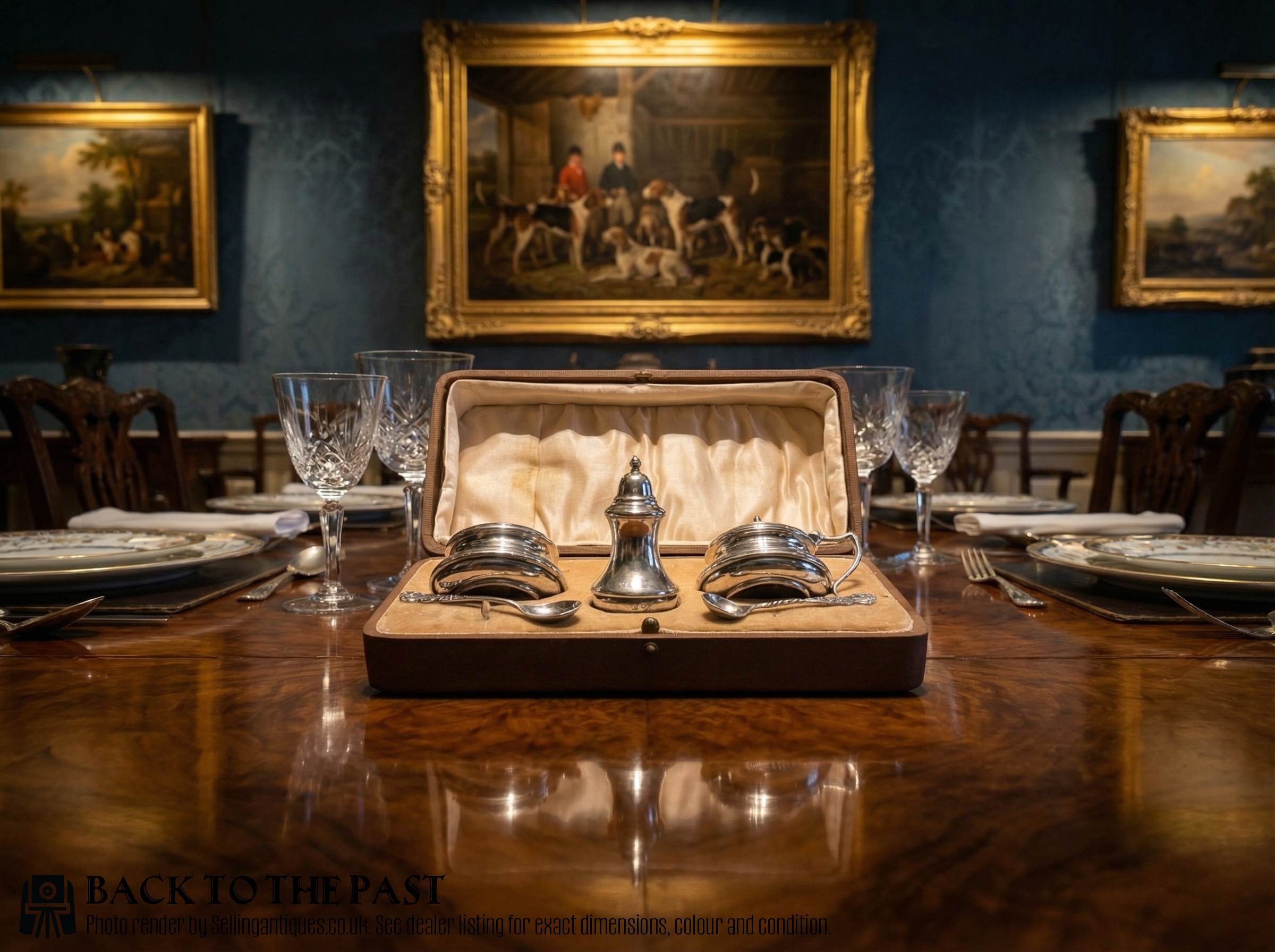
Silver condiments with spoons bring remarkable craftsmanship to the table, pairing precious metals with coloured glass liners.
Silver Condiments with Spoons
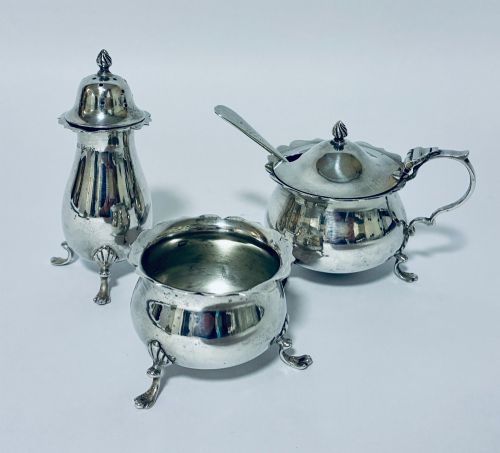
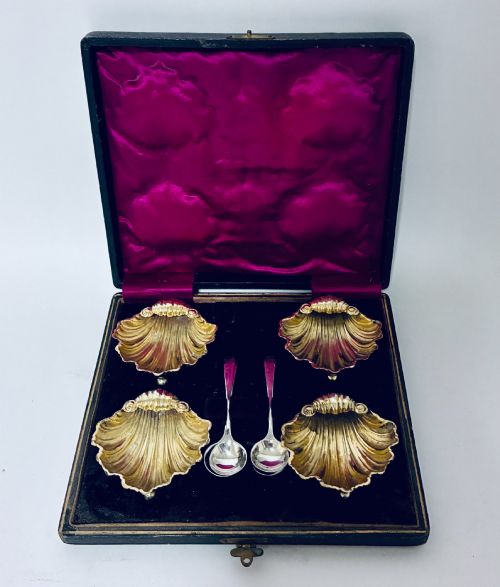
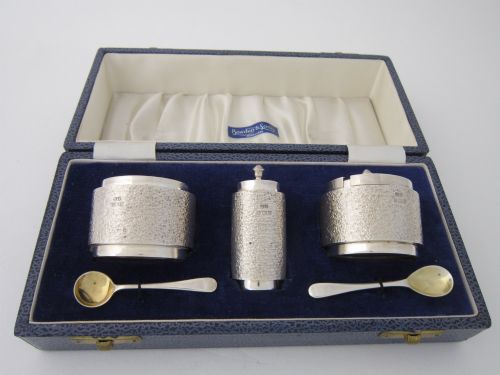
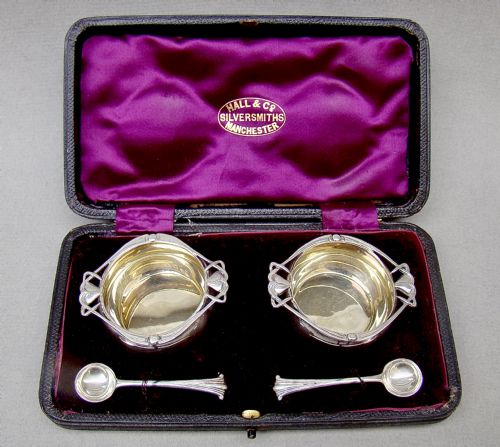
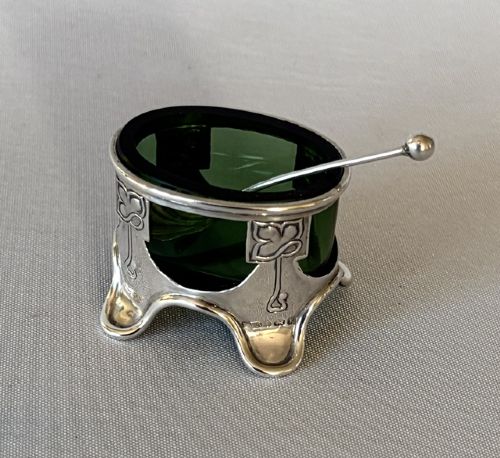
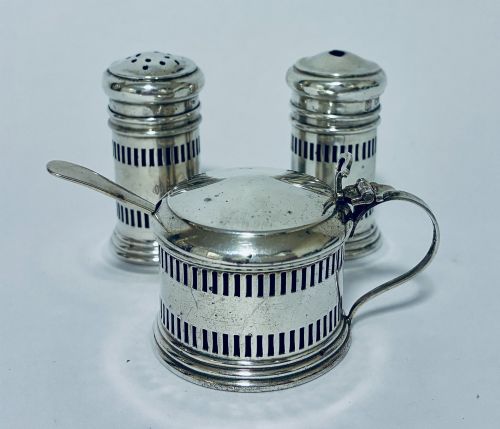
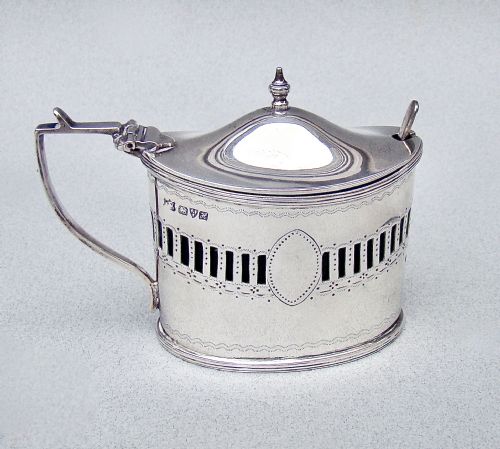
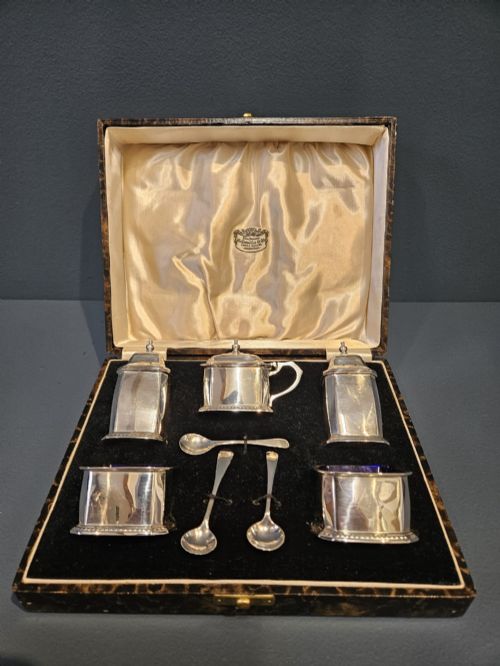
Silver condiments with spoons encompass table salt cellars, mustard pots, cruet sets, and ice server sets designed for formal dining. These pieces primarily date from the nineteenth and early twentieth centuries, spanning Victorian, Edwardian, and Art Deco periods.
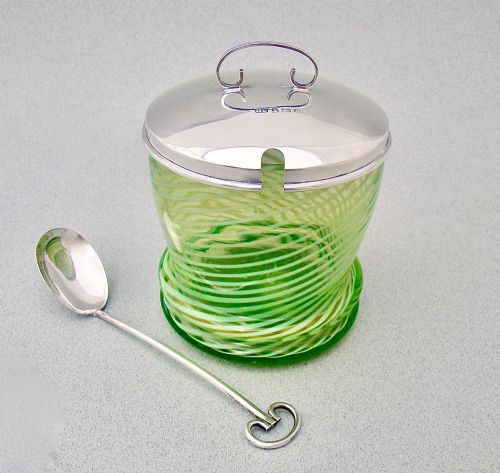
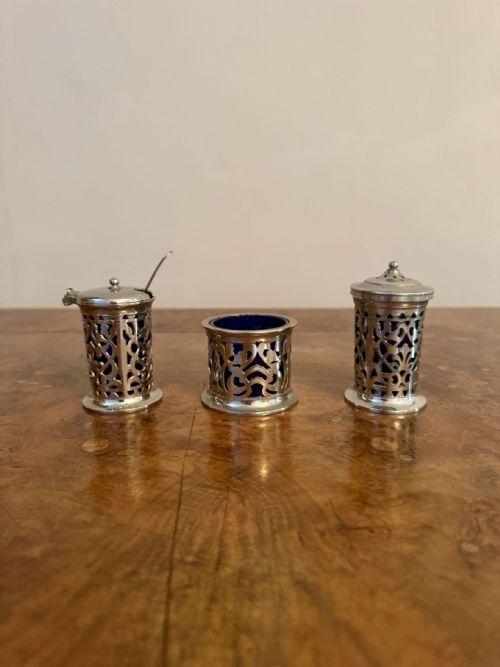
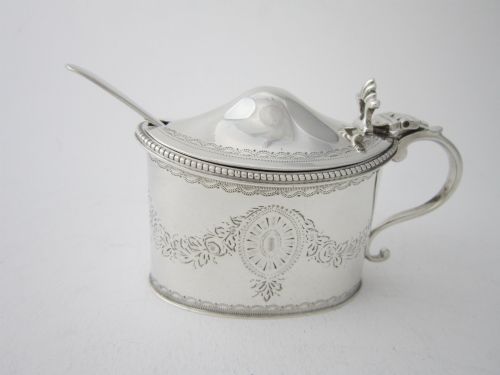
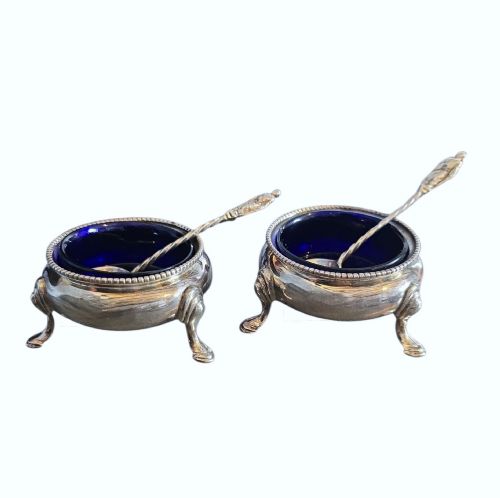
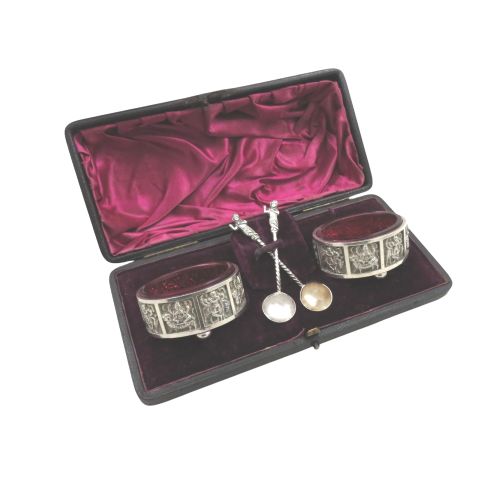
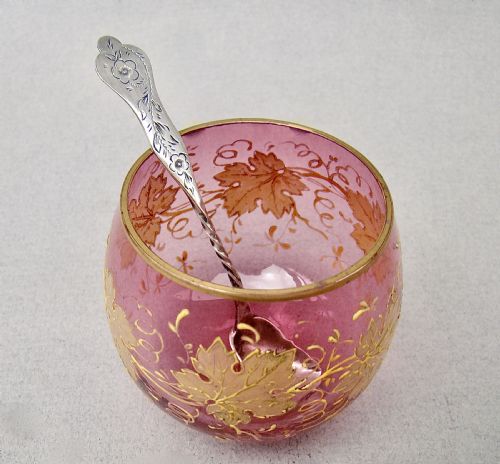
The version most commonly met on this page is the salt cellar or mustard pot, frequently paired with a contrasting cobalt or cranberry glass liner and accompanied by its matching spoon. Makers from English, Scandinavian, and Russian origins shaped these functional items in boat-shaped, pierced drum, and lobed forms.
Buyers select these items to bring period character to modern dining tables or to build a focused collection of nineteenth-century tableware. The inclusion of original spoons and liners completes the historic service.
What varies in quality
The distinction between standard and superior pieces rests upon the crispness of the original chasing, the integrity of pierced work, and the presence of matching or original glass liners. Items bearing clear hallmarks from established makers command greater attention from collectors.
The survival of matched or original condiment spoons alongside the main vessel elevates the piece, particularly when spoon and salt share identical silversmith marks and period characteristics.
Silver Condiments with Spoons Retail Price Guide 2026
Typical asking prices for silver condiments with spoons among the pieces listed under this phrase on Sellingantiques today, from the lower quarter to the upper quarter. They describe what is for sale here now, not the wider market.
Listings feature sterling silver and solid silver pieces combined with cobalt glass, cranberry glass, and velvet across Victorian and Edwardian periods.
Wilmot Manufacturing Co·George Adams·Vale Brothers and Sermon
The Silver Condiments with Spoons Glossary
- Salt Cellar
- A small open bowl used to hold loose salt at the dining table before the invention of the spring-loaded shaker. These pieces often rest on short feet and require a small spoon for serving.
- Mustard Pot
- A covered container designed to hold prepared mustard, typically featuring a hinged lid, a handle, and a cutout in the rim to accommodate a small spoon.
- Cruet Set
- An assembled collection of bottles, jars, or pots held within a shared frame or stand for serving vinegars, oils, and dry condiments.
- Glass Liner
- A removable insert made of blown glass, usually coloured in cobalt or cranberry, placed inside open silver salts to prevent acidic contents from tarnishing the metal.
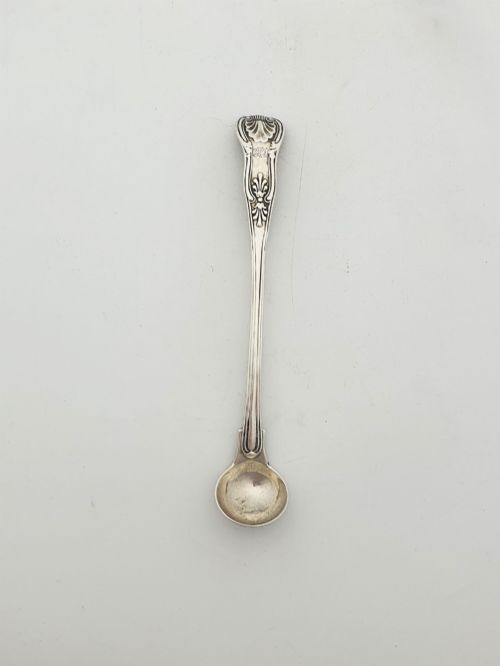
- Condiment Spoon
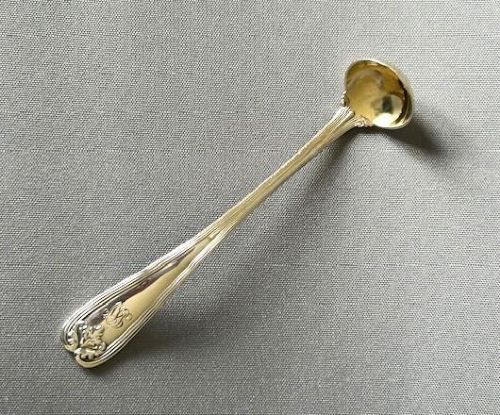
- A small spoon specifically proportioned for transferring salt, mustard, or cayenne from a table vessel to an individual plate.
Silver Condiments with Spoons: Frequently Asked Questions
How do I clean silver condiments?
Clean silver components gently using a dedicated silver cloth or mild polish, taking care to remove glass liners beforehand.
Avoid submerging pieces that contain velvet or silk elements to preserve the historical materials.
Are the glass liners usually original?
Many surviving pieces retain their original blown glass liners in cobalt or cranberry hues, which fit the contours of the silver vessels precisely.
Replacement liners do occur due to accidental breakage over the decades of use.
Can I use these for daily dining?
These pieces function well for modern dining if handled with care and washed promptly after use to prevent salt corrosion.
Hand washing protects both the delicate glass inserts and the historic silver surfaces.
How do I date an antique salt cellar?
Examine the hallmarks stamped on the silver base, which indicate the assay office, the year letter, and the silversmith's mark.
Stylistic cues such as Aesthetic Movement engraving or Art Deco geometry also point toward specific production decades.