


Silver Condiment Server
A silver condiment server brings formal dining history to the table, offering versatile vessels for sauces, mustards, and relishes.
Silver Condiment Server
A silver condiment server encompasses various functional vessels and sets designed for table service, from individual mustard pots to multi-bottle cruet frames. Buyers exploring a silver condiment server will encounter items spanning the Georgian, Victorian, and Edwardian eras up to the early twentieth century.
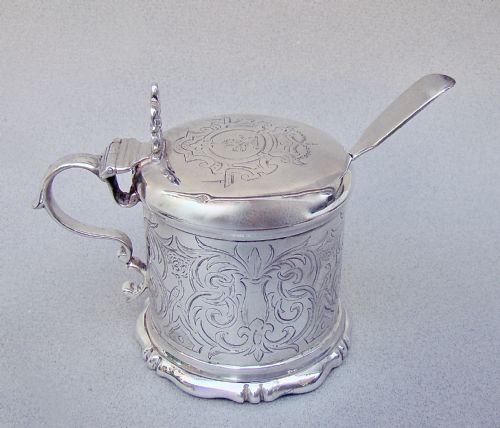
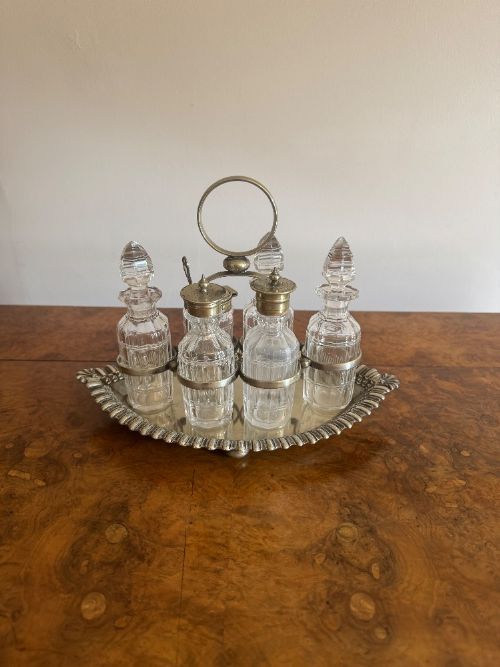
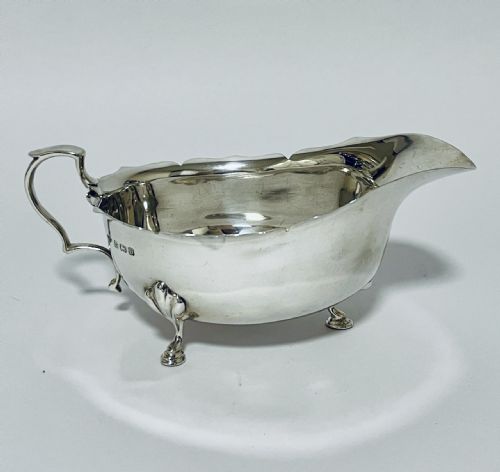
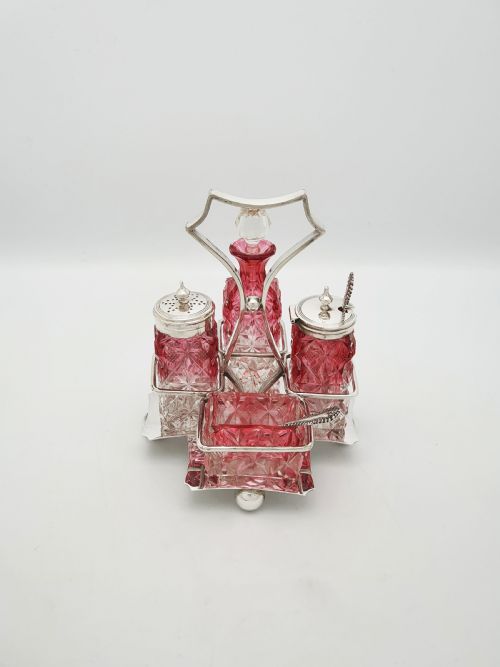
The most common forms on this page include sterling silver and silver-plated mustard pots, sauce boats, and fitted cruet sets featuring cut glass or cranberry glass bottles. Pieces range from plain George III designs to ornate Victorian rococo revival items and Scandinavian modern servers.
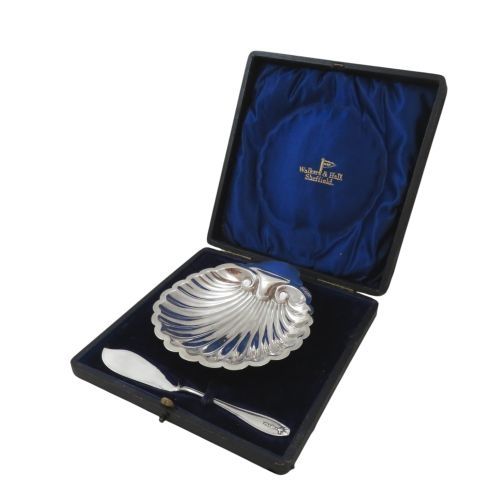
Specialised pieces such as butter dishes in cases, relish caddies, and novelty servers also appear alongside smaller serving implements like mustard spoons and pickle forks. These diverse forms reflect changing dining habits across the eighteenth, nineteenth, and twentieth centuries.
Assessing quality in service pieces
Quality rests on the weight of the metal, the crispness of the chasing or piercing, and the presence of original glass inserts. Heavier gauge sterling silver and well-preserved silver plate indicate superior manufacture.
The reputation of the maker and the integrity of matched sets distinguish standard items from exceptional examples. Surviving original silk or velvet case linings and intact glass components elevate the standing of a piece.
Silver Condiment Server Retail Price Guide 2026
Typical asking prices for silver condiment server among the pieces listed under this phrase on Sellingantiques today, from the lower quarter to the upper quarter. They describe what is for sale here now, not the wider market.
Charles and George Fox·Charles Fox II·Robert Hennell I·Roberts and Belk·Elkington and Company
The Silver Condiment Server Glossary
- Cruet set
- A fitted frame holding multiple bottles or jars for oils, vinegars, and condiments at the dining table. These sets often incorporate silver-plated stands with cut glass or cranberry glass bottles.
- Mustard pot
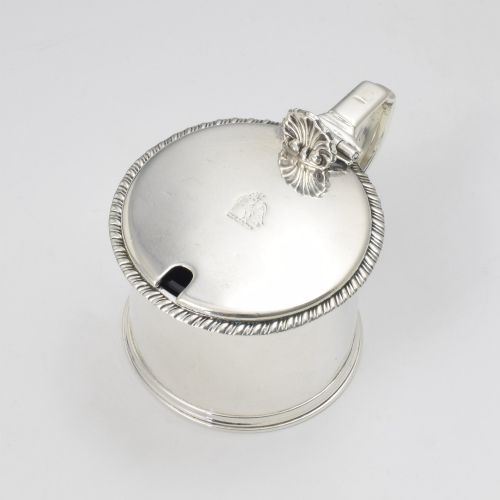
- A small covered jar designed specifically to hold prepared mustard, usually supplied with a matching spoon. Examples range from Georgian drum shapes to pierced Victorian designs.
- Sauce boat
- An open vessel with a lip and handle used for serving gravies and sauces. They appear in both plain and decorative sterling silver formats.
- Silver plate
- A base metal coated with a thin layer of silver using various plating techniques. This method allowed makers to produce elaborate serving dishes at a lower cost than solid sterling silver.
- Cranberry glass
- A rich red glass coloured with gold chloride, popular during the Victorian and Edwardian periods. It frequently appears in jam dishes and cruet bottle inserts.
Silver Condiment Server: Frequently Asked Questions
How do I date an old mustard pot?
Dating relies heavily on hallmarks stamped into the metal, which indicate the assay office, year letter, and maker's mark. Stylistic clues such as piercing patterns and form also help narrow down the period.
Plain drum shapes often point towards the eighteenth century, while heavily decorated revival pieces typically suggest the mid-nineteenth century.
Are glass liners usually original?
Original glass liners fit snugly into the silver frame without excessive movement or gaps. Replacements are common due to breakage over centuries of use.
Matching colour, thickness, and period-appropriate cut glass help determine whether a liner belongs to the piece.
How should I clean silver plate?
Cleaning requires a soft cloth and a dedicated silver polish formulated to protect thin plated layers from excessive wear. Avoid abrasive brushes or harsh chemical dips that strip the plating.
Gentle maintenance preserves the underlying base metal while maintaining a warm lustre on the surface.
What is the difference between a cruet set and a condiment server?
A cruet set specifically holds multiple upright bottles for liquids like oil, vinegar, and sauces within a shared stand. A condiment server is a broader term encompassing mustard pots, butter dishes, and open sauce boats.
Both items served formal dining tables across the Georgian and Victorian eras.