
Silver Condiment Dishes
Silver condiment dishes bring refined metalwork and coloured glass to the dining table for salt, mustard, jam and butter.

Silver Condiment Dishes
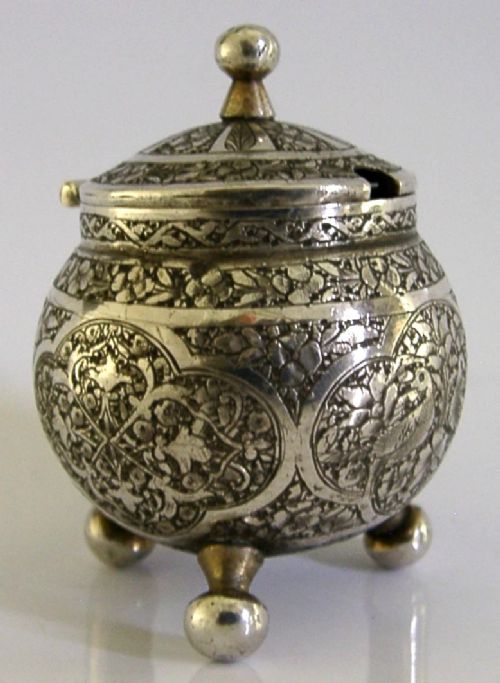
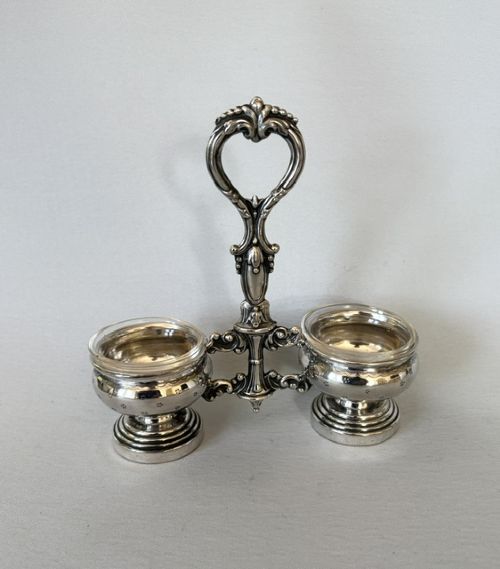
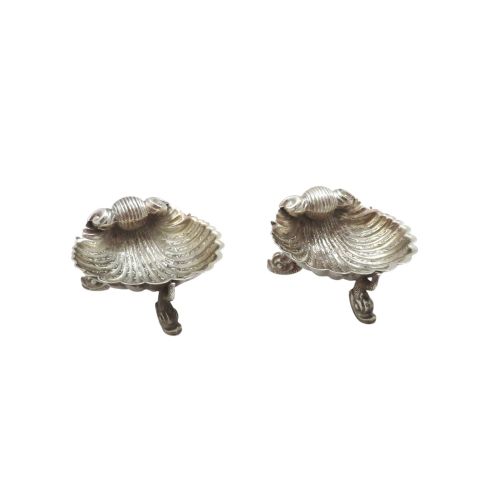
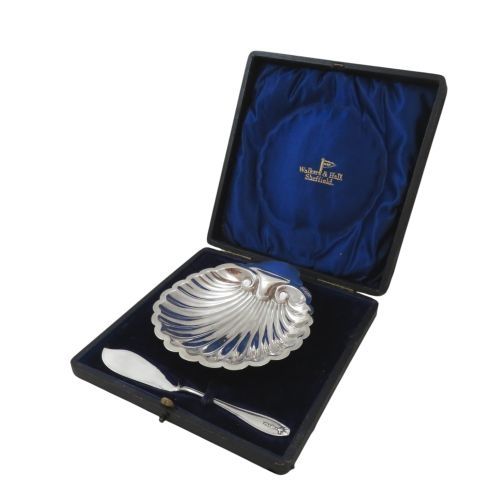
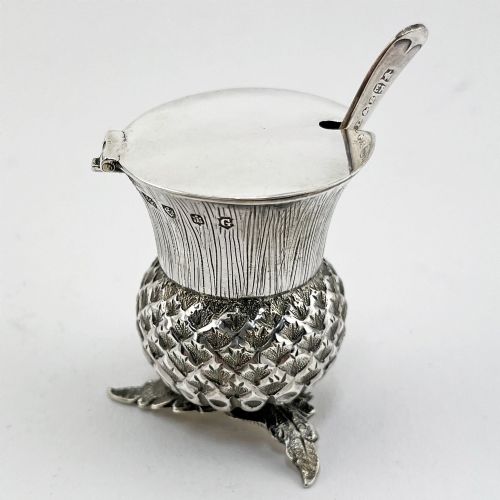
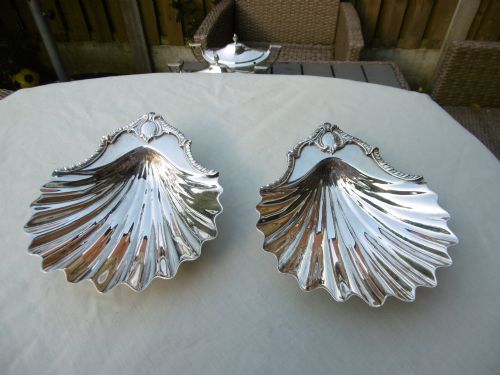
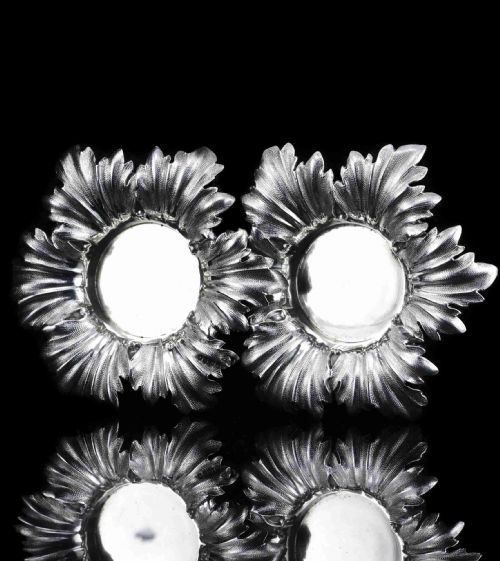
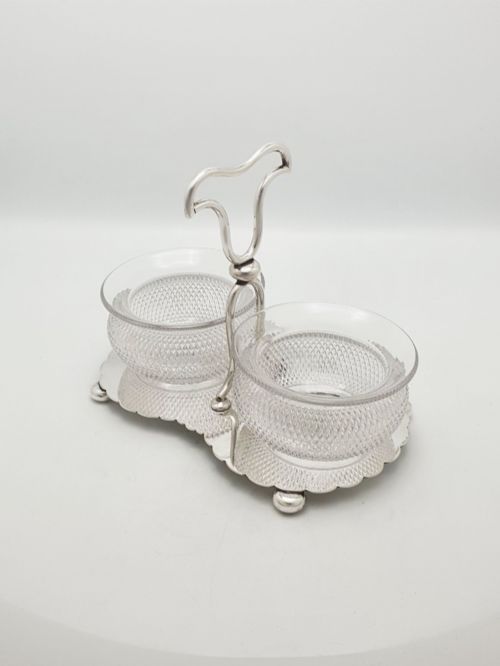
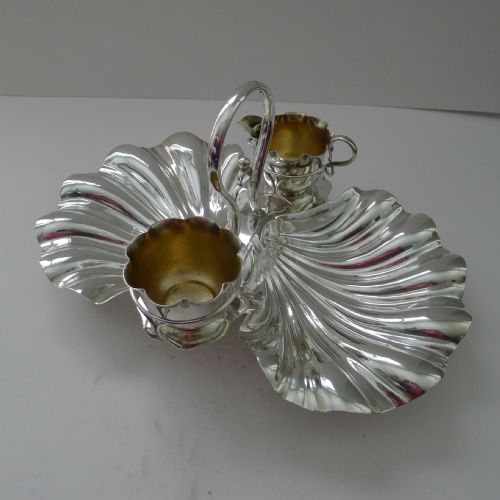
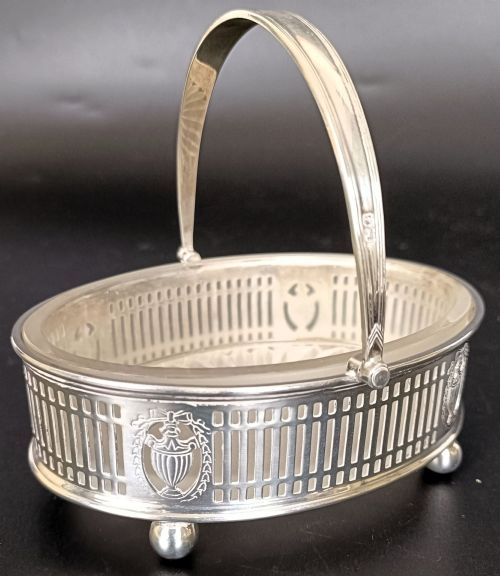
Silver condiment dishes encompass a diverse range of tabletop vessels designed for salt, mustard, preserves, and butter, frequently appearing in forms inspired by nature such as scallop shells and thistle heads. When you search for silver condiment dishes, you encounter everything from single open salt cellars to elaborate double stands and swing-handled baskets.
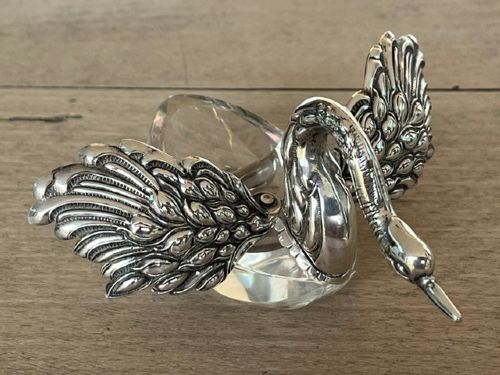
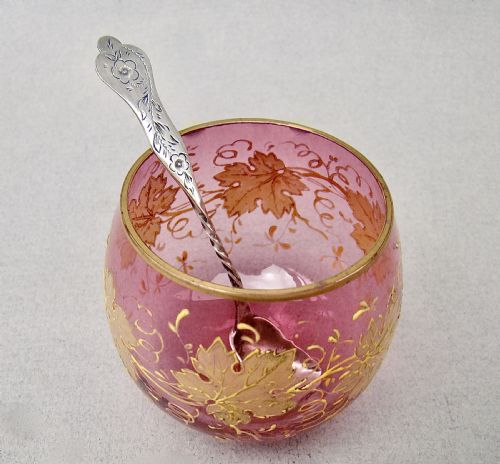
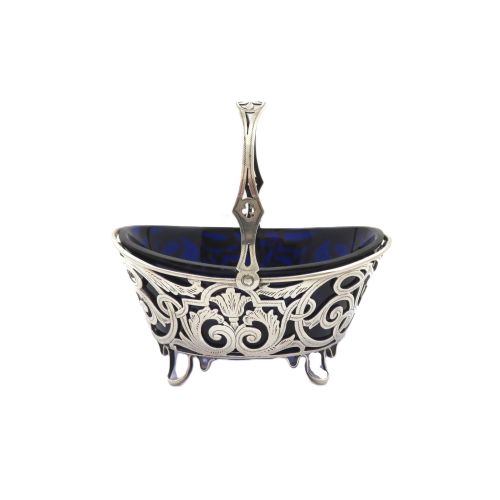
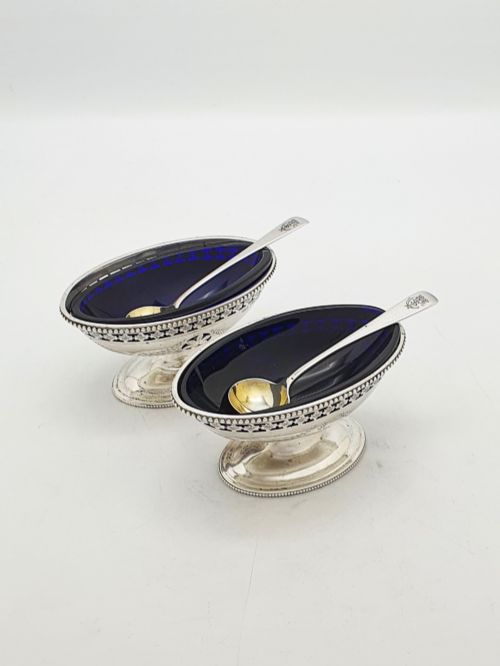
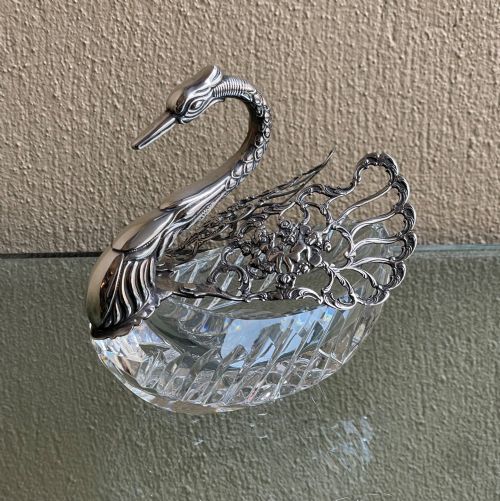
Victorian and Edwardian examples dominate the selection, often taking the shape of naturalistic flowers, birds like swans and eagles, or geometric art deco forms in silver plate or sterling silver. Many of these tablewares incorporate coloured glass liners in cobalt blue, cranberry, or clear cut glass, which contrast sharply with the polished metal exterior.
The assortment spans from Georgian boat-shaped salts and Rococo revival butter dishes to 1930s relish caddies and sweetmeat bowls. Makers supplied these wares individually or in matched pairs and sets, utilising frameworks that held removable glass liners securely for daily dining use.
How they were made
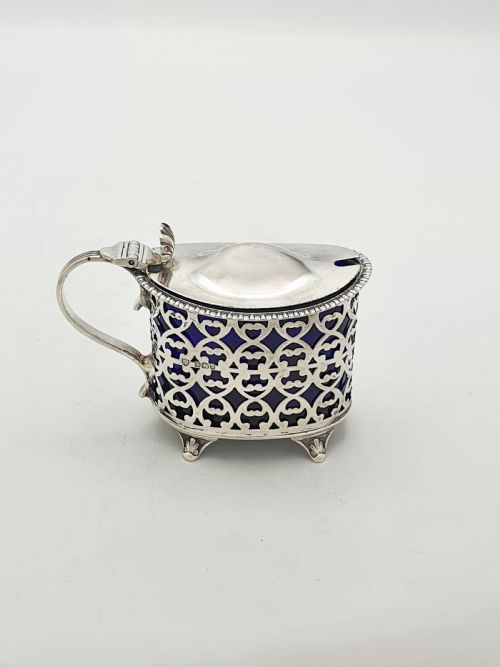
Silversmiths employed techniques such as piercing, casting, and chasing to shape sterling silver and silver plate into intricate floral, foliate, and animal designs. Metalwork was frequently combined with blown or cut glass liners, requiring precise metal frames to match the contours of cranberry or cobalt vessels.
Manufacturers utilised silver gilt for interior finishes on sugar baskets and mustard pots, applying a thin layer of gold over solid silver to prevent corrosion from acidic contents like mustard and fruit preserves. Handles and movable wings on figural pieces like swan salts involved hinged mechanisms soldered directly to the main body.
Listings feature items spanning from the Georgian period through the Victorian, Edwardian, and Art Deco eras, constructed from sterling silver, silver plate, and coloured glass.
What varies in quality
The distinction between standard production items and top-tier pieces lies in the crispness of the hand-chased foliate detailing and the weight of the solid silver used in the body. Makers known for exceptional design, such as Christopher Dresser or specialised silversmiths like Barnards and William Plummer, demonstrate superior proportions and heavier gauge metal.
The presence of original, undamaged glass liners - particularly coloured cobalt or cranberry glass fitting snugly into pierced or cast frames - substantially elevates an item. Mass-produced silver plate from later decades differs significantly from early nineteenth-century solid silver cast shell salts that exhibit deep, hand-worked relief and clear hallmarks.
William Plummer·Barnards·Daniel Arter·Hukin and Heath·William Bateman·Edward Farrell·Roberts and Belk·George Fox
The Silver Condiment Dishes Glossary
- Salt cellar
- A small open bowl or tub used to hold salt at the dining table before the invention of the spring-loaded shaker. They frequently require glass liners to protect the metal from corrosion.
- Silver gilt
- Sterling silver that has been coated with a thin layer of gold on its interior surfaces. This technique protects the silver from tarnishing when exposed to mustard, jams, and preserves.
- Chasing
- A metalsmithing technique where designs are hammered into the front surface of the metal from the outside to push the material inward and create raised decorative patterns.
- Sweetmeat dish
- A small decorative vessel designed for serving confectionery, nuts, or small sweet delicacies. They often feature pierced metalwork or swing handles.
- Piercing
- The method of cutting openwork patterns out of sheet metal to create lightweight, decorative lattice designs on baskets and mustard pots.
Silver Condiment Dishes: Frequently Asked Questions
How were silver condiment dishes used?
These dishes held individual portions of salt, mustard, jam, or butter on formal dining tables. Diners used small spoons or pinches to transfer condiments to their plates.
They sat beside each place setting or in pairs along the centre of the table, often accompanied by matching spoons and glass liners.
Do silver condiment dishes need glass liners?
Many open salts and mustard pots rely on removable glass liners to protect the silver from corrosive ingredients like salt and mustard acids. Cobalt blue and cranberry glass were popular choices.
While some solid silver items function without liners, vessels designed with pierced sides or delicate frames specifically require them to hold loose contents safely.
How do I identify a Victorian condiment dish?
Victorian pieces frequently display heavy ornamentation, including Rococo revival scrolls, naturalistic flower motifs, and detailed foliate chasing. Maker marks and date letters stamped into the metal confirm the exact year of production.
Stylistic cues such as bird figures, shell forms, and pierced silver baskets point directly to nineteenth-century manufacturing trends.
How should I clean silver condiment dishes?
Wash silver pieces gently in warm soapy water using a soft cloth, avoiding harsh abrasive dips that strip away antique patination. Removable glass liners can be cleaned separately in warm water.
Dry the metal thoroughly after washing to prevent water spots, and use a specialist silver polish sparingly only when tarnish requires removal.