



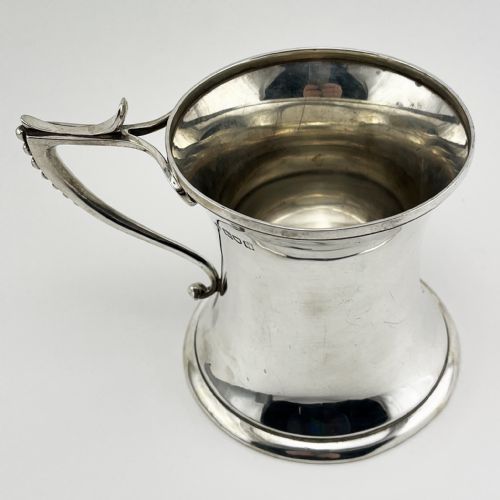
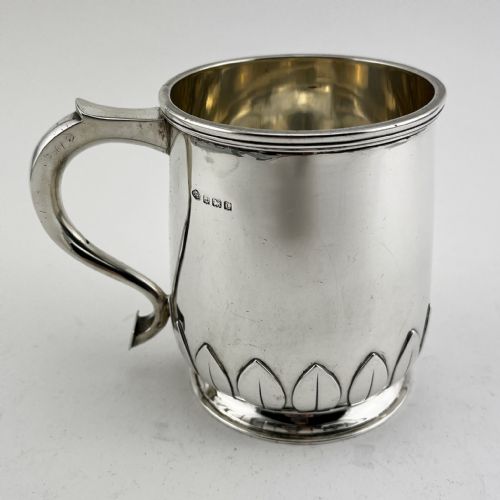


Silver Beer Tankard
A silver beer tankard brings heavy metal drinking vessels directly from historic taverns and dining halls into active modern use.
Silver Beer Tankard
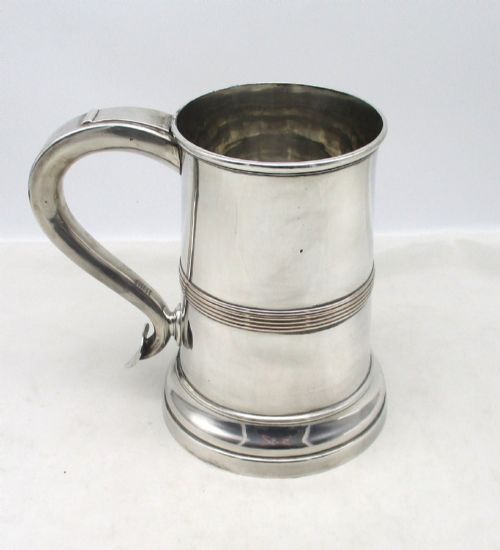
A silver beer tankard is a sturdy drinking vessel designed for ale and beer, appearing in forms ranging from plain cylindrical pints to heavy lidded quart vessels. When you search for a silver beer tankard, you encounter pieces spanning from the seventeenth century through the Georgian and Victorian eras up to the mid-twentieth century.
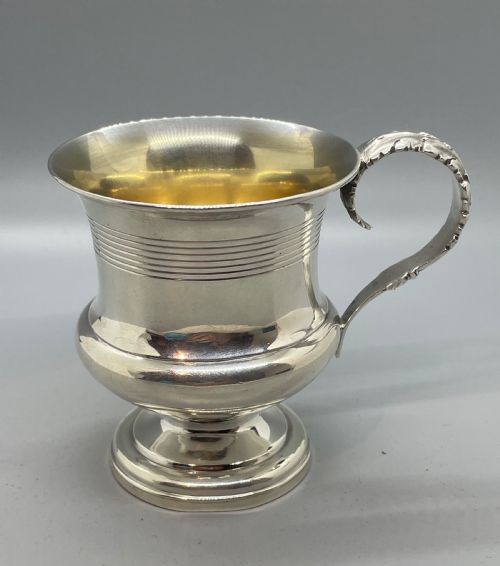
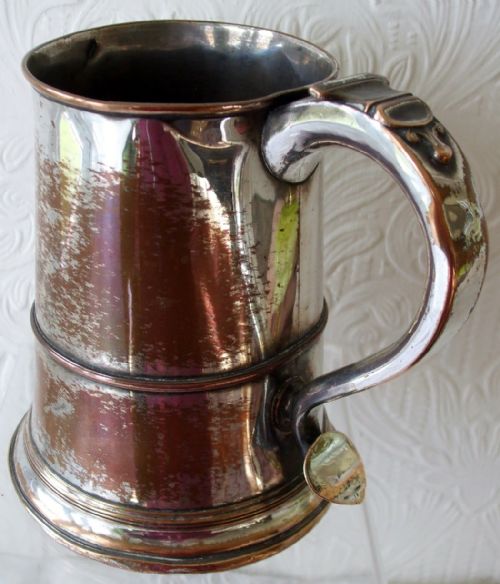
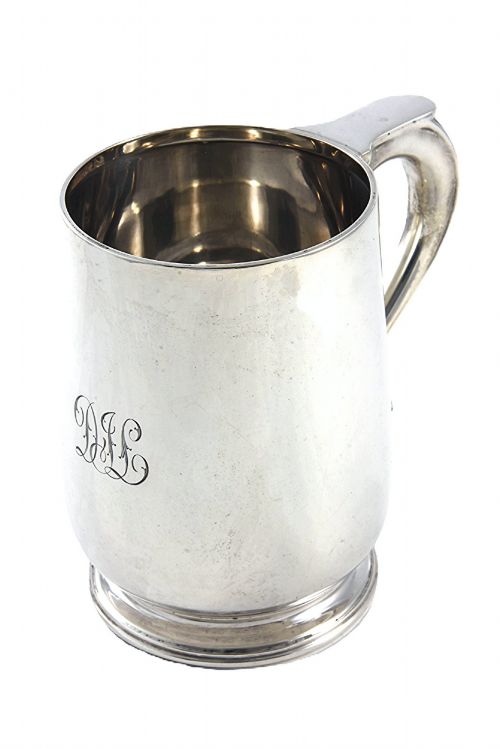
The pieces on this page include both solid sterling silver examples and Old Sheffield Plate or silver-plated versions, alongside occasional pewter and ceramic drinking vessels with silver mounts. You will find small half-pint mugs, standard pint tankards, and large quart jugs intended for communal tables.
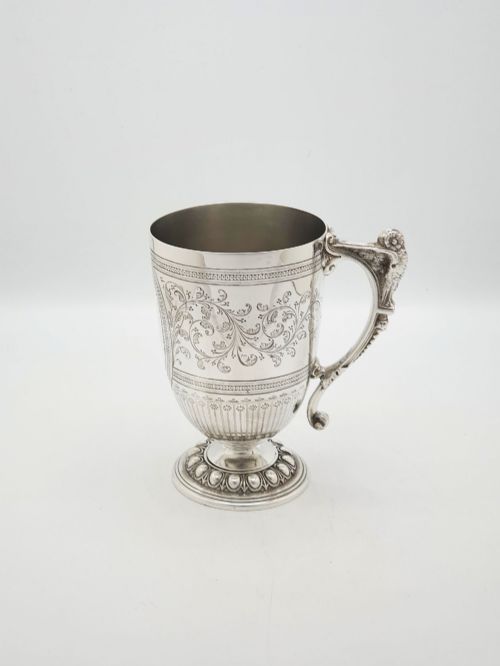
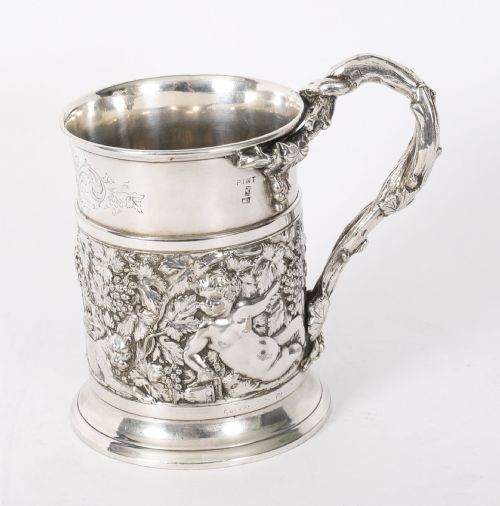
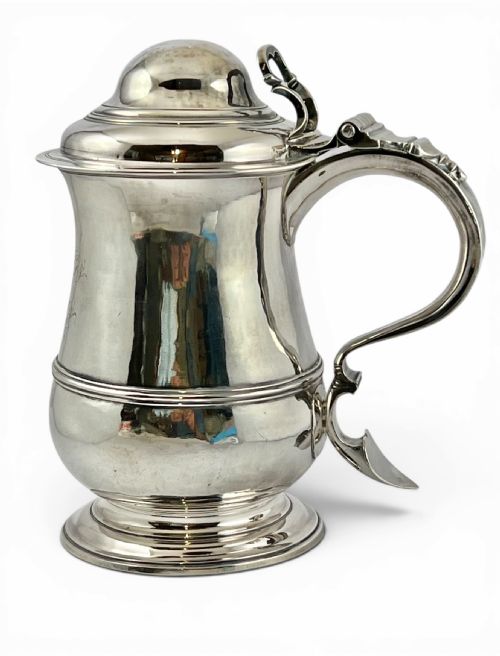
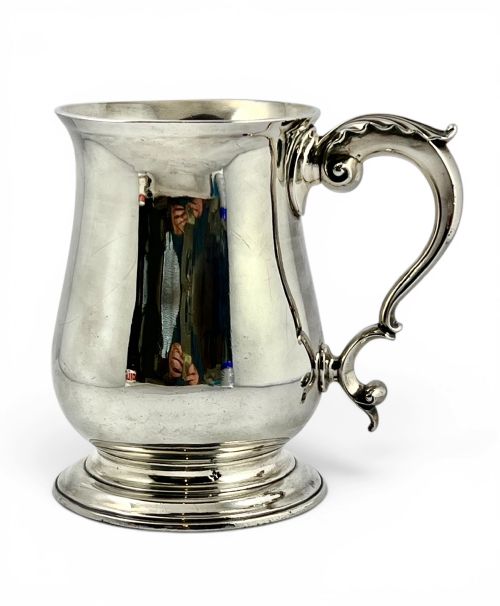
Many items feature scroll handles, plain bodies, or embossed decoration, while some specific examples incorporate hinged lids or novelty details such as owl handles. These vessels served practical drinking functions in domestic and tavern settings before transitioning into collectible barware.
How they were made
Silversmiths constructed solid sterling silver tankards by raising metal sheets into cylindrical or baluster forms and attaching cast scroll handles. Maker marks, town marks, and date letters stamped into the silver record the assay office and year of creation.
Old Sheffield Plate and later silver-plated pieces were produced by fusing a layer of silver to a base metal core such as copper or nickel silver before shaping. Embossed and engraved decoration was added by hand using punches and gravers to create floral patterns or reeded bands on the body.
Silver Beer Tankard Retail Price Guide 2026
Typical asking prices for silver beer tankard among the pieces listed under this phrase on Sellingantiques today, from the lower quarter to the upper quarter. They describe what is for sale here now, not the wider market.
Listings feature items spanning the seventeenth century through the Georgian and Victorian periods, executed in sterling silver, Old Sheffield Plate, and pewter.
What varies in quality
Quality rests upon the weight of the metal, the crispness of the hand-engraving, and the structural integrity of the handle attachment. Heavier gauge silver provides a substantial feel in the hand and resists dents better than thinner alternatives.
The subtlety of proportion in baluster bodies and the neatness of maker marks distinguish finer workshop production from standard commercial output. Preserved gilding inside the bowl and undamaged hinges on lidded examples indicate careful handling over centuries.
G R Collis·John Payne·William Grundy·Richard Morton·Watts and Harton·Thomas Whipham and Charles Wright·Richard Comyns·Barker Brothers·Frederick Brasted·Gabriel Sleath·Shaw and Priest·John Langlands I
The Silver Beer Tankard Glossary
- Old Sheffield Plate
- A material made by fusing a thin sheet of silver to a copper core. This technique predates modern electroplating and produces pieces with a warm dual-metal character.
- Baluster
- A curved, vase-like shape found on the bodies of many eighteenth-century drinking vessels. This contour swells near the base before tapering upward toward the rim.
- Quart
- A historical capacity measure equal to two pints, used to describe larger drinking vessels intended for shared use. Quart tankards provide substantial volume compared to standard pint mugs.
- Assay Office
- An official body responsible for testing the purity of precious metals and stamping them with hallmarks. Marks indicate the city of testing and the standard of the silver.
- Gilt Interior
- A thin layer of gold applied to the inside of a silver drinking vessel. This wash protected the metal from the acidic corrosion of fermented drinks.
Silver Beer Tankard: Frequently Asked Questions
What is the difference between a mug and a tankard?
Historically, tankards refer specifically to lidded drinking vessels, whereas mugs remain open at the top. Over time, the terms became interchangeable in many historical listings.
You will find both open pint mugs and lid-fitted beer vessels described under the same headings in antique markets.
Were these silver vessels used for everyday drinking?
Wealthy households and taverns utilised silver and plated vessels for daily ale and beer consumption. Their robust construction allowed them to withstand regular use at dining tables and social gatherings.
Today, many collectors continue to use solid silver and plated pints for drinks or display them as functional barware.
How do I identify a Georgian silver tankard?
Georgian pieces display hallmarks indicating the reigns of the Kings George, spanning from the early eighteenth century to the early nineteenth century. Stylistic clues include plain baluster bodies, sturdy scroll handles, and occasionally maker marks from prominent London silversmiths.
Matching the stamped date letters against official assay office records confirms the exact year of production.
What is Old Sheffield Plate?
Old Sheffield Plate is an early composite material created by fusing silver to a copper base before rolling them into sheets. This method differs from later nineteenth-century electroplating by showing copper edges where wear occurs.
Pieces made with this technique date predominantly from the eighteenth and early nineteenth centuries.