




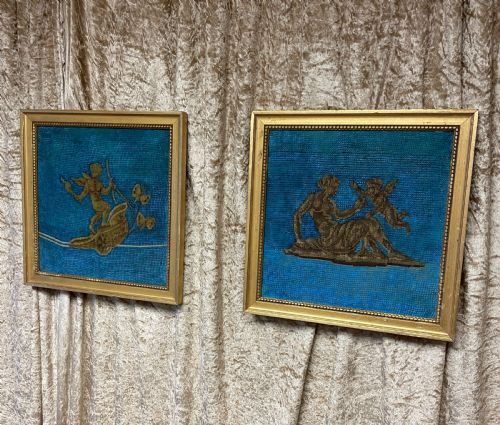

Silk Thread Embroidery Picture
These silk thread embroidery picture examples offer delicate needlework artistry framed for the wall, capturing centuries of decorative handwork.
Silk Thread Embroidery Picture
A silk thread embroidery picture brings together fine textile work and wall art, presenting stitched scenes under glass within period frames. When you search for this phrase, you find framed textile art ranging from early needlework samplers to pastoral and religious subjects.
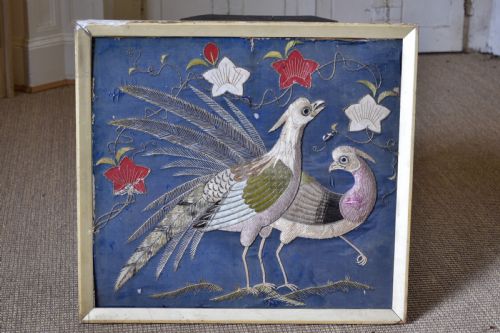
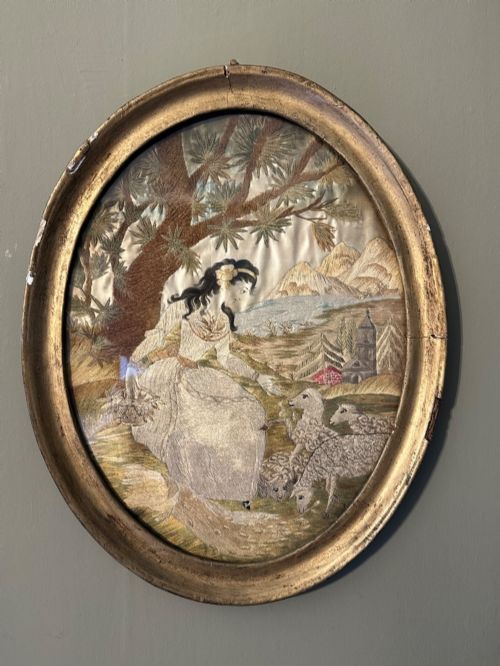
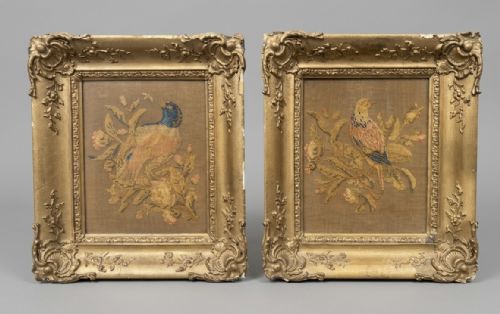
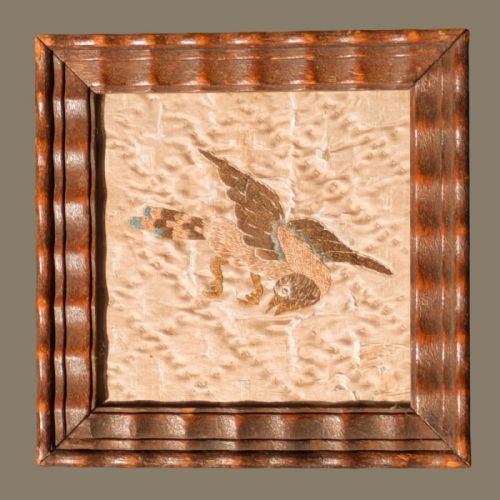
The pieces appearing on this page span several centuries, with nineteenth-century examples and eighteenth-century Georgian and Regency works forming the core of the selection. You encounter wall art depicting birds, human figures, and commemorative subjects executed in silk, wool, and metallic thread.
Makers utilised linen and wool alongside fine silk threads to create varied textures, sometimes mounting the finished textile within giltwood frames. The resulting wall hangings record domestic handcraft and pictorial needlework from the seventeenth century onwards.
How they were made
Maker execution relies upon a foundation of linen stretched to receive detailed needlework, employing silk, wool, and metallic threads for pictorial depth. Long stitch and various embroidery techniques build up the plumage of birds or the folds of garments within these framed works.
Framing forms an integral part of the construction, with wooden and giltwood surrounds protecting the delicate textiles beneath glass. Many pieces from the Georgian and Regency periods utilise specialised mounting to preserve the fragile threads from atmospheric damage.
The listings show materials spanning silk, wool, metallic thread, and linen, housed in glass-fronted wood and giltwood frames.
What varies in quality
The distinction between ordinary and exceptional works rests on the precision of the needlework and the preservation of the original silk threads. Finer examples maintain vibrant colouration and tight tension across the linen ground, whereas lesser pieces show fading or thread laxity.
Frame originality and condition significantly influence the overall character of the piece, with period giltwood surrounds adding substantial integrity. The complexity of the subject matter, from simple samplers to elaborate religious or pastoral scenes, also marks the upper tier of execution.
The Silk Thread Embroidery Picture Glossary
- Long stitch
- An embroidery technique where straight stitches span significant distances across the fabric ground. This method allows workers to cover large areas swiftly and create smooth pictorial shading.
- Needlework sampler
- A piece of fabric stitched to demonstrate proficiency in various embroidery stitches and alphabets. These often include maker names, dates, and religious verses.
- Chinoiserie
- A European artistic style reflecting Chinese motifs and decorative themes. It frequently appears in eighteenth-century textile art depicting fanciful landscapes and exotic figures.
- Stumpwork
- A raised embroidery style popular in the seventeenth century utilising padded underlays to create three-dimensional figures. It gives needlework pictures a sculptural relief quality.
- Giltwood
- Wood carved and covered with a thin layer of gold leaf. Frames of this material frequently encase fine needlework pictures.
Silk Thread Embroidery Picture: Frequently Asked Questions
How should I hang silk embroidery?
Protect these textiles by placing them away from direct sunlight and high humidity, which damage delicate silk threads and linen grounds.
Ensure the frame hangs securely on interior walls where temperature fluctuations remain minimal to preserve the integrity of the antique glass and backing.
What subjects appear in these pictures?
Common themes include pastoral scenes, religious narratives, birds, and figures from daily life, alongside commemorative Royal Artillery pieces and samplers.
Earlier examples from the seventeenth century often feature historical or biblical subjects executed in raised stumpwork.
How do I date an embroidery picture?
Examine the framing style, the backing materials, and any inscribed dates or maker names stitched directly into the textile ground.
Stylistic indicators such as Regency long stitch techniques or Georgian Chinoiserie motifs also help place pieces within specific centuries.
Are these pieces framed?
Most examples survive within protective wooden or giltwood frames under glass, which helps shield the vulnerable silk threads from dust.
Original frames enhance the historical context of the textile art, though mounts and backings sometimes show later replacement.