


Beige Silk Wall Art
These beige silk wall art pieces bring centuries of textile artistry and painted panels into modern rooms.
Beige Silk Wall Art
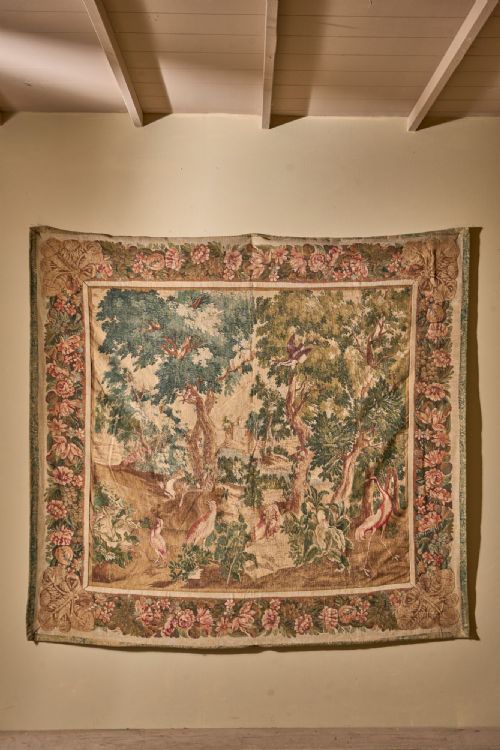
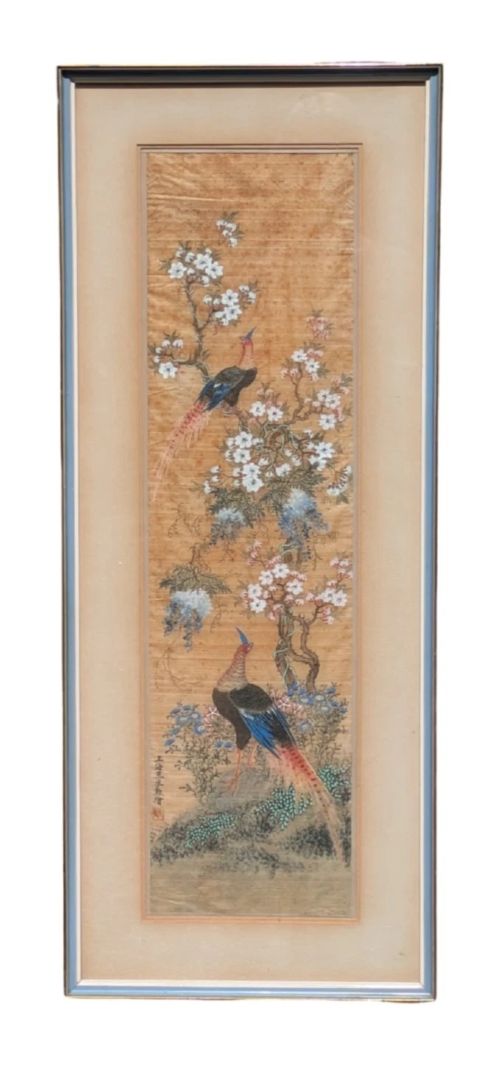
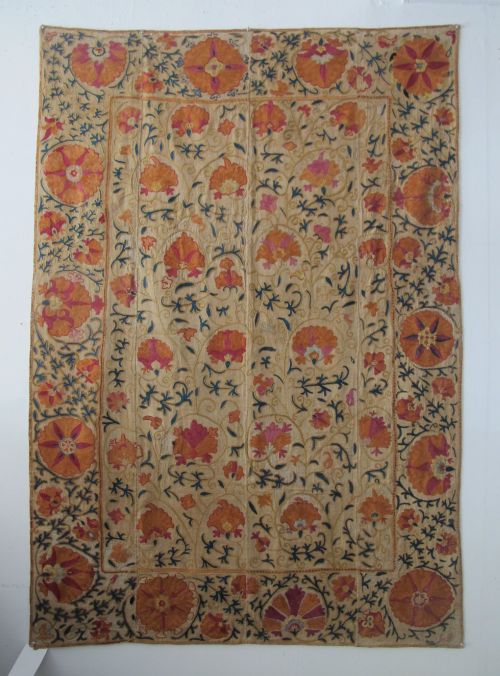
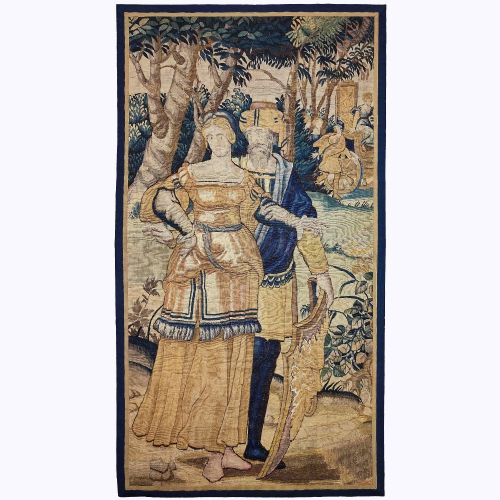
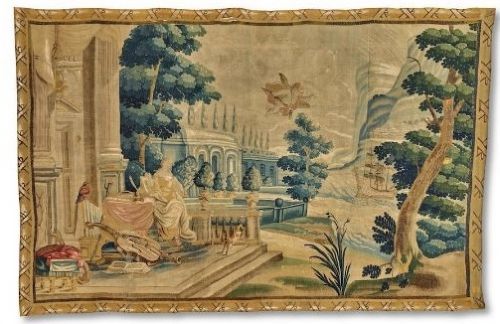
When buyers search for beige silk wall art, they encounter a diverse selection of historical wall textiles, framed paintings, and needlework spanning several centuries. The range includes large Flemish tapestries, embroidered Uzbek Suzanis, Georgian samplers, and Japanese silk textiles.
The pieces on this page originate from diverse cultural traditions, including Qing Dynasty China, Meiji period Japan, Central Asia, and Western Europe. Examples vary from grand mythic tapestries to delicate watercolour paintings on silk and meticulous needlework samplers.
Forms include framed textile displays, hanging tapestries, and unmounted panels. Buyers will find works utilising silk threads, wool, and pigment on silk grounds, showing considerable variety in scale and technique.
How they were made
Makers utilised natural fibres including silk, wool, cotton, and linen, often combining silk thread embroidery with pigment on woven grounds. Support structures frequently involved wood framing and protective glass.
Techniques range from hand needlepoint and embroidery, as seen in English samplers and Central Asian Suzanis, to vertical loom tapestry weaving and painted watercolours on silk.
Listings include works from the sixteenth century through to the early twentieth century, utilising silk, wool, cotton, and pigment.
What varies in quality
Quality in these works is determined by the fineness of the needlework, the complexity of the thread or pigment application, and the integrity of the textile ground. Masterful execution in historical stitching or brushwork separates finer examples from standard decorative items.
Condition and survival of the original materials also dictate the standing of a piece, particularly regarding the preservation of delicate silk threads, pigments, and woven structures across centuries.
The Beige Silk Wall Art Glossary
- Suzani
- A type of embroidered tribal textile originating from Central Asia, traditionally made with silk threads on a cotton or linen ground. These pieces often feature bold floral and geometric motifs.
- Sampler
- A piece of needlework produced to demonstrate a maker's skill with various stitches and alphabets. Georgian examples often include names, dates, and religious or moral verses.
- Tapestry
- A form of textile art woven on a vertical or horizontal loom using coloured weft threads to create pictorial or decorative designs. Historical examples often depict mythological or pastoral scenes.
- Needlepoint
- A style of canvas work embroidery stitched with yarn or silk thread through a grid mesh. It creates a dense, durable surface suitable for wall display.
Beige Silk Wall Art: Frequently Asked Questions
How do I hang antique textiles?
Heavier pieces such as tapestries often utilise a sleeve or loops attached to the back for a supporting rod. Lighter framed works can be hung using standard picture wire and wall brackets.
Ensure weight is distributed evenly across the hanging structure to prevent stretching the silk or linen ground over time.
How are these pieces dated?
Dating relies on stylistic evidence, materials, and sometimes direct inscriptions left by the maker. Samplers frequently bear stitched names and years, while tapestries and paintings are attributed through weave structure and pigment analysis.
Comparative study with documented historical works helps establish the period of origin.
Can I clean silk wall art?
Historical silk textiles require specialist conservation rather than domestic cleaning. Gentle surface dust can sometimes be removed with a very soft brush, but moisture risks damaging fragile fibres and pigments.
Consult a textile conservator for any deep cleaning or stabilization work.
What lighting protects silk?
Silk and pigments fade when exposed to direct sunlight and high levels of ultraviolet radiation. Position these works away from windows or utilise UV-filtering glass in frames.
Low-intensity ambient lighting preserves the colours and integrity of the textile over the long term.