




Qing Dynasty Silk Textile
A qing dynasty silk textile brings centuries of needlework mastery into a room, offering rich embroidered detail and historic depth.
Qing Dynasty Silk Textile
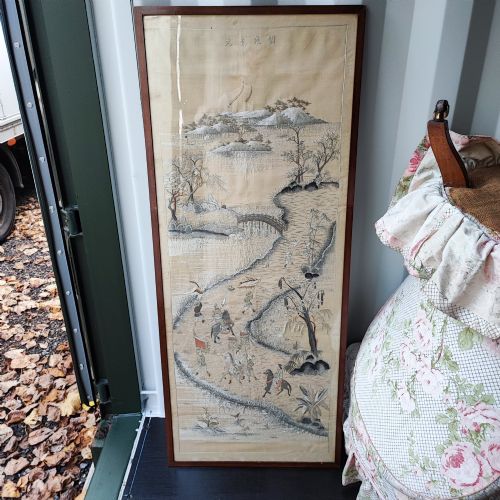
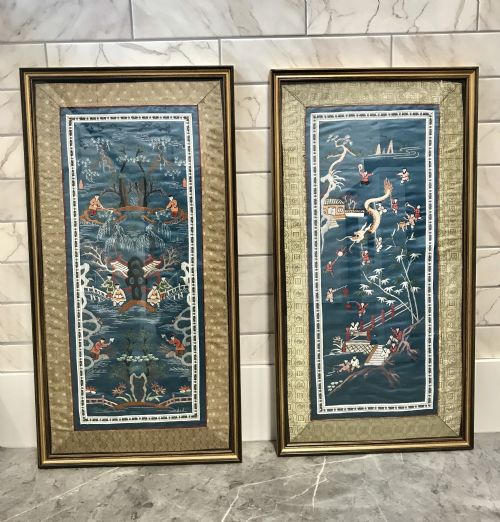
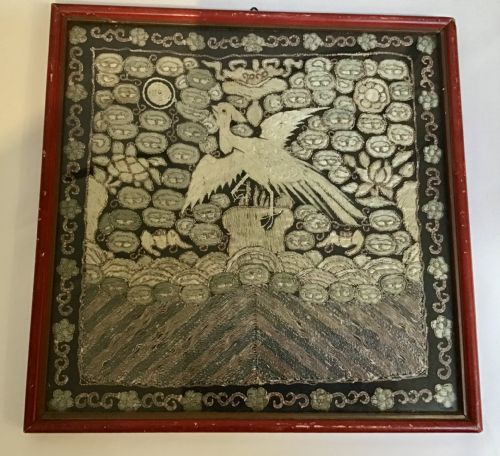
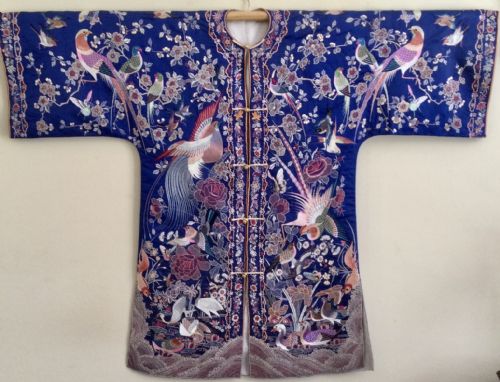
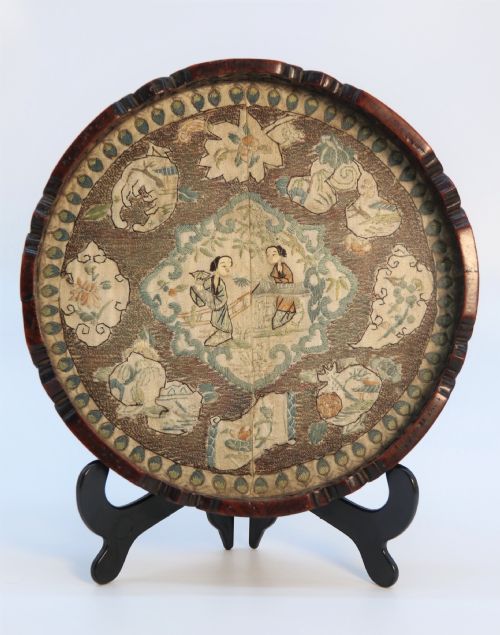
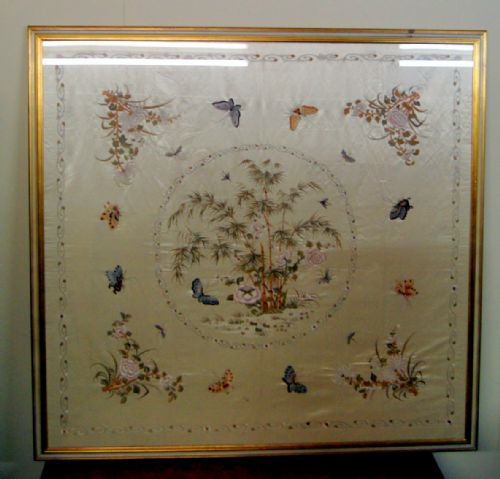
A qing dynasty silk textile encompasses framed panels, rank badges, child's robes, and trays mounted under glass. These objects originate from the nineteenth century through the early twentieth century, carrying traditional Chinese motifs.
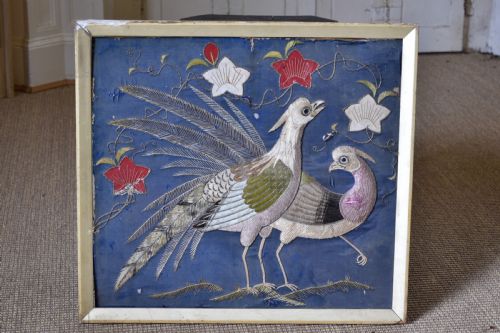
The versions most commonly met on this page include hand-sewn panels and framed wall art. They often depict figures, dragons, trees, flowers, garden birds, and mandarin ducks.
Makers utilised fine silk grounds combined with metallic thread and pigment to create layered pictorial scenes. Many survive framed behind glass or mounted within carved hardwood trays.
Materials and construction methods
Artisans employed fine silk as the primary ground fabric, stitching intricate imagery by hand using coloured silk threads and metallic threads. Pigments were occasionally applied to enhance details on painted silk works.
Support structures include carved hardwood frames and specialised trays. Textiles such as rank badges and child's robes required advanced needlework techniques executed to a high standard.
Qing Dynasty Silk Textile Retail Price Guide 2026
Typical asking prices for qing dynasty silk textile among the pieces listed under this phrase on Sellingantiques today, from the lower quarter to the upper quarter. They describe what is for sale here now, not the wider market.
Mandarin ducks embroidered on these textiles remind us that even historic court garments celebrated lifelong romance.
Distinctions in quality
Quality rests upon the precision of the hand sewing and the complexity of the imagery depicted. Pieces featuring detailed figures, dragons, or birds demonstrate superior execution compared to simpler compositions.
The preservation of the silk and metallic thread influences the overall standard. Original framing under glass and intact hardwood surrounds also elevate the desirability of a textile.
The Qing Dynasty Silk Textile Glossary
- Rank badge
- A square embroidered patch indicating official status and civil or military rank during the Qing dynasty. These items were sewn directly onto court robes.
- Mandarin duck
- A traditional symbol of fidelity and enduring love frequently found in Chinese embroidery. They appear alongside garden birds and floral elements.
- Metallic thread
- Fine metal-wrapped fibre used in needlework to add shimmering highlights to robes and panels. It catches the light against matte silk grounds.
- Hardwood tray
- A serving or display tray constructed from dense timber inset with an embroidered silk panel under glass. These items combine utility with decorative textile art.
Qing Dynasty Silk Textile: Frequently Asked Questions
How were these textiles used originally?
Rank badges and robes served as official court attire to denote social standing and rank. Other panels functioned as domestic wall art and decorative displays.
Tray inserts combined practical wooden frames with protected needlework for daily interior use.
How should I display silk textiles?
Displaying these works behind glass protects the fragile silk and metallic threads from dust and physical damage. Keep them away from direct sunlight to prevent fading.
Framed wall art and trays offer stable formats for interior placement.
How do I date these embroidered pieces?
Dating relies on stylistic conventions, material analysis, and the historical context of the nineteenth and early twentieth centuries. Specific motifs and framing techniques offer clues to their exact era.
Comparative study of surviving robes and panels helps establish precise periods.