



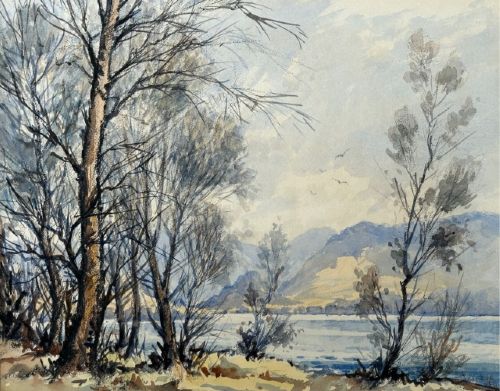
Signed Original Watercolour
A signed original watercolour offers a direct touch of an artist's hand, capturing light and landscape on paper through fluid pigment.
Understanding Signed Original Watercolours
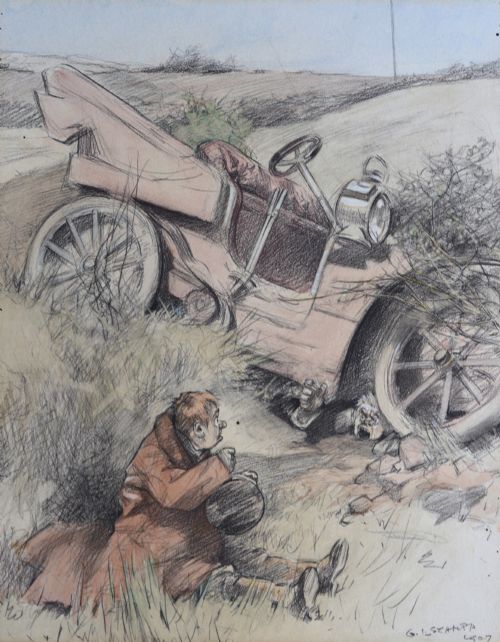
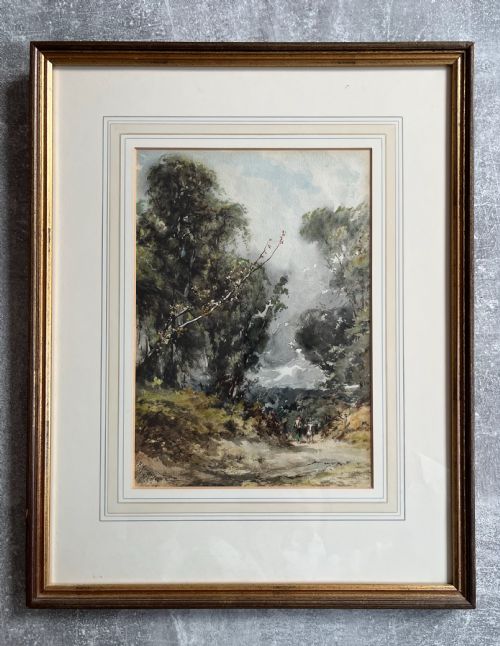
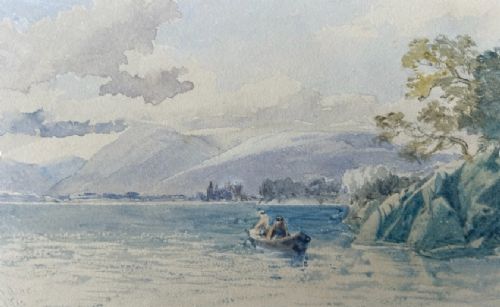
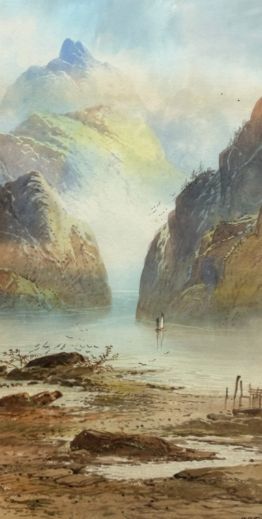
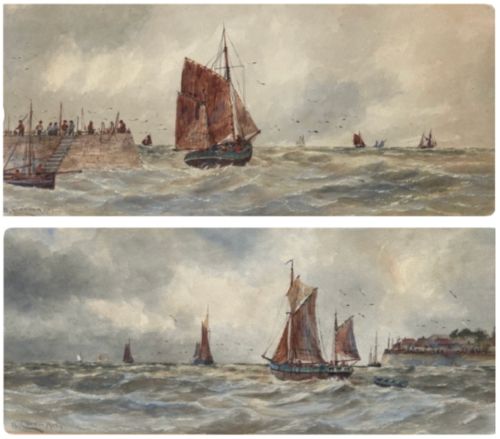
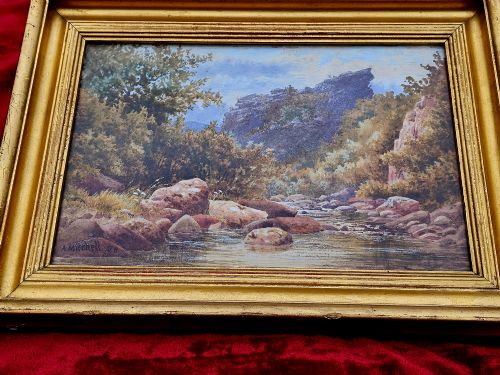
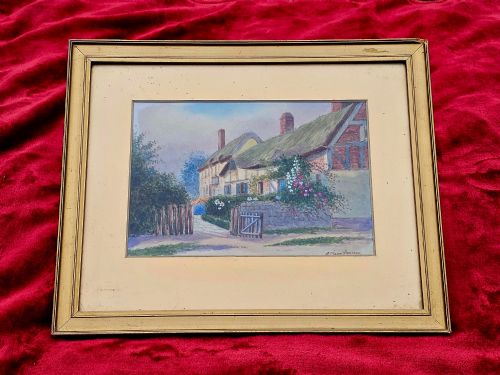
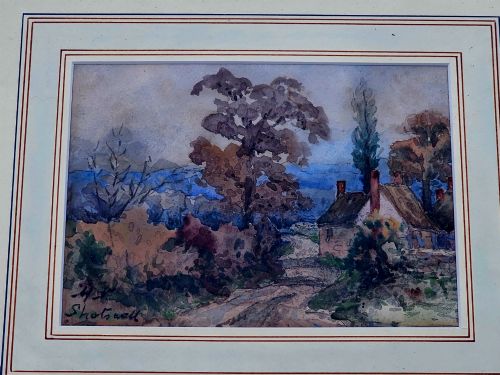
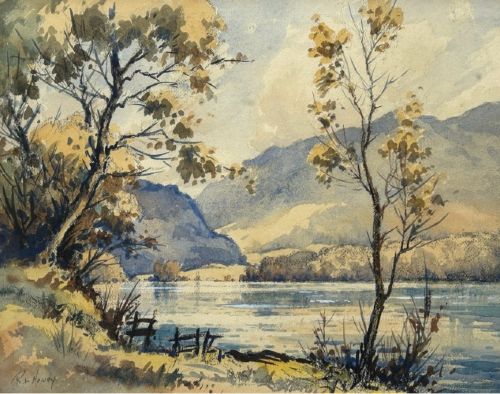
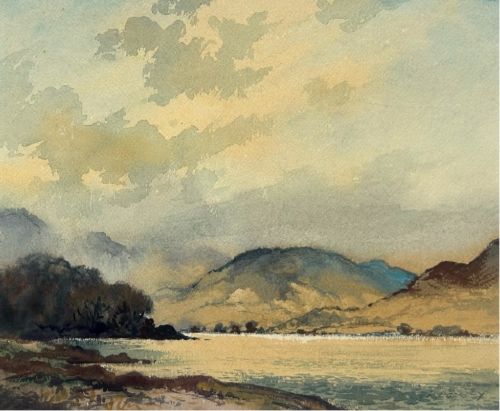
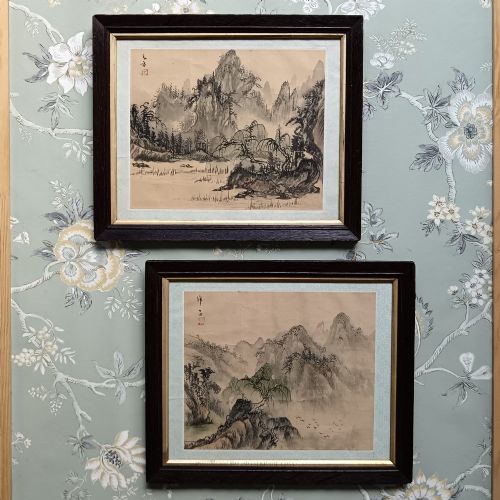
A signed original watercolour is a unique painting executed by hand rather than reproduced by mechanical means, bearing the personal signature of the artist. When searching for a signed original watercolour, buyers encounter works ranging from quiet rural landscapes and coastal views to architectural studies and floral still lifes.
The pieces available most frequently date from the late nineteenth and early twentieth centuries, encompassing the Edwardian era and British Impressionism. Artists recorded scenes across English counties, Welsh mountains, and Dutch harbours directly onto paper supports, often dating or titling their compositions on the front or reverse.
Subject matter divides broadly between topographical views of towns and rivers, pastoral countryside scenes, and detailed botanical studies. Each painting functions as an individual artistic record, shaped by the distinct hand of its creator rather than a uniform workshop production.
Materials and Technique
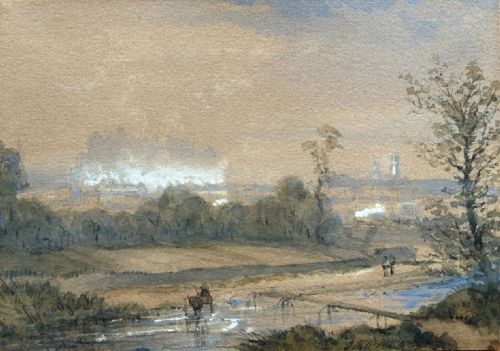
Watercolour pigment was mixed with water and applied to heavy paper, frequently supported by pencil underdrawing that mapped out the composition. Artists also utilised ink and sepia washes to define architectural details and shadows before flooding colour across the sheet.
Finished watercolours were traditionally mounted behind glass within wooden frames to protect the delicate absorbent paper from moisture and dust. The interaction between transparent washes of pigment and the textured white ground of the paper created the luminous quality characteristic of the medium.
Retail Price Guide 2026
Typical UK retail prices for signed original watercolour, calculated from the Sellingantiques database of over a million retail prices indexed since 2003. This retail price guide relies exclusively on Sellingantiques data; no external sources or auction records are used, so the figures do not describe the wider market.
Several Victorian artists evidently stood in damp Yorkshire fields to paint waterfalls, proving that British landscape art requires stout boots.
Distinctions in Quality
The strength of a composition rests on the confidence of the brushwork and the artist's command of light and atmosphere across the paper. Finer examples display fluid, unhesitating washes that capture movement in water or clouds, whereas weaker works can appear overworked and rigid.
Condition plays a vital role, as exposure to light causes fugitive pigments to fade and acidic mounts to discolour the paper. Works that retain their original pigment vibrancy and tonal contrast stand significantly higher in quality than those compromised by damp or heavy fading.
George Lorain Stampa·Robert Leslie Howey·Alfred George Morgan·Lester Sutcliffe·John Sowden·George Graham·Owen Bowen·George F Pennington·Sir Joshua Reynolds·James Robertson Miller·Alexander Jamieson·Walter Emsley·Florence F Wilmot·Karl S Wood·Walter Henry Sweet·Phil Smith·Tom Anderton·Stephen Enoch Hogley·Allan Freer·Frederick James Aldridge·James Orrock·C Lawrence·H Stuart·T H Victor·Thomas Henry Hunn
The Signed Original Watercolour Glossary
- Watercolour pigment
- Finely ground colour particles mixed with a water-soluble binder, applied in translucent layers onto paper.
- Wash
- A thin, fluid layer of diluted watercolour pigment spread evenly across the paper to create skies or water.
- Sepia ink
- A dark brown pigment derived from the cuttlefish, frequently utilised for preliminary sketches and tonal underdrawings.
- British School
- A loose classification encompassing artists working within British artistic traditions across various centuries.
- Provenance
- The documented history of a painting's ownership and origin, which helps establish its authenticity and background.
Frequently Asked Questions
How should I frame an antique watercolour?
Antique watercolours require professional framing behind conservation glass with acid-free mounts to prevent light damage and paper degradation.
Keep the paper away from direct sunlight and high humidity to preserve the integrity of the original pigments.
Are all these paintings one of a kind?
Every piece recorded here is an individual painted work executed by hand rather than a print or mechanical reproduction.
Even when artists painted similar subjects or locations, each sheet possesses unique brushstrokes and tonal variations.
How do I identify the date of a watercolour?
Look for handwritten dates or inscriptions left by the artist directly on the front or reverse of the paper support.
Stylistic markers, framing methods, and biographical records of the signatory also assist in narrowing down the period of creation.
Why do some watercolours use sepia ink?
Artists utilised sepia ink to establish firm architectural outlines and deep tonal contrasts before applying translucent washes of colour.
This monochrome underdrawing provided structure and depth to complex landscapes and interior scenes.