



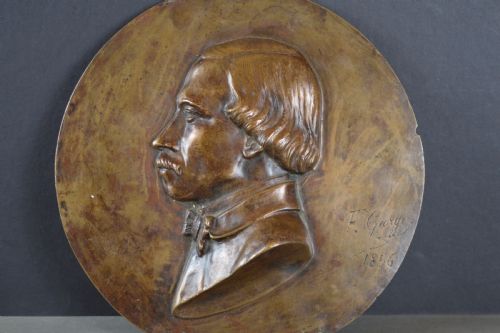


Signed French Bust
A signed french bust brings sculptural portraiture into a room through patinated bronze, marble or terracotta shaped by named hands.
Signed French Bust
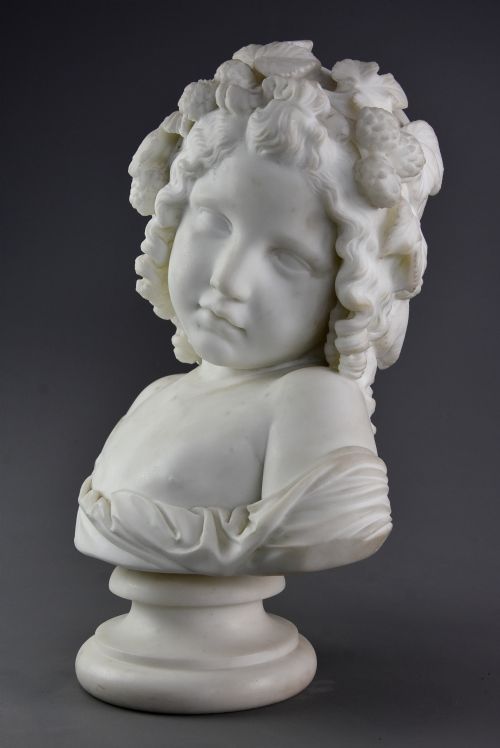
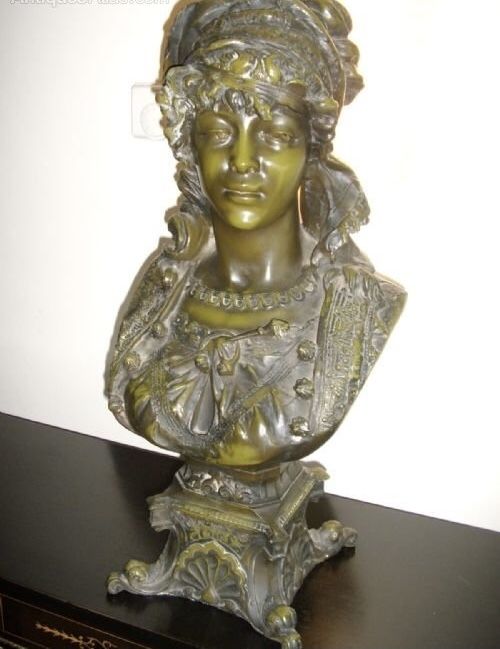
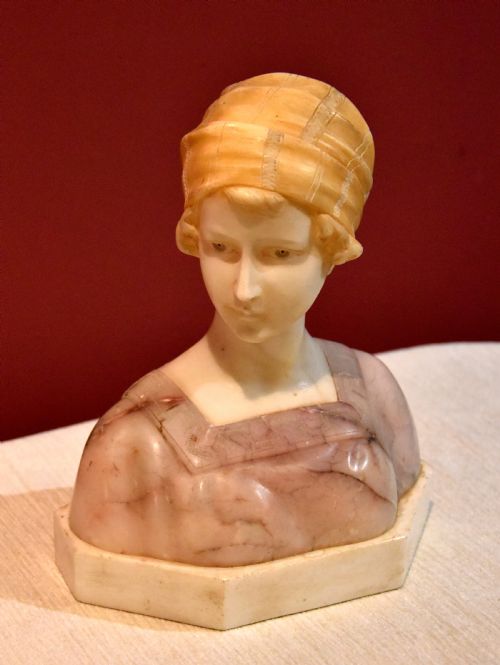
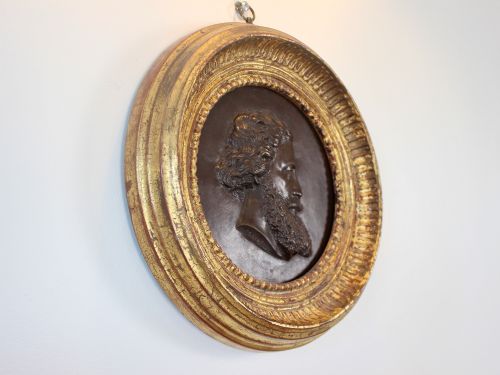
A signed french bust captures portraiture and classical figures across the nineteenth and twentieth centuries in materials ranging from bronze to alabaster. These works take the form of freestanding busts, wall plaques and sculptural studies depicting maidens, historical figures and mythological subjects.
The pieces appearing here span Neoclassical, Art Nouveau and Art Deco styles, reflecting shifts in taste from strict classical formality to flowing organic lines. Most examples date from the nineteenth century up through the nineteen-thirties, showing the enduring output of French workshops and independent sculptors.
Materials and methods
Foundry cast bronze forms the backbone of many pieces, often finished with a dark patination that highlights the musculature and facial expressions. Casts utilise traditional methods where molten metal fills a mould taken from an original clay or plaster model.
Carved stone works rely on Carrara marble and alabaster, shaped through chiselling and hand polishing to achieve smooth flesh tones against textured drapery. Terracotta and plaster pieces provide an alternative medium, shaped directly by the hand of the sculptor before firing or drying.
Even nineteenth-century horses find their way among the female maidens and historical gentlemen.
Distinctions in execution
The integration of mixed media, such as combining alabaster with contrasting marble bases, separates ambitious studio pieces from simpler output. Signature legibility and the weight of the cast or block further distinguish finer studio productions from standard workshop items.
Henry Wissen Senior·Auguste Henri Carli·E.Villanis·MAINFROY·F George·J Lavergne·Ernest Eugène Hiolle·E. Laurent·Bulio·R.LUSILI·Henri Plé·GREUZE·S. Zélikson·E. AIZELIN
The Signed French Bust Glossary
- Patinated bronze
- Bronze that has been chemically treated to alter its surface colour, usually achieving tones of brown, green or black. This treatment protects the metal and accentuates sculptural detail.
- Carrara marble
- A type of white or blue-grey marble from the city of Carrara in Italy, prized since classical times for its fine grain. Sculptors use it for portrait busts requiring smooth, luminous flesh rendering.
- Alabaster
- A soft mineral stone used for carving, known for its translucent quality that mimics the appearance of human skin. It is softer than marble and requires careful handling.
- Terracotta
- Fired clay moulded into sculptural form, left unglazed to show the porous reddish-brown earthen material. It allows for direct capture of the sculptor's touch.
- Wall plaque
- A sculptural relief designed to be hung flat against a wall rather than displayed freestanding on a pedestal or table. These works frequently depict profile portraits or historical scenes.
Signed French Bust: Frequently Asked Questions
What periods do these busts cover?
The available works span from the early nineteenth century through the Art Deco period of the nineteen-thirties. Victorian and Edwardian eras are well represented alongside distinct French Neoclassical and Art Nouveau movements.
Dates are anchored by period styles and inscribed years on the castings or carved stone bases, ranging from the eighteen-hundreds to nineteen-thirty.
How were these sculptures displayed originally?
Freestanding busts typically stood upon mantelpieces, library tables or dedicated wooden pedestals within nineteenth-century drawing rooms. Wall plaques were mounted directly onto panelled walls or plaster surfaces.
Their scale allows them to sit comfortably on modern sideboards or bookshelves while retaining their original decorative presence.
How do I distinguish bronze from plaster or terracotta?
Bronze offers cold touch and metallic weight with a patinated surface finish, whereas terracotta presents a porous earthen body with reddish-brown tones. Plaster is lighter still and often carries a painted or chalky finish.
Signatures on bronze are usually chased into the metal during casting, while plaster and terracotta show signatures inscribed directly into the wet or soft medium.
What subjects are most common?
Portraits of young women, historical figures, literary characters and classical deities dominate the figurative subjects. Examples depict specific personalities such as John Milton, Napoleon Bonaparte or mythological figures like Diana.
Titles often name the specific character or provide an allegorical descriptor such as Meditation or Mignon.