


French Alabaster Figurine
A french alabaster figurine brings classical presence to a room, carved in soft stone that captures the human form with gentle translucency.
French Alabaster Figurine
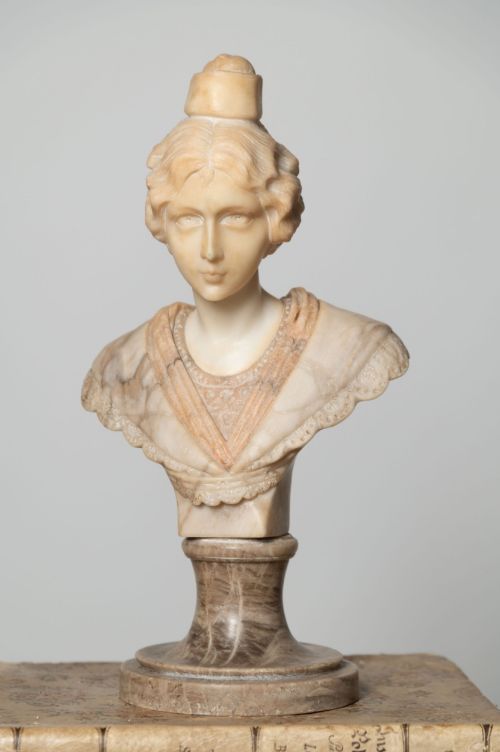
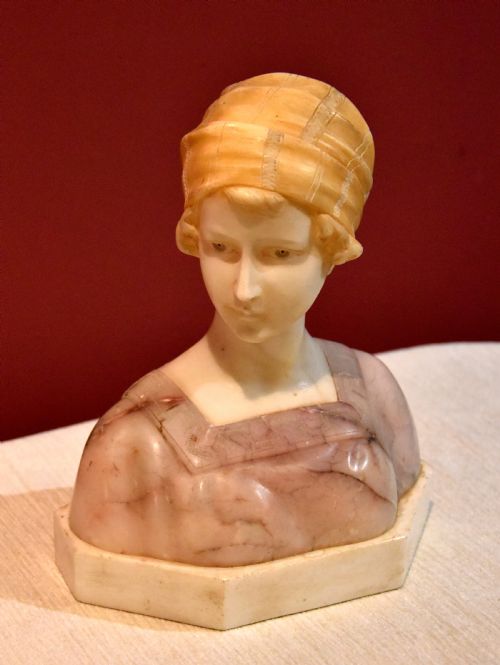
When you search for a french alabaster figurine, you encounter sculptural works that span from the nineteenth century into the art deco period. These pieces frequently depict female figures, mythological subjects such as Hestia, or intimate romantic scenes.
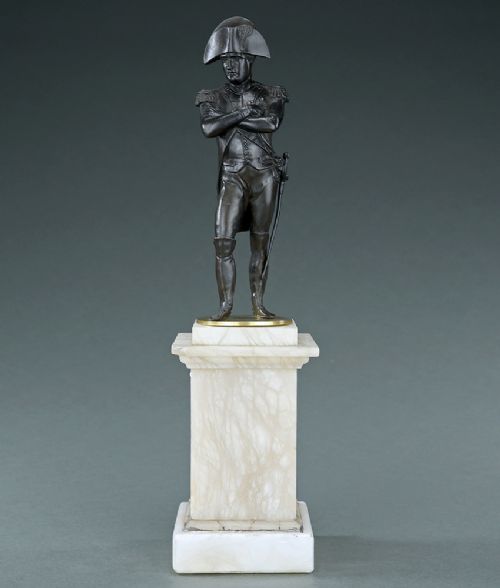
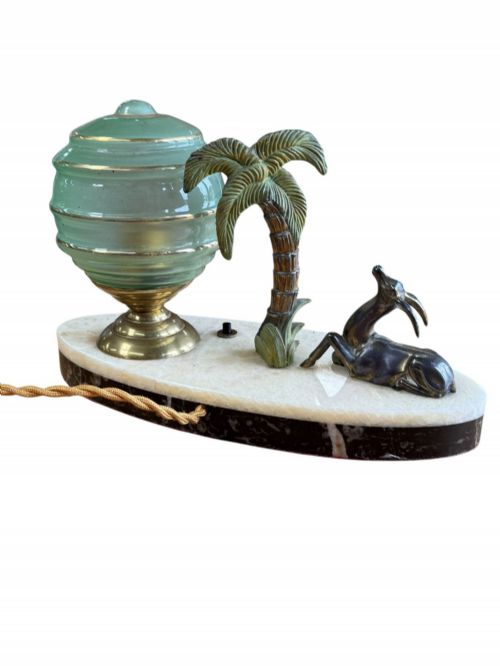
You are most likely to meet sculptures and busts originating from French workshops during periods like the Belle Epoque, Art Nouveau, and Art Deco. They often combine carved stone with marble bases or incorporate details in bronze and spelter.
The subjects range from reclining nudes and allegorical maidens playing instruments to signed portrait busts. Each piece demonstrates the distinct decorative tastes of French sculpture from eighteen eighty to nineteen thirty.
Materials and construction
These figures rely primarily on carved alabaster, a soft and fine-grained stone chosen for its ability to accept delicate chisel work and polish. Sculptors often paired this pale material with contrasting marble bases to provide weight and structural support.
Many works incorporate mixed media elements such as bronze or spelter alongside the stone, particularly for details like hair, drapery, or peripheral figures. Signatures and titles were frequently incised directly into the alabaster or onto attached metal plaques.
Listings feature French sculptures spanning from the nineteenth century into the nineteen thirties, utilising alabaster, marble, spelter, and bronze.
Distinctions in quality
Signed works by recognised sculptors carry greater distinction than unsigned studio pieces, reflecting the hand of a skilled artist. The choice of base materials and the integrity of the combined marble or bronze elements further separate standard decorative items from superior examples.
Emile Guillemin·Auguste Henri Carli·George Van Der Straeten·R. Lusili
The French Alabaster Figurine Glossary
- Alabaster
- A soft gypsum or calcite stone prized for its pale colour and smooth, translucent finish. It allows carvers to achieve delicate surface details.
- Spelter
- A zinc alloy commonly used in nineteenth-century French figures as an economical alternative to bronze. It was usually given a metallic finish to imitate bronze.
- Art Nouveau
- A decorative style prevalent around nineteen hundred, characterised by flowing organic lines and natural forms. Figures from this period often feature sinuous hair and floral motifs.
- Art Deco
- A design movement prominent in the nineteen thirties, focusing on geometric symmetry and streamlined modernity. Sculptures from this era adopt sharper angles and stylized postures.
- Patina
- The surface sheen or coloration developed through age and handling on metal elements. It serves as an indicator of original finishing.
French Alabaster Figurine: Frequently Asked Questions
Are these figures solid alabaster?
Most pieces are carved from solid blocks of alabaster, though some larger compositions combine the stone with marble bases or metal components. The primary figure is typically carved from a single piece of stone or assembled from closely matched sections.
Checking the underside or junctions reveals how the stone meets the marble or bronze elements of the sculpture.
How do I identify the period?
Stylistic cues provide the clearest indication of date, shifting from nineteenth-century classical romance to flowing art nouveau curves and later art deco geometry. Signatures, lettering styles on titles, and the composition of accompanying materials like spelter or marble bases also point to specific eras.
Comparing the sculptural posture and clothing details with documented French bronzes and stone works helps narrow down the decade of creation.
Where should I display my sculpture?
Place your figure away from direct sunlight and moisture sources to protect the delicate stone and any applied patinas on metal parts. A stable, heavy surface such as a wooden sideboard or mantelpiece provides a secure base for heavier marble and stone pieces.
Ensure the location experiences minimal temperature fluctuations to prevent stress on composite objects that combine stone with bronze or brass.